Karachi workers collapse while heat protections await action
More than 3 million garment workers fall within an international safety agreement that is preparing rules for extreme heat. For factory workers in Karachi, Pakistan, the danger is already immediate: fainting at work, losing pay during illness and struggling to cover hospital bills.
Contents
- Karachi workers collapse while heat protections await action
- Machinery and humidity trap heat indoors
- Fainting is followed by pressure to resume work
- Illness takes money from household food budgets
- What the Accord has agreed to change
- How worker complaints reached the safety agenda
- Millions are covered, while many remain outside
- Basic protection starts with water, breaks and measurement
- Brands promise action as Sindh acknowledges enforcement gaps
- Key Points
On December 10, 2025, Climate Rights International announced that the International Accord for Health and Safety in the Textile and Garment Industry had agreed to develop a Protocol on Heat Stress. Two days earlier, the Accord acknowledged that workers had raised heat complaints, while its inspection and repair programs still lacked a coordinated technical response.
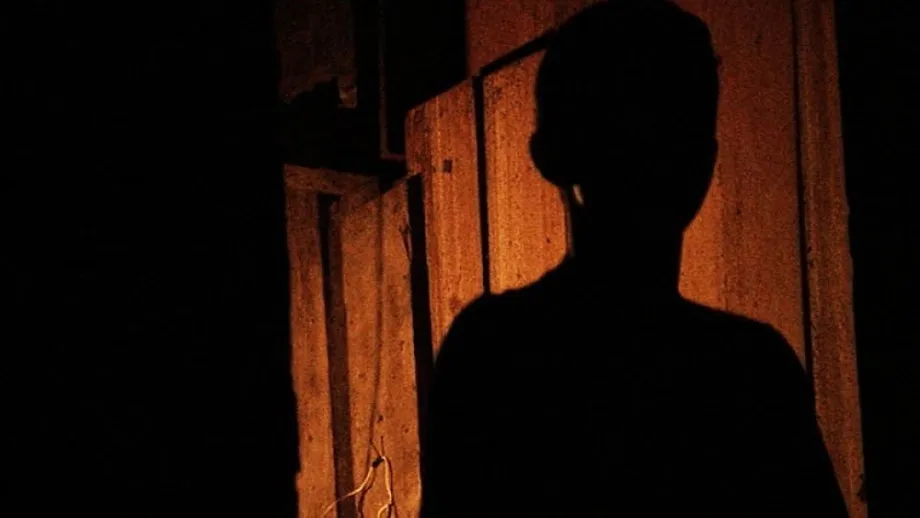
Siddiqui, a garment worker who stitches clothes for Zara and Mango on Karachi's outskirts, described collapsing in a crowded factory during humid summer conditions. Her vision blurred, her heart pounded and colleagues called her supervisor. She is identified only by surname because she fears retaliation from her employer.
Siddiqui recalled what happened as she became too unwell to continue:
Suddenly darkness came before my eyes.
More than a dozen workers interviewed in Karachi described scorching workplaces, missing heat protections and health problems. Ten said they made goods for global brands sold in the United States and Europe. Every worker said they had seen colleagues faint; several had fainted themselves, sometimes repeatedly.
The proposed heat protocol would bring a growing workplace danger into a legally binding agreement between clothing brands and trade unions. Its rules remain under review and have not taken effect. No implementation date was given. Workers meanwhile describe a daily choice between continuing through illness and losing income needed for food.
Machinery and humidity trap heat indoors
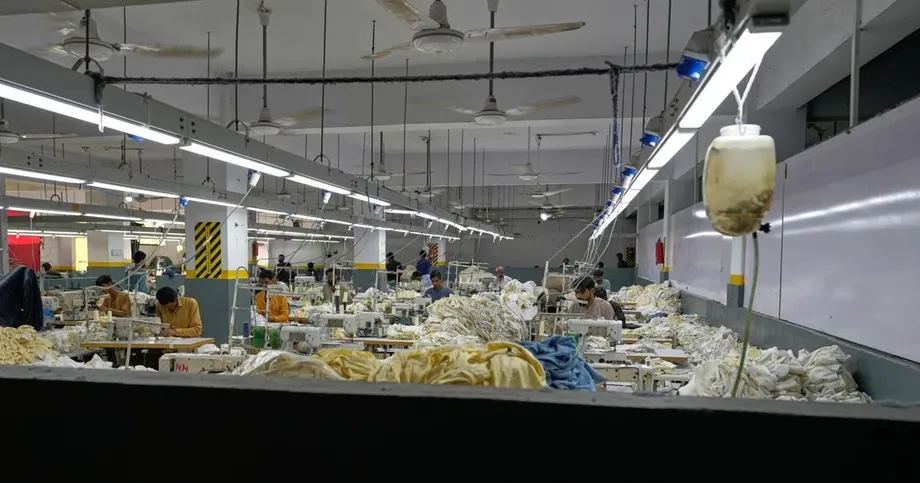
Karachi's factories combine several sources of heat. Industrial equipment releases warmth into crowded production rooms. Metal roofs absorb sunlight. Workers described fans that were broken or too small, alongside narrow windows positioned high on walls or kept closed to deter theft.
Monsoon humidity makes those conditions harder to endure. Sweating helps the body cool when moisture evaporates from the skin. When the air already contains a great deal of moisture, evaporation slows, making it harder for workers to release the heat produced by their bodies and surrounding machinery.
Siddiqui said her factory was hotter than the small room she shares with her six children, which has no air conditioning. Temperatures around her home routinely climb above 37.8 degrees Celsius during heat waves. Her working day and time at home therefore offer little relief from the heat.
Workers said their employers provided drinking water, but it was rarely cold and they were uncertain about its cleanliness. None reported heat sensors in their workplaces. Several said they received neither extra water nor additional breaks when summer conditions became unbearable.
Fainting is followed by pressure to resume work
Workers described swollen limbs, temporary muscle paralysis, changes in blood pressure, breathing difficulties, blurred vision and severe exhaustion during the hottest months. One woman said pain from scaly rashes associated with routine chemical exposure became worse in summer.
Heat stress occurs when the body struggles to get rid of excess heat. Prolonged exposure can lead to dehydration and heatstroke, damage organs and worsen existing conditions such as cardiovascular disease, diabetes and asthma. Serious internal harm can develop even when outward signs are limited.
Andreas Flouris, founder of FAME Lab, which studies heat and health, explained how continued exposure increases danger:
The longer you work in the heat, the less that you're protected from it and the health risks rise.
Workers who fainted said they were often given only a short break or a sugary drink before being told to return to production. Complaints to supervisors brought no changes, they said. The immediate response focused on getting people back to work while the heat around them continued.
Illness takes money from household food budgets
Only one of the workers interviewed said they had paid sick leave. All the others reported losing wages when heat illness forced them to miss work, including after collapsing on the factory floor.
Siddiqui said her employer refused to cover the hospital visit that followed her collapse. Her monthly wage was reported as 15,000 Pakistani rupees, about $54, and also as 35,000 rupees, about $125. The discrepancy remains unresolved. She said paying for treatment left her unable to buy enough food for her children.
Siddiqui described the effect on meals at home:
Sometimes they eat one meal, sometimes they don't eat a meal.
Her younger children sometimes cry from hunger, she said, while the older children have become accustomed to going without. Medical expenses and wage deductions turn a workplace health emergency into a household food crisis.
Workers facing those costs have a powerful financial reason to keep working while unwell. Cooling equipment, access to water and permission to rest address exposure inside the factory; paid sick leave addresses the income pressure that can push an ill worker back onto the production floor.
What the Accord has agreed to change
The International Accord developed from the safety agreement established after the 2013 Rana Plaza factory collapse in Bangladesh, which killed more than 1,100 people. Its country programs use independent inspections, worker training and a complaints mechanism to address factory hazards.
Until the heat decision, its work concentrated on building, fire, structural and boiler safety. Climate Rights International's December 10 statement described a commitment to bring heat into inspections and remediation, the process of correcting unsafe conditions.
The Accord's Secretariat and Technical Committee will develop the protocol. Planned consultations include local unions, labor support organizations, brands and technical specialists, with engineering solutions among the measures to be examined.
Cara Schulte, a researcher at Climate Rights International, described the significance of recognizing heat within a binding agreement:
These efforts by the Accord represent a potentially transformative moment for the global fashion industry.
The practical change would be to make extreme heat a hazard that inspectors assess and factories must address through the Accord's safety process. Workers have already used its complaints mechanism to raise heat concerns, including concerns about drinking water quality and temperature.
How worker complaints reached the safety agenda
Climate Rights International coordinated a letter signed by 45 organizations calling for heat stress to become a fifth safety pillar of the Accord. Its investigations in Bangladesh and Pakistan documented dangerous indoor temperatures, inadequate ventilation, fainting and production rules that restricted rest.
The sequence shows how those complaints led to a commitment to develop formal rules:
- September 2025: The coalition urged the Accord to recognize heat stress, and the Steering Committee discussed the issue.
- November 24, 2025: Climate Rights International privately shared advance findings from its Pakistan investigation and sought clarification of the Accord's position.
- December 8, 2025: The Accord confirmed that heat stress fell within its country safety programs and committed to developing a protocol.
- December 10, 2025: Climate Rights International publicly announced the commitment.
The Pakistan investigation, titled They Don't See What Heat Does to Our Bodies, documented unsafe water, dehydration, fainting and workplace rules that prevented breaks even during peak heat. Those findings closely match the problems described by the Karachi workers.
The proposed protocol would connect those recurring complaints to a preventive inspection process. That means examining dangerous conditions before another worker becomes ill, as well as responding after a complaint.
Millions are covered, while many remain outside
The Accord has 282 brand signatories and covers more than 3 million workers across more than 2,000 factories in South Asia. Its membership includes Inditex, Zara's parent company, and Mango, along with Adidas, ASOS, BESTSELLER, H&M Group and PVH.
The NYU Stern Center for Business and Human Rights, in its analysis of the decision, gives the factory breakdown as a little over 1,600 in Bangladesh and 400 in Pakistan. It also notes that only about half of Bangladesh's 3,320 garment facilities are covered.
Asia's role in clothing production makes the issue especially consequential. In 2019, the region accounted for 55% of global garment and textile exports and employed approximately 60 million workers in the sector, according to the center. About 75% of workers across the Asia Pacific region face extreme heat annually.
The center cites International Labour Organization estimates that about 2.4 billion workers worldwide, roughly 70% of the working population, encounter extreme heat each year. Heat contributes to approximately 23 million injuries that are not fatal and nearly 19,000 deaths annually across occupations.
Basic protection starts with water, breaks and measurement
Flouris identified practical measures that factories can take: measure indoor temperature and humidity, provide cold drinking water and allow workers to rest. Measuring both heat and moisture matters because the same air temperature can place different demands on the body depending on humidity.
Factories can also install barriers to reduce heat radiating from machinery, improve ventilation and cooling, and paint roofs white to reflect more sunlight. These measures tackle different sources of exposure rather than relying on a small fan to cool an entire production room.
Flouris described the measures as economically feasible and straightforward:
We're talking about some very simple strategies.
Workers said almost none were present in their factories. Only one reported a ventilation system, and said it operated only when auditors visited. That description makes daily operation a central issue: equipment must function during ordinary shifts, when workers face the heat.
Financing also matters. The NYU Stern analysis says the 2023 Accord urges brands to support factory safety programs and negotiate purchasing terms that make required repairs affordable. It also says suppliers still carry most implementation costs. Factory owners control conditions on production floors, while the brands buying their goods can help make lasting improvements financially possible.
Brands promise action as Sindh acknowledges enforcement gaps
Inditex said it was strengthening its response to heat through updated factory audits, supplier guidance and training, and collaboration with industry initiatives. Mango said its supplier code had been strengthened to address extreme temperatures and heat stress.
A Mango spokesperson described the company's position on worker health and safety:
non-negotiable priority
Pakistan also has national and provincial laws and constitutional protections intended to safeguard workers, according to Farhan Haider, a program manager at the Pakistan Institute of Labour Education and Research in Karachi. The workers' descriptions place enforcement of existing protections alongside the development of new international rules.
Sadia Javed, a Sindh government spokesperson and member of the Provincial Assembly, acknowledged difficulties in putting regulations into practice:
The government is making efforts to enforce these regulations, but given the province's vast size and the presence of numerous industrial zones, complaints are inevitable.
For Karachi workers, the concrete needs are consistent across their testimony: clean drinking water, working cooling systems, permission to stop when ill and protection from losing essential income. The Accord's commitment creates a route for addressing heat through inspections and required improvements. Siddiqui's experience shows the cost while those protections await implementation.
Key Points
- Karachi factory workers described fainting, inadequate cooling and wage deductions during heat illness.
- Only one worker interviewed reported paid sick leave; none reported workplace heat sensors.
- The International Accord has committed to developing a heat stress protocol, but it has not taken effect.
- The agreement covers more than 3 million workers across more than 2,000 factories in Bangladesh and Pakistan.
- Recommended protections include measuring heat and humidity, cold drinking water, rest breaks, ventilation and barriers around hot machinery.
- Inditex and Mango described stronger heat safeguards, while Sindh's government acknowledged enforcement problems.