Higher fares approved for two harbour routes
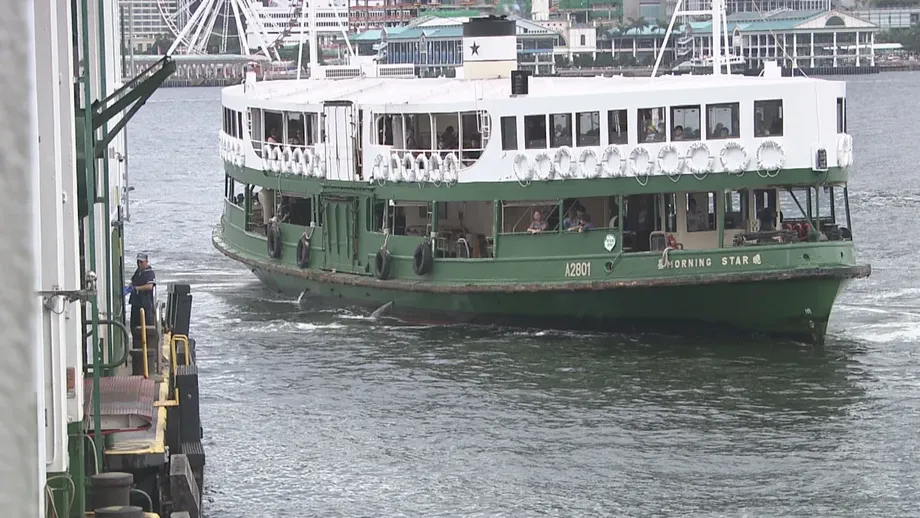
Star Ferry passengers travelling between Central and Tsim Sha Tsui or between Wan Chai and Tsim Sha Tsui will pay an extra HK$0.60 to HK$1.80 per journey from January 25, 2027, after Hong Kong approved increases for both franchised routes. The monthly pass will remain at HK$190.
Contents
- Higher fares approved for two harbour routes
- How much will each journey cost?
- What the unchanged monthly pass means
- Why the government approved an increase
- Small profits have not ended the financial strain
- Ferries are expected to remain cheaper than alternatives
- Electric vessels and pier income enter the debate
- The approval and implementation timetable
- Key Points
The Chief Executive in Council approved the changes on October 13, 2026, according to the government's October 21 announcement. Adult fares will reach a maximum of HK$6 on weekdays and HK$8.30 on weekends. The approved increases range from about 20% to 28%, below the average increase of 30% sought by the operator.
The decision follows a difficult financial period for the company. Star Ferry accumulated losses exceeding HK$100 million between 2018 and 2023 and borrowed money to keep its franchised services operating. Small profits in 2024 and 2025 provided some relief, but the government expects the company to return to losses from 2026.
For passengers, the change creates two different outcomes: individual journeys become more expensive, especially at weekends, while people using the monthly pass keep their existing price. The government said the smaller weekday increases and unchanged pass price were intended to reduce the burden on regular travellers.
How much will each journey cost?
Weekday fares across the two routes will increase by HK$0.60 to HK$1 per journey. Weekend increases will be larger, ranging from HK$1 to HK$1.80. The amount depends on the route and ticket category.
On the Central to Tsim Sha Tsui route, adult fares will rise by HK$0.80 to HK$1 on weekdays and HK$1.60 to HK$1.80 on weekends. Adult fares between Wan Chai and Tsim Sha Tsui will increase by HK$1 on weekdays and HK$1.80 on weekends.
The weekday adult fare for the upper deck between Central and Tsim Sha Tsui will rise from HK$5 to HK$6. The same change applies to the weekday adult fare between Wan Chai and Tsim Sha Tsui. In both cases, the extra HK$1 represents a 20% increase on the current HK$5 ticket.
The published adult ceilings of HK$6 on weekdays and HK$8.30 on weekends are the highest permitted adult charges under the new arrangement. Passengers buying different ticket categories will therefore face different increases within the approved range.
What the unchanged monthly pass means
The monthly pass will continue to cost HK$190, providing a stable fare option for regular users as individual tickets become more expensive. Its price is one of the main protections for passengers who depend on the ferry for their daily commute.
For a passenger paying the adult fare that rises from HK$5 to HK$6, 40 weekday journeys would cost HK$240 instead of HK$200. That is an extra HK$40 a month for someone making two such journeys on 20 working days. The calculation assumes every journey uses that particular fare.
At the new HK$6 rate, 32 individual journeys would cost HK$192, just above the HK$190 pass price. Under the current HK$5 rate, 38 journeys cost HK$190. For travellers whose journeys are covered by the pass, the unchanged price makes it worth considering at a lower number of trips.
Legislative Council transport panel chairman Ben Chan Han-pan said the approved increases were lower than Star Ferry had requested and that keeping the monthly pass unchanged would reduce the effect on commuters. He also urged the company to introduce the increases in stages to ease the burden further. The announced arrangement sets January 25, 2027, as the effective date; no phased schedule was given.
Why the government approved an increase
Star Ferry originally requested increases of HK$0.80 to HK$2 per journey, averaging 30%. The government accepted the need for higher fares but reduced the amounts after examining the company's finances and the effect on passengers.
The assessment covered operating costs, changes in projected revenue and returns, service performance, public acceptance of the proposed prices, and the company's efforts to earn more income and reduce spending. The government said those factors supported an adjustment, while passenger needs justified a smaller increase.
Fares last rose in 2023. Since then, the company's finances have remained under pressure from slow growth in passenger numbers, rising operating expenses and interest payments on debt. The government also said there was limited room to reduce costs further.
A ferry operator needs enough income to pay the continuing costs of running its services. When passenger numbers grow slowly, ticket revenue has less scope to keep up with rising bills. Borrowing helps cover a shortage of cash, but interest on those loans adds another expense.
Small profits have not ended the financial strain
Star Ferry's losses exceeded HK$100 million across the six years from 2018 to 2023. The government cited the COVID-19 pandemic among the factors behind that financial damage and said the company relied on debt financing to sustain its franchised operations.
The operator recorded marginal profits in 2024 and 2025. The government's forecast nevertheless points to renewed losses from 2026 and heavy financial pressure over the following few years, as passenger growth remains slow and costs continue to rise.
The financial problem therefore has two parts. Star Ferry needs to meet the cost of today's services while also paying interest on money borrowed during earlier difficult years. A modest profit in a particular year can provide relief while leaving substantial financial obligations in place.
The fare decision addresses ticket income, but the government's stated approach also includes income from activities other than passenger fares and public support. Its reasoning places the increase within a broader effort to keep the services financially viable.
Ferries are expected to remain cheaper than alternatives
The government said Star Ferry would remain the least expensive public transport option for crossing the harbour after the increase, with fares about 30% to 50% below those of the MTR or franchised buses.
That comparison helps explain why officials supported higher charges while limiting the amount. Passengers will pay more than they do now, but the government expects the ferry to retain a price advantage over competing public transport services.
The weekday and weekend structure also spreads the increase unevenly. Weekday rises stop at HK$1 per trip, while weekend rises reach HK$1.80. Together with the frozen monthly pass, that arrangement places a smaller increase on many routine journeys than on some weekend trips.
For an occasional passenger, the practical change is the extra amount paid at each crossing. For a regular passenger, the number of journeys taken each month and the ticket category used will determine how much the increase affects their transport budget.
Electric vessels and pier income enter the debate
Chan identified fuel prices and staffing difficulties as continuing pressures on Star Ferry. He called for the planned replacement of vessels with electric ferries to proceed as soon as possible, with the aim of reducing the company's operating burden.
He also suggested joint tickets with tourist attractions to encourage more people to travel by ferry. Such tickets would combine a ferry journey with admission or access to another attraction, giving the company another way to seek additional passengers.
Pier improvements formed another part of his proposals. Chan urged government support for renovation work so that Star Ferry could increase income from activities other than ticket sales. His suggestions address both sides of the company's problem: the expense of running services and the need to bring in more money.
The government described Star Ferry's service performance as generally satisfactory and pointed to electronic payment options among its improvements for passengers. A government spokesman described the purpose of the wider financial approach in these words:
to continue providing quality services to citizens and visitors, and to preserve this historical landmark filled with memories for Hong Kong
The approval and implementation timetable
The approval was granted before the public announcement on October 21. The next formal step is submission of the amendment to the Legislative Council on October 28, 2026, under the procedure known as negative vetting.
The maximum fares Star Ferry may charge are set out in the Ferry Services (The Star Ferry Company, Limited) (Determination of Fares) Order. Negative vetting allows subsidiary legislation to be made and then examined by lawmakers, who have an opportunity to scrutinise and amend it through the legislative process.
- 2023: Star Ferry's previous fare increase took effect.
- October 13, 2026: The Chief Executive in Council approved the new increases.
- October 21, 2026: The government publicly announced the decision and its financial reasoning.
- October 28, 2026: The amendment is scheduled to be submitted to the Legislative Council for scrutiny.
- January 25, 2027: The new fares are scheduled to take effect on both franchised routes.
The immediate change for passengers is therefore a scheduled increase in individual ticket prices, with the monthly pass held at HK$190. The accompanying financial strategy also calls for attention to costs, other revenue and government support as the company faces a forecast return to losses.
Key Points
- Star Ferry fares on the Central to Tsim Sha Tsui and Wan Chai to Tsim Sha Tsui routes will rise on January 25, 2027.
- Weekday increases range from HK$0.60 to HK$1; weekend increases range from HK$1 to HK$1.80.
- Maximum adult fares will be HK$6 on weekdays and HK$8.30 on weekends.
- The monthly pass will remain HK$190.
- The government approved smaller increases than the operator requested.
- Star Ferry lost more than HK$100 million from 2018 to 2023, made small profits in 2024 and 2025, and is forecast to return to losses from 2026.
- The fare amendment is scheduled for Legislative Council scrutiny on October 28, 2026.