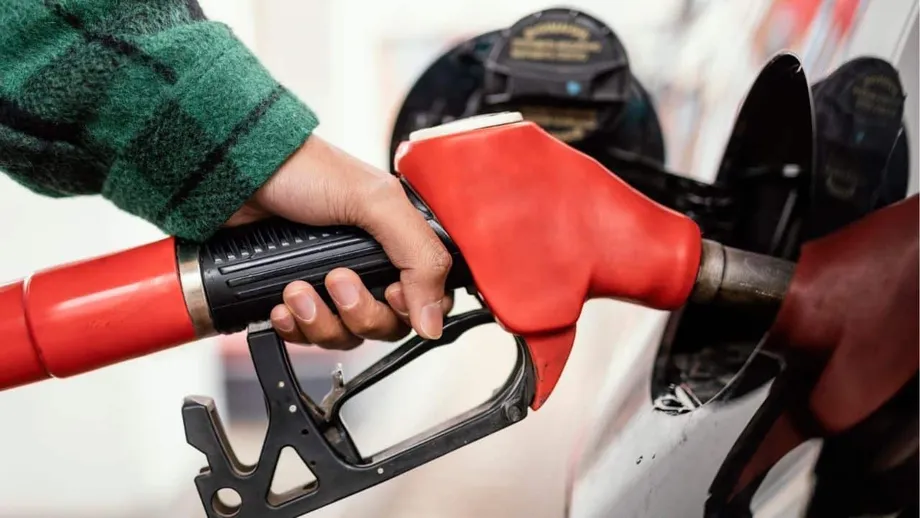
Higher pump prices begin at 5am
Thailand's Fuel Fund Executive Committee has approved a 0.60 baht increase per litre for B7 diesel, petrol and E10 gasohol 95 and 91, effective at 5am on October 21, 2026. B7 diesel will cost 43.54 baht per litre, while petrol will reach 51.03 baht.
Contents
The decision, made on October 20, leaves B20 diesel, E20 and E85 prices unchanged through larger subsidies. PTT Station also lists unchanged prices for its premium petrol and diesel products. The increase therefore affects several widely used fuels without applying to every grade at the pump.
The Oil Fuel Fund faces subsidy costs of about 229 million baht a day as international fuel prices rise. The committee is increasing support for several fuels and reducing the levy on petrol, while allowing part of the higher cost to reach motorists.
For a driver buying 40 litres of an affected fuel, the increase adds 24 baht to the bill. A household or business buying 200 litres a month would pay another 120 baht if its consumption stayed the same.
Which fuels will cost more?
The approved increase is 60 satang, or 0.60 baht, for each litre of the four affected grades. Subtracting that increase from the new prices gives the following changes:
- B7 diesel: from 42.94 to 43.54 baht per litre.
- E10 gasohol 95: from 41.44 to 42.04 baht per litre.
- E10 gasohol 91: from 41.07 to 41.67 baht per litre.
- Petrol: from 50.43 to 51.03 baht per litre.
Gasohol is petrol blended with ethanol. E10 identifies a blend containing 10% ethanol, while the numbers 95 and 91 identify octane grades, which describe resistance to premature ignition inside an engine.
The same cash increase produces slightly different percentage changes. B7 diesel rises by about 1.4% from 42.94 baht, while petrol rises by about 1.2% from 50.43 baht.
Which prices stay unchanged?
B20 diesel remains at 37.19 baht per litre, E20 at 35.69 baht and E85 at 31.63 baht in the listed PTT Station prices. Bangchak lists the same prices for those three grades.
The gap between regular B7 diesel and B20 therefore widens from 5.75 baht to 6.35 baht per litre. E20 will cost 6.35 baht less per litre than gasohol 95, compared with a gap of 5.75 baht before the increase.
Those differences matter for motorists whose vehicles can use the cheaper blends. E20 and E85 contain more ethanol than E10, while B20 contains more biodiesel than B7. Drivers need to use a fuel approved for their engine; the grades serve different vehicle requirements.
PTT Station's premium gasohol 95 remains at 47.79 baht per litre, premium gasohol 99 at 49.79 baht and premium diesel at 50.05 baht. Bangchak lists premium diesel at 50.05 baht and premium gasohol 98 at 49.29 baht. The listed PTT Station prices exclude Bangkok municipal tax.
Why international costs are rising
The committee cited Houthi attacks on Saudi Arabian energy infrastructure and shipping in the Persian Gulf as major reasons for the renewed rise in oil prices. It also pointed to ships taking longer routes around Africa, increasing freight costs.
Those longer journeys have reduced oil imports into Singapore and tightened supply, according to the explanation accompanying the decision. When ships take more time to deliver cargo, transport becomes more expensive and fuel takes longer to reach buyers.
Singapore market diesel was around US$178 per barrel on October 20, compared with about US$136 for petrol. Diesel was therefore trading about US$42 per barrel higher. These are prices for refined fuels, the products made from crude oil and used by vehicles.
A fall of 3.2 million barrels in US crude inventories added further upward pressure. Inventories are oil held in storage. The decline was larger than expected, adding to supply concerns alongside the disruption to shipping and energy infrastructure.
Why subsidies rise alongside pump prices
The Oil Fuel Fund uses levies and subsidies to manage domestic fuel prices. A levy collects money from each litre sold, while a subsidy contributes money to help keep the selling price lower than it would otherwise be.
The committee can increase a subsidy while also approving a higher pump price because the subsidy absorbs only part of the increase in fuel costs. For B7 diesel, support rises by 0.69 baht to 2.41 baht per litre, even as motorists pay another 0.60 baht.
Gasohol 95 and 91 each receive an additional subsidy of 0.22 baht, taking support to 0.28 baht per litre. Their previous subsidy was therefore 0.06 baht per litre. Both grades still rise by 0.60 baht at the pump.
Petrol receives relief through a smaller levy rather than a subsidy. Its contribution to the fund falls by 0.29 baht, from 6.90 to 6.61 baht per litre. Despite that reduction, its retail price increases to 51.03 baht.
More support protects B20, E20 and E85
B20 receives the largest subsidy increase among the listed fuels. Support rises by 1.08 baht, from 6.55 to 7.63 baht per litre, keeping its retail price unchanged at 37.19 baht.
E20 support increases by 0.69 baht, from 4.22 to 4.91 baht per litre. E85 support rises by 0.22 baht, from 1.40 to 1.62 baht. Both changes preserve their existing pump prices.
The new B20 subsidy is 5.22 baht per litre higher than the 2.41 baht subsidy for B7. Within gasohol, E20 receives 4.63 baht more support per litre than either E10 grade. The fund is therefore providing very different amounts of support across fuel types.
Premium diesel carries a levy of 1.50 baht per litre. PTT Station's listed premium diesel price remains unchanged, while regular B7 rises, showing how the fund adjustments and retail price changes vary by product.
A daily subsidy bill of 229 million baht
The committee said the changes were needed to preserve the fund's liquidity, manage domestic energy prices, maintain price stability over time and respond to swings in global fuel costs. Liquidity means having money available when payments must be made.
At 229 million baht a day, subsidy costs would amount to about 1.60 billion baht over seven days, or 6.87 billion baht over 30 days, if that daily rate continued. These calculations show the scale of the stated burden; actual spending will depend on fuel sales and future costs.
The committee did not give a date for another price adjustment. Its immediate decision shares the pressure between consumers and the fund: several fuels become more expensive, while additional subsidies hold others steady.
The timetable and the fund's appeal
The decision moves from approval to implementation overnight. The key dates are:
- October 20, 2026: The Fuel Fund Executive Committee approves the retail increases and revised levies and subsidies.
- October 20, 2026: Singapore market diesel is around US$178 per barrel and petrol around US$136.
- October 21, 2026, at 5am: The new pump prices take effect, alongside the revised fund rates effective that day.
The Oil Fuel Fund urged people in all sectors to use fuel efficiently and only as necessary. It said lower consumption could reduce household expenses and Thailand's crude oil imports while helping preserve the fund's ability to support domestic prices.
For motorists using B7, petrol or E10 gasohol, the immediate change is a higher bill for the same amount of fuel. For users of B20, E20 and E85, the pump price stays steady because the fund is paying more support per litre.
Key Points
- B7 diesel, petrol and E10 gasohol 95 and 91 rise by 0.60 baht per litre from 5am on October 21, 2026.
- New prices are 43.54 baht for B7, 51.03 baht for petrol, 42.04 baht for gasohol 95 and 41.67 baht for gasohol 91.
- B20, E20 and E85 remain unchanged at listed prices of 37.19, 35.69 and 31.63 baht per litre.
- The Oil Fuel Fund faces subsidy costs of about 229 million baht a day.
- The committee cited attacks on energy infrastructure and shipping, higher freight costs and falling US crude inventories.
- A purchase of 40 litres of an affected fuel costs an additional 24 baht.