From an Imported Medicine to a Hainan Factory
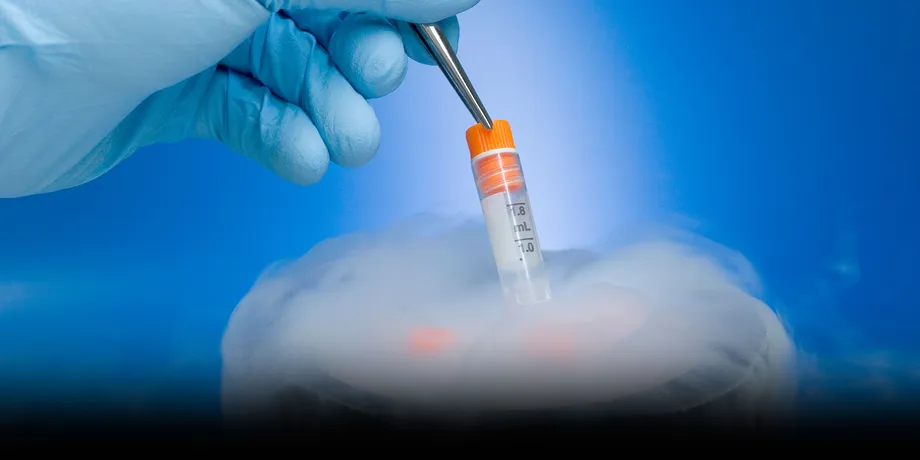
Cosela, a medicine used to protect bone marrow during chemotherapy, is selling for 466 yuan a vial after production moved to Haikou and the drug entered China's national medical insurance catalogue, according to Simcere Pharmaceutical Group. Its cited US price is about $1,400 a vial, roughly 10,000 yuan.
Contents
- From an Imported Medicine to a Hainan Factory
- What Cosela Does for Patients
- How Lecheng Shortened the Route to Approval
- The Main Dates in the Drug's Journey
- What Helped Bring the Price Down?
- What Patients Pay Under Insurance
- Shorter Supply Cycles and Plans for Exports
- A Second Medicine Follows a Similar Route
- Haikou Builds Support for Overseas Sales
- Key Points
Speaking during an October 19, 2026, visit to the company's operations in Hainan, Simcere president Zhou Yunshu attributed the lower cost to local manufacturing, tax policies under the Hainan Free Trade Port, faster regulatory procedures and support for the pharmaceutical industry. The Haikou operation now has an annual production capacity of 2 million vials.
The next step would reverse the medicine's original journey. Simcere reached a production and supply agreement with its American partner in the first half of 2026 and expects Cosela made in Haikou to supply US and European markets in 2027.
The price story also has an important calendar detail. Simcere says Cosela entered the 2024 national insurance catalogue. The National Healthcare Security Administration and the Ministry of Human Resources and Social Security set January 1, 2025, as the date that edition took effect.
What Cosela Does for Patients
Cosela, whose generic name is trilaciclib, was brought to China through cooperation between Simcere and the American company G1. It is given before chemotherapy to help protect the stem cells in bone marrow that produce blood cells.
Chemotherapy attacks cancer cells, but it can also damage healthy cells involved in making blood. Bone marrow is the body's blood cell factory. Protecting its stem cells helps reduce chemotherapy's effects on normal blood production, making this medicine part of the care surrounding cancer treatment.
For patients, the practical issues extend beyond a vial's price. Access also depends on whether the medicine has regulatory approval, whether a hospital stocks it, whether insurance covers its prescribed use and whether supplies arrive when treatment is scheduled.
How Lecheng Shortened the Route to Approval
Cosela received US approval in February 2021. Less than four months later, patients in Hainan's Boao Lecheng International Medical Tourism Pilot Zone were able to receive it through special access arrangements for overseas medicines.
Lecheng allowed clinical use to begin before national marketing approval in China. From 2021, more than 30 patients received Cosela there and participated in research using real world data, according to the account of the drug's development in Hainan.
Real world data means information collected during actual medical care. In this case, the Lecheng programme connected early patient access with research that supported the medicine's route through China's approval process.
China's National Medical Products Administration granted conditional import registration in July 2022, one year and five months after US approval. Zhou contrasted that interval with the three to five years he said overseas innovative medicines had typically taken to reach Chinese registration over the preceding decade.
The development timetable also included about 15 months from introduction to submission of the marketing application. That figure describes the application stage; July 2022 marks the subsequent Chinese approval.
The Main Dates in the Drug's Journey
Cosela's move from overseas approval to Chinese production took place through several separate decisions. Special access opened a route for patients, national registration allowed broader marketing, and a later manufacturing application brought production to Haikou.
- February 2021: Cosela received US approval.
- Within four months: Patients began receiving it through Lecheng's special access arrangements.
- July 2022: China's drug regulator granted conditional import registration.
- Early 2023: Simcere submitted its application to manufacture Cosela locally.
- April 2024: Production began in Haikou, with annual capacity of 2 million vials.
- January 1, 2025: The 2024 national medical insurance catalogue took effect.
- First half of 2026: Simcere reached a production and supply agreement with its American partner.
- 2027: The company expects Haikou production to begin supplying US and European markets.
The sequence explains why early access, approval, manufacturing and insurance coverage each mattered. Every stage addressed a different part of getting the medicine from its developer to patients.
What Helped Bring the Price Down?
Simcere began producing Cosela in Haikou in April 2024, after applying to China's drug regulator in early 2023. Zhou said manufacturing in Hainan, combined with the free trade port's policy package, substantially reduced production costs.
The policies cited by the company include zero tariffs on eligible raw and auxiliary materials, tariff exemptions linked to processing that adds value, and a corporate income tax rate of 15%. The processing policy described in the accounts applies when the value added exceeds 30%, subject to the relevant rules.
These measures affect different company expenses. Tariffs add to the cost of bringing materials across a border. Corporate income tax applies to taxable profits. Local production changes where manufacturing takes place and how supplies move through the production chain.
Insurance inclusion was another part of the move to the reported retail price of 466 yuan. Simcere links that price to both lower costs and entry into the national catalogue. No breakdown was given showing how much of the reduction came from manufacturing, individual tax measures or insurance pricing arrangements.
Using the approximate US equivalent of 10,000 yuan, 466 yuan is about 4.7% of that figure, or roughly 95% lower. The comparison is between the cited US price and the reported Chinese retail price, across two markets with different payment arrangements.
What Patients Pay Under Insurance
The National Healthcare Security Administration and the Ministry of Human Resources and Social Security issued their 2024 drug catalogue notice on November 27, 2024. It set the new catalogue's start date at January 1, 2025, making the distinction between the catalogue's year and its implementation date explicit.
The notice says negotiated medicines have a nationally uniform insurance payment standard. That standard covers the combined amount paid by the insurance fund and the insured patient. Local medical insurance authorities determine how the cost is divided.
A patient's own bill therefore depends on the applicable insurance rules and the prescribed treatment. The reported 466 yuan is a price per vial; the patient's share and the total cost of a course of care require information about coverage and how much medicine is used.
The national notice also addressed access inside hospitals. It required newly added medicines to be listed on provincial procurement platforms by the end of December 2024. Medical institutions were, in principle, to convene their pharmacy committees by the end of February 2025 to update their medicine lists.
Hospitals were instructed to meet reasonable clinical needs and could not use insurance budget limits, caps on the number of listed medicines or drug spending ratios to obstruct the entry of catalogue medicines. Those requirements connect national coverage decisions with the places where patients receive care.
Shorter Supply Cycles and Plans for Exports
Zhou said Cosela's supply cycle had fallen from eight months under the previous import arrangement to two months. That is a reduction of six months, or 75%, which the company says helps it respond to domestic demand.
Annual capacity of 2 million vials gives Haikou a manufacturing role beyond simply receiving imported stock. Capacity measures how much the facility can produce; actual supply will depend on orders and production schedules.
Simcere's agreement with its American partner would extend that role to overseas markets. The company says production serving the United States and Europe will gradually move to Haikou, with supply expected to begin in 2027. No precise start date or export volume was announced.
Yu Qingzhu, general manager of Simcere's Hainan business, described the agreement as a move from exclusive Chinese production toward becoming a global supplier for the original developer. For Haikou, it would mean manufacturing an international medicine for customers beyond China as well as for Chinese patients.
A Second Medicine Follows a Similar Route
Daridorexant, an insomnia medicine introduced through cooperation with Switzerland's Idorsia, provides another example of the connection between overseas development and Hainan production. It received Chinese marketing approval in 2025 and approval for local production in Haikou in July 2026.
Its initial supply arrangement involved importing tablets already made overseas and completing internal and external packaging at Simcere's Hainan base, with regulatory approval. That reduced a process taking about eight months when completed abroad to a little over two months.
The daridorexant example shows how moving even part of a medicine's production process can change delivery times. Simcere also intends to pursue overseas supply of that medicine from China, although no export start date was given.
Hou Jinfu, director of the Haikou National High Tech Zone's management committee, said more than four innovative medicines and medical devices had made major progress through the model combining research and clinical use in Lecheng with production in Haikou.
Haikou Builds Support for Overseas Sales
Haikou National High Tech Zone established a service platform in July 2026 to help bring international medicines and devices into China and support companies selling abroad. Its services cover intellectual property, dispute resolution, financing, international legal matters and logistics.
Within its first two months, the platform took participating pharmaceutical businesses to the CPHI South East Asia exhibition and a biotechnology exhibition in Hong Kong. The zone plans further joint participation in international events, with an emphasis on ASEAN markets, alongside support involving export credit insurance, overseas warehouses and international business associations.
Cosela connects those industrial plans with a concrete patient access story: early treatment in Lecheng, national approval, production in Haikou and a reported price of 466 yuan after insurance inclusion. The next dated milestone is the company's planned start of overseas supply in 2027.
Key Points
- Simcere reports a Chinese retail price of 466 yuan per vial for Cosela, compared with a cited US price of about $1,400.
- The medicine helps protect bone marrow stem cells during chemotherapy.
- Chinese conditional import approval followed US approval by one year and five months.
- Haikou production began in April 2024, with annual capacity of 2 million vials.
- The 2024 national insurance catalogue took effect on January 1, 2025; local rules determine the patient's share of covered costs.
- Simcere expects Cosela made in Haikou to supply US and European markets in 2027.