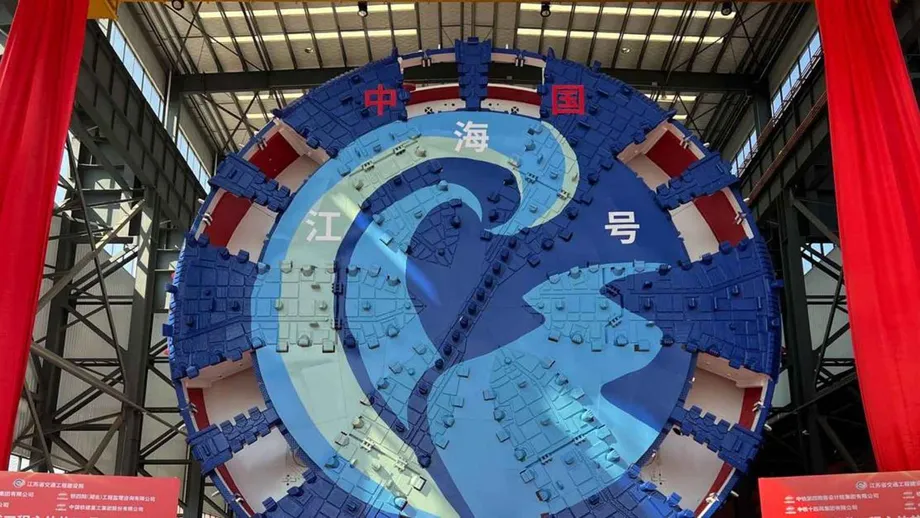
New rules reach machines, spare parts and technology
China will introduce export controls on tunnel boring machines, key components and selected construction equipment from November 18, 2026, creating new licensing requirements for exports to sensitive countries and regions that have disputes with Beijing. Shipments to other destinations will require registration and commitments against onward transfers without permission.
Contents
- New rules reach machines, spare parts and technology
- Which tunnel machines are covered?
- Walking excavators face performance thresholds
- High altitude concrete spraying equipment is included
- How will permission and registration work?
- Customs declarations become a key checkpoint
- Why overseas infrastructure projects are watching
- Drones and dredgers are part of a wider package
- How the latest measures fit the recent timeline
- Key Points
The measures, announced on October 19, extend beyond the giant machines that excavate tunnels for railways and other infrastructure. They also cover specified walking excavators, concrete spraying machines designed for high altitudes, and technologies used to rebuild or operate controlled equipment.
China accounts for roughly 70% of the global tunnel boring machine market, giving the rules potential consequences for construction projects far beyond its borders. India has already experienced customs clearance difficulties and delays importing Chinese machines for critical infrastructure projects.
The announcement establishes two routes for exports: a permit application for sensitive destinations with disputes with China, and registration to obtain an export certificate for other destinations. It also places obligations on organisations and individuals outside China that transfer equipment originating in China.
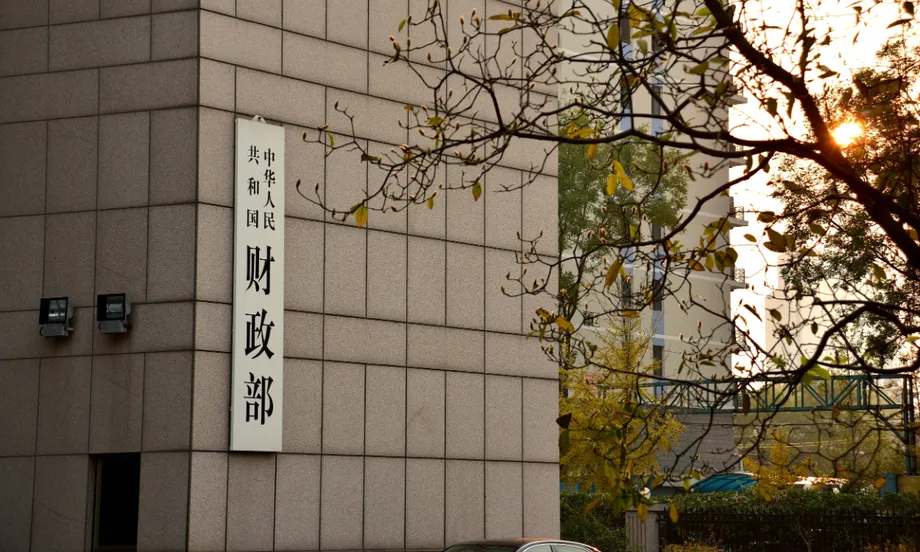
China's Ministry of Commerce said the measures were approved by the State Council to safeguard national security and interests. The legal basis includes the Export Control Law, Foreign Trade Law, Customs Law and Regulations on Export Control of Dual Use Items. China's control list for goods with civilian and military applications will be updated when the rules take effect.
Which tunnel machines are covered?
The announcement places full face tunnel boring machines under control code 2B906. These machines excavate the entire cross section of a tunnel as they advance, unlike equipment that removes rock or soil a small area at a time.
The list includes earth pressure balance shields, slurry balance shields and other shield machines. These use different methods to support the ground at the excavation face. It also covers open, single shield, double shield and other types of rock tunnel boring machines.
China has also listed specially designed components under code 2A906: cutting tools and cutterheads, screw conveyors, segment erectors, main drive systems and other key units. A cutterhead breaks into the ground; a screw conveyor removes excavated material; a segment erector positions the sections that form a tunnel's lining.
Remanufacturing technology specially designed for controlled machines or components falls under code 2E906. Remanufacturing means rebuilding used equipment to restore its working condition. The scope therefore reaches beyond complete machines to parts and technical knowledge needed to rebuild them.
The tunnel boring machine provisions list machine categories without setting minimum dimensions or power levels. Exporters will need to check the listed descriptions and control codes when identifying their goods, alongside the reference customs commodity numbers included in the announcement.
Walking excavators face performance thresholds
Walking excavators enter the controls under code 2B904 if they exceed any one of four performance thresholds. These machines use combinations of working equipment, support legs or wheels to move and excavate across difficult terrain.
- Crossing a vertical obstacle higher than 1.2 metres.
- Operating through water deeper than 1.5 metres.
- Crossing a trench wider than 3 metres.
- Climbing a slope steeper than 40 degrees while walking.
A machine needs to meet only one of these conditions to fall within this category. For example, an excavator able to cross a trench wider than 3 metres would qualify even if its water depth capability stayed below the stated threshold.
The rules also cover electrohydraulic proportional control technology specially designed for the hydraulic systems of these excavators, under code 2E904. In simple terms, this technology uses electrical commands to regulate hydraulic movement, allowing an operator to control how the machine moves and works.
High altitude concrete spraying equipment is included
China's controls on high altitude wet spraying machines use a different test. Under code 2B903, the equipment must be intended for use above 3,000 metres and have all the listed technical characteristics, rather than just one.
These machines pump mixed material, such as concrete, to a nozzle. Air and a setting accelerator help spray it onto a working surface. In tunnel construction, sprayed concrete can help support freshly excavated ground.
The controlled specifications require an engine with maximum power above 75 kilowatts and torque above 680 newton metres, an electric motor with maximum power above 55 kilowatts, and a pumping system with material intake efficiency above 95%. The machine must also have an air compressor delivering more than 15 cubic metres a minute and hydraulic oil suitable for operation at minus 20 degrees Celsius.
Specially designed parts are listed separately under code 2A903. They include high altitude engines meeting the stated power and torque thresholds, supplementary oxygen devices for engines, electric motors above 55 kilowatts, two stage air compressors above the specified output, high altitude chassis and folding booms.
Hydraulic and pumping technologies specially designed for controlled spraying machines fall under code 2E903. Manufacturers and suppliers therefore need to examine both the complete equipment and the individual parts or technologies they intend to export.
How will permission and registration work?
Exporters sending listed items to sensitive countries and regions that have disputes with China must apply to the State Council's commerce authority for permission. Those exports cannot proceed without a licence.
The announcement does not name the countries and regions in that category. India is among the countries affected by existing difficulties obtaining Chinese tunnel boring machines, while the new text defines its sensitive destination category without publishing a list.
Exports to all other countries and regions follow a registration process to obtain an export certificate. Both the exporter and the end user must promise that, without permission, they will not transfer or supply the listed goods originating in China to countries and regions that have disputes with China.
Organisations and individuals outside China face an explicit onward transfer restriction: they may not transfer or supply the covered goods originating in China to sensitive disputed destinations without permission. For a buyer abroad, that makes the equipment's next destination relevant as well as its initial purchase.
The Ministry of Commerce described the items as having both civilian and military uses. A ministry spokesperson said applications meeting legal requirements would be approved, and expressed willingness to discuss export control policies with relevant parties and maintain stable global industrial and supply chains.
Customs declarations become a key checkpoint
Chinese exporters must take responsibility for the truthfulness of their declarations and strengthen checks on whether their goods are controlled. For listed items, the remarks field on the customs declaration must identify them as dual use goods and include the relevant export control code.
Goods outside the controls but close to the listed parameters, indicators or performance levels also require specific information. Exporters must state that the goods are not controlled and provide their actual specifications. Equipment near a threshold will therefore require careful technical documentation even when it falls outside the category.
Customs may question declarations where the completeness, accuracy or truthfulness of the information is in doubt. The goods will remain unreleased while that questioning takes place. For construction projects awaiting a machine or replacement component, time spent resolving a declaration could affect delivery schedules.
A separate notice announced on October 19 introduces immediate checks on outbound dual use shipments. It calls for receipts and shipping records showing how goods moved, and reaches beyond conventional freight to cross border electronic commerce, passenger baggage, postal shipments and express couriers.
The two measures operate on different schedules. The separate shipment checks begin immediately, while the controls on the construction equipment described in the main announcement take effect on November 18.
Why overseas infrastructure projects are watching
China's roughly 70% share of the global tunnel boring machine market means many overseas buyers depend on Chinese production. China Railway Engineering Equipment Group is among its leading manufacturers, with shield products used in 36 countries, including Denmark and France. Germany's Herrenknecht AG is a leading competitor.
India's existing customs clearance problems make the announcement especially relevant to its infrastructure sector. Tunnel boring machines are major pieces of equipment around which excavation schedules are planned. A delay in receiving a machine can postpone the start of tunnelling, while a delayed component can affect work already under way.
The inclusion of cutterheads, main drives and remanufacturing technology gives the controls a reach that lasts beyond the original sale. A project using a Chinese machine may need to consider future replacement parts and rebuilding work, alongside the paperwork for importing the machine itself.
Buyers and suppliers will need to establish the equipment's control category, destination, end user and any intended onward transfer. The practical effect on each shipment will depend on those details and the applicable permission or registration process.
Drones and dredgers are part of a wider package
China also announced controls on additional drone types, their parts and technologies, alongside adjustments to controls on dredgers and related equipment. The dredger measures include components such as mud pumps and cutterheads.
Dredgers remove material from the beds of rivers, harbours and other waterways. They support commercial construction and can also be used to build naval facilities. Tunnel boring machines similarly serve civilian infrastructure while also being capable of excavating passages for fortified military facilities.
China produces dredgers in large volumes. Netherlands based Royal IHC is among the competitors in that market. The Ministry of Commerce presented the construction equipment and dredger changes in two separate announcements, with implementation set for November 18, 2026.
The ministry said it had informed countries participating in export control discussions with Beijing. Its explanation centred on the equipment's civilian and military applications and China's stated national security interests, while keeping a route open for trade that meets its requirements.
How the latest measures fit the recent timeline
Beijing's October announcements follow other restrictions and proposals affecting goods and technology. China has placed limits on rare earth exports, and in June barred exports of dual use goods to 10 United States entities, including drone makers Teal Drones and Jaia Robotics.
A technology proposal announced shortly before the machinery controls covers 40 advanced technologies, including certain solar manufacturing technologies and artificial intelligence platforms. Five biomedical technologies were also proposed for export controls, with a public consultation lasting one month.
- June 2026: China barred dual use exports to 10 United States entities, including two drone manufacturers.
- October 16, 2026: A public consultation lasting one month began on proposed controls covering five biomedical technologies.
- October 19, 2026: China announced the construction equipment controls and changes affecting dredgers, alongside additional drone controls. Separate outbound shipment checks took immediate effect.
- November 18, 2026: The new construction equipment controls and adjusted dredger measures take effect, with the dual use control list updated accordingly.
The technology consultation gives businesses an opportunity to respond to a proposal. The construction equipment announcement sets a firm implementation date, giving exporters and buyers a month from publication to prepare classifications, technical records and destination information.
For companies supplying overseas construction sites, the immediate task is concrete: identify covered machines, parts and technology, determine the required export route, and document the intended recipient and destination. The rules connect those decisions to future transfers as well as the first shipment from China.
Key Points
- China's new controls take effect on November 18, 2026, covering tunnel boring machines, specified construction equipment, components and technology.
- Exports to sensitive countries and regions with disputes with China require permission; other destinations require registration and an export certificate.
- Restrictions on onward transfers also apply to organisations and individuals outside China handling covered goods originating in China.
- Walking excavators qualify by exceeding any one listed performance threshold. High altitude spraying machines must meet all the stated conditions.
- China holds roughly 70% of the global tunnel boring machine market, and India has already experienced delays importing Chinese machines.
- Customs can hold shipments while questioning declarations. Separate checks on outbound dual use shipments began immediately on October 19.