Water and Transport Lead the Development Agenda
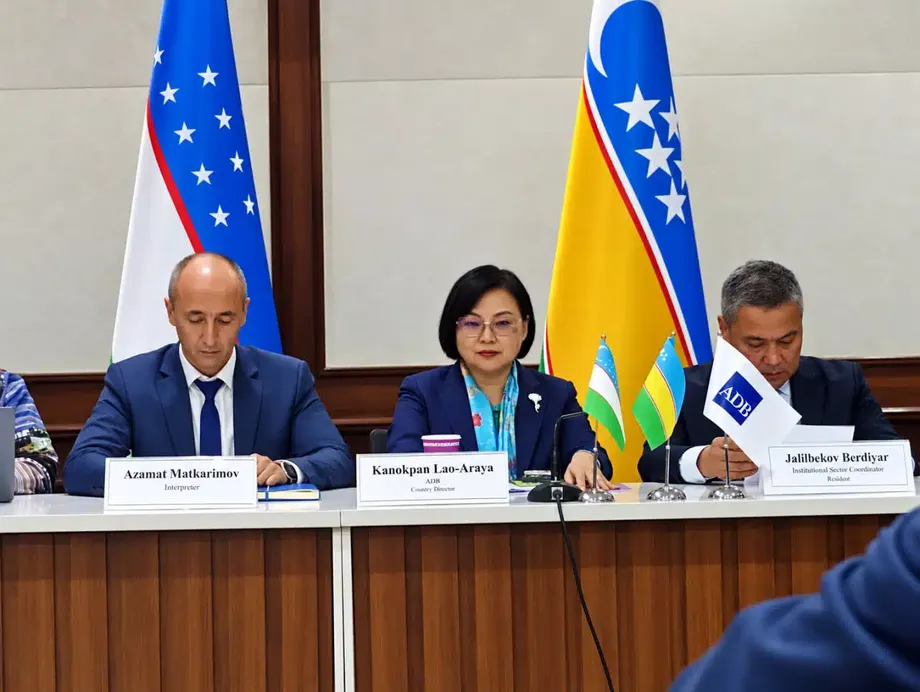
The Asian Development Bank has more than $780 million in active sovereign operations in Karakalpakstan, with drinking water, the A380 highway and renewable energy at the centre of its development priorities. At the opening of ADB Days on October 14 at Berdakh Karakalpak State University in Nukus, bank representatives and regional officials discussed investments intended to connect communities, improve essential services and strengthen the region's ability to cope with environmental pressures.
Contents
- Water and Transport Lead the Development Agenda
- A Regional Strategy Awaits Further Discussion
- What the Water Project Would Deliver
- The A380 Connects Local Roads to Regional Trade
- A $293.7 Million Highway Modernisation Package
- Safety and Earlier Road Investment
- Wind Power With Storage for Later Use
- Land, Dust and Public Services Are Also Priorities
- The Dates Behind the Investment Programme
- Key Points
Two projects show the scale of that work: a water supply programme backed by a $145 million ADB loan is intended to reach approximately 388,000 residents, while the Nukus-2 energy project combines a wind farm with battery storage. Highway investments aim to improve access to markets within Uzbekistan and across its borders.
ADB Country Director for Uzbekistan Kanokpan Lao-Araya highlighted more than two decades of investment in Karakalpakstan and said many projects were delivering tangible results and creating opportunities for growth and resilience. The priorities now extend beyond building infrastructure to improving how roads, water systems, businesses and public services work together.
A Regional Strategy Awaits Further Discussion
ADB and the Karakalpakstan government are due to discuss a draft Social and Economic Development Strategy and sign an updated memorandum of understanding to guide future cooperation. The draft puts the A380 highway at the centre of efforts to link settlements, industrial centres and markets, while addressing unequal access to essential services.
The recommendations include modernising irrigation canals, improving healthcare and vocational education, expanding logistics infrastructure and supporting local businesses. The strategy also identifies tourism, agricultural processing and renewable energy as areas with development potential, alongside a proposed logistics hub in Kungrad.
No date was given for completing the strategy discussions or signing the updated memorandum. The recommendations remain proposals, while the bank's active portfolio covers transport, water infrastructure, energy and social development. Sovereign operations generally involve financing provided to, or guaranteed by, a government.
What the Water Project Would Deliver
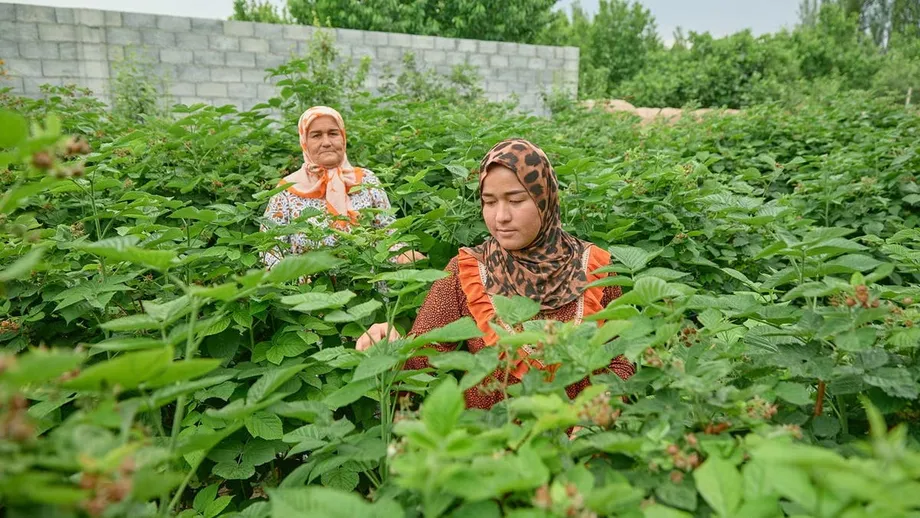
The Western Uzbekistan Water Supply System Development Project is supported by a $145 million ADB loan and is intended to improve drinking water access for approximately 388,000 people across six districts and 116 rural settlements. Its scope reaches from treatment plants to the local networks that carry water into communities.
The planned works include constructing or reconstructing three water treatment plants, approximately 300 kilometres of main pipelines, 28 water distribution centres and around 900 kilometres of distribution networks. Together, the main pipelines and local networks amount to about 1,200 kilometres of pipes, with the local distribution networks making up roughly three quarters of that length.
The different parts have distinct jobs. Treatment plants make water suitable for drinking; main pipelines move it over longer distances; distribution centres and smaller networks help deliver it across settlements. Building these parts as a connected system is central to reaching communities spread across a large area.
Drinking water supply also sits alongside a separate priority: modernising irrigation canals. Drinking water systems serve household needs, while irrigation channels carry water to farmland. Karakalpakstan's development agenda addresses both, linking daily living conditions with the water infrastructure needed for agriculture.
The A380 Connects Local Roads to Regional Trade
The Guzar–Bukhara–Nukus–Beyneu highway, known as the A380, links Uzbekistan with Kazakhstan and wider regional trade routes. It forms part of Central Asia Regional Economic Cooperation Corridor 2, a transport network connecting Afghanistan, Kazakhstan, Russia, Tajikistan, Turkmenistan and Uzbekistan.
For Karakalpakstan, the strategy places that route within a broader economic plan. Better links between settlements, industrial centres and markets are intended to make it easier to move people and goods. The proposed Kungrad logistics hub would complement that approach by providing a place to organise freight movements and related services.
The regional strategy also identifies agricultural processing as an opportunity. Processing turns agricultural products into goods ready for sale or further production. Its inclusion alongside roads and logistics reflects the practical connection between producing goods locally and getting them to customers.
A $293.7 Million Highway Modernisation Package
A highway investment reported on September 1, 2025, provides a more detailed picture of the A380 plans. The CAREC Road Corridor 2 Resilience and Modernization Project has a total cost of $293.7 million, comprising a $233.1 million ADB loan and a $60.6 million government contribution. Those figures put ADB's share at approximately 79% and the government's at about 21%.
The project will upgrade 87 kilometres of highway: a new bypass of 75 kilometres between Turtkul, Ellikkala and Beruniy, plus reconstruction of 12 kilometres of the existing A380. The bypass therefore accounts for about 86% of the planned route length.
The design includes concrete pavement, elevated embankments and drainage systems intended to help the road withstand extreme weather. Intelligent transport systems will use technology to monitor and manage traffic. Weigh-in-motion equipment will measure vehicle loads as traffic passes, supporting enforcement of axle load limits and helping reduce damage from overloaded vehicles.
Five rest and service areas are also planned, with facilities designed for women's safety and accessibility, along with provision for electric vehicle charging. These features extend the project beyond the road surface to the places where drivers and passengers stop during a journey.
Safety and Earlier Road Investment
ADB's road work also includes an earlier national package. A $273.85 million loan reported on February 23, 2022, covered about 106 kilometres between Derbent and Denau in Surkhandarya region and completion of reconstruction on about 87 kilometres of the A380. The 2022 package and the project described in September 2025 have different financing totals and scopes; their matching A380 distance should be understood within those separate project descriptions.
The earlier package included concrete pavement intended to require less maintenance, improved junctions, bus stop shelters, pedestrian facilities, clearer signs and other safety features. Two weigh-in-motion systems were planned near Derbent and Denau. At the time, Uzbekistan's annual road fatality rate was reported at 11.2 deaths per 100,000 people, giving the safety measures a concrete public health context.
A $150,000 technical assistance grant accompanied that investment to support women entrepreneurs recovering from the economic effects of COVID-19. Training covered financial literacy, online marketing and entrepreneurship, connecting the transport programme with support for businesses in project communities.
Lao-Araya, ADB's country director for Uzbekistan, described the purpose of the newer highway project in terms of infrastructure, technology and everyday travel:
"By integrating climate-resilient infrastructure and intelligent transport systems, the project will ensure long-term sustainability and deliver safer and more efficient mobility for communities and businesses," she said.
Wind Power With Storage for Later Use
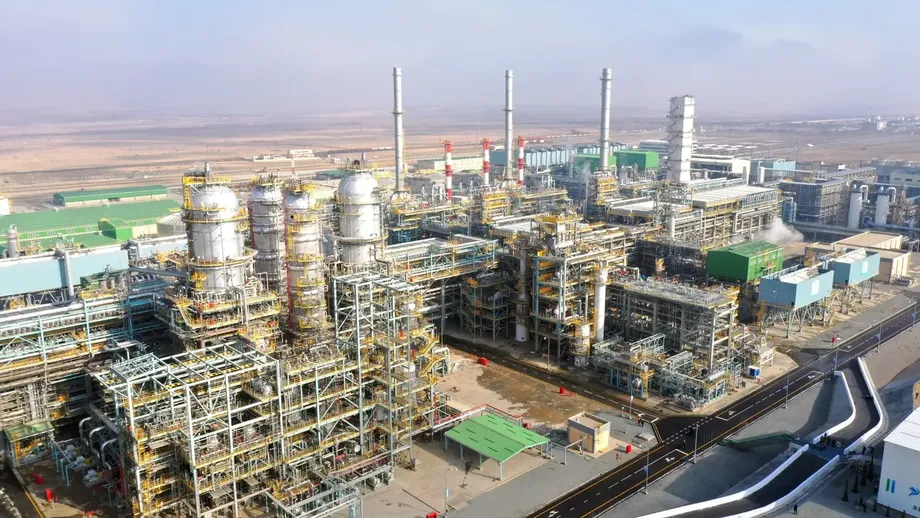
ADB is also supporting Nukus-2, a renewable energy project combining a wind farm with a capacity of 200 megawatts and a battery storage system with a capacity of 100 megawatt-hours. The facility is expected to enter operation in the fourth quarter of 2026, meaning October through December.
The two measurements describe different things. Megawatts measure how much power a facility can produce at a particular moment. Megawatt-hours measure an amount of energy, including how much a battery can store. Battery storage allows some electricity generated at one time to be used later, helping manage the changing output of wind generation.
The project brings electricity generation and storage into the same regional development agenda as water supply and transport. Lao-Araya said ADB would continue supporting Karakalpakstan in water security, climate resilience, infrastructure development, the energy transition and economic opportunities.
Land, Dust and Public Services Are Also Priorities
The draft strategy includes restoring degraded land, establishing protective green belts around Nukus and improving monitoring of dust pollution and water scarcity. These measures place environmental conditions alongside the region's investment needs, rather than treating development solely as a matter of roads and construction.
Monitoring has a practical role: measurements of dust and water availability can help authorities identify where pressures are greatest and track changes. Land restoration and protective planting address conditions on the ground, while better information can guide where action is needed.
Healthcare and vocational education appear in the same set of recommendations. Vocational education teaches practical skills for particular occupations. Together with support for local businesses, these priorities reflect a strategy that connects physical infrastructure with people's ability to work, access services and take part in the regional economy.
The Dates Behind the Investment Programme
The investment agenda spans several years. Earlier road financing, the newer A380 package and the expected opening of Nukus-2 form distinct stages, while ADB Days provides a forum for discussing current projects and future cooperation.
- February 23, 2022: A $273.85 million ADB loan was reported for national road upgrades, including works between Derbent and Denau and on the A380.
- September 1, 2025: A $233.1 million ADB loan was reported for the CAREC Road Corridor 2 Resilience and Modernization Project.
- October 14 to 16: ADB Days in Karakalpakstan includes discussions and project visits covering water infrastructure, transport and renewable energy.
- Fourth quarter of 2026: Nukus-2 is expected to begin operation.
The October discussions bring these investments into a regional framework. The central task is to connect major projects with local needs: water reaching rural settlements, roads serving communities and businesses, and energy investment supporting the transition to renewable generation.
Key Points
- ADB's active sovereign operations in Karakalpakstan exceed $780 million across transport, water, energy and social development.
- A $145 million water project aims to improve drinking water access for approximately 388,000 residents in six districts and 116 rural settlements.
- The newer A380 package totals $293.7 million and covers a bypass of 75 kilometres plus reconstruction of 12 kilometres of existing road.
- Nukus-2 combines 200 megawatts of wind generation with 100 megawatt-hours of battery storage and is expected to open in the fourth quarter of 2026.
- A draft regional strategy proposes irrigation improvements, better public services, environmental measures and a logistics hub in Kungrad.