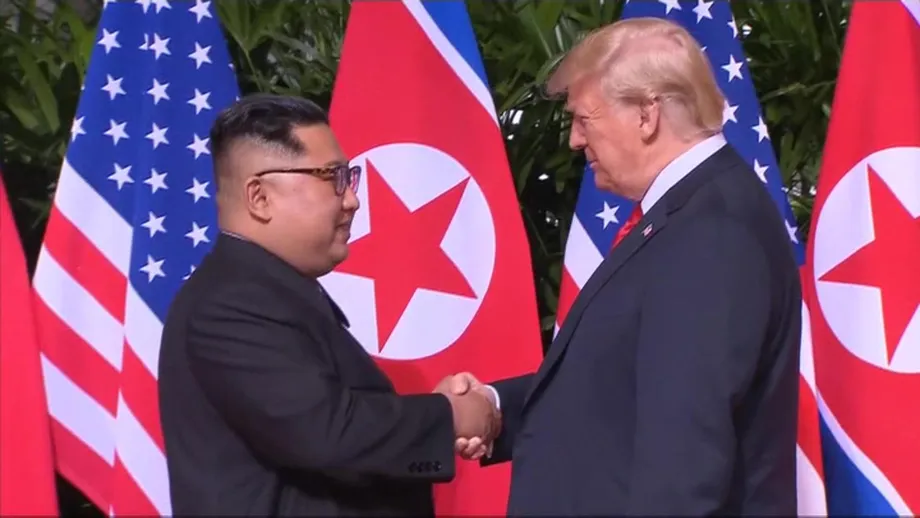
A possible fourth meeting after seven years apart
US President Donald Trump has raised the possibility of meeting North Korean leader Kim Jong Un during a November Asia trip centered on the Asia-Pacific Economic Cooperation summit in Shenzhen, China. His comments on October 12, 2026, renewed an invitation to resume personal diplomacy, but neither government has announced a meeting, a venue or an agreed agenda.
Contents
- A possible fourth meeting after seven years apart
- What is scheduled for the November trip?
- Seoul sees possibility, not concrete progress
- The nuclear dispute has not been resolved
- China may help, but its role is unconfirmed
- Military exercises were shortened in August
- Pyongyang puts its weapons on display
- How the diplomacy reached this point
- Political timing and informal contacts
- Key Points
The prospect would bring together two leaders who last met at Panmunjom in June 2019. Their three encounters during Trump's first presidency produced a commitment to work toward denuclearization, but no agreement that dismantled North Korea's nuclear weapons program. More than seven years later, the central dispute is sharper: Kim rejects further denuclearization discussions, while the US State Department continues to identify denuclearization as a goal.
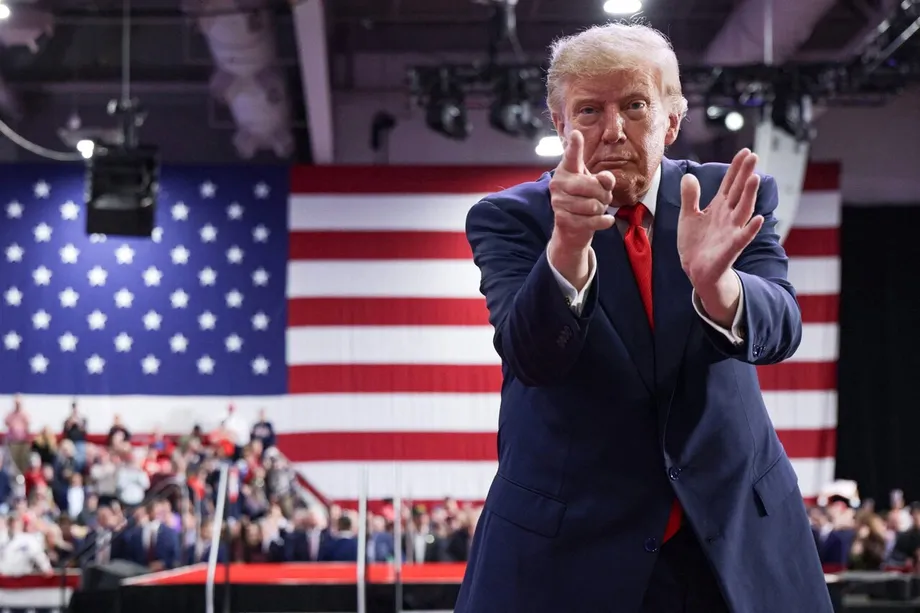
Trump, speaking to reporters at the White House before departing for Ohio, was asked whether he planned to meet Kim during the trip. He answered:
I may, yeah. That'll be exciting, won't it? But I get along with him.
The wording left room for a meeting without indicating that one was being arranged. South Korea's ambassador to Washington, Kang Kyung-wha, separately said there were no concrete signs of renewed dialogue, although she considered a meeting possible.
North Korea has given no public response to the latest invitation. Instead, developments around Trump's remarks included a missile test and publicity surrounding a new weapons museum displaying the Hwasong-20 intercontinental ballistic missile. Those events show the military capabilities Pyongyang is presenting while Washington seeks another opening for talks.
What is scheduled for the November trip?
The most consistently reported dates for the Shenzhen APEC leaders' meeting are November 18 and 19. Several other accounts describe the broader summit schedule as November 17 to 19. The distinction matters for travel planning, but neither version establishes a date for a Trump-Kim encounter.
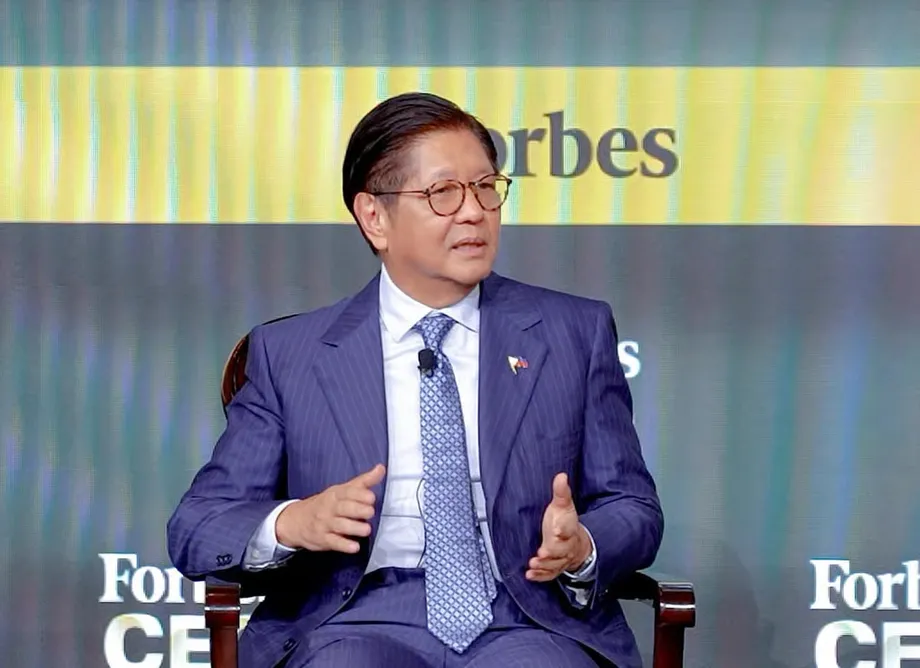
Reports also place Trump at the Association of Southeast Asian Nations summit in Manila, in the Philippines, on November 16, before his China visit. Some describe that stop as scheduled, while another says he may attend. Trump is also expected to meet Chinese President Xi Jinping in China, in what would be their third meeting of the year.
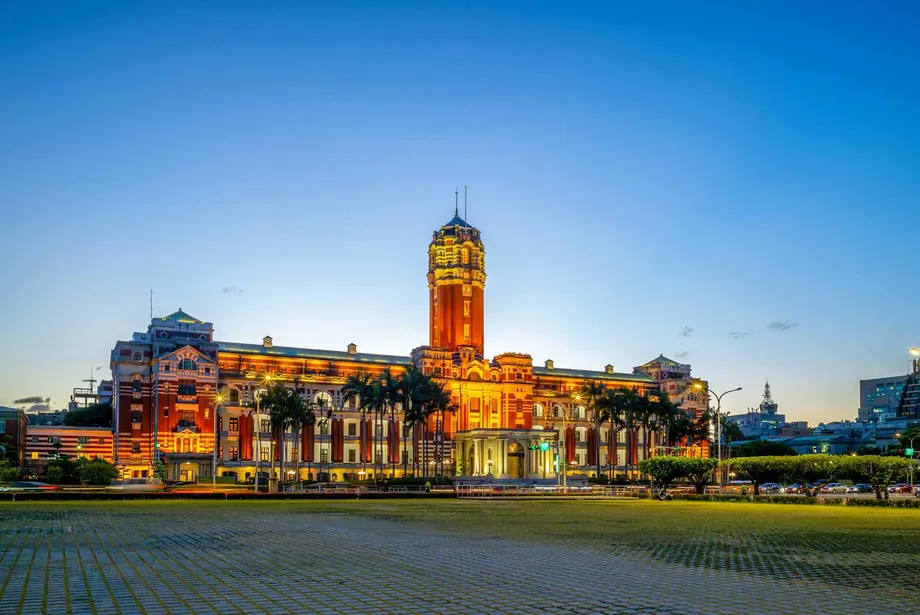
APEC provides a potential opportunity because Trump will already be in the region. It does not establish that Kim will attend the gathering or that any bilateral meeting would take place inside the summit venue. China, another country and even Pyongyang have been discussed as possible locations, but no choice has been announced.
A visit to Pyongyang would be the first by a sitting US president. It would not be Trump's first entry into North Korean territory: he briefly crossed the border at Panmunjom in 2019. For now, a visit to the capital is speculation rather than a disclosed part of the itinerary.
Seoul sees possibility, not concrete progress
Kang's assessment draws an important distinction between a president's willingness to meet and evidence that both sides are preparing to do so. Her remarks indicated that South Korea had not identified concrete signs of a resumption, even as Trump continued to describe his relationship with Kim positively.
There is a recent precedent for an invitation going unanswered. During last year's APEC gathering in South Korea, Trump also sought a meeting, but North Korea did not respond and no encounter took place. That experience limits what can be inferred from another public invitation ahead of a regional summit.
Trump said in August that he hoped to meet Kim later in the year. Reports also described instructions to aides to pursue a summit as early as autumn and private discussion of a meeting around the November APEC gathering. Formal summit preparations had not begun at the time of those August reports.
On Saturday before his latest White House remarks, Trump again referred to Kim at an Ohio campaign rally. The president said he "gets along great" with the North Korean leader while discussing relations with leaders of countries possessing nuclear weapons. The repeated messages demonstrate sustained interest from Trump, but they do not establish reciprocal interest from Kim.
The nuclear dispute has not been resolved
The largest obstacle is the purpose of any new negotiations. Kim's position is that North Korea will no longer discuss giving up its nuclear arsenal. The State Department still refers to denuclearization, while Trump and the White House have been promoting the possibility of dialogue without preconditions.
Talks without preconditions would mean the sides could meet without first accepting an agreed negotiating outcome. That is different from Washington accepting North Korea as a nuclear weapons state. No announcement in these reports says the United States has made that policy change.
State Department spokesperson Tommy Pigott said Trump does not regard talks with North Korea as a concession and is willing to engage when doing so serves US national interests. That position presents a meeting as a diplomatic instrument, rather than a reward that Washington must withhold.
Reports citing an unnamed person familiar with the issue suggest Kim could demand sanctions relief and recognition of North Korea's nuclear status as conditions for returning to dialogue. Those are possible demands, not a negotiating position newly announced by Pyongyang. They nevertheless point to a substantial gap between opening a conversation and agreeing on its objectives.
The 2019 Hanoi summit illustrates that gap. Trump and Kim met but left without an agreement on nuclear restrictions and sanctions relief. A fourth meeting could restore direct communication, yet the previous encounters show that personal rapport alone does not settle the terms of a nuclear bargain.
China may help, but its role is unconfirmed
China's potential involvement gives the Shenzhen trip another dimension. Reports say support for a possible Trump-Kim meeting gained momentum after Trump and Xi met in Beijing in May. A White House envoy reportedly visited Shenzhen and Hangzhou in mid-August to examine possible locations with a North Korea summit in mind.
Separate reports say the Korean Peninsula was discussed at a US-China summit in September. They suggest Trump may have asked Xi to help bring Kim back to talks, but the reported discussion does not confirm that a specific request was made or that China secured North Korean agreement.
These accounts concern different stages of possible diplomatic activity: discussions between presidents, visits to potential venues and efforts to encourage participation. None is equivalent to a summit announcement. Kang's statement that there were no concrete signs of renewed dialogue can therefore coexist with reports of exploratory work.
China could provide a location or help convey messages, but Kim would still have to agree to attend. There is no announced Chinese guarantee, no joint statement setting out a meeting and no disclosed agreement on what the leaders would discuss.
Military exercises were shortened in August
Trump's outreach has also included a reported reduction in annual US-South Korean military exercises. In August, he said their cost and the signal they sent to Pyongyang were reasons to reduce them, linking his decision to what he described as a good relationship with Kim.
In a statement posted on Truth Social, Trump said it was too late to cancel the exercises and that he had instructed Pete Hegseth to shorten them. The president's stated rationale combined spending concerns with a desire to avoid a message he considered hostile to North Korea.
The Ulchi Freedom Shield exercise reportedly ended on August 21 after five days rather than the usual 11. On those figures, the exercise ran for six fewer days, a reduction of about 55 percent. It ended nearly a week earlier than planned.
Ulchi Freedom Shield involves command simulations and field maneuvers designed to prepare US and South Korean forces for contingencies on the peninsula. Shortening it was therefore a change to an existing military activity, not just another statement of interest in diplomacy.
The reduction has been interpreted as a conciliatory gesture toward Kim. There is no disclosed North Korean commitment in exchange, however, and Pyongyang's subsequent weapons activity does not establish that the gesture produced progress toward a summit.
Pyongyang puts its weapons on display
Kim attended the opening of the Defence Revolution Museum on October 11 with his wife, Ri Sol Ju, and his daughter, known as Ju Ae. North Korean state media published coverage on October 13, a day after Trump's comments about a possible meeting.
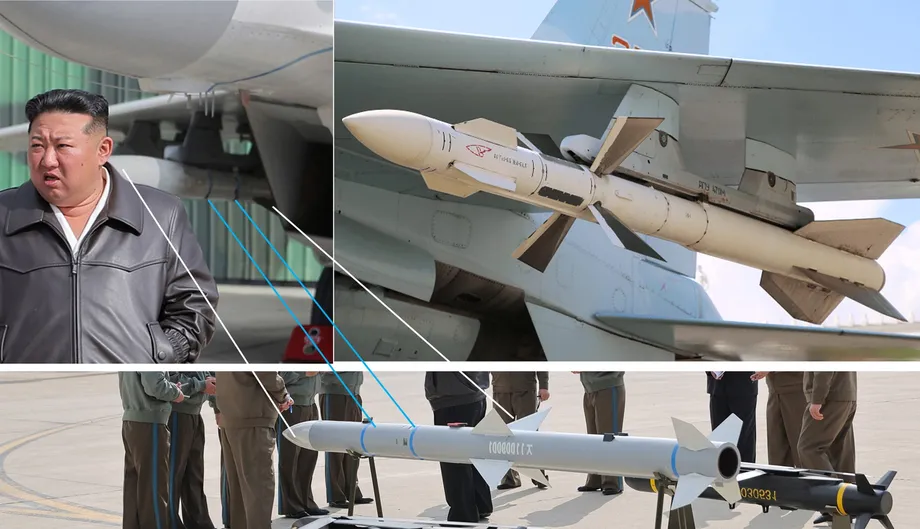
The museum displayed drones and the Hwasong-20 intercontinental ballistic missile, among other weapons developed under Kim. An intercontinental ballistic missile, or ICBM, is designed to carry a warhead over very long distances, potentially between continents. The display presented North Korea's ability to threaten targets far beyond the peninsula.
Shin Jong-woo, secretary general of the Korea Defence and Security Forum, said a display in front of the Hwasong-20 launcher appeared to depict a multiple warhead design and a world map showing ranges extending beyond the US mainland. He interpreted the exhibition as both a celebration of weapons development and a message before possible diplomacy:
It gave the impression of propaganda aimed at gaining a strategic advantage ahead of a potential North Korea-US summit.
Lim Eul-chul, a professor at Kyungnam University's Institute for Far Eastern Studies, said converting temporary weapons exhibitions into a permanent museum presented Kim's military achievements as a lasting legacy. These interpretations concern the purpose of the display, not independent verification of every capability it depicted.
North Korea also said it tested a tactical ballistic missile on Monday, October 12, to verify an upgrade to an unspecified component. South Korea's military reported multiple ballistic missile launches toward waters off the east coast, describing the activity as Pyongyang's fourth launch in a month.
Reports differ on the timing: some shorter accounts place launches on Tuesday, while the more detailed account dates the test and South Korean military report to Monday. They do not establish whether that difference reflects separate events or inconsistent dating. No technical details were given for the component North Korea said it had upgraded.
Trump had also referred on October 3 to North Korea possessing 112 nuclear missiles. That figure should be treated as his assertion, not a verified inventory. The reports offer no supporting assessment or explanation of how the number was calculated.
How the diplomacy reached this point
The proposed meeting would resume a sequence that began in 2018 and stopped the following year. The key dates show both the earlier diplomatic breakthrough and the absence of a completed nuclear agreement:
- June 2018: Trump and Kim met in Singapore and agreed to work toward complete denuclearization of the Korean Peninsula.
- February 2019: Their second summit, in Hanoi, ended without an agreement.
- June 2019: They met at Panmunjom, where Trump briefly crossed into North Korea.
- August 2026: Trump expressed interest in another meeting, while reports described exploratory activity and instructions to aides.
- October 11 to 13, 2026: Kim opened the weapons museum, Trump renewed his invitation, and North Korean weapons activity was reported.
- November 16 to 19, 2026: Trump's reported regional itinerary includes Manila and Shenzhen, providing a possible window for an encounter.
Singapore made Trump the first sitting US president to meet a North Korean leader. Panmunjom added another historic first, his entry into North Korean territory. Neither event delivered the denuclearization agreement Washington had sought, and negotiations later stalled while North Korea continued developing its nuclear and missile programs.
Political timing and informal contacts
The November trip is expected to follow the US midterm elections. Some reports suggest Kim might view a Republican defeat as an opportunity to seek favorable terms from a politically weakened Trump, including sanctions relief or recognition of North Korea's nuclear status. That is a possible scenario, not an announced North Korean strategy.
Trump has recently appeared at Texas events with former NBA player Dennis Rodman, whose longstanding contact with Kim has prompted speculation about an informal communication channel. Rodman first visited North Korea in 2013 and made four further visits through June 2017.
Rodman's relationship with Kim gives those appearances diplomatic interest, but there is no disclosed message carried by him, no invitation accepted through him and no announced role in arranging the November meeting. His public presence should not be mistaken for proof of summit preparations.
The next scheduled milestones are the reported Manila stop on November 16 and the Shenzhen gathering later that week. Before then, the decisive missing development is a response from Pyongyang or an announcement of mutually agreed arrangements. A venue, negotiating agenda and any conditions for participation remain undisclosed.
Key Points
- Trump said on October 12 that he may meet Kim during his November Asia trip.
- Neither Washington nor Pyongyang has announced a summit, and South Korea reports no concrete signs of renewed dialogue.
- The Shenzhen APEC leaders' meeting is reported for November 18 and 19, with some accounts giving a broader November 17 to 19 schedule.
- Kim rejects further denuclearization discussions, while the US State Department continues to cite denuclearization as a goal.
- Reports of Chinese assistance, venue visits and informal contacts do not establish North Korean agreement.
- North Korea publicized a weapons museum and reported a missile test around the time of Trump's latest invitation.
- A new encounter would be the fourth between Trump and Kim and their first since June 2019.