A 44.1 Trillion Won Case Reaches Parliament
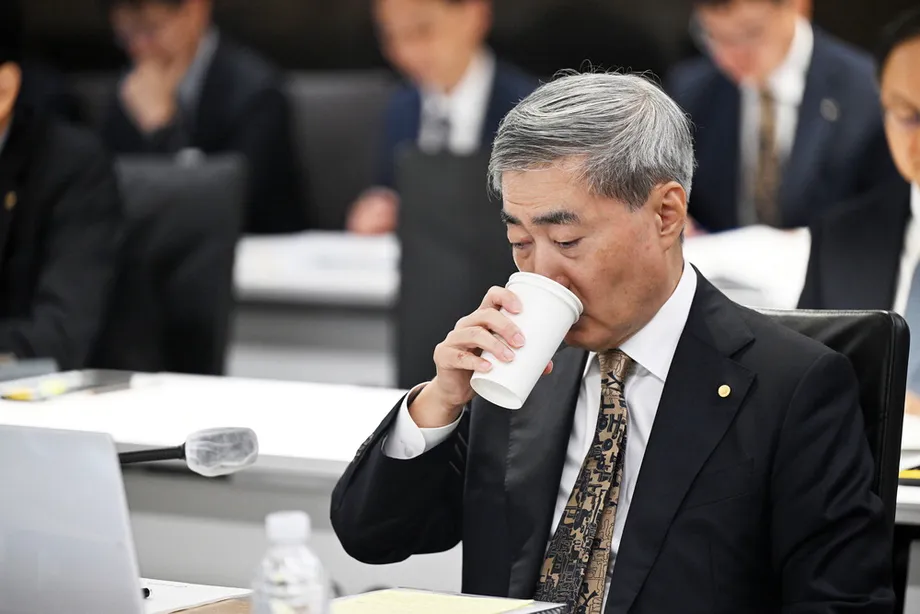
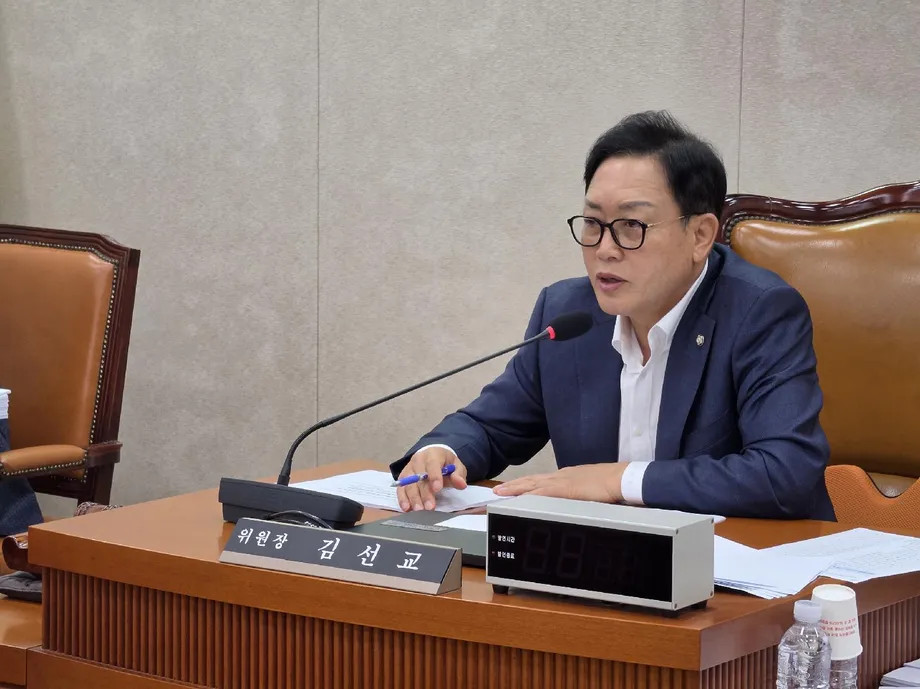
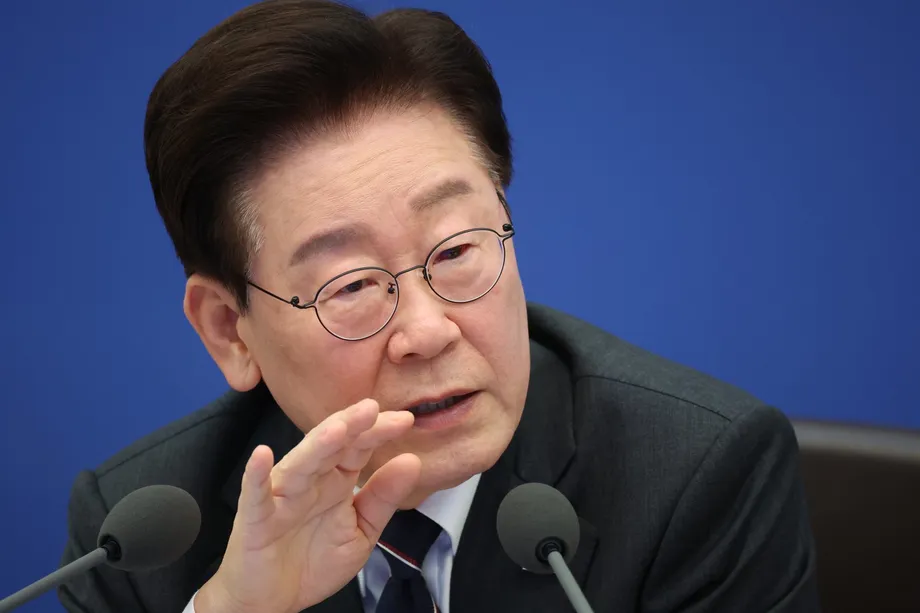
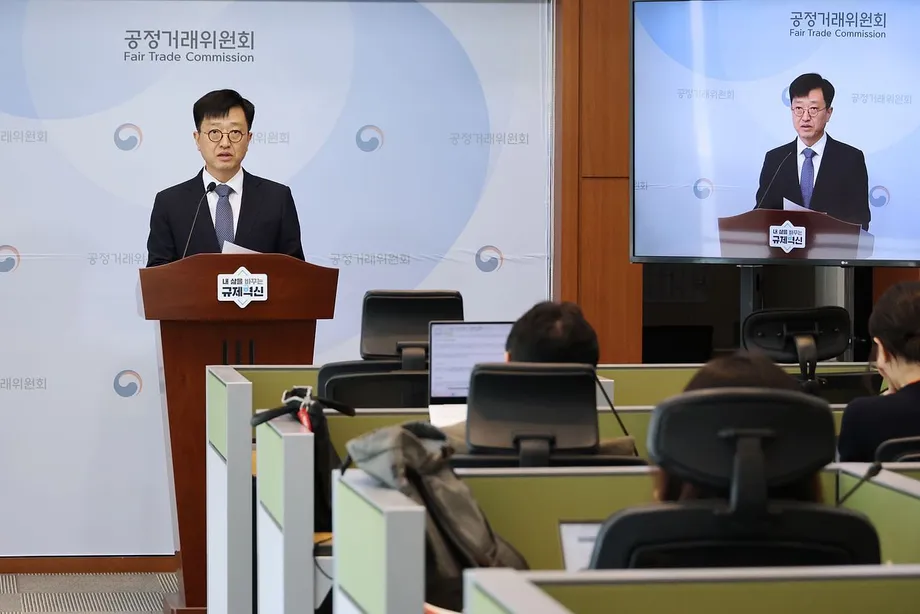
South Korea's fuel pricing dispute has moved beyond what drivers pay at the pump to whether taxpayers could compensate refiners for losses calculated using prices inflated by alleged collusion. At an October 12, 2026, National Assembly audit, lawmakers questioned executives from the country's four major refiners, five days after the Fair Trade Commission (FTC) opened deliberations in a case involving 44.1 trillion won in related sales.
Contents
- A 44.1 Trillion Won Case Reaches Parliament
- What Investigators Say Was Shared
- Why the Companies Dispute the Case
- Different Investigations, Different Totals
- Apologies After Messages About War Profits
- Could Compensation Cover Inflated Prices?
- The Contracts Behind Gas Station Prices
- Promises on Compliance and Fuel Pump Screens
- The Evidence Test and the Next Steps
- Key Points
The allegations concern SK Energy and HD Hyundai Oilbank. FTC investigators say the companies exchanged pricing information from February 2022 through March 2026 and agreed on specific supply prices twice in March. Their combined share of the domestic gasoline, diesel and kerosene market was 49.1% in 2025. Neither a violation nor a penalty has been finally determined.
Representatives of GS Caltex and S-Oil also appeared before the National Assembly's Political Affairs Committee. Although those companies were investigated, the FTC did not include them in the proposed sanctions because their participation in the alleged price collusion was not established.
The hearing brought together three connected issues: possible coordination between competitors, contracts that restrict gas stations' purchasing choices, and government compensation under a petroleum price cap. Executives apologized for the public's fuel costs and promised changes, while lawmakers sought evidence that earlier commitments had actually changed business practices.
What Investigators Say Was Shared
On October 7, the FTC secretariat submitted its review report to the commission and sent it to SK Energy and HD Hyundai Oilbank. The document contains investigators' findings and recommendations for corrective orders and fines. It begins the deliberation process, rather than establishing guilt.
The alleged exchanges covered provisional supply prices, final prices and sales policies, including discounts, for gasoline, diesel and kerosene. Investigators say the exchanges continued for roughly four years, beginning shortly before Russia's invasion of Ukraine. They separately allege two agreements on specific supply prices in March 2026 amid the conflict between the United States and Iran.
The distinction matters because most of the FTC's 44.1 trillion won sales estimate relates to the period of alleged information exchange, rather than the two alleged price agreements. The figure is neither a fine nor a calculation of improper profits or consumer losses.
The FTC's investigators classified the alleged conduct as a serious violation of the Monopoly Regulation and Fair Trade Act's rules against price fixing and prohibited information exchange. Under the cited penalty guidelines, a fine can reach 10.5% of relevant sales. Applying that rate to 44.1 trillion won produces a theoretical combined maximum of 4.6305 trillion won. The final amount could be substantially lower, depending on the conduct, period and sales recognized during deliberations.
Why the Companies Dispute the Case
The refiners argue that investigators have treated ordinary market information and established trading practices as evidence of collusion. Their central defense is that provisional prices were already communicated to customers, circulated among station owners and shared only after each company had independently decided its prices.
HD Hyundai Oilbank denies that the exchanges influenced its pricing decisions. It also disputes the alleged March agreements, saying that finding rests on statements from an official at a rival company. SK Energy says it will explain the facts and its position during the FTC proceedings.
The industry also points to similar costs and international petroleum prices as reasons competitors' prices can move together. Parallel price movements alone do not explain whether companies independently responded to the same market conditions or coordinated their decisions. The proceedings must examine the exchanges and the evidence behind the alleged agreements.
Another part of the defense concerns a 2020 asset transfer. SK Networks transferred roughly 200 company operated gas stations, other business assets and related staff to HD Hyundai Oilbank. Industry arguments suggest some communications were routine contact between former colleagues. That explanation does not settle the legal question, but it forms part of the dispute over how investigators should interpret the messages.
Different Investigations, Different Totals
The FTC and prosecutors have presented different periods and financial totals. Prosecutors reportedly examined information exchanges from July 2024 through February 2026, followed by coordination over the timing and size of supply price increases in March. The FTC's alleged information exchange period starts earlier, in February 2022.
Prosecutors identified 14.2 trillion won in transactions directly connected to alleged price fixing between SK Energy and HD Hyundai Oilbank. A broader estimate of 26 trillion won included the competitive effects of GS Caltex and S-Oil following price increases. The FTC calculated 44.1 trillion won in related sales, largely covering the longer information exchange period. These figures measure different things and should not be added together.
Reports differ over the description of July criminal proceedings. One account describes all four refiners as indicted under the Fair Trade Act, but also says the following of competitors' price increases was excluded from criminal charges. Another distinguishes price collusion charges against SK Energy and HD Hyundai Oilbank from charges against GS Caltex and S-Oil concerning supply contracts and settlement practices. Other accounts say GS Caltex and S-Oil were excluded from price collusion allegations.
The consistent distinction is that GS Caltex and S-Oil are outside the current FTC price collusion sanction proposal. That does not establish the status of every separate allegation concerning their distribution contracts.
The FTC has also explained that its investigation and the criminal investigation were independent, with potentially different evidence and standards for establishing a violation. The larger administrative sales estimate is therefore not, by itself, proof that prosecutors understated consumer harm.
Apologies After Messages About War Profits
Democratic Party lawmaker Min Byeong-deok challenged the refiners over employee messages that appeared to celebrate the commercial opportunities created by war. The messages cited at the audit included references to raising prices by another 100 won and making 2 trillion won in a year.
Min also questioned why domestic fuel prices appeared to rise quickly when international prices increased but decline more slowly when they fell. He asked whether refiners should immediately charge more for fuel produced from crude imported before the conflict. Those were parliamentary challenges to pricing practices, not findings that a particular increase was unlawful.
HD Hyundai Oilbank chief executive Song Myeong-jun apologized for consumers' costs during the surge. He told the committee:
I am sorry for the burden the public must have felt when oil prices surged.
S-Oil vice president Lee Geon-myeong also apologized, referring to the burden following the Strait of Hormuz crisis. SK Energy chief executive Kim Jong-hwa promised to address exclusive purchase contracts, while GS Caltex vice president Kim Chang-soo said the company was revising relevant trading terms.
People Power Party lawmaker Park Jun-tae questioned whether conduct on the alleged scale could have occurred without management involvement. Kim and Song responded that they would follow or participate faithfully in the relevant proceedings. The hearing did not establish what executives knew in advance about the alleged exchanges.
The effect on drivers' bills also remains unquantified. Oh Haeng-rok, director general of the FTC's Cartel Investigation Bureau, said investigators had not precisely analyzed the impact on pump prices. He nevertheless said changes in prices supplied to gas stations would likely have affected consumer prices to some extent.
Could Compensation Cover Inflated Prices?
People Power Party lawmaker Park Seong-hun focused on government compensation for losses under the petroleum price cap. A cap limits the price a supplier may charge. Compensation calculations must therefore distinguish losses recognized under the scheme from profits a company might otherwise have expected to earn.
Park asked SK Energy to disclose its claimed compensation and the calculation behind it. He also questioned whether the claim included expected profits beyond actual losses, and whether the company would return excessive payments if collusion were ultimately established.
Kim said settlement materials had been submitted to the settlement committee and that details were under discussion. He did not disclose the claimed amount or calculation basis, or make a clear commitment to repay any amount later found unjustified.
FTC chair Joo Byeong-ki agreed to coordinate with the Ministry of Trade, Industry and Energy so that the commission's price data and investigation findings could inform compensation checks. The concern is specific: if a benchmark price was inflated by collusion, using it to calculate losses could allow public money to cover an improper gain.
Compensation could be reassessed and excessive payments potentially recovered if violations are established. Neither an excessive payment nor a recovery amount has been determined. Min also cited a 16 trillion won supplementary budget as part of the government's response to public hardship, but that figure was not identified as the amount allocated to refinery compensation.
The Contracts Behind Gas Station Prices
The audit examined two practices that affect how gas stations purchase fuel. Exclusive purchase contracts tie a station to a particular refiner, restricting its ability to buy cheaper supplies elsewhere. Later settlement of prices means a station can receive and sell fuel before knowing its final purchase cost.
Under the settlement system described in the case, a refiner initially applies a provisional price, sometimes called a deposit price. It determines the final price early the following month and settles the difference. That can leave a station setting retail prices using a cost that is still subject to change.
Together, the practices can constrain a station's ability to compare suppliers: it may lack both freedom to switch and certainty about the price it is comparing. This is a separate competition concern from whether refiners illegally coordinated prices with one another.
An April 9 agreement allows a station purchasing at least 60% of its fuel from its contracted refiner to buy up to 40% elsewhere. It also calls for ending later price settlement in principle and disclosing daily reference prices in advance. Reports identify the industry association involved differently: the original description names the Korea Petroleum Association, while detailed accounts of the agreement name the Korea Gas Station Association.
The FTC revised its petroleum distribution standard agency contract in August to reflect the changes. Its provisions prohibit disadvantages in price or supply volume because a station buys from other suppliers. Prices should generally be fixed when an order is placed. If a station requests later settlement, it should be completed within seven days.
The standard contract is recommended rather than compulsory. Six months after the agreement, Min requested an implementation check, and Joo said the commission would verify compliance and report back. The test is whether purchasing choices and price certainty have changed in actual contracts, not simply whether new terms have been published.
Promises on Compliance and Fuel Pump Screens
SK Energy announced a reform program on October 8, including advance confirmation and disclosure of weekly supply prices, ending later settlement, and stronger controls over competitor contacts. The weekly disclosure proposal is distinct from the April agreement's daily reference price commitment. The hearing did not establish how the two would operate together.
The company also plans at least two hours of annual fair trade education per employee, with additional training for staff handling prices and sales. It promised continuing checks on pricing information and stronger approval, reporting and monitoring requirements for business contact with competitors.
Lawmakers separately examined screens at self service fuel stations. Their concern was that, after a driver selected a full tank and the pump stopped automatically, insufficient guidance could lead to an additional purchase.
GS Caltex said changes were complete at all its company operated self service stations. That statement did not cover every independently operated station carrying its brand. SK Energy plans improvements by the end of 2026, HD Hyundai Oilbank is reviewing changes, and S-Oil said it would work with relevant companies to introduce a button to stop fueling promptly.
The Evidence Test and the Next Steps
The refiners' market position makes the case consequential without establishing the allegations. Their reported 2025 shares were 28.1% for SK Energy, 25.5% for S-Oil, 23.3% for GS Caltex and 21.0% for HD Hyundai Oilbank. Together they account for approximately 98% of the domestic gasoline, diesel and kerosene market. The two companies facing the FTC proposal account for almost half.
A previous refinery competition case illustrates why the evidence matters. In 2011, the FTC imposed penalties over an alleged agreement not to recruit stations already supplied by competitors. Supreme Court decisions later overturned 254.8 billion won in penalties against SK, Hyundai Oilbank and S-Oil, citing insufficient objective evidence and problems with the reliability of statements supporting the alleged agreement.
That earlier case concerned allocation of gas station customers, not the current allegations of information exchange and March price agreements. Its outcome does not decide this case. The current proceedings must establish what was exchanged, how it affected competition and what evidence supports the two alleged agreements.
The companies have eight weeks after receiving the review reports to submit written opinions and inspect or copy evidence. A full commission meeting will follow the defense procedures. No meeting date or final penalty date has been announced.
The key developments now are the commission's legal determination, checks on implementation of the April agreement, and coordination over compensation calculations. Consumer losses, the refiners' compensation claims and any amount recoverable by the government remain unresolved.
Key Points
- The October 12, 2026, parliamentary audit examined fuel prices, refinery contracts and government compensation.
- SK Energy and HD Hyundai Oilbank face FTC allegations covering information exchanges from February 2022 through March 2026 and two March price agreements.
- The 44.1 trillion won figure represents related sales, not fines, improper profits or measured consumer losses.
- The theoretical combined maximum fine is approximately 4.63 trillion won. Liability and penalties remain undecided.
- GS Caltex and S-Oil were excluded from the current FTC price collusion sanction proposal.
- Contract reforms permit up to 40% purchasing from alternative suppliers, but implementation still requires checking.
- The FTC will coordinate with the industry ministry to help prevent unjustified gains from entering price cap compensation.
- The companies have eight weeks after receiving the reports to present written defenses before commission deliberations.