
19 Iranian vessels await supplies beyond Sri Lanka's territorial waters
Sri Lanka is withholding immediate assistance to 19 Iranian vessels reported to be running short of food, drinking water and fuel near its coast, while continuing to feed and protect 13 Iranian sailors aboard a separate ship at Trincomalee port. That contrast captures the government's dilemma: how to respond to humanitarian needs without exposing local companies to US sanctions.
Contents
- 19 Iranian vessels await supplies beyond Sri Lanka's territorial waters
- Why the tankers cannot return home
- What the sanctions warning actually means
- Did Washington pressure Colombo?
- How serious are the shortages?
- Rescue duties and routine supplies are different questions
- The earlier rescue and the 13 sailors at Trincomalee
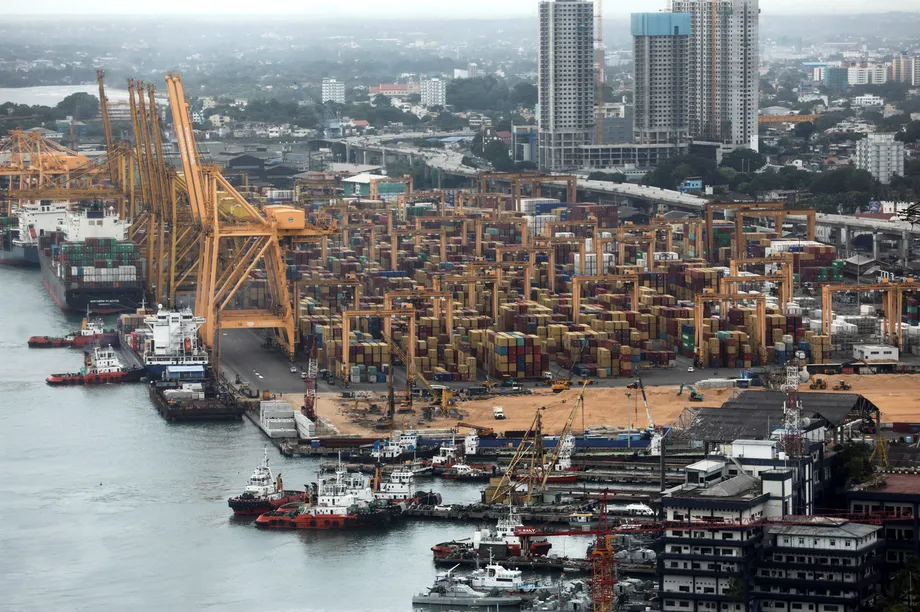
- Trade exposure and lost shipping business
- How the dispute developed
- Key Points
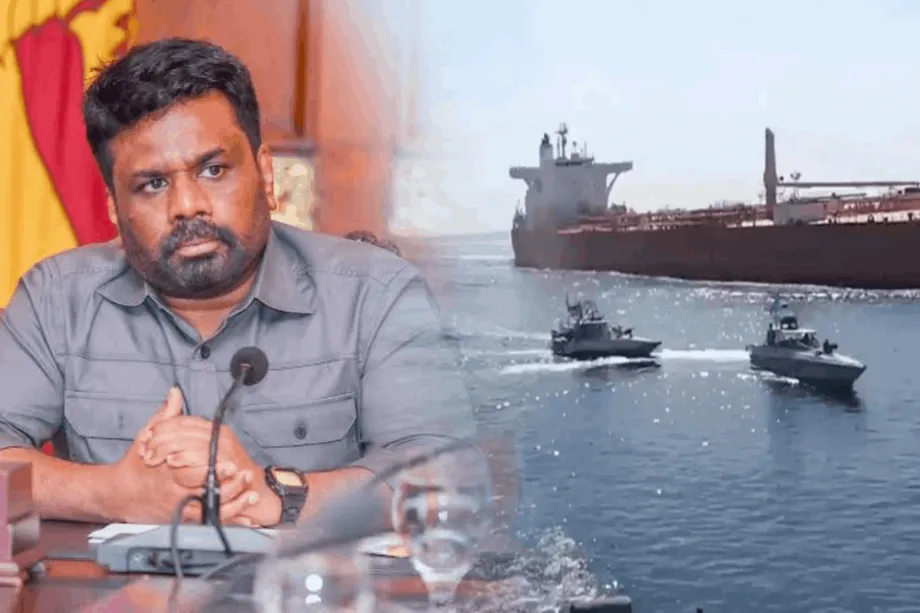
Foreign Minister Vijitha Herath said on October 4, 2026, that approximately 47 foreign vessels were anchored near Sri Lanka, including about 19 Iranian ships. All were beyond the country's territorial waters, he said. Foreign Ministry spokesman and Director General Thushara Rodrigo placed the Iranian vessels about 24 nautical miles offshore.
The government says Washington has not instructed it to withhold food or water. Other reports describe repeated American warnings to officials and suppliers, including an August communication concerning 19 tankers. The US Embassy has declined to discuss private diplomatic communications, leaving that disagreement unresolved.
Rodrigo said companies supplying ships understood the possible consequences of US secondary sanctions. Explaining the government's decision to rule out immediate assistance, he said:
Sri Lanka will put its national interest first before considering any help, and the companies that supply ships are aware of possible secondary sanctions from the United States.
Herath has nevertheless said Sri Lanka remains prepared to intervene when humanitarian circumstances require it. By October 8, reports described a firmer position: the Foreign Ministry had told Iranian authorities it would not supply food, water or medicine and had advised private businesses against providing supplies. No delivery timetable or agreed humanitarian arrangement has been announced.
Why the tankers cannot return home
Herath has described the Iranian vessels as oil tankers stranded after the United States resumed its naval blockade of the Strait of Hormuz. The ships had been near Sri Lanka for several months, rather than arriving recently, he said. Navigation difficulties have also left vessels waiting near Malaysia and Indonesia.
The disruption follows the conflict that began on February 28, when the United States and Israel launched joint attacks on Iran. Restrictions around Hormuz, the route between the Persian Gulf and the open ocean, have complicated the tankers' return to Iranian ports.
Before those restrictions, Iranian crude was transported to waters near Malaysia and transferred between tankers for shipment to Chinese refineries. Reports describe these operations as part of a shipping network used to circumvent US restrictions on Iranian oil exports. Some stranded tankers are reportedly likely to be empty, so they should not all be assumed to be carrying oil now.
The vessel counts also differ. Herath's October 4 statement identified approximately 19 Iranian ships among 47 foreign vessels. Another account attributed to him put the Iranian total at 15, while other reports refer to around 20 tankers between Sri Lanka and Malaysia. These figures may cover different dates or areas, but no published vessel inventory resolves the differences.
What the sanctions warning actually means
According to Rodrigo, the United States announced the relevant secondary sanctions on August 24. Individuals or entities providing services to vessels designated under US sanctions could risk losing access to the US financial system. He said the policy applies globally and does not specifically target Sri Lanka.
Secondary sanctions can place pressure on businesses outside the United States by threatening restrictions on their access to American markets or financial services. For a Sri Lankan supplier, the concern is that a transaction with a sanctioned vessel could affect banking relationships and other business far beyond that delivery.
The US Embassy has referred questions about designated vessels to the Treasury Department's Office of Foreign Assets Control. It also pointed to a September 25 statement warning that services including fuel, food and provisions can expose suppliers to sanctions risk, including potential civil or criminal penalties.
These warnings do not establish that every delivery to every Iranian ship automatically produces the same penalty. The stated risk concerns sanctioned vessels, and the consequences depend on the transaction and applicable rules. A vessel's Iranian ownership or flag alone does not establish its individual designation status.
Herath said the government had neither transported goods nor provided supplies to vessels subject to US sanctions. Officials have begun sharing information about sanctioned ships with service providers, according to reports, but have not publicly set out an approved route for supplying the stranded crews.
Did Washington pressure Colombo?
The sharpest disagreement concerns whether the United States directly asked Sri Lanka to deny assistance. Herath rejected that claim at the October 4 event, saying government decisions would protect Sri Lanka's independence, sovereignty and neutrality.
Addressing allegations that Washington had instructed Colombo not to provide food or water, the foreign minister said:
There has absolutely been no such instruction. The United States has in no way informed, intervened with or exerted any pressure on the Sri Lankan government to that effect.
Rodrigo similarly said Sri Lanka had received no communication warning of repercussions if it decided to help. He distinguished a global sanctions policy from a warning directed specifically at Colombo.
Other reports give a different account. They describe an August US Embassy communication tracking 19 Iranian tankers and urging officials to tell port service providers to deny support. Separate accounts, citing unnamed Foreign Ministry sources, describe repeated warnings from embassy personnel and visiting American civilian and military officials. A September 30 report also alleged threats of sanctions over supplies to around 20 tankers.
The embassy's refusal to comment on private diplomatic communications neither confirms nor disproves those allegations. Its public position is that the United States is working with partners to restrict illicit Iranian revenue and explain the risks of doing business with Iran. The existence of public sanctions warnings is established in those statements; the disputed issue is what Washington privately asked Sri Lanka to do.
How serious are the shortages?
Reports from shipping businesses give the shortages a practical dimension. Dubai shipping agents appealed to Sri Lankan companies to send food and fuel. Local firms reportedly found it increasingly difficult to obtain approval for supply visits, while the Sri Lanka Ports Authority reportedly regarded servicing Iranian vessels as unwise because of sanctions exposure.
Workers from a Sri Lankan repair company who boarded one vessel shortly before restrictions took effect reportedly found provisions running low. The crew asked them to bring their own food and said fresh water had to be conserved, preventing washing. Another shipping business received urgent requests for food and provisions from agents representing the tankers.
Those accounts indicate deteriorating conditions, but they do not establish how much food, water or fuel remains aboard each vessel. The total number of affected sailors, their medical condition and the time before shortages become an immediate threat to life have not been publicly established. The Iranian Embassy initially said it had no details about the matter.
Deputy Minister of Ports and Civil Aviation Janitha Ruwan Kodithuwakku said the government had no information indicating that Sri Lankan crew members were aboard. The Merchant Shipping Secretariat likewise said it had received no such reports. That is an absence of reported information, rather than confirmation of every sailor's nationality.
Rescue duties and routine supplies are different questions
The ships' location matters to the legal discussion. Herath said all 47 vessels were beyond Sri Lanka's 12 nautical mile territorial limit. Other accounts place the Iranian tankers within its Exclusive Economic Zone. These descriptions can coexist: an Exclusive Economic Zone extends beyond territorial waters and gives a coastal state specified rights over resources, rather than the same authority it exercises close to shore.
Iran has argued that Sri Lanka should assist the crews, citing Article 98 of the United Nations Convention on the Law of the Sea, the 1974 International Convention for the Safety of Life at Sea and the 1979 International Convention on Maritime Search and Rescue. Its position is that humanitarian obligations apply to the sailors awaiting provisions.
Maritime experts Nimalka Hewawitharana and Schin Mendis have offered a narrower assessment. They described the vessels as outside territorial waters and not in a situation threatening lives, and concluded that Sri Lanka had no binding obligation to supply them under those circumstances. That assessment does not independently settle the crews' condition.
International law experts Sampath Alwis and Prashanthi Dissanayaka also distinguished ordinary servicing from an emergency involving crew safety. Explaining their interpretation of the convention, they said:
UNCLOS does not create a general, unconditional obligation for a coastal state like Sri Lanka to refuel or service every foreign merchant vessel requesting supplies, especially if doing so conflicts with national laws, security interests, or the risk of international sanctions.
The central distinction is between a request for commercial provisioning and distress requiring rescue or urgent humanitarian action. Being outside territorial waters does not, by itself, answer every question about assistance to people in danger at sea. Sri Lanka's stated willingness to intervene on humanitarian grounds leaves room for a different response if conditions worsen.
The earlier rescue and the 13 sailors at Trincomalee
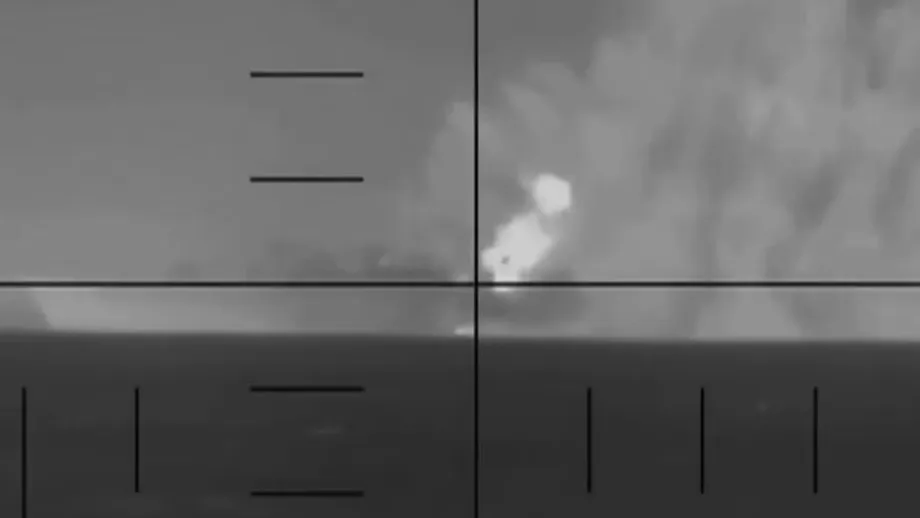
Sri Lanka has already provided assistance to Iranian sailors during this conflict. In March, a US torpedo attack sank the Iranian naval vessel IRIS Dena near the island, reportedly killing 87 sailors. The ship was returning from a naval exercise held at India's invitation.
Accounts differ on the precise maritime description: some place the sinking in Sri Lankan waters, while others describe it as off the coast near Galle. Sri Lankan authorities rescued survivors and treated wounded sailors in local hospitals. A second Iranian vessel was brought to port after its crew reported technical problems.
Herath said IRIS Bushehr remained at Trincomalee, with Sri Lanka providing its 13 remaining crew members food, accommodation and security and taking steps to protect the vessel. Reports also describe the repatriation of more than 230 Iranian sailors following the earlier operations. The presence of 13 sailors aboard Bushehr means the repatriation accounts should not be read as indicating that every crew member had left.
International affairs analyst Dayan Jayatilleka has argued that Sri Lanka would have a moral obligation to assist the merchant vessels if they entered its waters because they were under attack. His position concerns an emergency scenario, rather than an unconditional requirement to service all tankers now offshore.
Trade exposure and lost shipping business
Sri Lanka's caution reflects its recovery from an economic crisis and its reliance on foreign markets and international finance. The United States supported its International Monetary Fund bailout and helped its agricultural sector avert a food crisis. Iran remains an important partner through longstanding oil and tea trade and infrastructure ties, including the Uma Oya hydropower project.
Figures attributed to the Export Development Board for the first six months of 2026 put the US share of Sri Lankan merchandise exports at approximately 22 percent and the European Union's share at 25.5 percent. Together, those figures amount to 47.5 percent. A separate October account places the American share at 23 percent without identifying the same reporting period, so the two US figures are not directly comparable.
These export shares explain Colombo's sensitivity to relations with Washington. They do not mean sanctions against an individual ship supplier would automatically affect all Sri Lankan exports. The immediate warning concerns the businesses or people involved in particular services and their access to finance.
There is also a commercial cost to refusing work. Maritime sector representatives say ships unable to secure services in Sri Lanka are already turning to India. Lost provisioning, repairs and other activity could reduce foreign currency earnings and weaken Sri Lanka's efforts to become a regional maritime centre. No estimate of those losses has been published.
Kodithuwakku said the government could not prohibit private suppliers from providing goods, but warned that the United States could act against them, including through restrictions affecting their American accounts. Later reports describe government advice against supplying the vessels. Advice and a legal prohibition are different, although both can influence a supplier's willingness to proceed.
Former External Affairs Minister Prof. G.L. Peiris has suggested that Sri Lanka raise its policy of nonalignment collectively with other countries rather than confront sanctions alone. No joint initiative or negotiated humanitarian exemption has been announced.
How the dispute developed
The sequence links an earlier naval emergency with months of shipping disruption and a more recent dispute over supplies. Sri Lankan officials also received training on identifying maritime sanctions evasion before the controversy became public.
- February 28, 2026: The United States and Israel launched joint attacks on Iran, beginning the conflict described by Sri Lankan officials.
- March: IRIS Dena was sunk near Sri Lanka. Authorities rescued survivors, treated injured sailors and later repatriated Iranian personnel.
- August 24: According to the Foreign Ministry, the United States announced the relevant secondary sanctions warning concerning services to designated vessels.
- September 9 to 11: More than 40 Sri Lankan officials attended maritime sanctions training in Colombo, organised through the US Embassy with the State Department's Cooperative Threat Reduction office and the Atlantic Council.
- September 21 to 25: A separate Colombo workshop addressed procedures for radiological and nuclear emergencies, with participation from Sri Lankan agencies and a US Energy Department office.
- September 25: A US Embassy statement warned of sanctions exposure from supplying fuel, food or provisions to sanctioned vessels.
- September 30: A report alleged American threats of sanctions over supplies to around 20 Iranian tankers.
- October 4: Herath denied US pressure and identified approximately 19 Iranian vessels among 47 ships outside territorial waters.
- October 8: Reports described Sri Lanka informing Iran that it would not supply food, water or medicine and advising private businesses against deliveries.
The maritime training covered risks to shipping agents, fuel suppliers and other service providers. US Ambassador Eric Meyer described its purpose as sharing American expertise to counter illicit networks and protect legitimate trade. The separate nuclear emergency workshop does not establish that the stranded tankers present a radiological threat.
The decisions still outstanding concern how crew welfare will be assessed, whether any emergency supplies can be delivered through an agreed arrangement, and how suppliers would be protected from sanctions exposure. No deadline for a government decision, confirmed assistance mission or date for the tankers' departure has been announced.
Key Points
- Sri Lanka says approximately 19 Iranian vessels are among 47 foreign ships waiting beyond its territorial waters.
- The Iranian crews reportedly face shortages of food, drinking water and fuel, but conditions aboard each vessel are not publicly established.
- Officials deny direct US pressure, while other reports describe private warnings. The US Embassy has declined to discuss diplomatic communications.
- Services to US designated vessels can expose suppliers to sanctions risk, including possible loss of access to the US financial system.
- Sri Lanka continues to support 13 sailors aboard IRIS Bushehr at Trincomalee while withholding supplies from sanctioned vessels offshore.
- Iran argues that maritime conventions require assistance; named legal experts distinguish routine servicing from emergencies involving crew safety.
- No approved humanitarian supply arrangement or departure timetable has been announced.