Extreme Heat Sweeps Across the Korean Peninsula
Record temperatures have strained daily life throughout the Korean Peninsula. South Korea logged an all-time high of 42.5 degrees Celsius in Yangsan. North Korea has seen multiple days above 40 degrees Celsius, with Pyongyang logging consecutive tropical nights above 25 degrees Celsius since late July. Meteorologists forecast continued highs between 35 and 40 degrees Celsius across central and southern regions.
Both countries issued heat advisories. South Korean officials promoted the water-shade-rest formula and urged residents to halt outdoor work between 2 and 5 p.m. North Korean state media focused instead on dietary recommendations.
State Media Publishes Summer Health Guidance
Rodong Sinmun, the official newspaper of the ruling Workers Party, ran an interview with a senior doctor from Pyongyang General Hospital. The doctor noted that cardiovascular diseases, diabetes, and hyperthyroidism can worsen during heat exhaustion and heatstroke. The article listed cooling items such as watermelon, mung beans, and cucumbers. It also highlighted protein-rich options including fish porridge, red bean porridge, and dog meat soup.
The guidance forms part of an annual effort to frame traditional foods as tools for enduring summer conditions.
Longstanding Promotion of Dog Meat Soup
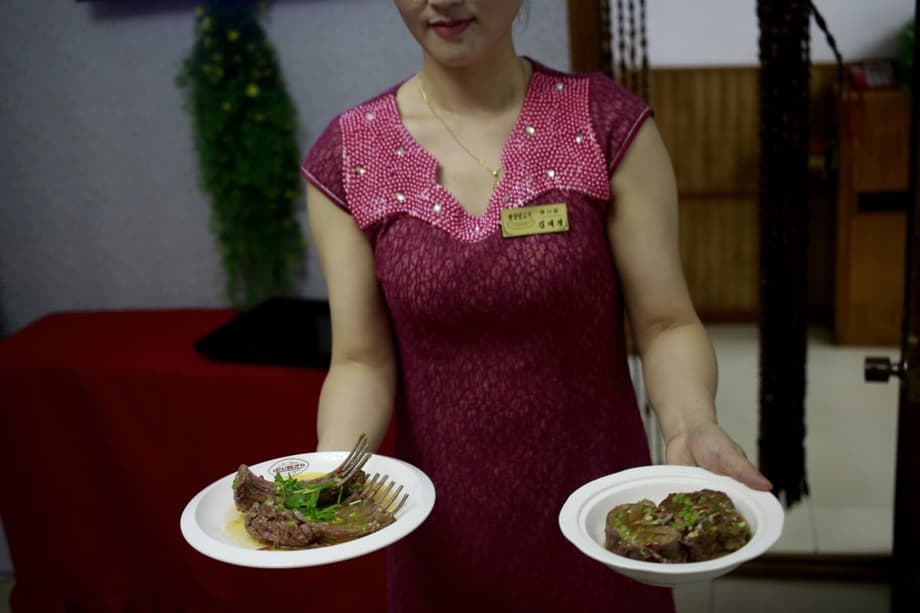
Dog meat soup, known locally as dangogi guk or sweet meat soup, carries a decades-old reputation in North Korea as a stamina-building tonic. Restaurants along the Taedong River specialize in the dish. Regional recipes have been added to the national list of intangible cultural heritage. Government-organized cooking contests, including one held in 2020, present the preparation as a patriotic activity.
Some residents associate darker-furred animals with greater nutritional value. Reports indicate traders have dyed lighter animals black to meet demand and charge higher prices.
Access Remains Limited for Most Citizens
Former diplomat Ri Chol stated that the dish stays expensive and out of reach for ordinary households. The World Food Programme estimates 10.7 million North Koreans face malnutrition. Chronic shortfalls in agriculture compound the difficulty of obtaining protein sources during any season.
Power shortages limit air conditioning use. Wealthier families have turned to private generators while rural areas continue to rely on traditional methods.
Policy Differences Emerge Between North and South
South Korea will enforce a nationwide ban on breeding, slaughtering, selling, and distributing dogs for consumption starting February 2027. Violators face up to three years in prison or fines reaching 30 million won. By May of this year, 82 percent of farms previously engaged in the trade had already closed.
Public opinion in the South shifted after years of animal welfare campaigns. North Korea continues to present the dish as part of its cultural response to seasonal heat.
Historical and Cultural Context
Consumption of dog meat during the hottest lunar calendar days, known as sambok, rests on the belief that hot, nutrient-dense meals help the body manage extreme temperatures. This custom once appeared on both sides of the peninsula. Changing attitudes in the South have reduced its prevalence there while official channels in the North maintain support.
Recipes typically combine dog meat with vegetables and herbs such as leeks, onions, perilla leaves, and red pepper. The meat is boiled twice and served warm.
Key Points
- North Korean state media recommended dog meat soup alongside watermelon and mung beans to cope with heat.
- Temperatures exceeded 40 degrees Celsius in parts of both Koreas, triggering health advisories.
- The dish remains costly and inaccessible to many citizens despite official endorsement.
- South Korea will implement a full ban on the dog meat trade by February 2027.
- Power instability and malnutrition add further strain during the current heatwave.