
Heavy weapons fire widens the border crisis
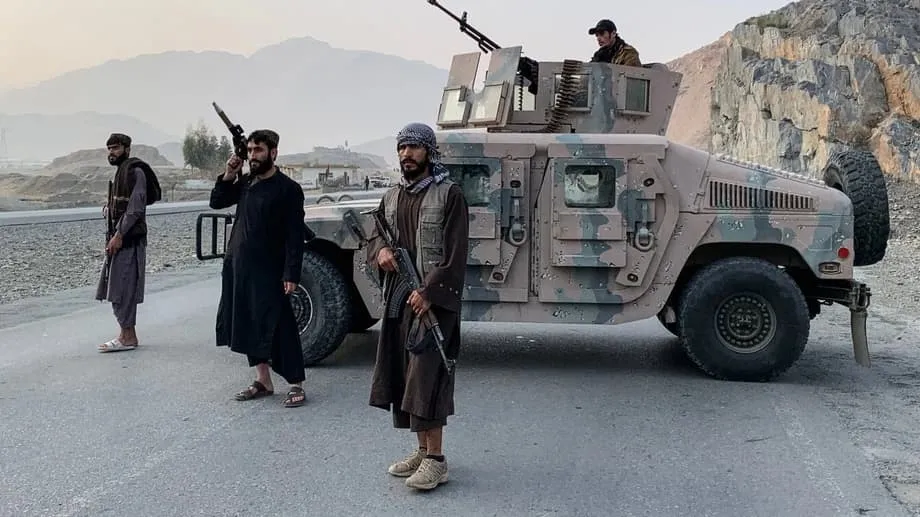
Pakistan says its security forces struck Afghan Taliban posts, firing positions and defensive checkpoints after Afghan forces opened fire with mortars, artillery and other heavy weapons on border positions in Kurram district. The exchange has added to fighting across several sectors of the frontier, with civilians facing displacement, disrupted trade and restricted access to aid.
Contents
- Heavy weapons fire widens the border crisis
- Deadly attacks preceded Pakistan's airstrikes
- Operation Ghazab lil Haq reaches five sectors
- Kabul cites sovereignty and civilian deaths
- Kurram's communities face fire and closed routes
- The TTP dispute drives the breakdown in trust
- How the confrontation developed
- Displacement adds to an existing humanitarian crisis
- Diplomacy has secured pauses, not a settlement
- The Bottom Line
Pakistani security sources said their troops retained control of their positions, destroyed several Taliban sites and forced fighters to abandon a number of posts. Authorities said the border remained under Pakistani control and that troops were monitoring the area for further attacks. Fighting was also reported in Chitral, Khyber, Mohmand and Bajaur.
Kurram lies in Pakistan's Khyber Pakhtunkhwa province. Its rugged valleys and mountain passes connect with Afghanistan's Khost and Paktia regions, making it a sensitive part of a frontier where military positions, villages and routes used by local communities sit close to the violence.
Kabul describes the wider escalation as retaliation for Pakistani attacks inside Afghanistan. Islamabad says its operations respond to attacks on Pakistani soldiers and civilians that it attributes to militant leaders based across the border. The two governments therefore give opposing explanations for why the fighting expanded.
The military claims, including accounts of destroyed posts, withdrawals and casualties, have not been independently verified. Limited access to many border locations has made the scale of losses difficult to establish, while accusations over civilian strikes have not been fully resolved through independent investigations.
As of July 21, 2026, the confrontation forms part of a cycle of artillery exchanges, airstrikes and militant attacks that has damaged relations since the Taliban returned to power in Kabul in 2021. The immediate fighting in Kurram sits within a much larger dispute over militant activity, sovereignty and control of the frontier.
Deadly attacks preceded Pakistan's airstrikes
A suicide bombing at the Khadija Tul Kubra mosque in Islamabad on February 6 killed at least 31 worshippers and injured about 170 people. The Islamic State Khorasan Province claimed responsibility.
On February 16, a vehicle packed with explosives struck a joint security post in Bajaur, killing 11 soldiers and a child. Pakistani investigators linked the attacker to Afghanistan's Taliban security structure. The Tehreek e Taliban Pakistan, commonly known as the TTP, claimed responsibility for the attack.
Another suicide attack in Bannu on February 21 killed two soldiers, including a lieutenant colonel. Islamabad said the attacks were directed by militant leaders based in Afghanistan. Kabul has repeatedly denied allowing Afghan territory to be used for attacks against Pakistan.
Pakistan announced airstrikes on February 22 against seven camps and hideouts in Nangarhar, Paktika and Khost. Officials said the targets belonged to the Pakistani Taliban, groups allied with it and the Islamic State Khorasan Province.
Early Pakistani government statements put militant deaths at more than 70. Later figures rose above 80, while a parliamentary statement put the number above 100. Those figures were Pakistani official claims about the outcome of the strikes.
Afghan officials said the attacks instead hit homes, a religious seminary and other civilian locations. The United Nations Assistance Mission in Afghanistan reported civilian deaths and injuries in Nangarhar, including women and children. Afghan authorities vowed retaliation, setting the stage for the border attacks that followed.
Operation Ghazab lil Haq reaches five sectors
Pakistan formally announced Operation Ghazab lil Haq on the night of February 26. The name means Wrath for the Truth. Its initial area covered five sectors in Khyber Pakhtunkhwa: Chitral, Khyber, Mohmand, Kurram and Bajaur.
Information Minister Attaullah Tarar said the operation began after Taliban forces fired at several locations along the border. He said Pakistani forces were acting to protect the country's territory and citizens. Islamabad described the operation as a combination of air and ground attacks against Taliban positions and militant hideouts.
By March 6, Tarar claimed that 527 Afghan Taliban operatives had been killed and more than 755 wounded. He also said 237 checkposts had been destroyed, another 38 posts had been captured and destroyed, and 205 tanks, armored vehicles and artillery guns had been hit. Pakistani officials said forces had targeted 62 locations inside Afghanistan.
Afghanistan issued different casualty accounts and accused Pakistan of striking civilian areas. The competing accounts leave readers with two central claims: Pakistan describes attacks on military positions and militant camps, while Afghan authorities describe extensive harm to populated places.
Pakistan's Information Ministry issued a statement as fighting spread across several sectors, setting out the government's position on protecting its territory and population:
Pakistan will take all necessary measures to ensure its territorial integrity and the safety and security of its citizens.
Pakistani officials also said their forces were prepared to respond immediately to any further firing. That position, alongside Kabul's promise of retaliation, has kept the confrontation tied to the next incident along the frontier.
Kabul cites sovereignty and civilian deaths
The Taliban administration says Pakistan began the latest phase of the crisis by violating Afghan territory and airspace. Afghan spokesman Zabihullah Mujahid described Kabul's military action as retaliation for Pakistani airstrikes. He said Afghan forces had launched large operations against Pakistani military positions along the Durand Line.
The Durand Line is the de facto border established in 1893 under British colonial rule. Pakistan regards it as an international boundary, while Afghanistan has historically rejected its formal recognition. Pashtun communities live on both sides and maintain family, tribal and commercial connections across the frontier, making the disagreement sensitive in everyday life as well as politics.
Afghan authorities said Pakistani aircraft struck locations in Nangarhar and Paktika, including populated areas. The United Nations reported that at least 56 Afghan civilians, including 24 children and six women, had been killed after hostilities intensified in late February. It also recorded 129 injuries, including 41 children and 31 women.
Those figures amount to at least 185 civilians killed or injured in that United Nations count, including 65 children. Later accounts from United Nations officials and rights groups described additional civilian deaths linked to Pakistani strikes.
Pakistan rejects accusations that it deliberately targeted civilians and says its attacks were based on intelligence about militant camps. Afghan officials maintain that the strikes caused widespread civilian harm. These positions shape the dispute over both the purpose of the attacks and their consequences for communities near the targets.
Kurram's communities face fire and closed routes
Kurram has repeatedly been a location of fighting involving Pakistani forces, Afghan Taliban units and armed groups operating near the frontier. Difficult terrain, narrow routes and communities divided by the border make clashes especially disruptive. Mortar rounds can travel across the line quickly, threatening nearby villages as well as military posts.
During the latest exchanges, Pakistani sources said Afghan forces used heavy weapons against border positions. Pakistan responded with artillery and other weapons aimed at Afghan posts and mortar locations. Residents in nearby areas have previously reported taking shelter during evening exchanges.
Earlier accounts from the region said artillery shells landed near residential compounds without causing casualties. In South Waziristan, mortar fire from across the border injured five people in Angoor Adda village, including four children and a woman. Pakistani forces later said they destroyed the gun positions involved in that firing.
Border crossings and movement routes have been closed during periods of intense fighting. The violence has also disrupted plans to return Afghan nationals from Pakistan, with families waiting near border points moved to holding areas when security conditions deteriorated.
Torkham and Chaman, the two main trade crossings, have faced repeated closures. Trucks have been stranded, and restrictions have affected travel, trade and access to medical care. For families trying to cross, the consequences extend beyond a delayed journey to uncertainty over where they can stay and when they can move.
The TTP dispute drives the breakdown in trust
Pakistan's central accusation concerns the TTP, a group separate from the Afghan Taliban government but connected to it through ideological and historical links. Islamabad says TTP leaders and fighters operate from safe locations in Afghanistan and plan attacks against Pakistani targets from there.
The Taliban administration denies giving the TTP permission to attack Pakistan. Kabul accuses Islamabad of spreading false claims and conducting airstrikes that violate Afghan sovereignty. Repeated diplomatic meetings have failed to settle this disagreement.
Relations worsened after the Taliban takeover in August 2021. Pakistani soldiers were killed in attacks launched from Afghan territory in 2022, followed by clashes near the Wesh Chaman crossing. Fighting at Torkham in 2023 caused temporary border closures.
Pakistan's campaign to deport undocumented Afghan nationals later in 2023 added another source of friction. The security dispute became intertwined with the movement of people, border restrictions and the pressures facing Afghan families living in Pakistan.
Pakistan carried out airstrikes inside Afghanistan in March and December 2024 after attacks on its security forces. Kabul condemned both operations. In October 2025, some of the deadliest fighting since the Taliban takeover killed dozens of people on both sides.
Qatar and Türkiye helped arrange a ceasefire after those October clashes. Later talks in Istanbul, Doha and Riyadh failed to produce a lasting agreement, leaving the two governments without a durable settlement when the February 2026 attacks and military operations began.
How the confrontation developed
The latest escalation unfolded through a series of attacks and responses during February and early March. The dates show how violence inside Pakistan was followed by airstrikes in Afghanistan and then a wider operation along the frontier.
- February 6: A suicide bombing at Islamabad's Khadija Tul Kubra mosque killed at least 31 worshippers and injured about 170 people.
- February 16: An explosive vehicle attack on a joint security post in Bajaur killed 11 soldiers and a child.
- February 21: A suicide attack in Bannu killed two soldiers, including a lieutenant colonel.
- February 22: Pakistan announced airstrikes against seven camps and hideouts in Nangarhar, Paktika and Khost.
- February 26: Pakistan formally announced Operation Ghazab lil Haq during the night, initially covering five border sectors.
- March 6: Information Minister Attaullah Tarar released Pakistan's figures for Taliban casualties, destroyed posts and targets hit.
Pakistan presents these events as a response to militant attacks and subsequent Taliban fire. Kabul presents its border operations as retaliation for Pakistani airstrikes. The disagreement over responsibility has continued alongside the fighting.
Displacement adds to an existing humanitarian crisis
The United Nations said approximately 115,000 Afghans and 3,000 people in Pakistan were displaced during one week of fighting in early March. Families fled artillery fire, mortar attacks and airstrikes. Aid deliveries were restricted in places where roads and health facilities were unsafe.
United Nations rights chief Volker Turk called on both sides to stop fighting and protect civilians. He said the latest violence was adding to the suffering of people who had already endured decades of conflict.
Rights groups called for impartial investigations into reported attacks on civilian homes, medical facilities and other protected sites. These investigations would examine the targets selected, the precautions taken and the harm caused to people outside the fighting.
Human Rights Watch later cited United Nations figures showing hundreds of Afghan civilians killed or injured by attacks across the border during the first months of 2026. The group called for investigations into whether attacking forces distinguished between military targets and civilian objects. That distinction is a central requirement of the laws of war: forces must separate the people and places involved in combat from civilians and the buildings they use.
Pakistan's repatriation campaign has added another layer of pressure. More than two million Afghans have returned to Afghanistan since the campaign began in September 2023. Many others remain in Pakistan with uncertain legal status and fears of arrest or deportation.
Continued fighting makes these families' situation more difficult and limits aid agencies' ability to reach vulnerable people. Border closures, displacement and unsafe roads affect both those fleeing violence and those returning to a country already facing a severe economic and humanitarian crisis.
Diplomacy has secured pauses, not a settlement
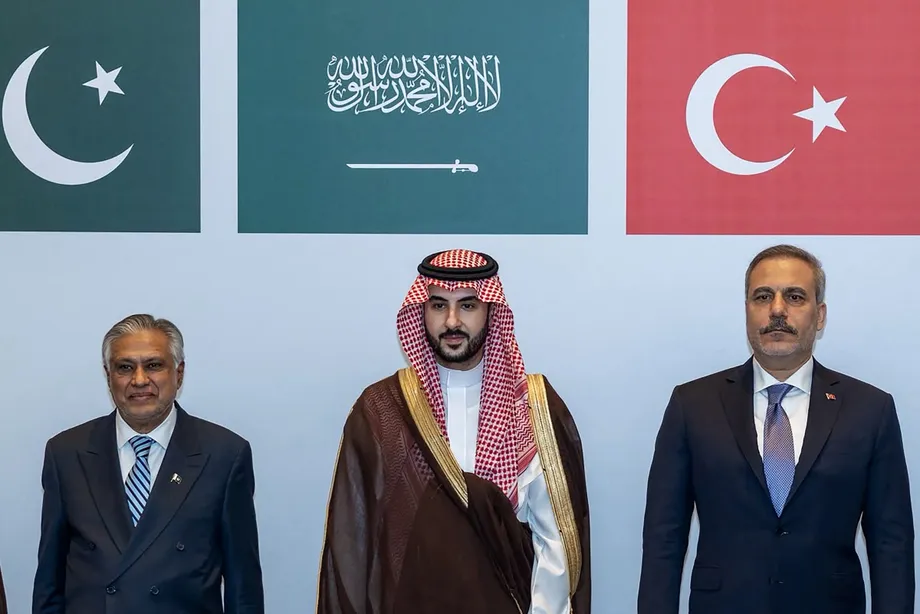
Qatar, Türkiye and Saudi Arabia have supported talks between Islamabad and Kabul, including negotiations after the October 2025 clashes. Several regional governments have urged restraint and dialogue. The efforts have brought temporary pauses without resolving disputes over militant activity, border recognition or the movement of people and goods.
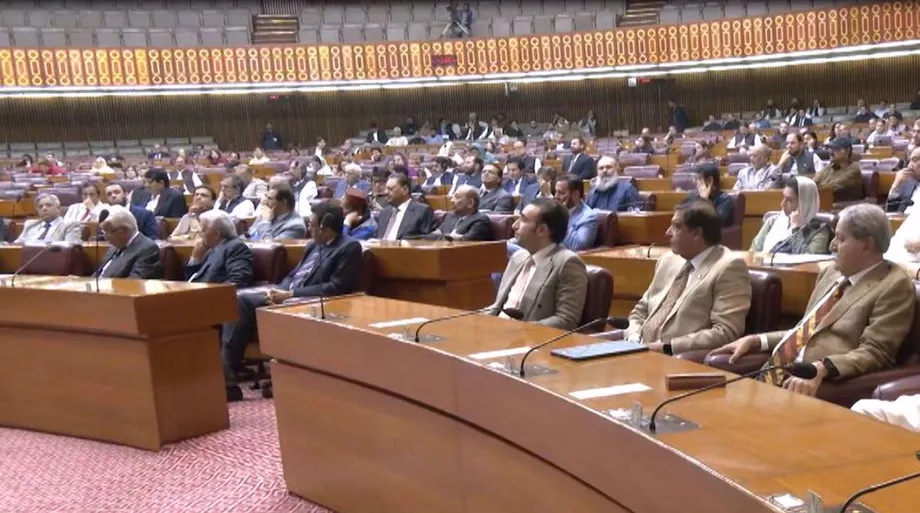
Pakistan faces public pressure to respond to deadly attacks on soldiers and civilians. The Taliban government faces pressure to defend Afghan sovereignty and demonstrate that it is not being controlled by foreign demands. Military statements from both sides portray the opposing force as the aggressor, leaving little room for a shared account of events.
Each new attack makes compromise harder. An agreement must address Pakistan's demand for action against militant networks while dealing with Kabul's objections to strikes inside Afghan territory. Border incidents also need a practical mechanism for investigation so that future clashes can be addressed directly.
The risks extend beyond the immediate fighting. Pakistan is a nuclear armed state, and Afghanistan is already under severe economic and humanitarian strain. Prolonged clashes could close trade routes, drive further displacement and give armed groups greater room to operate.
A durable reduction in violence would require direct security assurances, action against militant networks and a workable system for examining new incidents. For people in Kurram and other border communities, the immediate stakes remain protection from fire, access to medical care and the ability to travel without sudden closures.
The Bottom Line
- Pakistan says Afghan Taliban forces used mortars, artillery and other heavy weapons against posts in Kurram and other border sectors.
- Pakistani forces say they retained their positions and struck Afghan posts, firing locations and defensive checkpoints.
- Operation Ghazab lil Haq began on February 26 after deadly attacks in Pakistan and Pakistani airstrikes inside Afghanistan.
- Islamabad says it is targeting militant networks and Taliban positions. Kabul says Pakistan violated Afghan sovereignty and caused civilian deaths.
- Military casualty figures and claims about destroyed positions remain independently unverified.
- The United Nations recorded civilian casualties and said about 115,000 Afghans and 3,000 people in Pakistan were displaced during one week in early March.
- Closures at Torkham and Chaman have disrupted trade, travel, returns to Afghanistan and access to medical care.
- Diplomatic efforts have produced temporary pauses without settling the disputes over the TTP, the Durand Line and border security.