Holiday Pay Secured, but Thousands Still Face Losing Their Jobs
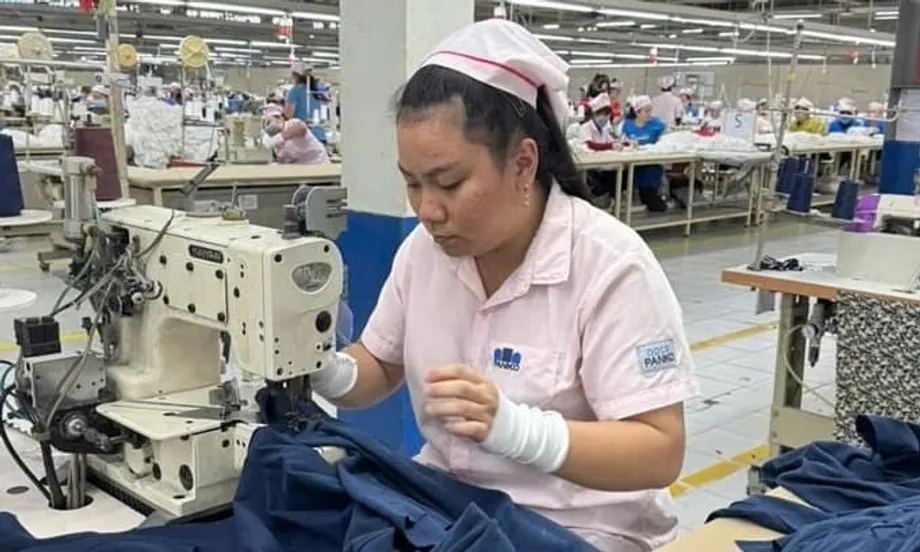
More than 2,700 workers at Panko Vina in Ho Chi Minh City face losing their jobs on January 15, 2026, just weeks before Tet, Vietnam's Lunar New Year holiday. Union negotiations have secured a 13th-month salary payment after workers initially expected only VND2 million in support, but the factory's planned closure still leaves families searching for income, childcare arrangements and financial security.
Contents
- Holiday Pay Secured, but Thousands Still Face Losing Their Jobs
- A Pregnant Seamstress Faces an Uncertain January
- Fifteen Years of Work and a Family Built Around the Factory
- How a Major Employer Reached Closure
- The Dates Workers Must Plan Around
- What the Union Won for Workers
- Further Support Is Still Being Sought
- Nearly 3,800 Vacancies, but Different Work Ahead
- Why Tet Makes the Financial Shock Sharper
- A Holiday Slowdown Complicates the Transition
- Garment Competition Adds to Factory Pressure
- Past Tet Disputes and the Need to Protect Insurance
- The Bottom Line
As of December 30, 2025, seven businesses have registered to recruit the displaced employees, with demand for nearly 3,800 workers. Truong Van Phong, deputy manager of the Ho Chi Minh City Export Processing and Industrial Zones Authority, said the companies operate in electronics, engineering, home interiors and industrial manufacturing. Their representatives are expected to visit Panko Vina within two weeks for interviews.
Panko Vina, a subsidiary of South Korea's Panko Textile Group, has operated in Vietnam since 2003. Prolonged financial difficulties, shrinking orders and a failed attempt to secure a new investor have brought its Ho Chi Minh City operation to the point of closure. Remaining production is to be consolidated at a facility in Da Nang.
The timing puts pressure on households that had counted on their annual bonus for travel, food, gifts, school costs and debt repayments. Tet is the country's most important holiday, bringing families together for reunions and ancestral worship. For industrial workers, the payment often described as a 13th-month salary can make those celebrations affordable.
The revised support package offers immediate relief. Finding stable replacement work, particularly for pregnant employees and parents of young children, remains the central concern.
A Pregnant Seamstress Faces an Uncertain January
Nguyen Thi Cam Thi, a 28-year-old seamstress who is nearly four months pregnant with her third child, has barely slept since learning that her employment will end on January 15. Her earnings help support her husband, whose freelance work is unstable, and their two small children.
Thi earns about VND7 million a month, roughly $266. With overtime, her monthly income can approach VND10 million. Losing that wage means losing both regular household income and the chance to earn more through extra hours.
Thi described her anxiety before the union secured the holiday salary payment:
I don't know how to plan for Tet anymore," Thi said. "There's no 13th-month salary, and I'm pregnant. It'll be hard to find a new job.
Her coworker Le My Ten is more than five months pregnant. Ten had intended to keep working for several more months to save for childbirth. The shutdown brings that plan to an early end, leaving her with less time to build the savings she expected to need.
The factory union has also raised concerns about more than 100 workers currently on maternity leave. Some may fall short of the insurance contribution periods needed to qualify for benefits. Workers describe another difficulty when seeking employment: garment companies often hesitate to hire women with infants. A recruitment drive therefore offers different prospects to different employees, depending on their health, family responsibilities and the jobs available.
Fifteen Years of Work and a Family Built Around the Factory
Vo Thi Hoa, 33, has worked at Panko Vina for 15 years. Her family depends on two incomes from the garment factory, rents a room nearby and sends its children to local schools. She had planned to use her annual bonus for Tet and school expenses.
Hoa described how suddenly the closure disrupted those plans:
I never thought the closure would come right before Tet," Hoa said. "Everything is uncertain.
For employees with long service, the factory has provided more than a wage. Housing, schooling and family routines have developed around its location. Taking a job elsewhere could require a move, a different school for the children and new arrangements for getting to work.
Those changes carry both emotional and practical costs. A nearby vacancy may allow a family to preserve its routines, while employment farther away may require decisions about rent, transport and childcare at the same time as household income falls.
How a Major Employer Reached Closure
Panko Vina began its Vietnamese operations in 2003. At its peak, it operated three factories and employed more than 8,000 people, making it one of the largest employers in the industrial zones of Ho Chi Minh City and surrounding areas.
COVID-19 disrupted supply chains and consumer demand, reducing orders for garment manufacturers around the world. Supply chains are the connected businesses and transport routes that move materials into factories and finished clothing to buyers. Interruptions anywhere along that route can delay production or deliveries.
Demand later recovered in some sectors, but the garment industry's recovery was slow and uneven. Panko Vina continued to face financial difficulties and fewer orders. The company sought new investment to keep operating, including a potential takeover by a Hong Kong investor.
That deal collapsed at the last minute. Its failure left the company planning to halt the affected operation and concentrate remaining production in Da Nang. The shutdown therefore follows both a prolonged decline in business and an unsuccessful attempt to bring in a new owner.
The workforce affected by the closure numbers more than 2,700, compared with more than 8,000 employees across the company's three factories at its peak. The earlier figure describes the larger operation Panko Vina once maintained, while the current figure identifies the workers facing this immediate loss of employment.
The Dates Workers Must Plan Around
Panko Vina's revised plan contains several stages. Workers are to remain employed until January 15, 2026, while factory operations are scheduled to continue until January 31 to complete existing orders. Operations are to stop completely from February 1.
The dates described in the closure and recruitment plans are:
- 2003: Panko Vina began operating in Vietnam.
- December 30, 2025: Workers face the announced closure with a revised payment package and recruitment arrangements being organised.
- Within two weeks of the recruitment announcement: Representatives of seven businesses are expected to visit the factory for interviews.
- January 15, 2026: Employment is scheduled to end for the affected workers.
- January 31, 2026: Factory operations are scheduled to finish after completion of existing orders.
- February 1, 2026: Operations are to halt completely.
The plan gives workers an employment end date earlier than the final production date. It does not explain how staffing will be arranged between January 15 and January 31. Families must meanwhile prepare for the loss of wages while recruitment and benefit procedures proceed.
What the Union Won for Workers
Panko Vina's initial plan offered a VND2 million support payment, approximately $76, without the expected 13th-month salary. Following negotiations by the factory union, the Korean parent company approved that salary payment for all workers.
Truong Van Phong confirmed that the bonus will be calculated using each employee's basic salary, which averages about VND7 million. Basic salary is the regular pay used for the calculation, rather than earnings increased by overtime. For someone with that average basic salary, the bonus is about three and a half times the VND2 million support payment.
Nguyen Thanh Hoang, chairman of Panko Vina's union, explained the immediate purpose of the negotiated payment:
"This is practically an extra sum for workers to have a Tet celebration," said Nguyen Thanh Hoang.
The VND2 million payment remains part of the revised package. Workers are also to receive cash for unused annual leave and severance benefits required by Vietnamese law. Severance is a payment connected to the end of employment, separate from wages earned for work already performed.
Panko Vina has agreed to calculate January 2026 salaries using the new regional minimum wage. It has also promised full benefits for pregnant employees and those on maternity leave, along with help completing social insurance procedures. The company says it has no outstanding wage or social insurance debts.
The promise of full benefits sits alongside the union's earlier concern about employees whose insurance contribution periods may be too short. Workers in that position will need help with their individual records and entitlements as employment ends.
Further Support Is Still Being Sought
The factory union and the Ho Chi Minh City Federation of Labor are continuing to seek assistance beyond the agreed package. Their requests include aid worth at least three months of minimum wages and extra help for pregnant workers.
The negotiated 13th-month salary was a leading priority because families had already built their Tet budgets around it. Restoring the payment gives workers money for immediate expenses, while the additional proposals seek to address the longer period without a dependable wage.
The union's role also extends to advice about insurance and connections with potential employers. Collective negotiations allow concerns shared by many employees, including those with long service and those expecting children, to be raised together.
Previous factory disputes have included criticism that unions were passive or ineffective. At Panko Vina, the factory union has secured a change to the payment plan and is continuing to press for further assistance. The extra aid requests remain proposals rather than agreed payments.
Nearly 3,800 Vacancies, but Different Work Ahead
The seven businesses registered to recruit Panko Vina employees have demand for nearly 3,800 people. That is roughly 1,100 more positions than the more than 2,700 jobs affected by the closure, although both figures are approximate.
Truong Van Phong said recruitment would cover electronics, engineering, home interiors and industrial manufacturing. The planned visits to Panko Vina would allow employees to attend interviews at their current workplace. The Ho Chi Minh City Federation of Labor is also connecting them with other factories interested in hiring.
Moving from sewing garments into electronics or home interiors may require training and adjustment to different tasks and working conditions. The range of vacancies could give some workers a chance to learn new skills or move into sectors with better prospects, but their suitability will depend on the positions offered.
The future stability of those jobs is unknown. Parents with young children must also weigh location and working arrangements against family needs. Pregnant employees and new mothers face the additional hiring difficulties workers have described.
Local authorities' recruitment efforts offer immediate alternatives and reflect the government's interest in protecting a workforce that helps drive the economy and in maintaining social stability. For each household, the practical value will depend on whether an available position can replace lost earnings without forcing an unaffordable move.
Why Tet Makes the Financial Shock Sharper
Tet brings expenses that many families save for throughout the year: journeys home, gifts, special foods, new clothes and lucky money for children. It is also a time to repay debts, honour ancestors and begin a new calendar year with relatives.
The holiday holds a place in Vietnam comparable to Christmas in the West or Lunar New Year in China. Its importance is both cultural and financial. For factory workers, the annual bonus is commonly viewed as a reward for the year's labour and a necessary part of the household budget.
Hoa's plans show how holiday spending can overlap with ordinary obligations. Her expected bonus was intended for both celebrations and school costs. Thi's concerns combine Tet expenses with pregnancy and the need to replace her monthly earnings.
Without the expected payment, workers would have faced using limited savings or borrowing to meet those obligations. The union's success reduces that immediate pressure, but the loss of regular wages can still push financial strain beyond the holiday.
Families therefore face two connected tasks: paying for Tet and preserving enough money for rent, food and other expenses while searching for work. The revised package helps with the first task and provides some support for the second, whose cost depends on how quickly employment resumes.
A Holiday Slowdown Complicates the Transition
Factories typically close for 10 to 14 days during Tet. The effective interruption can last longer because production slows beforehand and takes time to return to normal after workers travel back from their hometowns.
The manufacturing timetable described around the holiday includes many factories stopping acceptance of new purchase orders by early February, using fewer staff in the days before Tet and returning to full capacity in early March. Buyers and manufacturers must arrange sample approvals and deposit payments months ahead to avoid delays.
Panko Vina's planned stop on February 1 comes before that broader holiday slowdown. Workers are seeking replacement jobs during a period when factory schedules are already shaped by travel and production breaks.
For manufacturers, the holiday requires advance planning to keep orders moving. For employees, it represents the end of a year's work and an expected opportunity to reunite with family. A closure at that point disrupts both the income needed for the celebration and plans for returning to work afterward.
Garment Competition Adds to Factory Pressure
Panko Vina's difficulties sit within a garment industry exposed to shifts in international demand, raw material costs and trade policies. Factories working with thin margins have little room to absorb a fall in orders or a rise in production costs.
Nike and Adidas previously described production problems linked to factory shutdowns across Southeast Asia during COVID-19 restrictions. Those disruptions affected an industry in which brands depend on factories in several countries to complete and deliver their products.
Vietnam has been a preferred manufacturing location for years, but other production centres are competing for the same buyers. Recent changes in United States tariffs have made Bangladesh more attractive to some customers, bringing it orders that might otherwise have gone to Vietnam or China. Tariffs are taxes on imported goods, so changes can affect the price buyers pay when choosing between countries.
For Panko Vina, shrinking orders and prolonged financial trouble preceded the failed takeover attempt. The wider competition helps explain the pressure on garment producers, while the company's own difficulties explain why this operation is preparing to close.
Past Tet Disputes and the Need to Protect Insurance
Vietnam has previously seen foreign employers, including some from South Korea, leave the country or close factories near Tet, sometimes leaving wages or bonuses unpaid. In 2018, workers at Texwell Vina in Dong Nai province faced a crisis when South Korean employers reportedly left Vietnam without paying January salaries before the holiday.
Panko Vina says its wages and social insurance contributions are up to date and has agreed to a broader exit package. Those commitments are central to workers' ability to cover immediate expenses and complete benefit procedures.
In 2022, thousands of workers took part in nearly 30 strikes across Vietnam before Lunar New Year, seeking higher wages and other benefits. The Vietnam General Confederation of Labour, known as the VGCL and the country's main trade union, noted that employees often expect a holiday bonus and a pay rise, and that dissatisfaction with modest offers can lead to industrial action.
The period before Tet has also given workers bargaining power because employers face pressure to maintain production before the break. At Panko Vina, negotiations have changed the holiday payment decision while authorities organise interviews and the union seeks further support.
The union has advised workers against withdrawing their social insurance prematurely. Its advice is intended to protect benefits built up through contributions, including future pension rights, and to avoid jeopardising pension or unemployment support later. It also takes account of the possibility that another investor could eventually take over the site and restart production.
A future investor is only a possibility. For now, the immediate priorities are receiving the agreed payments, completing insurance procedures and securing work that fits each family's circumstances. The holiday bonus provides breathing room, but a dependable wage will determine how households manage after Tet.
The Bottom Line
- More than 2,700 Panko Vina workers face employment ending on January 15, 2026, before Tet.
- Factory operations are scheduled to finish on January 31 and halt completely from February 1.
- Union negotiations secured a 13th-month salary based on basic pay, averaging about VND7 million.
- The package also includes VND2 million in support, payment for unused leave and legally required severance benefits.
- Seven businesses have registered demand for nearly 3,800 employees, with interviews expected within two weeks of the recruitment announcement.
- Pregnant workers and employees on maternity leave face particular concerns over hiring, childbirth savings and benefit eligibility.
- The union is seeking further aid and advising workers to preserve their social insurance benefits.
- Panko Vina's closure follows prolonged financial difficulties, shrinking orders and a failed takeover by a Hong Kong investor.