More than 70 species gain stronger safeguards
Governments meeting in Samarkand, Uzbekistan, have approved the largest package of shark and ray protections in the history of the Convention on International Trade in Endangered Species of Wild Fauna and Flora, known as CITES. More than 70 species gained additional protection through decisions aimed at restricting a global trade in fins, meat, liver oil and gill plates.
Contents
- More than 70 species gain stronger safeguards
- What the trade bans and quotas cover
- Why fishing pressure is so damaging
- How permits connect science with trade
- Delegates connect conservation with livelihoods
- Hong Kong market samples reveal enforcement gaps
- What fisheries and exporters will need to change
- Elephants, rhinos and saiga receive different decisions
- How recovery will be judged
- What to Know
The package includes bans on international commercial trade in oceanic whitetip sharks, whale sharks and all manta and devil rays. Several wedgefishes and giant guitarfishes received zero annual export quotas, effectively stopping their legal export. Gulper, smoothhound and tope sharks will face permit requirements intended to ensure that trade is legal, sustainable and traceable.
Delegates from more than 180 countries gathered for the treaty's 20th Conference of the Parties. Sharks and rays received attention early in the meeting, and the decisions passed by consensus after days of negotiations. Conservation groups described the outcome as historic.
The oceanic whitetip decision carries particular weight: it is the first shark species moved onto Appendix I, the treaty's highest level of protection, for a full international commercial trade ban. The wider package reflects a change in how governments approach animals long managed mainly as a fishing resource. Countries are increasingly treating them as wildlife whose survival matters to the health of the oceans.
By December 1, 2025, the central challenge had shifted from securing agreement to putting the decisions into practice. Governments will need to translate the protections into national rules, reliable permits, inspections and changes at sea. Those steps will determine whether restrictions on trade reduce the fishing pressure that has depleted vulnerable populations.
What the trade bans and quotas cover
CITES uses different categories, called appendices, to set the conditions under which wildlife can cross international borders. Appendix I bans international commercial trade in listed animals and their parts and derivatives. Narrow exceptions remain for noncommercial purposes, typically research.
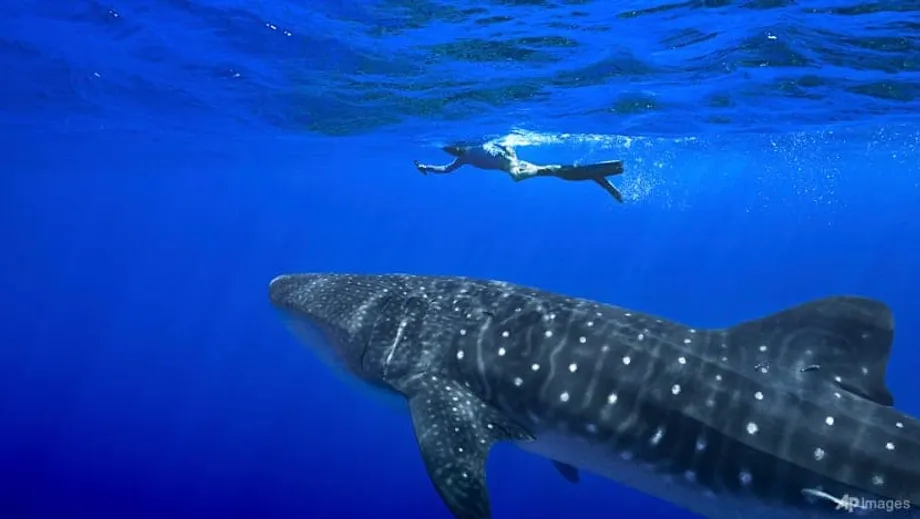
Oceanic whitetip sharks, whale sharks and all manta and devil rays received this protection. Their populations have suffered steep declines across much of their range. The restrictions cover products made from the animals as well as the animals themselves, closing routes through which fins and other valuable body parts have reached international buyers.
Wedgefishes and giant guitarfishes face a different mechanism: zero annual export quotas for several species. A quota is the amount a country may export within a year. Setting it at zero stops legal exports in practice, while allowing narrow exceptions such as noncommercial scientific use with the necessary documentation.
Gulper, smoothhound and tope sharks were placed on Appendix II. International trade in these species can continue, but governments must issue permits and establish that exports will not harm wild populations. Authorities must also check that the animals or products were obtained legally and can be traced through the supply chain.
The package therefore applies different rules to different species. It closes commercial markets for those receiving Appendix I protection, halts exports where zero quotas apply, and places other widely traded sharks under closer oversight. Together, the decisions restrict valuable products while bringing trade that can continue into a system of government checks.
Why fishing pressure is so damaging
More than one third of shark and ray species face a high risk of extinction, according to scientific estimates. Overfishing is the main cause. Many sharks grow slowly, take years to reach maturity and produce relatively few young. When fishing removes large numbers of adults, replacement generations arrive slowly.
Pelagic sharks, which live in the open ocean, include hammerheads and blue sharks. Their populations have declined sharply over recent decades. In some regions, reef sharks are now functionally absent from coral reefs, meaning so few remain that they can no longer perform their usual ecological role.
Estimates put the number of sharks killed each year at more than 100 million. International demand contributes to that pressure through several distinct markets. Fins command high prices in some markets, while wedgefishes and guitarfishes are sought for both fins and meat.
Devil ray gill plates are sold for traditional remedies. Gulper sharks are targeted for liver oil used in cosmetic, health and pharmaceutical products. These markets create demand for species that can struggle to recover once their populations have been reduced.
Sharks and rays help maintain the balance of marine food webs, the relationships through which animals eat and are eaten. Losing large predators changes those relationships. The new protections seek to reduce trade pressures while giving depleted populations a chance to rebuild.
How permits connect science with trade
CITES regulates international wildlife trade so that demand across borders does not drive species toward extinction. It requires participating governments to adopt national laws, operate permitting systems, inspect shipments and report trade. The CITES Secretariat maintains the current list of protected species and their trade status, which serves as the legal reference for participating countries.
Appendix II permits depend on a non detriment finding. This is a scientific judgment that the proposed exports will not harm the species' survival in the wild. Scientific institutions and management agencies therefore sit at the centre of decisions about whether trade can proceed.
Legal sourcing is another requirement. Authorities must establish that specimens were acquired lawfully, and shipments must be traceable. For exporters, that means being able to follow products through the chain from the fishing vessel to the buyer, supported by reliable records and secure labelling.
CITES operates alongside domestic fisheries management. Fishing for local consumption falls under national fisheries rules, while the treaty governs trade across borders. Protecting a species through CITES therefore requires cooperation between wildlife authorities, fisheries agencies and customs officers.
Many countries will need to update their rules, train inspectors and invest in tools that identify species, including DNA testing. Processed fins, meat or other products can be difficult to recognise by sight. Identification guides and genetic checks can help officials verify whether a shipment contains a species covered by a ban, quota or permit requirement.
Delegates connect conservation with livelihoods
Barbara Slee, senior program manager at the International Fund for Animal Welfare, described the decisions as a change in how governments treat sharks. She connected the scientific evidence of decline with the scale of human pressure on the animals.
Scientific data clearly shows sharks need to be treated as a conservation issue, not a fishing resource. People may fear sharks, but the truth is we pose a far greater threat to them, with more than 100 million killed every year.
Luke Warwick, director of shark and ray conservation at the Wildlife Conservation Society, highlighted the oceanic whitetip listing as a milestone in the treaty's treatment of marine wildlife.
For the first time in CITES history, a shark species has received full protection with a complete ban on international trade. Countries have sent a clear message that ocean species deserve the same urgency and protection as wildlife on land.
Lester Gittens, lead delegate from the Bahamas, focused on the relationship between living sharks, healthy reefs and tourism. His comments placed jobs and conservation within the same discussion.
Sharks support jobs across our islands. Further declines benefit no one. Strong protections can help rebuild populations and sustain both ecosystems and economies.
In some regions, living sharks generate more income through tourism than through the sale of meat or fins. That gives coastal economies a direct stake in population recovery. Support for alternative income and changes in fishing gear can also help communities adjust to tighter restrictions.
Hong Kong market samples reveal enforcement gaps
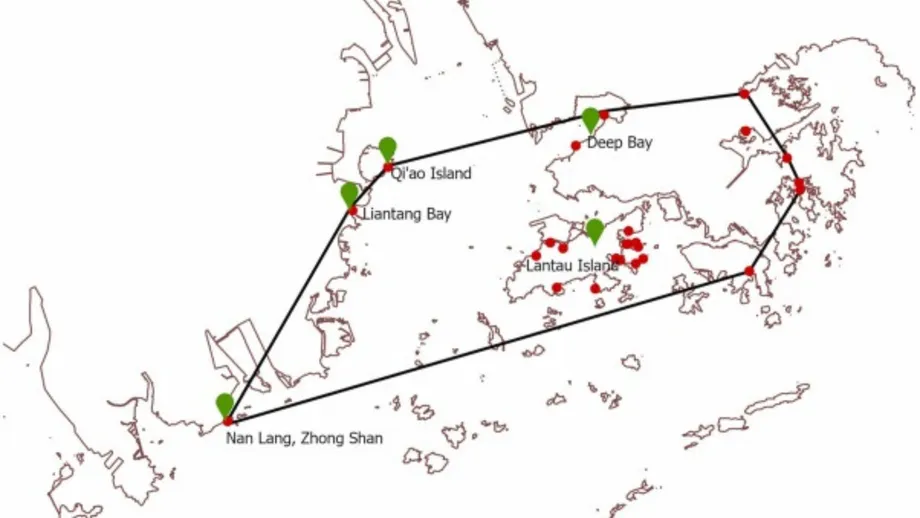
Genetic studies of Hong Kong markets, a global centre for shark fins, show why stronger legal protections must be accompanied by enforcement. Fins from species already regulated under CITES continued to appear in large numbers, despite very low levels of reported and certified legal trade.
Researchers found fins from four out of five protected species in samples collected over several years. For oceanic whitetips, the proportion detected was dozens of times higher than expected from official trade records. Hammerheads showed similar patterns. The findings point to widespread noncompliance in parts of the supply chain.
DNA tracing linked fins to fisheries across multiple regions, indicating the involvement of many exporting countries. The problem therefore extends beyond a single market or port. It involves the routes through which products move from fishing grounds to processors, exporters and buyers.
Appendix II can improve management when governments verify that exports are legal and sustainable. Weak oversight, however, creates opportunities for illegal products to enter trade. Moving the oceanic whitetip to Appendix I removes commercial trade entirely, simplifying enforcement, closing common loopholes and potentially reducing incentives to target the species.
Stronger use of CITES compliance tools, better reporting and routine genetic testing at ports will be essential to reducing illegal flows. Wildlife and fisheries agencies will also need closer coordination so that information about catches, exports and market samples can inform enforcement decisions.
What fisheries and exporters will need to change
Fisheries that encounter protected sharks and rays will need to reduce bycatch and mortality. Bycatch means animals caught unintentionally while fishers are targeting other species. Preventing those encounters, or improving the chances that captured animals survive release, can help reduce pressure on vulnerable populations.
Possible measures include circle hooks, changes in hook sizes, different bait and avoiding places or times where vulnerable species are most likely to be caught. Safe release practices can also reduce deaths. Some fisheries may face closures in particular areas and periods where encounters are frequent.
Observer coverage and electronic monitoring can document fishing practices, improve catch information and support compliance checks. These measures connect restrictions at the border with what happens aboard vessels, where many of the decisions affecting shark and ray survival are made.
Exporters will need robust systems for tracking products from vessel to buyer, with secure labelling and records showing each stage of the journey. Authorities will require valid permits at export and import. Customs officers will need training and identification guides suited to processed products, supported by routine DNA checks where needed.
Traders handling Appendix II species must secure the required non detriment findings. For species under zero export quotas, commercial exports will stop, and any research exception will need careful documentation. The implementation timetable was not specified, so businesses and authorities will need to follow the relevant national measures as they are put into place.
Demand may also move toward unlisted species where bans or quotas restrict existing supplies. Consumer campaigns and traceable supply chains can help reduce pressure on threatened animals. Policies that combine enforcement with support for coastal communities, including alternative income and programs to change fishing gear, can ease the adjustment.
Elephants, rhinos and saiga receive different decisions
The Samarkand meeting addressed wildlife beyond sharks and rays. Delegates rejected efforts to weaken trade rules for elephants and rhinos, keeping strict limits intended to deter poaching and prevent illegally obtained material from being passed off as legitimate stockpiles.
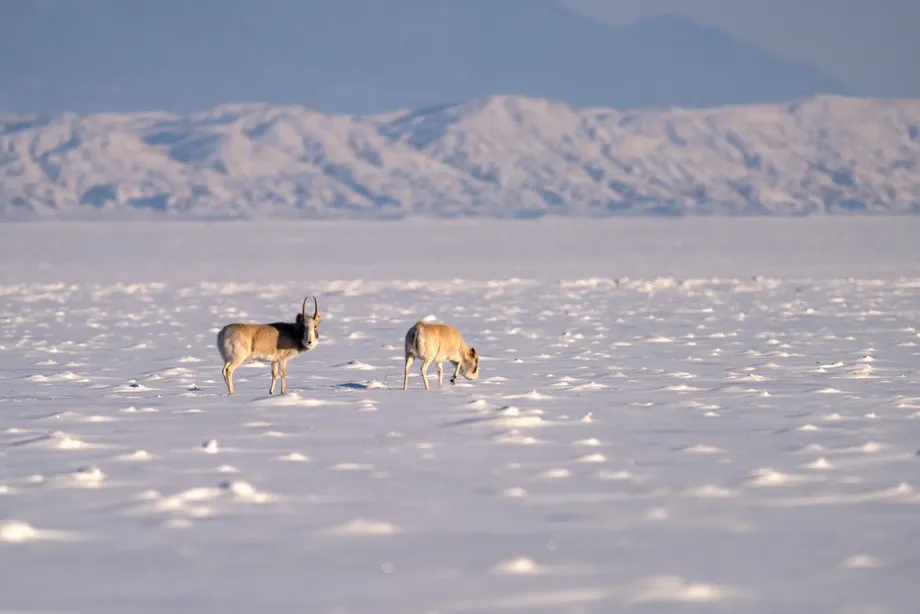
Kazakhstan's saiga antelope received a different decision. Countries relaxed regulations on saiga horn exports after the species' status improved through better law enforcement and habitat protection.
The decisions show how CITES can tighten or ease controls in response to scientific evidence. For elephants and rhinos, governments retained strict trade limits. For saiga in Kazakhstan, improved status supported a relaxation. For sharks and rays, evidence of decline prompted an unprecedented expansion of protection.
How recovery will be judged
Market monitoring will provide some of the earliest measures of progress. Authorities and researchers can track the volume and types of shark fins and meat being sold, alongside the number and quality of non detriment findings used to authorise exports.
Seizures, prosecutions and national implementation measures published by governments will offer other indicators. Together, these records can show how countries are applying the rules and where enforcement needs attention. Tracking legal documentation alongside products found in markets will be particularly useful where genetic studies have already identified gaps.
Over the medium term, scientists will look for a falling share of protected species in market DNA samples, greater compliance with permitting requirements and changes in fishing practices that reduce bycatch. Routine testing can help reveal whether restrictions are reaching the supply chains that previously carried protected species.
Population trends remain the central measure of recovery. Managers will need to track abundance, survival and reproduction to determine whether mortality has fallen enough for depleted populations to rebuild. Slow growth and limited reproduction mean that recovery can take time even when fishing pressure falls.
The Samarkand package seeks to give the most vulnerable species a chance to recover while improving management of those that can be traded responsibly. Its practical test will take place at fishing grounds, ports and markets, where national rules, scientific assessments and inspections determine whether the agreement changes what is caught and sold.
What to Know
- Governments at the 20th CITES Conference of the Parties in Samarkand approved the treaty's largest expansion of shark and ray protections, covering more than 70 species.
- Oceanic whitetip sharks, whale sharks and all manta and devil rays received Appendix I protection banning international commercial trade.
- The oceanic whitetip became the first shark species moved onto Appendix I for a full international commercial trade ban.
- Several wedgefishes and giant guitarfishes received zero annual export quotas, effectively stopping legal exports.
- Gulper, smoothhound and tope sharks received Appendix II controls requiring permits, legal sourcing, traceability and scientific findings that exports will not harm wild populations.
- More than one third of shark and ray species face a high risk of extinction, with overfishing the main driver. Estimates put annual shark deaths above 100 million.
- Hong Kong market studies found protected shark fins despite low reported legal trade, demonstrating the need for stronger inspections, reporting and genetic testing.
- Implementation will require national rules, better shipment records and fishing practices that reduce bycatch and mortality.
- Delegates retained strict elephant and rhino trade rules while easing saiga horn export controls for Kazakhstan after improvements in the species' status.
- Progress will be measured through market samples, compliance records, fishing practices and the abundance, survival and reproduction of protected species.