Japanese attendees lose access on the eve of the Zhuhai show
Japanese guests and journalists have been told they cannot enter Aero Asia in Zhuhai, Guangdong Province, just before the aviation exhibition opens on Thursday. About 400 companies from China and abroad are expected to participate in the four days of events, which are scheduled to continue through Sunday.
Contents
- Japanese attendees lose access on the eve of the Zhuhai show
- What the organizers told guests and journalists
- How the Taiwan dispute reached the exhibition
- The sequence from political dispute to revoked badges
- What Aero Asia brings together
- Why the Singapore aircraft dispute offers a comparison
- Tourism pressure and consumer choices diverge
- What Japanese aviation businesses stand to lose
- Entry controls and the wider diplomatic outlook
- Key Points
Organizers notified affected attendees on Wednesday that their access had been revoked. At least one Japanese reporter had already collected a press pass before being told that it was no longer valid. Staff at the venue directed him to the organizers for an explanation.
Several registered guests also arrived to collect their badges and learned that their credentials were invalid. The late notice disrupted arrangements for people who had already booked travel and accommodation, with interviews, meetings and other activities planned around the exhibition.
An organizing committee representative attributed the exclusion to instructions from higher levels, citing recent political and diplomatic developments. The decision comes during a dispute between Beijing and Tokyo following remarks about Taiwan by Japanese Prime Minister Sanae Takaichi.
Zhuhai, a coastal city near Macao, hosts Aero Asia every two years. Messe Frankfurt and Zhuhai Airshow Group organize the event, which focuses on civil aviation and combines exhibitions with expert discussions, technical seminars and pilot workshops.
The restriction brings the diplomatic dispute directly into a professional gathering. Manufacturers, service providers, training organizations and technology businesses use Aero Asia to demonstrate products and meet potential customers. For Japanese attendees, losing access at the last moment interrupts those exchanges as well as the reporting that would bring the event to audiences in Japan.
What the organizers told guests and journalists
The organizing committee representative told affected parties that the decision came from above the local event staff. The representative described the instruction and its stated reason:
Higher ups gave instructions to deny entry, citing recent political and diplomatic reasons.
Registration staff were therefore handling the consequences of a decision attributed to a higher level. The brief explanation matched the sudden withdrawal of access, including credentials that had already been issued.
Organizers did not publish a written policy setting out the scope of the exclusion or the precise rules applied to tickets and badges. The number of people turned away, whether narrow exceptions would be considered, and how many Japanese exhibitors had planned to attend were not immediately clear. Organizers also did not announce whether Japanese exhibitors already inside the venue would face further limits on demonstrations or meetings.
Japanese journalists faced an immediate practical problem: possessing an issued press pass was no longer enough to enter. Guests who had scheduled business discussions or training activities also had to change plans shortly before the opening.
Large aviation exhibitions can receive security instructions from authorities, especially when civil aviation activities appear alongside topics connected to defense. Guidance can arrive close to opening day. In Zhuhai, however, the reason communicated to attendees was political and diplomatic, and the restriction reached an entire national group at the entrance.
How the Taiwan dispute reached the exhibition
Prime Minister Sanae Takaichi's recent comments on Taiwan angered Beijing and triggered the latest deterioration in relations between China and Japan. China regards Taiwan as part of its territory and reacts strongly to statements by foreign leaders concerning its security or international standing.
Japan, a close ally of the United States, has long described peace and stability in the Taiwan Strait as essential to regional security and sea lanes. The dispute therefore concerns a subject that both governments connect to their security interests.
Beijing and Tokyo also have a relationship shaped by historical grievances, maritime disputes around the Senkaku Islands and the pattern of alliances in East Asia. Taiwan is a sensitive issue within that wider relationship. The exclusion at Aero Asia makes the current strain visible in a setting normally used for technical and commercial exchange.
Travel and personal exchanges have already felt the effects. A boycott by Chinese travelers has led to cancellations of trips to Japan, placing pressure on hotels, restaurants and retailers that depend on tourist spending.
Public events and consumer decisions are responding unevenly. At a major auto show in China, many buyers continued to engage with Japanese brands and said value and technology guided their choices. That contrast matters for businesses: restrictions at a controlled exhibition venue and decisions about everyday purchases can move in different directions during the same diplomatic dispute.
The sequence from political dispute to revoked badges
The immediate sequence runs from the dispute over Taiwan to the withdrawal of access shortly before Aero Asia's opening. The timing left affected attendees little room to rearrange travel, interviews or business appointments.
- Recent remarks on Taiwan by Japanese Prime Minister Sanae Takaichi sparked a dispute with Beijing.
- On Wednesday, Japanese guests and reporters were told that their access to Aero Asia had been revoked.
- At least one Japanese reporter who had already collected a press pass learned that it had been invalidated.
- Aero Asia is scheduled to open on Thursday and continue through Sunday, with about 400 companies expected to participate.
The program is proceeding with its published dialogues, seminars and pilot workshops. Japanese attendees who had built schedules around those activities face changes while the wider exhibition continues.
The four days in Zhuhai are the immediate focus for exhibitors and visitors. Companies will have to adjust their arrangements, visitors will navigate additional checks, and participants will try to maintain technical exchanges under tighter political constraints.
What Aero Asia brings together
Aero Asia is a platform for civil aviation businesses and professionals. Its activities connect suppliers and operators across general aviation, including maintenance providers, avionics businesses, flight schools and airport services. Avionics refers to the electronic equipment used in aircraft.
Expert talks, technical seminars and pilot training workshops sit alongside exhibitions and business matchmaking. Practical sessions allow participants to learn from equipment and demonstrations, while meetings bring suppliers into contact with operators and possible customers.
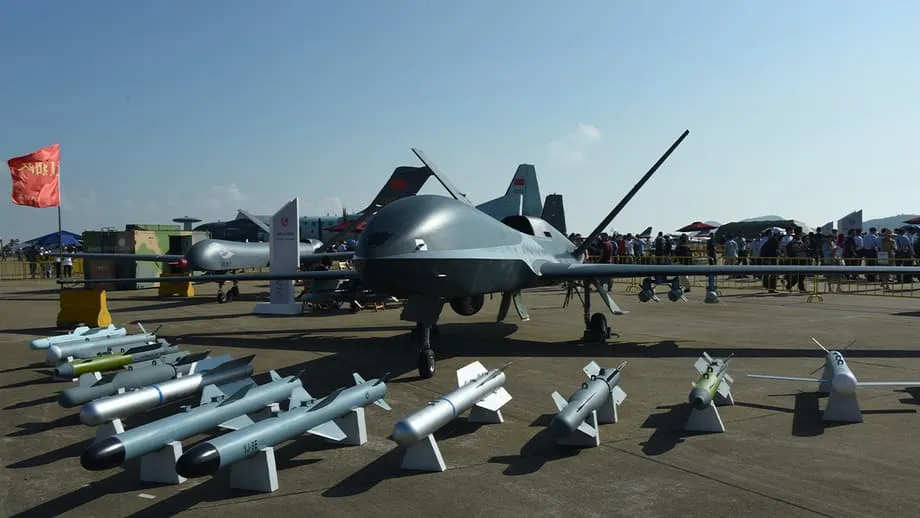
Static aircraft displays and live demonstrations, where permitted, add to the event's appeal for pilots and engineers. These activities make the exhibition more than a place to exchange brochures: participants can inspect products and discuss how they might be used.
About 400 companies are expected to exhibit over the four days. The gathering remains a substantial platform for China's civil aviation sector, even as the exclusion reduces participation by Japanese guests and media.
Japanese firms use such meetings to build visibility for new products, hold client discussions and take part in training activities. Losing contact in person can limit those opportunities and delay partnership discussions. Journalists also connect the show with readers and viewers elsewhere, so their exclusion will reduce coverage in Japan.
Civil aviation and topics connected to defense sometimes share space at major industry exhibitions. That mix can bring additional security controls. Aero Asia's focus on civil aviation, however, also brings together routine commercial activities such as maintenance, training and services, all of which depend on contact between participants.
Why the Singapore aircraft dispute offers a comparison
Air shows commonly impose access controls around military equipment. Exhibitors or host governments may require identity checks or restrict entry to particular aircraft, especially when equipment has military uses or can serve both civilian and military purposes.
At a recent Singapore Airshow, some Chinese visitors said they had been prevented from boarding a German military transport aircraft on display. The manufacturer, Airbus, apologized and said it had worked with the customer to open access more broadly for the rest of the event.
Airbus described its response in a statement, saying its teams and the customer had coordinated to address access to the aircraft:
We immediately communicated and coordinated with the customer and our Airbus teams at the show to ensure that the aircraft was open to all visitors for the remainder of the airshow. We sincerely apologise for any inconvenience this may have caused.
The Singapore incident concerned access to a particular military aircraft. Zhuhai's restriction reaches Japanese guests and reporters at the gate of the exhibition itself. That wider scope makes it an unusual barrier based on nationality in the Asian aviation trade circuit.
Controls around sensitive aircraft can be applied unevenly on a busy exhibition floor. A restriction covering a national group affects a much broader range of activities, from technical discussions to media access. In Zhuhai, it also sends a political message and narrows the range of international participation that industry gatherings are designed to attract.
Tourism pressure and consumer choices diverge
Chinese travel cancellations are creating financial pressure for Japanese businesses that serve visitors from abroad. Hotels, restaurants and retailers depend on tourist spending, and a sustained decline would put further pressure on those operators, according to industry groups.
Some businesses are trying to attract customers from other markets to reduce the damage. Rebooking policies and discount campaigns can also help, although the loss of large tour groups leaves a gap that is difficult to fill quickly.
The travel boycott shows how diplomatic tension can change spending across borders. A canceled trip affects accommodation, meals and shopping as well as the journey itself, spreading the consequences across several kinds of business.
Chinese car buyers at a major auto show described a different approach. Many continued to consider Japanese brands and said price, reliability, technology and product support mattered more to them than the political dispute.
Those responses show an uneven pattern: events managed through formal access controls can face tighter restrictions while consumer markets continue to function. For companies operating in both countries, the effect of the dispute depends partly on where and how they meet their customers.
What Japanese aviation businesses stand to lose
Japanese aerospace and general aviation companies view China as an important market for training, maintenance and light aircraft. Sudden uncertainty about exhibition access complicates plans built around regular visits and established professional relationships.
Aero Asia provides opportunities to meet Chinese operators, arrange technical briefings and discuss potential partnerships. Removing part of the expected audience can disrupt those meetings and reduce the visibility of products that companies intended to demonstrate.
Exhibitors tailor announcements and briefings to the people they expect to meet. A sudden change in attendance can delay product launches or push companies toward online presentations. Practical demonstrations and time in aircraft cockpits are especially valuable for evaluation and training, making the loss of contact in person difficult to replace.
Media exclusions create another obstacle to reaching customers in China, while also limiting coverage for audiences in Japan. Reporting, interviews and planned announcements are part of the broader network of communication around an exhibition.
Firms can turn to other events in Asia, but relationships developed through repeated participation in Zhuhai take time to replace. The immediate consequence is a disrupted schedule; the wider business concern is uncertainty about whether future plans will survive changes in access rules.
Entry controls and the wider diplomatic outlook
Foreign travelers in China operate within a tightly managed system of visa conditions, identification checks and residence registration. Access can be restricted near military installations and other sensitive locations, and large exhibitions often coordinate with local authorities.
Several governments advise travelers to carry passports and visas at all times and be prepared for additional screening. Communications can be monitored, and demonstrations require approval. Within that setting, changes to event access can lead to canceled arrangements or invalidated credentials even after badges have been printed.
Organizers' reliance on guidance from authorities helps explain how a late instruction can reach registration desks shortly before an opening. For visitors, the practical result is that an earlier registration or issued badge may be overtaken by a later decision.
Aero Asia is continuing through Sunday, with hundreds of exhibitors still expected to take part. The exclusion will disrupt meetings and training sessions intended to connect Chinese operators with Japanese partners, while reducing the international media presence.
Public restrictions of this kind also carry risks for other exchanges. Cultural programs, university activities and business delegations could face similar disruption if the strained political climate persists.
Attention after the four days in Zhuhai will turn to whether Beijing and Tokyo ease tensions in the coming weeks or whether further restrictions appear at other events. For now, the concrete development is the withdrawal of access from Japanese guests and reporters immediately before a major aviation gathering.
Key Points
- Japanese guests and reporters were told on Wednesday that they could not enter Aero Asia in Zhuhai.
- At least one Japanese reporter's press pass was invalidated after it had been collected.
- An organizing committee representative cited instructions from higher levels and recent political and diplomatic reasons.
- The restriction follows a dispute over Taiwan remarks by Japanese Prime Minister Sanae Takaichi.
- The exhibition is scheduled from Thursday through Sunday, with about 400 companies expected to participate.
- Organizers did not publish a written policy defining the scope of the exclusion.
- The Singapore Airshow comparison involved access to one German military aircraft, followed by an Airbus apology and broader access.
- Chinese travel cancellations are pressuring Japanese tourism businesses, while many car buyers in China continue to consider Japanese brands.
- The exclusion disrupts reporting, client meetings, practical training and technical exchanges.