Hours of waiting overshadow a major exhibition opening
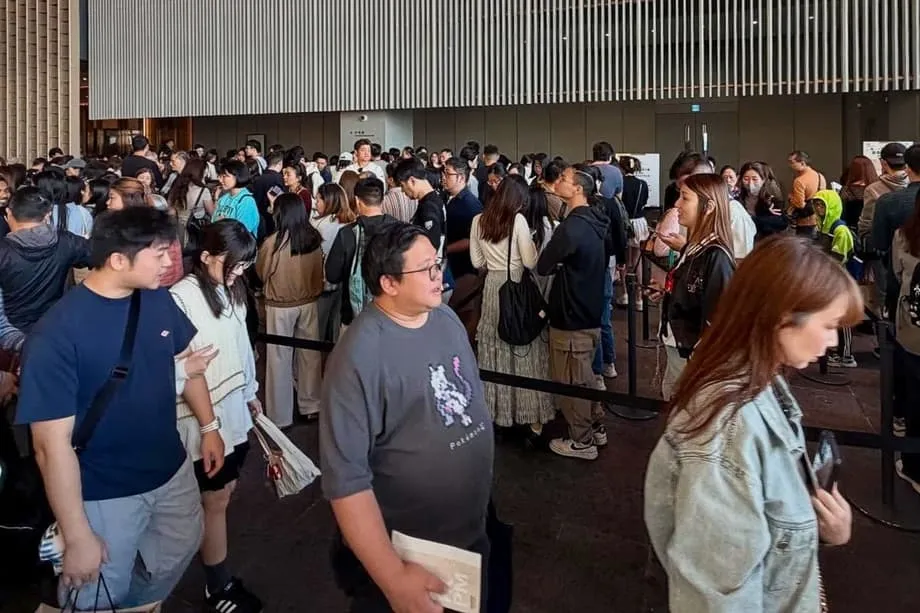
The Hong Kong Palace Museum has apologised after opening weekend crowds at Ancient Egypt Unveiled left visitors waiting in confusing queues for hours, with some demanding refunds when they could not enter as planned. The exhibition brings together 250 artefacts from seven Egyptian museums and is expected to attract more than 700,000 visitors during its run from 20 November 2025 to 31 August 2026.
Contents
- Hours of waiting overshadow a major exhibition opening
- How the opening weekend unfolded
- Ticket changes and additional access
- Why booked entry can still involve a wait
- What visitors can see in Ancient Egypt Unveiled
- Royal statues, sacred animals and the discoveries at Saqqara
- A cultural partnership with a regional audience
- Planning a visit after the opening disruption
- What needs to work through the nine month run
- Key Points
On Saturday, the museum suspended ticket sales at the venue at around 11 am to control the flow of people and keep galleries safe. It resumed sales at around 3:30 pm, releasing a limited number of tickets for entry that day. The museum apologised that evening and said it would arrange additional access for visitors affected by the disruption.
By Sunday, 23 November, visitors described a calmer atmosphere and more orderly queues. The museum also extended its closing time by two hours to 8 pm and encouraged people to come in the morning or early evening, away from the busiest afternoon period.
The difficult start placed two parts of the exhibition in sharp contrast: strong interest in a rare presentation of Egyptian treasures, and the practical challenge of admitting a large audience without overwhelming the entrance or galleries. People with advance bookings, those seeking tickets for the same day and passersby arriving in a busy cultural district all contributed to pressure at the doors.
The exhibition will remain open for about nine months. That gives the museum time to adjust its arrangements, but visitors who paid and waited without entering are still looking for a clear way to return.
How the opening weekend unfolded
Egyptian Deputy Minister of Tourism and Antiquities Yomna El-Bahar attended the opening ceremony on Thursday. Her presence reflected the importance of the exhibition and the international partnership behind it. Within days, that high profile opening was followed by queues that the museum could not accommodate all at once.
The main developments were:
- 20 November 2025: Ancient Egypt Unveiled began its scheduled run. The opening ceremony on Thursday was attended by Yomna El-Bahar.
- Saturday morning: Crowds built up, and the museum suspended ticket sales at the venue at around 11 am.
- Saturday afternoon: A limited number of tickets for that day went on sale at around 3:30 pm.
- Saturday evening: The museum apologised and said affected visitors would be offered additional access.
- Sunday, 23 November: Visitors reported more orderly lines and a calmer atmosphere following changes to visitor arrangements.
- 31 August 2026: The exhibition is scheduled to end.
The temporary sales pause was intended to reduce pressure while maintaining safe numbers inside. Releasing only a small batch later in the afternoon allowed some further admissions without immediately adding another large group to the queues.
Long waits were especially frustrating for people who expected their tickets to allow them to enter as planned. Unclear signs, merging lines and uncertainty about where to wait for a booked entry time can turn a busy museum entrance into a confusing one. When movement inside slows, the delay can also reach back through the entrance and into the waiting crowd.
Ticket changes and additional access
The museum asked people who had not yet purchased tickets to consider another date and to book online in advance. Its advice to visit in the morning or early evening was intended to spread demand away from the afternoon peak.
Extending opening hours until 8 pm gave visitors another two hours and provided more room to distribute admissions across the day. Clearer queuing and tighter control over tickets sold at the venue helped improve conditions on Sunday, with people holding advance tickets reporting more manageable waits.
Visitors who missed entry on Saturday were told that additional access would be arranged. This could include priority entry or special entry on later dates so that people who waited but could not see the exhibition would have another opportunity.
The museum had not immediately published the detailed arrangements at the entrance during the rush. Although some visitors requested refunds, the response described was an apology and a promise of further access; a refund decision and the precise return arrangements had not been announced.
Affected ticket holders should retain their purchase details and monitor museum announcements for instructions about priority visits or dedicated entry times. The museum indicated that it would contact or accommodate those affected, while people planning a new visit should check whether tickets remain available before travelling.
Why booked entry can still involve a wait
Timed entry is a way of spreading arrivals through the day. Each slot admits a defined number of visitors so that galleries remain within safe capacity. It works best when people arrive within their chosen window and can easily find the correct queue.
Guests arriving early or late can complicate that schedule. A queue for tickets sold at the venue can also interfere with the line for people who already hold bookings if the two are not clearly separated. Staff then have to maintain capacity limits while dealing with hundreds of people arriving at once.
Inside the exhibition, a crowd moving slowly past popular objects can delay admission at the door. If visitors gather around a headline artefact, the surrounding space fills and those behind them have less room to move. Pausing entry gives the people already inside time to continue through the galleries.
Separate lanes for advance ticket holders and people buying tickets that day reduce uncertainty outside. Clear signs, regular announcements and current waiting times help visitors understand where to stand and what will happen next. Inside, routes moving in one direction, wider aisles and places where staff can regulate the pace help keep movement steady.
The opening weekend illustrated how these tasks depend on one another. Ticket availability, entrance queues and movement through the galleries all affect the same flow of people. A delay in one place can become a much longer wait elsewhere.
What visitors can see in Ancient Egypt Unveiled
Ancient Egypt Unveiled gathers 250 objects from seven museums across Egypt, including the Egyptian Museum in Cairo, the Luxor Museum, the Suez National Museum and the Sohag National Museum. The display covers a broad span of ancient Egyptian history through statues, coffins, jewellery, musical instruments and everyday items.
The exhibition is organised into four thematic sections: The Land of the Pharaohs, The Legend of Tutankhamun, The Secrets of Saqqara, and Ancient Egypt and the World. Together, they take visitors from royal authority and famous rulers to burial discoveries and connections with other cultures.
Digital tools and multimedia displays help explain the objects and the craftsmanship behind them. One installation uses projection mapping around a colossal statue of Tutankhamun to suggest how it might have appeared in its original setting.
Projection mapping places images onto a surface rather than showing them only on a flat screen. In this display, it helps visitors imagine the scale and colour of royal monuments, adding context to an object that is now viewed in a museum rather than the place where it originally stood.
The breadth of the exhibition helps explain its appeal. Visitors can see objects connected with rulers and religious beliefs alongside items associated with daily life, making the show more than a presentation of royal treasures alone.
Royal statues, sacred animals and the discoveries at Saqqara
A towering statue of Tutankhamun is among the headline pieces. A seated statue of a scribe presents another part of Egyptian society: the people whose work recording information supported the court and its administration.
Religious figures appear in several forms. The display includes a statue of Bastet holding a sistrum, a musical instrument, and a seated figure of Anubis. Animal mummies and a hippopotamus sculpture also introduce beliefs about the natural world and the afterlife.
The objects give visitors different routes into the subject. A royal statue points to the power of a ruler, while a scribe connects the exhibition to the work of keeping records. Coffins and animal mummies bring burial practices and religious beliefs into view.
The Secrets of Saqqara section explores a necropolis, or burial area, where discoveries have been made in recent years. It gives visitors interested in newer finds a way to connect archaeological work with the ancient objects on display.
Ancient Egypt and the World broadens the focus beyond Egypt. The exhibition places Egyptian artefacts in conversation with ancient Chinese objects, inviting comparisons in writing, ritual, craft and state ceremony. Public programmes and talks carry this theme of cultural exchange beyond the gallery displays.
A cultural partnership with a regional audience
The museum's partnership with Egypt's Supreme Council of Antiquities follows a successful presentation in Shanghai. The Hong Kong exhibition is expected to attract visitors from across the Greater Bay Area and beyond, bringing regional interest to the West Kowloon Cultural District.
China and Egypt will mark 70 years of formal diplomatic relations in 2026. The exhibition sits within a wider relationship that includes trade and tourism, while the attendance of Yomna El-Bahar at the opening made the cultural partnership visible at ministerial level.
West Kowloon has become a centre for large exhibitions and public events. Access to transport helps bring substantial audiences to the district, but even venues accustomed to busy days can face strain when tens of thousands of people converge on a single attraction.
The museum's estimate of more than 700,000 visitors across the exhibition's run shows the scale of the audience it expects. That interest also supports Hong Kong's ambition to be a centre for cultural exchange in the region.
For visitors, the international partnership means an opportunity to see objects brought together from several Egyptian collections. For the museum, the same appeal creates a continuing operational task: allowing large numbers of people to spend time with the displays while keeping arrivals and movement manageable.
Planning a visit after the opening disruption
Advance purchase offers the best way to reduce uncertainty about admission. The museum recommends choosing another date if tickets have not yet been bought and visiting in the morning or early evening rather than during the afternoon peak.
Tickets for entry on the day may become available in small batches when capacity allows. Their availability can change with crowd levels, as Saturday's suspension and later limited release showed. Travelling without a booking therefore requires checking the museum's updates and being prepared for a change in plans.
Visitors can take several practical steps:
- Buy online in advance, choose a specific entry slot and aim to arrive within that window.
- Consider morning or early evening, especially on weekends and public holidays.
- Check museum announcements on the day for any suspension or resumption of ticket sales at the venue.
- Look for the correct entrance lane, including signs separating advance ticket holders from people seeking tickets that day.
- Travel light because large bags can slow security checks, and check photography rules for restrictions on tripods and flash.
- Allow enough time for the full exhibition route, which extends across multiple galleries with dense displays.
- Keep purchase details if the opening queues prevented entry, and watch for instructions on additional access.
People seeking a quieter visit can consider weekday mornings and check the schedule for extended evening hours or special entry arrangements. These choices should be made alongside current ticket information, rather than relying on tickets being available at the door.
What needs to work through the nine month run
The opening congestion appears to have been driven by a mismatch between demand and the number of people who could enter at once. Three practical pressure points shaped the experience: keeping different queues separate, maintaining movement inside the galleries and telling waiting visitors what to expect.
Large signs in plain language can direct visitors into the correct line before they reach the busiest area. Staff carrying signs at points where people choose a route can help redirect groups before congestion develops. A route through the galleries that moves in one direction can reduce crossing traffic and allow people to continue without feeling rushed.
Updates on waiting times, both online and at the plaza, give people useful choices. Visitors who know how long they are likely to wait can decide whether to take a break and return at the right moment. Temporarily stopping ticket sales can also protect the experience of those already inside and reduce pressure at the entrance.
Sunday's more orderly queues suggested that the early changes were helping. Longer opening hours increased flexibility, clearer lines reduced confusion, and limiting the later release of tickets reduced the chance of another sudden surge. The museum is likely to continue adjusting the balance between advance bookings and sales at the venue as it learns from the opening weekend.
Demand is expected to vary during the exhibition. Weekends, school holidays and late December are likely to be busy. Interest may ease after the first weeks, then rise again when holidays or public programmes draw family groups.
As visitors learn when to come and the museum adjusts capacity, the flow can become steadier. Sustained communication, separate queues and consistent pacing through the galleries will be central to making the long exhibition run easier to navigate and giving people time to appreciate the objects.
Key Points
- Opening weekend queues at Ancient Egypt Unveiled lasted for hours, and some visitors who could not enter demanded refunds.
- The Hong Kong Palace Museum apologised and promised additional access for affected visitors.
- Ticket sales at the venue paused at around 11 am on Saturday and resumed in a limited release at around 3:30 pm.
- Sunday brought calmer conditions, while closing time was extended by two hours to 8 pm.
- The museum encourages advance booking and visits in the morning or early evening.
- The exhibition contains 250 objects from seven Egyptian museums, organised into four thematic sections.
- Organisers expect more than 700,000 visitors during the run from 20 November 2025 to 31 August 2026.
- Clear queue separation, steady movement through galleries and timely updates remain central to managing demand.