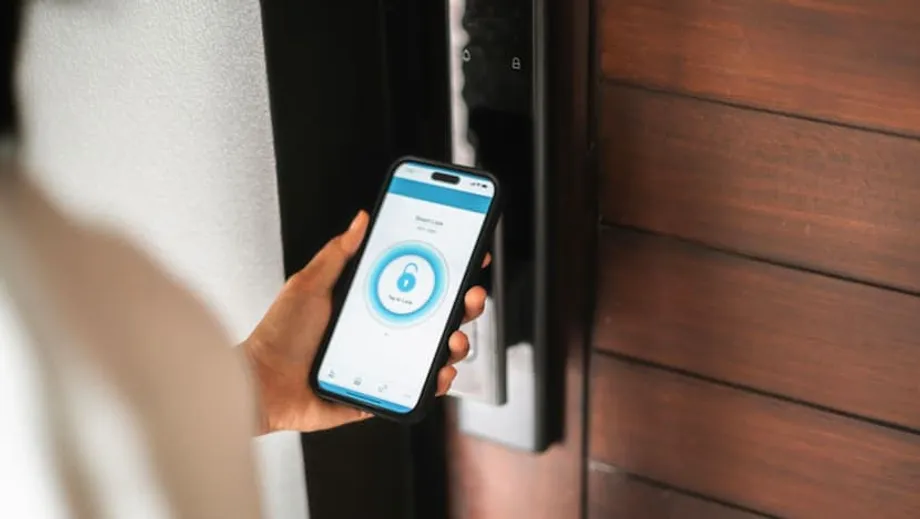
Four complaints and a warning about access to the front door
The Consumers Association of Singapore (CASE) recorded four complaints about smart locks in 2025, compared with none in 2024. The complaints involved unexpected charges, battery failures and products that did not work as advertised. In another incident, more than 50 residents were reportedly locked out after a dispute between a distributor and a manufacturer led to their locks being remotely disabled through a cloud control system.
Contents
- Four complaints and a warning about access to the front door
- What goes wrong inside cheaper locks?
- Battery life needs a practical backup plan
- A poor fit can turn a lock purchase into a door bill
- Fingerprints and faces are convenient, but performance varies
- Cloud control brings risks beyond hacking
- A dependable lock also needs a dependable connection
- What established and local brands offer
- Questions to settle before buying
- The cheapest purchase may cost more to keep working
- What to Know
As of November 20, 2025, those cases sit alongside accounts from locksmiths across Singapore of a steady rise in requests to repair or remove malfunctioning smart locks. Many troublesome units are original equipment models imported from overseas and sold under different brand names. Their quality varies, software support can be limited, and replacement parts can be difficult to obtain.
Singapore households have embraced fingerprint readers on wooden HDB doors, facial recognition on metal gates and locks controlled through phone apps. The attraction is straightforward: residents can enter without searching for keys or keeping track of spare copies. Yet some homeowners are returning to conventional keys after problems with inexpensive locks bought through online marketplaces.
Prices range from below S$100 to more than S$1,000. The difference can cover much more than extra unlocking features. Hardware quality, installation, repair services and cybersecurity all affect whether a lock remains dependable after the initial purchase.
For a household, failure can mean more than an inconvenient gadget. A stuck mechanism can block entry, an unsuitable installation can damage the door, and a supplier dispute can interrupt access. In severe fitting cases, homeowners may be told that replacing the main door is the only practical solution.
What goes wrong inside cheaper locks?
Low cost locks can save money on components that buyers cannot inspect from an online listing. Soft metals or plastic parts may wear prematurely. Loose tolerances, meaning the small gaps between moving parts, can cause handles to stick or deadbolts to fall out of alignment.
A deadbolt must line up with the opening in the door frame. If the mechanism meets resistance, unlocking can become unreliable and the motor may need more power. A lock with an attractive screen or several entry methods can still struggle with this basic mechanical task.
Firmware, the software built into the device, presents another potential weakness. Some units have poorly translated menus or software faults that emerge only after months of use. Thin support from the seller or manufacturer can leave owners with few options when a problem appears.
Generic models sold under several names can also be difficult to repair. A locksmith may be able to identify a failed component but have no dependable way to source a replacement. A small defect can then require replacing the entire lock.
Singapore's door thicknesses and gate arrangements add another complication. Some inexpensive models were designed for other markets and do not suit local hardware. Buyers therefore need to assess the mechanism, fit and service arrangements alongside the advertised features.
Battery life needs a practical backup plan
Battery problems are among the most common complaints. Owners describe rapid drain, inaccurate charge indicators and sudden shutdowns that leave them outside. Small batteries in some models may struggle to supply enough current when the motor encounters resistance.
Other locks use AA batteries or specialist cells that can be expensive to replace. Some retrofit products, which adapt an existing locking arrangement, use CR123A cells that last about six months in active households. Repeated purchases add to the cost of ownership.
Better battery designs include larger rechargeable packs and a straightforward replacement process that does not require the lock to be configured again. Local products now include lithium battery packs with capacities of around 5,000 mAh and stated operating periods approaching a year per charge. Spare packs can allow an owner to swap batteries quickly.
A stated battery lifespan is useful for planning, while accurate warnings and easy replacement matter in everyday use. Buyers should check the battery type, the expected interval between changes or charges, and whether replacement packs will remain available.
Most locks also have a contact pad for emergency power from a 9V battery. Keeping the appropriate emergency power supply accessible near the entrance can avoid a late night locksmith visit. A small power bank may serve that purpose on models designed to accept it; buyers should confirm which option their lock supports.
Emergency power and a mechanical key provide different forms of backup. The power connection helps when the battery is exhausted, while a physical key offers another entry method. Owners should understand both before relying on the lock every day.
A poor fit can turn a lock purchase into a door bill
HDB flats, condominiums and landed homes use different door and gate hardware. A cheaper lock may not match the existing mortise dimensions or metal gate profile. The mortise is the pocket cut into the door that holds the locking mechanism.
Installers may need to drill new holes or enlarge that pocket. Poorly executed work can weaken the door. Some locksmiths decline to install particular models because of the risk of damage or being blamed for faults later.
The outer lock plate also needs to cover holes left by the previous hardware. If it does not, cosmetic repairs may be necessary. In more serious cases, a replacement lock cannot be fitted satisfactorily into the existing cutout, leaving the owner facing a new door and hundreds of dollars in additional spending.
Homes with both a main door and a metal gate require another compatibility check. A budget gate lock may work independently of the door lock, requiring residents to unlock each separately. Newer paired systems can unlock both together, but the hardware must be compatible and the installation planned accordingly.
For HDB and condominium fire doors, buyers should check that the lock and any modifications meet local fire rating requirements, including relevant door set requirements such as SS 332. The assessment needs to cover the door and its fitted hardware together.
Fingerprints and faces are convenient, but performance varies
Fingerprint readers can struggle with wet or dry skin, cooking grime or fingerprints worn through manual work. Sensor quality and software determine how consistently a lock recognises the person trying to enter.
Facial recognition also depends on the camera and processing system. Depth sensing, often described as 3D recognition, checks more than a flat image and is more robust than a simple camera comparison. High quality imaging or depth information helps the system handle difficult lighting and faces presented at different angles.
A recent case in Beijing illustrated the risks of unreliable recognition. A smart door lock reportedly opened for a delivery rider whose appearance resembled the owner's. The manufacturer said it would send an engineer and pointed to a possible software or component issue.
The placement of a facial scanner matters too. On a metal gate, it may sit below eye level, requiring a resident to lean towards it. That can be awkward while carrying shopping bags. Owners also report differences in fingerprint responsiveness between models.
Households can improve the chances of consistent recognition by registering several fingers and repeating registration after a few weeks. Each family member's usual way of approaching and touching the reader should be considered during setup.
- Register more than one finger, including both thumbs, and add fingerprints for family members who use the entrance regularly.
- Clean hands and the sensor before registration, and capture fingerprints from slightly different angles.
- Keep a PIN, an RFID card and a physical key available as backup entry methods. An RFID card is a contactless access card read by the lock.
- Use a PIN feature that allows random digits before and after the real code, where supported, to make the code harder for an observer to identify.
- If the lock offers a recognition sensitivity setting, choose a conservative balance between convenience and security.
Biometric access works best as one part of a dependable entry system. A mechanical cylinder and an emergency power connection remain valuable when a reader or battery fails.
Cloud control brings risks beyond hacking
Smart locks belong to the Internet of Things, the collection of connected devices that exchange information through networks. Weak default passwords, outdated firmware and exposed cloud dashboards can affect locks just as they affect connected cameras and sensors.
The incident involving more than 50 residents shows another kind of risk: a commercial dispute between suppliers can affect a household's access. Service outages can also interrupt functions that depend on an external system, even without a criminal attack.
Singapore's Cyber Security Agency (CSA) advises users to consider whether each device needs an internet connection. For a lock, the decision involves weighing the usefulness of remote unlocking, guest codes managed through the cloud and app notifications against the dependence those features create.
CSA guidance also covers strong, unique account passwords, multifactor login where available and regular firmware updates. Multifactor login requires another check beyond a password, making it harder for someone with a stolen password to access an account.
Buyers should prefer locks whose core functions operate locally when the internet is unavailable. Offline access codes, a physical keyway and a manual latch provide ways to use the entrance without relying entirely on a remote service.
The practical questions are whether a resident can enter during an internet outage and how the supplier handles remote disabling. The reported distributor dispute did not include an incident date or a date for restoring access. Buyers should ask sellers to explain what happens to access if a service stops or a business relationship breaks down.
A dependable lock also needs a dependable connection
Homeowners describing smart home regrets often point to missing manual overrides and poor network planning. Weak routers and areas with poor signal in older blocks can make connected devices unresponsive at unpredictable moments.
Some locks use a gateway, a separate device that connects the lock to the home network. If the gateway loses its connection, remote features may appear unreliable even when the lock's local controls continue to function.
Before installation, residents should test WiFi coverage at the entrance and place the gateway within dependable range. Crowding it among metal surfaces can make the connection less reliable. Network planning belongs alongside checking the physical fit.
- Leave remote unlocking switched off when it is unnecessary, and enable it only for the period it is needed.
- Restrict administrator access to one or two trusted users, and remove old accounts when occupants or tenants change.
- Change access codes used by cleaners, contractors and delivery services, and use expiry dates where available.
- Check the brand's security history, frequency of updates, release notes and update process.
Households should also examine the privacy policy. Buyers need to understand which information leaves the device and whether photographs or video are stored in the cloud.
What established and local brands offer
Established manufacturers such as Yale focus on sturdy hardware, several entry methods and clear support after purchase. Their products combine keypads, fingerprint sensors and RFID access with app controls. Some packages also connect locks with alarms so the entrance and alert system work together.
Lockly uses a rotating keypad that rearranges numbers to reduce the usefulness of smudges for guessing a code. Its app supports offline access codes for guests. Separate mechanical and electronics warranty terms help buyers understand the support offered for different parts of the product.
Singapore brand PRISM+ has introduced door and gate locks designed for local hardware. Its top gate model includes 3D facial recognition, which users describe as faster than fingerprint verification in daily use. A rechargeable battery pack is intended to operate for many months between charges.
PRISM+ also offers coordinated gate and door unlocking. Professional installers handle fitting, cover existing holes where possible and configure the app during installation. Owners have praised support available around the clock for setup problems.
Trade offs remain. Remote functions can depend on a gateway, and integration with wider smart home systems may be limited. A buyer who values local installation and support still needs to check whether the product fits the household's existing devices and routines.
Across these brands, the practical attraction is a combination of serviceable hardware, understandable warranty terms and a repair network. Those arrangements become especially valuable when a lock fails and the household needs access restored promptly.
Questions to settle before buying
A smart lock for an HDB flat or condominium should match the door, gate and people who use it. A long feature list offers little comfort if the mechanism fits poorly or an older family member finds the available entry methods difficult.
Buyers can use the following checks to compare products and obtain clear installation and service terms before paying.
- Confirm mortise dimensions, door thickness and backset, the distance from the door edge to the centre of the locking hardware. Ask for a fitting template and check whether the outer plate covers existing holes.
- Prefer professional installation for main doors and gates. Establish whether cutting is necessary and who pays if an unsuitable installation damages the door.
- Look for at least three entry methods, such as fingerprint, PIN and physical key. Consider RFID cards for older family members who prefer them.
- Check battery type, expected lifespan, replacement procedure and the availability of emergency power, including a 9V contact pad where applicable.
- Confirm warranty duration, what it covers, where repairs take place and how long replacement parts normally take to arrive.
- Ensure essential entry functions work without the internet and that remote access is optional.
- Check for tamper alarms, automatic locking, privacy mode and entry logs. Protect the associated app account with a strong password.
- Verify compatibility with Apple Home, Google or Alexa if those systems are already used. Apple Home Key is available only on specific models.
- For a fire door, check relevant fire rating requirements, including SS 332 where applicable, and the effect of any proposed modification.
- Read the privacy policy to understand data transfers and any cloud storage of images or video.
- Include installation, batteries, optional keypads or hubs and subscriptions when comparing prices.
The cheapest purchase may cost more to keep working
A S$90 online lock can appear attractive until a dead battery, broken spindle or stuck latch prevents entry after midnight. The spindle is the part that connects the handle to the mechanism. Emergency locksmith charges, door damage and missed work the following morning can outweigh the initial saving.
Hard to find parts can turn a repair into a replacement. If the next lock does not fit the altered door cutout, the bill can grow again. A suitable product with dependable local service and a clear warranty may cost less over several years than repeated replacements.
Rechargeable batteries can reduce repeated spending on disposable cells, although buyers still need to check replacement pack availability and cost. Keeping installation records, serial numbers and warranty terms makes later service requests easier to manage.
Homeowners should ask how remote disabling is handled and what happens if the seller disappears. The central buying decision is whether the household can keep using and repairing the lock throughout its life, with reliable backup access when something fails.
What to Know
- CASE recorded four smart lock complaints in 2025, compared with none in 2024, involving charges, batteries and advertised performance.
- More than 50 residents were reportedly locked out after remote disabling linked to a distributor and manufacturer dispute.
- Locksmiths describe increasing repair and removal requests, with generic imported models presenting problems with parts and support.
- Prices range from below S$100 to above S$1,000. Installation, repairs, batteries and subscriptions affect the total cost.
- Poor fit can require drilling, cosmetic repairs or, in severe cases, replacement of the main door.
- Fingerprint and facial recognition performance varies. Several entry methods, emergency power and a physical key provide practical backups.
- CSA advises assessing the need for internet access, using strong passwords and keeping firmware updated.
- Check offline operation, fire door requirements, warranty terms, data practices and local repair support before buying.