A study warning reaches more than 123,000 students
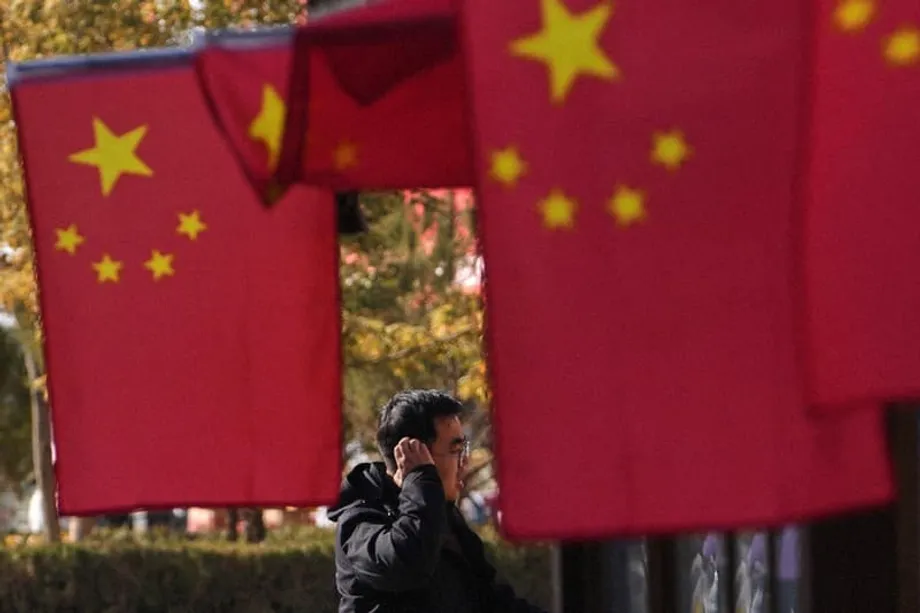
China's Ministry of Education urged citizens on Sunday, November 16, 2025, to carefully reconsider plans to study in Japan, bringing a diplomatic dispute over Taiwan into decisions about classrooms, flights and family finances. The ministry described Japan's public security situation as unstable and alleged that crimes aimed at Chinese nationals were increasing.
Contents
- A study warning reaches more than 123,000 students
- What the education ministry told students
- How Taiwan became the immediate trigger
- What Japan's security laws allow
- Safety concerns and everyday precautions
- Military tensions form the wider setting
- Why universities and families may feel the effects first
- Airlines offer flexibility as tourism faces uncertainty
- What students and families can do now
- Key Points
More than 123,000 Chinese nationals were enrolled at Japanese institutions in the 2024 academic year, according to the Japan Student Services Organization. They were the largest group of foreign students, and their number had risen by about 8,000 from the previous year. The warning therefore reaches a substantial community, including students already living in Japan and families preparing applications or departures.
Beijing's education alert accompanied broader advice from China's Foreign Ministry and diplomatic missions to avoid trips to Japan for now. Major Chinese airlines announced free refunds or itinerary changes for eligible tickets involving Japan. China also publicized new Coast Guard patrols near disputed islands administered by Japan as Senkaku and known in China as Diaoyu.
The immediate political trigger was a statement by Japanese Prime Minister Sanae Takaichi linking a possible military emergency over Taiwan to Japan's security laws. Beijing condemned her remarks as interference in China's internal affairs and demanded a retraction. Japan did not retract the statement.
Education exchanges and tourism are among the first areas where diplomatic friction can alter daily life. A disagreement between governments can quickly become a decision about whether to board a flight, accept a university place or postpone a semester. The November 16 warning places those choices against a dispute that also involves security legislation and maritime tensions.
What the education ministry told students
China's education authority presented its alert as a safety measure for people studying in Japan and those considering going there. It urged them to follow local security conditions closely, assess risks carefully and pay greater attention to their personal safety.
The ministry described the current environment for study as unfavorable and said safety risks for Chinese citizens in Japan were increasing. For prospective students, that message calls for another assessment before committing to travel. For those already enrolled, it directs attention to local conditions and everyday precautions.
Chinese diplomats in Tokyo had issued safety warnings before the latest political dispute. In April, the embassy highlighted several murders of young Chinese women reported since December 2024 and cautioned against walking alone at night. It also pointed to scams and theft that appeared to target Chinese nationals.
The embassy's messages included a health warning about rising norovirus cases. Norovirus causes gastrointestinal illness, and the advice focused on food and water safety. Travelers were urged to avoid untreated water, cook food thoroughly and take care with raw dishes.
No figure for the alleged increase in crimes targeting Chinese nationals was given in the November warning as described here. The ministry's broad assessment sits alongside the specific incidents and precautions previously raised by the embassy.
How Taiwan became the immediate trigger
Prime Minister Sanae Takaichi's recent comments in the Diet, Japan's parliament, connected a possible conflict in the Taiwan Strait to security legislation adopted in 2015. Those laws expanded the circumstances in which Japan can support an ally through the use of force.
Takaichi told lawmakers that a Taiwan emergency involving military force could meet the legal threshold for a situation threatening Japan's survival. Describing how such an emergency could be assessed, she said:
A military emergency over Taiwan could be regarded as a situation that would threaten Japan's survival.
China considers Taiwan part of its territory and rejects foreign involvement. Its Foreign Ministry demanded that Takaichi retract her remarks and warned that continued provocation would bring consequences. Beijing treated the connection between a Taiwan conflict and Japan's security laws as interference in China's internal affairs.
Japan did not withdraw the statement. Officials in Tokyo stressed the need to keep communication channels with Beijing open while pushing back against China's criticism. The two governments were therefore still discussing how to manage their relationship even as their positions remained in conflict.
The sequence stretches beyond a single announcement. Earlier safety notices, the prime minister's remarks and the November 16 study alert form the immediate context for students and travelers:
- Since December 2024, several murders of young Chinese women were reported in Japan, according to the cases highlighted by the Chinese embassy.
- In April 2025, the embassy warned about those murders, scams, theft and a rise in norovirus cases.
- Before the November 16 alert, Takaichi told the Diet that a military emergency over Taiwan could threaten Japan's survival under its security laws.
- On November 16, China's Ministry of Education urged citizens to carefully reconsider studying in Japan, alongside broader travel warnings and airline arrangements for eligible refunds or changes.
What Japan's security laws allow
Japan's 2015 security legislation allows a limited exercise of collective self defense in tightly restricted circumstances. In simple terms, collective self defense means using force to help defend an ally. Japan's laws require several conditions to be met before that can happen.
The government must determine that Japan faces a situation threatening its survival. It must also conclude that there is no other appropriate way to protect the lives and rights of the Japanese people. Any use of force must be limited to the minimum necessary level.
The laws do not mention Taiwan by name. The debate concerns whether the circumstances of a particular conflict could satisfy those legal conditions. Takaichi's statement connected a possible Taiwan emergency involving force to that assessment.
Japan's leaders use such statements to communicate deterrence to adversaries and reassurance to allies. Deterrence means trying to discourage an attack by signaling that it could bring a response. Beijing sees foreign involvement over Taiwan as crossing a political red line, which helps explain the sharp reaction to the prime minister's comments.
Travel and study advisories have become part of the pressure surrounding that disagreement. Their immediate reach is civilian: students, parents, universities, airlines and tourism businesses must consider changes while the governments argue about the circumstances in which military action could be permitted.
Safety concerns and everyday precautions
Japan is widely regarded as a safe country, with low rates of violent crime compared with many other nations. Theft, scams and occasional violence still occur, including in major cities. Foreign residents unfamiliar with the language or local customs can face additional difficulties when trying to recognize risks or seek help.
Chinese diplomats say recent cases have disproportionately affected their citizens, especially young women. Their advice has included extra caution at night and in unfamiliar neighborhoods. The murders highlighted in April give a specific basis for the embassy's warning against walking alone late at night.
Online and telephone fraud has also featured in embassy messages this year. Scammers may impersonate officials or service providers and pressure people to transfer money. Officials advise verifying an identity before paying a claimed fee or fine, and reporting threats promptly to police.
For a student receiving an unexpected call, the practical issue is whether the caller is genuine. Requests for money from someone claiming to represent the police, a bank or a delivery company should be checked through official channels or in person before any payment is made.
Norovirus precautions address a different kind of risk. The embassy advised safe drinking water, thoroughly cooked food and caution with raw dishes during outbreaks. Such reminders are common in winter, when gastrointestinal viruses often spread more easily.
Students already in Japan can also reduce exposure through familiar measures: traveling with friends late at night, choosing housing with secure access, keeping copies of important documents and knowing how to reach Japanese authorities and Chinese consular staff in an emergency. These are practical actions that students can take while monitoring further notices.
Military tensions form the wider setting
Japanese military leaders have described the country's security environment as the most complex since World War II. They cite simultaneous pressures from China, Russia and North Korea, together with instability in the Middle East.
In messages for the new year, senior officers pledged to reinforce deterrence and deepen cooperation with allies. The plans they described included establishing a Joint Operations Command in 2025, deploying new capabilities and improving coordination across land, sea, air, cyber and space activities.
Japanese officials have pointed to repeated violations of airspace and territorial waters by Chinese and Russian units, as well as regular Chinese exercises near Taiwan. The Japan Self Defense Force has maintained a heavy schedule of vigilance flights and maritime patrols.
The United States and partners in Europe have increased their regional presence through ship visits and exercises. Those activities form part of the security setting in which Tokyo discusses potential emergencies and cooperation with allies.
China's announcement of Coast Guard patrols near the Senkaku and Diaoyu islands added a maritime signal after the recent dispute. Japan administers the islands, while China uses the name Diaoyu. The patrol announcement placed another point of tension alongside the disagreement over Taiwan.
Military statements, diplomatic demands and civilian advisories now sit within the same confrontation. For students and travelers, the most immediate effects concern movement and safety guidance. For the governments, the argument concerns security commitments and the limits of foreign involvement over Taiwan.
Why universities and families may feel the effects first
Chinese enrollment gives the study warning a substantial reach across Japan's education sector. The Japan Student Services Organization counted more than 123,000 Chinese nationals in Japanese institutions in the 2024 academic year, about 8,000 more than in the previous year.
Japanese universities and language schools rely heavily on Chinese applicants. A sustained decline in demand could put pressure on programs that expect large groups to arrive in spring and autumn. Admissions offices, language schools and exchange programs across both countries could be affected by a sharp change in sentiment or policy.
Families often decide where to study months before a course begins. An alert describing public security as unstable may lead some to delay departure or choose another destination. A student who has already arranged housing or accepted a place faces a different set of decisions from someone still comparing schools.
The warning also makes university arrangements more relevant to personal planning. Students may need to ask about deferrals, refunds or remote learning options if travel becomes difficult. The answers will matter alongside consular advice, local safety conditions and the family's willingness to proceed.
Education exchanges depend on repeated contact between people in the two countries. When official warnings change the terms on which families assess that contact, the effects can extend from individual applications to the size and timing of incoming classes.
Airlines offer flexibility as tourism faces uncertainty
Major Chinese carriers moved to accommodate changes in travel plans. Air China, China Southern, China Eastern, Hainan, Sichuan and Xiamen announced free refunds or rebooking for eligible tickets involving Japan through the end of the year.
The arrangements covered routes involving Tokyo, Osaka, Nagoya, Fukuoka, Sapporo, Hiroshima and Okinawa. Conditions varied by airline and fare class, so eligibility depended on the applicable policy for each ticket. The flexibility gave travelers a way to adjust plans during the diplomatic standoff.
Japan's tourism sector has benefited from a strong inflow of visitors from China. A continuing advisory could lead to cancellations, affecting hotels, retailers and other businesses serving those travelers.
Retailers and hospitality businesses in major cities often provide Chinese language services and promotions aimed at Chinese visitors. Pullbacks following previous diplomatic disputes have affected spending at duty free stores and destinations popular with tour groups.
Local governments and national agencies will watch bookings closely while hoping political communication remains open. The airline arrangements provide an immediate option for eligible passengers; the effect on tourism businesses will depend on how many people change their plans and how long the advisory lasts.
What students and families can do now
Students preparing to leave for Japan or already studying there can combine official alerts with information from their schools. The aim is to reduce exposure to risk while keeping education plans on track.
China's Ministry of Education, the Foreign Ministry and the Chinese Embassy in Tokyo are the official channels named in the advice. Universities can provide information about campus security, local conditions and arrangements for students whose travel becomes difficult.
- Follow official alerts and read university emails about campus security and local conditions.
- Before departure, confirm housing, airport transfers and emergency contacts. Share the itinerary with family and friends.
- Avoid isolated areas late at night, travel with friends when possible and use licensed taxis or reputable ride services.
- Check unexpected requests for money through official channels or in person, especially when callers claim to represent police, banks or delivery companies.
- During norovirus season, drink safe water, eat thoroughly cooked food and be cautious with raw dishes. Consider travel insurance that covers medical care.
- Keep copies of passports, residence cards and student identification securely, separate from the originals. Store important telephone numbers both on a phone and on paper.
- Register with Chinese consular services through official apps or websites. In Japan, call 110 for police and 119 for fire or ambulance services.
- Ask the school about remote learning, refunds and deferrals as part of a contingency plan.
Families can use those checks to make concrete decisions about travel, accommodation and enrollment. Students already in Japan have immediate options for improving daily safety while continuing to monitor the diplomatic dispute and official guidance.
Key Points
- China's Ministry of Education issued its study alert on November 16, 2025, citing unstable public security and increasing risks for Chinese nationals in Japan.
- More than 123,000 Chinese nationals studied at Japanese institutions in the 2024 academic year, about 8,000 more than the previous year.
- The warning followed Prime Minister Sanae Takaichi's statement linking a possible Taiwan military emergency to Japan's 2015 security laws.
- China demanded a retraction. Japan did not retract the statement and stressed the need to maintain communication.
- Chinese diplomatic missions advised against travel to Japan for now, and six major Chinese airlines announced refunds or changes for eligible tickets through the end of the year.
- China announced Coast Guard patrols near the disputed islands administered by Japan as Senkaku and known in China as Diaoyu.
- Earlier embassy notices highlighted murders of young Chinese women, fraud, theft and norovirus risks.
- Universities, language schools and tourism businesses could face changes in demand if students and travelers postpone or cancel plans.