Before dawn, a family craft takes shape
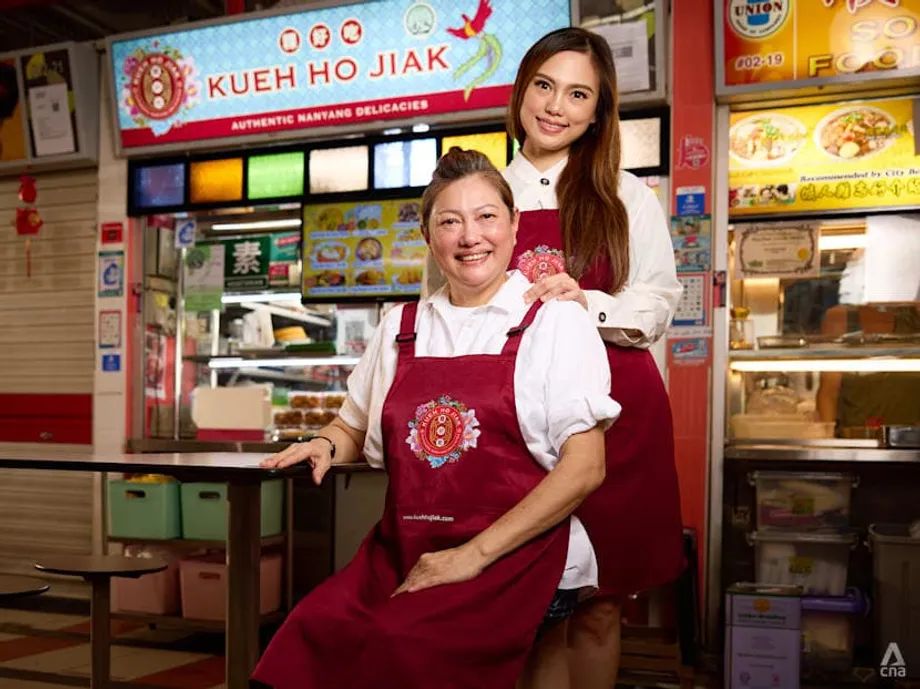
Before sunrise at Tanjong Pagar Plaza, Sandy Tan is already shaping dough, weighing fillings by feel and checking trays as the steamers heat up. The founder of Kueh Ho Jiak has built a business around sweet potato ang ku kueh, a small pastry with a supple skin and the outline of a tortoise shell. Her approach combines handwork, natural colors and restrained sweetness with flavors and shapes designed to attract a new generation.
Contents
- Before dawn, a family craft takes shape
- Why the tortoise shape matters
- A business built across three generations
- New flavors, familiar foundations
- Seven weekly sessions in Chai Chee
- How kueh reaches new audiences
- The demanding work behind each tray
- Winning a place with younger diners
- Where to buy and learn
- Key Points
By November 2025, that work reaches beyond the hawker stall. Kueh Ho Jiak operates a dedicated workshop kitchen in Chai Chee, runs seven classes a week and sells through an online store. Three generations of the family help during busy periods, supported by five staff who work part time. The business also received the Spirit of Enterprise Established Honoree Award in 2025.
Sandy's daughter, Elizabeth Chan, manages digital operations and the online store, while Sandy concentrates on making the kueh. Their division of responsibilities connects the physical demands of a traditional food stall with the ordering, packaging and delivery arrangements that bring its products to more customers.
The pastries remain the center of the business. Fans arrive early, and returning customers come for skins that are soft yet hold their shape, familiar fillings and newer combinations. Natural ingredients provide the colors instead of bottled dyes. The aim is to keep the qualities people associate with traditional kueh while giving younger diners a reason to try it.
Why the tortoise shape matters
Ang ku kueh is often translated as red tortoise cake. Its shell pattern carries a meaning beyond decoration: the tortoise symbolizes long life and good fortune. In Singapore's Chinese communities, the pastry is commonly shared when a baby reaches its first month, at birthdays and during festive gatherings.
A well made ang ku kueh brings together a tender, chewy skin and a filling that feels rich and familiar. Its small size makes it easy to eat and share. For many families, the snack also carries memories of celebrations and the people who prepared or handed it out.
Kueh Ho Jiak responds to changing preferences without setting those associations aside. Many diners now seek lighter sweetness, ingredients they can recognize and unfamiliar flavor combinations. Sandy uses sweet potatoes for both color and texture, avoids preservatives and artificial coloring, and keeps sugar under control.
The result is intended to feel approachable to younger eaters while retaining the gentle richness of the original snack. The skin must yield easily when eaten without becoming sticky, and it must stay intact around the filling. Those practical demands help explain why shaping and handling remain central to the work.
A business built across three generations
Sandy learned by watching women around her cook and sell simple food from small setups. Those experiences gave her both practical methods and a sense of care for the food. Over time, she combined what she had absorbed with ideas of her own.
After working overseas, Sandy returned to Singapore in 2010 and began making ang ku kueh again. Word spread, orders from home grew into a hawker stall, and the stall developed into a small, steady enterprise. The business grew from a craft she already knew rather than from a newly invented product.
Elizabeth now oversees the digital side, answers customers online and manages logistics while helping grow the business. Sandy's granddaughter joins in during busy festive seasons. Their participation keeps the work rooted in the family while creating room for new packaging, formats and audiences.
Elizabeth Chan, Sandy's daughter and the person responsible for the business's digital operations, has described the demands of entrepreneurship and the persistence needed to work through them:
The journey to being an entrepreneur is never easy. Even though it may seem tough, I believe that through perseverance and passion, it will definitely lead you to success.
The family arrangement is practical as well as emotional. Sandy can focus on the physical craft while Elizabeth handles customers and the systems around it. That sharing of responsibilities helps the stall maintain its standards as it produces kueh each day.
New flavors, familiar foundations
Sweet potato ang ku kueh is Kueh Ho Jiak's signature, but its range extends beyond familiar sweet fillings. Bestsellers include Lotus Biscoff and D24 durian. A haebeehiam sweet potato version brings a savory kick to a snack more commonly associated with sweetness, while another combines mugwort and mung bean.
Sandy's approach preserves the recognizable form and character of kueh while changing details that might persuade someone to taste it for the first time. Color is one of the most visible changes. Sweet potatoes and other natural ingredients create vivid skins, while the sweetness and texture are adjusted with the eating experience in mind.
Seasonal trays also include teddy bear and koi shapes made with customized molds. These designs give younger customers an immediate point of interest. A diner drawn by a bear shape or a Lotus Biscoff filling may then move on to classics such as mung bean and peanut.
Kueh Ho Jiak is halal certified, allowing it to serve a wider customer base in Singapore. Its cooking draws on Teochew, Hokkien, Peranakan and Malay kitchens. Those influences appear in the flavor choices and in the family's understanding of kueh as food shaped by several traditions meeting at the same table.
Seven weekly sessions in Chai Chee
Kueh Ho Jiak's dedicated workshop kitchen in Chai Chee began with a small handful of classes and now runs seven sessions a week. Families, friends and corporate teams attend to learn the steps behind the pastries they usually encounter ready to eat.
Participants mix dough to the right texture, portion fillings, press patterns into molds and learn to steam the kueh without drying out the skins. Classes also cover coloring with natural ingredients. Small groups allow experienced makers to give individual advice as participants work.
The workshop serves as both a cooking class and a lesson in food culture. A child pressing a mold or a parent trying to shape dough gains a direct connection to the snack. Handling the ingredients also makes the labor behind each finished piece easier to understand.
Five staff who work part time support the stall and workshop. Scheduling is lean, and the team shares tasks such as shaping, packing and handling orders. Keeping both operations running depends on careful planning as well as skill with dough and fillings.
The classes give young people a welcoming place to learn the basics of kueh. For families and office groups, they also turn a familiar snack into something made together, creating a memory that can last beyond the food taken home.
How kueh reaches new audiences
Kueh Ho Jiak has collaborated with Leica and Pokka on events and special sets. Those partnerships introduce its pastries to people who may be more familiar with desserts from coffee chains or imported pastries. Presenting kueh at a launch or a gallery night gives the traditional snack a different setting.
Food guides and television features have also brought attention to the business. The Netflix series Food Tales: Crazy For Kueh featured the craft and the family story, showing international viewers the process of shaping the pastries by hand.
In 2025, the business received the Spirit of Enterprise Established Honoree Award. The recognition acknowledges its contribution to local entrepreneurship and places the family's work in a wider discussion about how a hawker business can support both a livelihood and the continued practice of a food tradition.
The business's development sits alongside several dated milestones:
- 2010: Sandy returned to Singapore after working overseas and began making ang ku kueh again.
- 2020: Singapore's hawker culture was inscribed on UNESCO's list of Intangible Cultural Heritage of Humanity.
- 2025: Kueh Ho Jiak received the Spirit of Enterprise Established Honoree Award.
The family business, the recognition of hawker culture and the entrepreneurship award each concern a different part of the story. Together, they show the setting in which Sandy and Elizabeth are trying to keep a traditional craft commercially active.
The demanding work behind each tray
Hawker work involves long hours, heavy ingredients and constant heat in a small kitchen. Keeping staff is difficult when other jobs offer more predictable schedules and air conditioning. For a business that depends on handwork, staffing also affects how much knowledge can be passed on.
Training takes time because the work depends on feel and rhythm. A newcomer must learn how dough should sit in the palm, how much pressure to apply to a mold and how to judge whether a piece is ready by smell and sight. Those judgments develop through practice.
Singapore's hawker culture received UNESCO recognition in 2020, with hawker centers highlighted as living community spaces. The listing brought attention to mentorship, the transfer of skills and the need for careers that people can sustain.
A new wave of younger hawker owners has entered the scene in recent years, often focusing on branding, social media and expansion. Some older hawkers worry that growth can dilute quality. Kueh Ho Jiak's approach is to pursue new customers and channels while keeping technique at the center of production.
Workshops and online orders extend the business, but both still depend on the pastries being made well. Sandy's concentration on the craft and Elizabeth's management of the surrounding operations connect those ambitions to the daily work at the stall.
Winning a place with younger diners
Some younger customers have viewed kueh as old fashioned. Bright colors, koi and teddy bear shapes, and fillings such as Lotus Biscoff or D24 durian give them a more familiar or playful way into the food. The first purchase can then become an introduction to traditional flavors.
Packaging helps the pastries reach occasions beyond a visit to the hawker center. Kueh Ho Jiak uses modern boxes that travel well for gifts and corporate events. The presentation makes the food easier to share while preserving its place as something people give to others.
The team is active on social channels, where it explains flavors and shows work behind the scenes. These glimpses connect the finished product with the effort involved in making it. The workshops do similar work in person by putting dough and molds into participants' hands.
New shapes and flavors serve a practical purpose: they attract attention to a food that many younger diners may otherwise see mainly at family gatherings. Once someone tries shaping a piece or tasting a familiar flavor in a different form, kueh can become part of a personal experience rather than a distant family custom.
Where to buy and learn
Customers can visit Kueh Ho Jiak at Tanjong Pagar Plaza to choose from trays of fresh ang ku kueh and other classics. Popular flavors can sell out quickly during holidays, and advance orders are encouraged for special shapes or flavors.
The online store handles islandwide delivery for gifts, office trays and party sets. Corporate orders often use customized molds so that logos or festive motifs appear on the kueh. These arrangements carry the same handmade food into workplaces and organized celebrations.
Classes at the Chai Chee workshop cover dough mixing, natural coloring, shaping and steaming. Families and office teams can book sessions, with small class sizes providing space for individual tips from experienced makers.
Ordering information and workshop schedules are available through the business's official website. Whether bought from the stall, delivered in a gift box or made in a class, the kueh connects Sandy's daily craft with the family's efforts to keep it relevant to new customers.
Key Points
- Sandy Tan makes Kueh Ho Jiak's signature sweet potato ang ku kueh at Tanjong Pagar Plaza, beginning work before dawn.
- The pastries use natural colors, avoid preservatives and artificial coloring, and keep sweetness restrained.
- Three generations help the business, with Elizabeth Chan managing digital operations, the online store and logistics.
- The Chai Chee workshop runs seven sessions a week, supported alongside the stall by five staff who work part time.
- Flavors include Lotus Biscoff, D24 durian, haebeehiam sweet potato, and a mugwort and mung bean blend.
- The halal certified business draws on Teochew, Hokkien, Peranakan and Malay cooking traditions.
- Collaborations with Leica and Pokka, television exposure and modern packaging bring the kueh to new audiences.
- Kueh Ho Jiak appeared in Food Tales: Crazy For Kueh and received the Spirit of Enterprise Established Honoree Award in 2025.
- Workshops, family participation and online sales support the business while handwork remains central to its food.