A costly destination draws a new wave of visitors
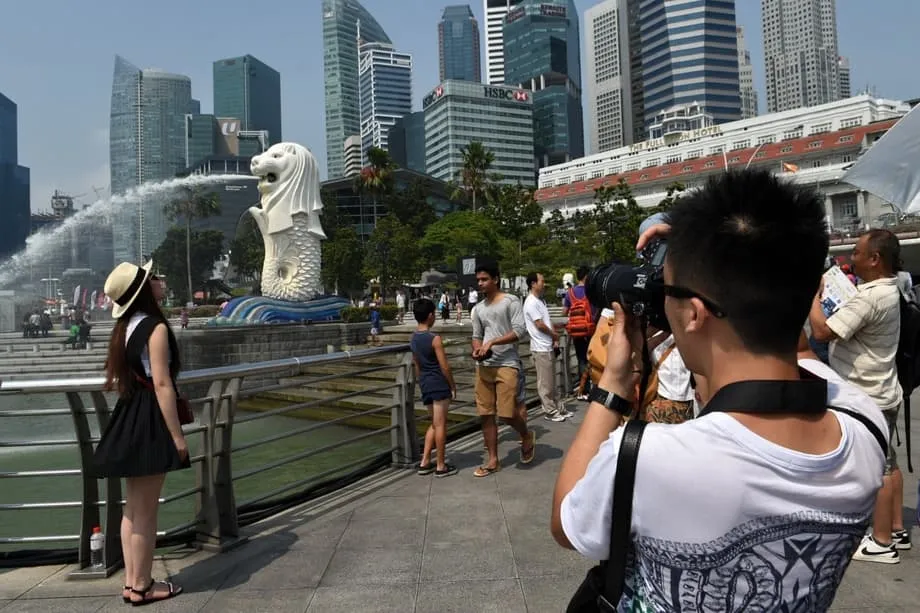
Singapore welcomed 3.08 million visitors from mainland China in 2024, a rise of 126 percent from the previous year, according to the Singapore Tourism Board (STB). Chinese arrivals accounted for 18.7 percent of all inbound visitors, and the momentum continued with about 2.5 million arrivals in the first nine months of 2025.
Contents
- A costly destination draws a new wave of visitors
- How easier entry helped rebuild demand
- Social media turns landmarks into itineraries
- Where the travel bill rises fastest
- Visitors are changing how they spend
- Who is coming, and when do they book?
- What visitors see beyond the skyline
- Premium demand continues beside budget travel
- Singapore competes with cheaper regional choices
- A theme park dispute puts etiquette in focus
- Keeping the premium experience accessible
- Key Points
The recovery has followed a mutual visa waiver that took effect in February 2024, making travel easier after the pandemic. Young visitors in their twenties and thirties are a prominent part of the new wave. Many travel independently, plan short breaks on their smartphones and arrive with a list of places they have already seen online.
Marina Bay Sands, the Supertrees at Gardens by the Bay and the indoor waterfall at Jewel Changi Airport feature prominently on Xiaohongshu and Douyin. For travelers following da ka culture, which prizes visiting and photographing recognizable places, Singapore offers several famous stops within a compact city.
The attraction comes with a substantial bill. A taxi journey lasting 10 minutes can cost more than 100 yuan, while some hotels with three stars charge more than 1,200 yuan a night during busy months. The Singapore dollar has strengthened against the yuan since early 2023, making local prices feel steeper when Chinese visitors convert them into their home currency.
Safety, cleanliness and convenience nevertheless keep Singapore on travel lists. Chinese is widely spoken, cashless payment is routine, and public transport is clean and straightforward to use. Visitors can cover many major attractions in a few days, accepting higher daily costs in exchange for a short trip that feels manageable and reliable.
How easier entry helped rebuild demand
The February 2024 visa waiver removed paperwork and uncertainty for travelers on both sides. Chinese visitors could book a Singapore trip more easily, helping release demand that had built up during the pandemic.
Flights made that flexibility practical. Southern China is a short flight away, frequent services support weekend breaks and longer weekends, and airline capacity between China and Singapore had returned close to its level before the pandemic by 2024. The recovery in seats helped bring down average airfares and supported spontaneous bookings.
The main milestones show how the recovery developed:
- Early 2023: The Singapore dollar began strengthening against the yuan, increasing the cost of Singapore trips when measured in Chinese currency.
- February 2024: The mutual visa waiver took effect, easing entry in both directions.
- During 2024: Airline capacity approached its level before the pandemic, while Chinese arrivals reached 3.08 million.
- The first nine months of 2025: Singapore recorded about 2.5 million Chinese arrivals.
Singapore's reputation for order and low crime adds reassurance for solo travelers and families. Trains and buses run on time, directions are clear in English and Chinese, and strict food safety controls reduce another source of travel anxiety. Those features matter to younger visitors making an early international trip outside Greater China.
Social media turns landmarks into itineraries
Xiaohongshu, WeChat and Douyin help turn individual visits into travel ideas for others. Photographs, short videos and suggested routes spread quickly, giving potential visitors a ready list of places to see before they book.
Jewel's Rain Vortex, the ArtScience Museum's light installations and the Supertree night show fit this pattern particularly well. Each offers a recognizable setting for photographs or video. Hawker center meals, including chicken rice and satay, add affordable food experiences to the same visual story.
Friends' posts and creator videos often shape millennial and Gen Z itineraries more than traditional brochures. Singapore's compact layout suits that approach because another popular photo stop may be only a short train journey away. Operators have responded with experiences that photograph well, including garden walks at night and museum shows built around immersive screens and sound.
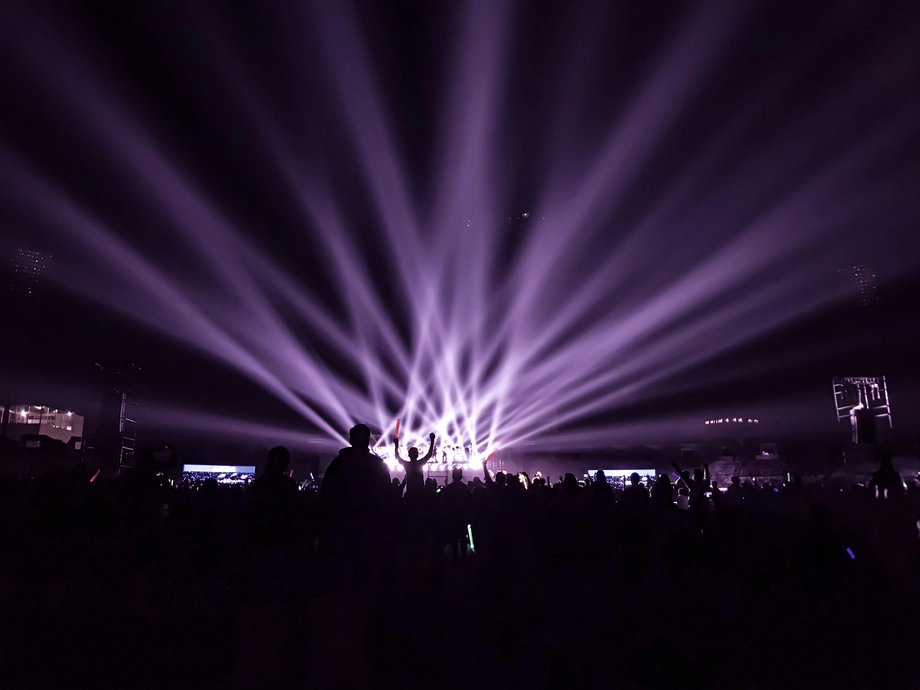
Live entertainment brings another reason to travel. Concerts and major events allow visitors to combine a show with sightseeing and dining, while concert weeks have pushed hotel searches near venues higher. The city can serve as both the destination for an event and the setting for a short holiday around it.
Where the travel bill rises fastest
Chinese travel forums and social media feeds carry a lively debate about Singapore's value. Visitors often praise its safety, cleanliness and ease of travel while warning that several days of hotels, taxis and restaurant meals can use up a budget faster than expected.
Hotels are a major pressure point. Room rates are high compared with many regional alternatives. Properties with three stars can exceed 1,200 yuan a night in busy months, with hotels carrying four or five stars costing well above that range. Singapore's high land and labor costs are reflected in accommodation and restaurant bills.
Restaurants can bring another surprise. Many sit down restaurants list menu prices before a 9 percent goods and services tax and a 10 percent service charge. These additions increase the final bill, particularly when a group orders several dishes. The price printed beside a meal may therefore be lower than the amount a visitor pays.
Taxis and ride hailing services become expensive when travelers make repeated short trips. A fare above 100 yuan for a journey lasting 10 minutes can be especially striking to visitors accustomed to cheaper local fares in China. The MRT rail network and buses cost much less and are usually quicker during peak hours.
Major paid attractions add to the total, although Singapore also has free or inexpensive alternatives. Bayfront light shows, public parks and heritage trails let travelers fill part of a day without buying another premium ticket. The stronger Singapore dollar makes these choices more valuable to visitors budgeting in yuan.
Visitors are changing how they spend
Chinese travelers are adjusting their budgets without necessarily dropping Singapore from their plans. Many eat most meals at hawker centers, where rice and noodle dishes cost a fraction of restaurant meals, and use public transport for journeys across the island.
Stored value cards and contactless payments make those journeys convenient. Some visitors shorten their stay to two or three nights and group nearby sights together to reduce journeys across the city. Attraction bundles, weekday hotel rates and tickets bought early for events can also soften costs.
STB figures show a substantial change in average spending per Chinese visitor. Spending fell from about S$2,270 in 2023 to around S$1,490 in 2024, before edging up to S$1,520 in early 2025. Using those approximate figures, the decline between 2023 and 2024 was about S$780 per visitor, or roughly 34 percent.
More arrivals therefore came alongside more selective spending by each visitor. Singapore continued to attract people, but many were deciding carefully which experiences deserved a larger share of their money.
Academic research also points to strong price sensitivity among Chinese travelers. Exchange rates and relative prices influence destination choices. An exchange rate determines how much local currency a visitor receives for yuan, while relative prices describe how expensive one destination is compared with another. Both affect what the same holiday budget can buy.
Who is coming, and when do they book?
Travelers born in the 1980s and 1990s accounted for large shares of visits in 2024. The fastest growth came from people born in the 1990s and 2000s, reinforcing the importance of younger visitors who are comfortable arranging trips through digital platforms.
Women make up a majority of leisure travelers from China to Singapore, with safety, convenience and accessible food and shopping central to the destination's appeal. Seniors are another growing segment, helped by direct flights, confidence in healthcare and a city layout that is manageable to navigate.
Booking habits vary by the part of the trip being arranged. A large share of travelers purchase attraction tickets on the day they visit, while day tours and car rentals are often booked just a day ahead. Packages combining flights and hotels are usually secured at least eight days in advance, and individual flight bookings tend to fall within two weeks of departure.
Most Chinese travelers in the Asia Pacific region choose a single destination for each trip. Singapore suits that pattern because its size and concentration of attractions allow visitors to build a varied itinerary without moving between countries or cities.
Leisure remains the largest reason for travel, but business trips are expanding quickly as corporate events and trade shows recover. That gives Singapore demand beyond holidays, alongside the visitors arriving for concerts, festivals and other entertainment.
What visitors see beyond the skyline
Gardens by the Bay combines its light show with the Cloud Forest, giving visitors striking photography opportunities and cooler evening outings. At the bayfront, the lotus shaped ArtScience Museum brings art and technology together through interactive displays.
Food anchors many itineraries. Maxwell and Tekka hawker centers attract visitors seeking local dishes at accessible prices. Neighborhoods such as Tiong Bahru and Kampong Gelam offer another side of the city through design stores, street art and local history.
Nature trips broaden the choices further. Visitors can take a short ferry journey to Pulau Ubin to cycle among mangroves, or visit the Mandai wildlife precinct for rainforest habitats and family activities.
These options help explain how different budgets can coexist within the same destination. A traveler can pay for a headline attraction, choose a hawker meal afterward and spend another part of the day in a neighborhood or public park. Singapore's appeal extends beyond a single type of sightseeing or spending.
Premium demand continues beside budget travel
Retail and hospitality still capture a substantial share of visitor spending. Chinese luxury travelers continue to favor premium hotels and curated experiences, and demand for hotels with five stars is recovering even as other visitors watch costs closely.
Hotels in the middle and upper price ranges are also recording strong gains. Bookings at properties with four stars have grown quickly, with sharp increases in room nights and spending. The market therefore includes both visitors economizing on daily expenses and those willing to pay more for accommodation.
Events give hotels a concentrated boost. Unique views of properties near venues have more than doubled during peak weeks, showing how strongly a concert or other major gathering can direct attention toward particular locations.
Shopping businesses are responding as well. One of China's largest jewelry groups is opening a premium concept store at Jewel, targeting travelers who combine sightseeing with shopping at the airport complex. The location fits an itinerary in which an airport attraction becomes part of the holiday itself.
Singapore competes with cheaper regional choices
Vietnam has seen a surge in Chinese visitors in 2025, helped by perceptions of value and safety. Thailand's image suffered this year after high profile incidents, while Malaysia benefited from a weaker currency and visa free entry.
Singapore competes through a different combination: consistency, fast infrastructure and a compact collection of attractions. Destinations with weaker currencies can gain an advantage among travelers focused on price, while visa free access remains a decisive factor across Southeast Asia.
China's outbound travel recovery is still catching up with 2019 visitor volumes in some markets. Spending has recovered faster than headcounts because the people who resumed overseas travel early tended to be less sensitive to price.
More flight capacity and easing inflation at destinations can improve the value of an overseas trip. Only a small share of Chinese adults hold passports, leaving room for further growth as confidence and incomes stabilize. For Singapore, attracting that wider market means competing for visitors who may compare costs more closely than the earliest returning travelers did.
A theme park dispute puts etiquette in focus
A recent incident at Universal Studios Singapore drew attention after a visitor was filmed cutting a queue and making a provocative remark. The video prompted online criticism and reminders about local expectations.
A tourist recorded in the video said:
If not for China, there's no Singapore.
Resorts World Sentosa, which operates the theme park, said the matter was resolved and reiterated its focus on courtesy and queuing etiquette. Many Singaporeans responding to the incident called for visitors to respect local rules and queues.
One local commenter expressed that expectation directly:
When travelling here, you must abide by our local rules. When in Rome, do as the Romans do. You have to queue up in Singapore.
Such flare ups are not the norm. The episode nevertheless shows why clear communication, signs in several languages and crowd management matter as visitor numbers grow. Orderly public spaces and enforced rules are also part of the predictable environment many travelers value.
Keeping the premium experience accessible
Singapore's tourism model serves two kinds of demand at once: visitors seeking premium stays, private dining and curated tours, and those building affordable trips around hawker meals, public transport and free attractions. Maintaining access to the latter helps the city retain travelers who accept some high prices but cannot pay them throughout a visit.
Hawker centers, free light shows, public parks and neighborhood walks play an important role in that balance. They give younger visitors ways to enjoy Singapore while saving money for a few experiences they consider essential.
Operators are making practical adjustments. Accepting Chinese payment apps where feasible reduces difficulty at checkout, while Mandarin speaking staff at busy hotels and attractions help visitors communicate. Timed entry and lower prices outside busy periods can spread demand beyond weekends and reduce crowding.
Encouraging visits to less familiar districts and nature spots also eases pressure on headline attractions and gives returning travelers something new to do. The approach connects value for visitors with managing the places receiving them.
As of November 9, 2025, visa free entry and rebuilt flight capacity leave Singapore well placed to keep China among its leading visitor markets. Price continues to shape behavior: many travelers are likely to concentrate spending on a few priority experiences while saving on meals and transport. A steadier yuan and cooler destination inflation would ease some of the price pressure.
Concerts, exhibitions and sports remain potential drivers of trips booked at short notice. The wider shift from shopping toward experiences also suits Singapore's combination of modern design, food culture and safety. Its longer term task is to pair growth with value, giving new passport holders and returning visitors reasons to choose the city again.
Key Points
- Singapore recorded 3.08 million Chinese arrivals in 2024, up 126 percent and representing 18.7 percent of all inbound visitors.
- About 2.5 million Chinese arrivals were recorded in the first nine months of 2025, following the mutual visa waiver introduced in February 2024.
- Young independent travelers are drawn by safety, convenient transport and landmarks popular on Xiaohongshu, WeChat and Douyin.
- High hotel prices, restaurant charges and a stronger Singapore dollar encourage shorter stays and more selective spending.
- Average spending per Chinese visitor fell from about S$2,270 in 2023 to S$1,490 in 2024, then rose slightly to S$1,520 in early 2025.
- Premium hotel demand and event travel are growing alongside budget choices such as hawker meals and public transport.
- Singapore faces regional competition on price while relying on convenience, reliability and a concentrated range of experiences.