More than 6,000 cups and a chance to rebuild
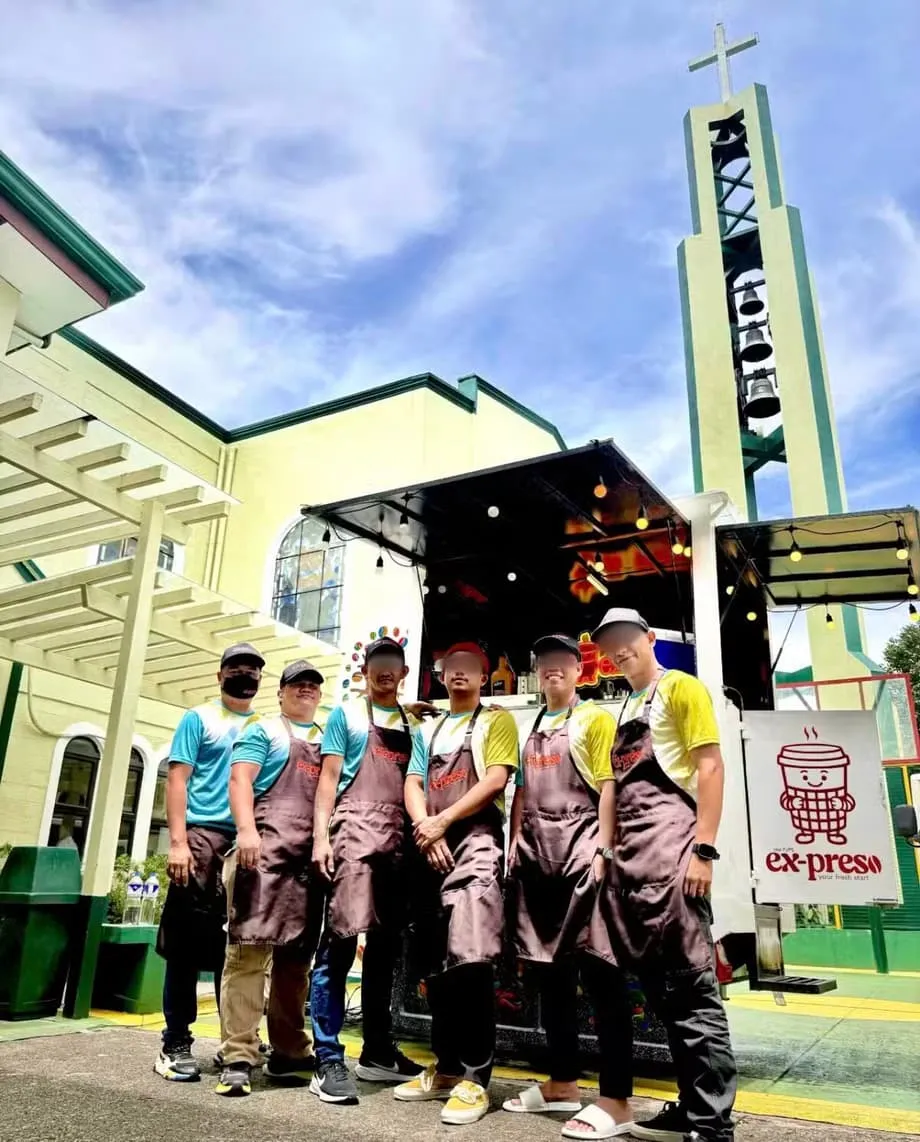
Ex-Preso, a mobile coffee cart in Muntinlupa City staffed by people released from prison, has served more than 6,000 cups since launching in mid 2025. By November 7, 2025, the project had become a place where making americanos and lattes went hand in hand with earning income, learning skills and rebuilding relationships.
Contents
- More than 6,000 cups and a chance to rebuild
- A donated cart becomes a working classroom
- Learning to stand behind the Ex-Preso name
- Why returning home can be difficult
- Balaya provides time to prepare for freedom
- What the baristas learn behind the counter
- Bookings take the team into public life
- Mark and Armel find different routes forward
- Ryan Jay Gorospe describes being seen again
- Education connects the cart to future ownership
- The wider PJPS effort to repair relationships
- Community support keeps the cart moving
- What to Know
The Philippine Jesuit Prison Service Foundation (PJPS) runs the project for Persons Restored to Liberty (PRLs), its term for people who have left custody. Many begin their return to community life with little more than their names. The cart gives them work, a daily routine and opportunities to meet customers who can see them as people with something to contribute.
Ex-Preso began with eight men, a formation house and an unexpected donation. The men entered a residency lasting around three months to help them heal and prepare for life outside prison. A week later, someone donated a food cart. Volunteers found a coffee machine, and training followed.
The resulting enterprise brings together practical work and personal support. Participants learn to prepare coffee, handle money and maintain equipment while receiving counseling and spiritual guidance. Every booking creates another opportunity to practice showing up on time, speaking with strangers and taking responsibility for a service customers expect.
For people who have served long sentences, those ordinary tasks can carry unusual weight. Families have changed, friends have moved on, and jobs and technology may be unfamiliar. Ex-Preso gives participants somewhere to begin adjusting, with support close at hand.
A donated cart becomes a working classroom
PJPS did not start Ex-Preso with a business plan. The idea grew from the needs of the men entering its formation house and the equipment that supporters provided. A donated cart became a way to connect livelihood, discipline and public engagement.
Fr. Jun-G Bargayo Jr., SJ, the executive director of PJPS, encouraged the residents to try an enterprise built around something familiar in everyday Filipino life. His suggestion was simple:
Why not try coffee?
Bargayo later described how the project came into being:
not from a grand plan, but from grace.
The early steps show how the project developed:
- Eight men entered a residency lasting around three months at the PJPS formation house.
- A week after they arrived, a food cart was donated. Volunteers sourced a coffee machine, and training followed.
- Ex-Preso launched in mid 2025 and had served more than 6,000 cups by November 7, 2025.
The cart soon became a working classroom. Coffee preparation, cash handling, customer service and maintenance were taught alongside the personal work of rebuilding confidence. Participants could practice a skill, use it with a customer and return to it the next day.
Learning to stand behind the Ex-Preso name
Some participants initially felt uncomfortable with the name Ex-Preso. They wanted to keep their prison history out of sight and blend into a workplace. Using a name that drew attention to that history required courage.
A campus celebration of St. Ignatius helped change their response. Customers welcomed the team, smiled and asked about the cart. The men began to embrace the name, turning a label they had feared into a statement about their effort to change.
Bookings grew after that encounter. Ex-Preso appeared at parish gatherings, school events and community fairs, giving the baristas more opportunities to work in public. Each event allowed customers to meet PRLs through an ordinary exchange: ordering a drink, paying for it and talking to the person who made it.
Public contact also helped participants become more comfortable. Greeting a stranger without fear, making eye contact and answering a question about coffee became part of their work. The cart offered a visible reminder that a person has an identity beyond the worst thing he has done.
Why returning home can be difficult
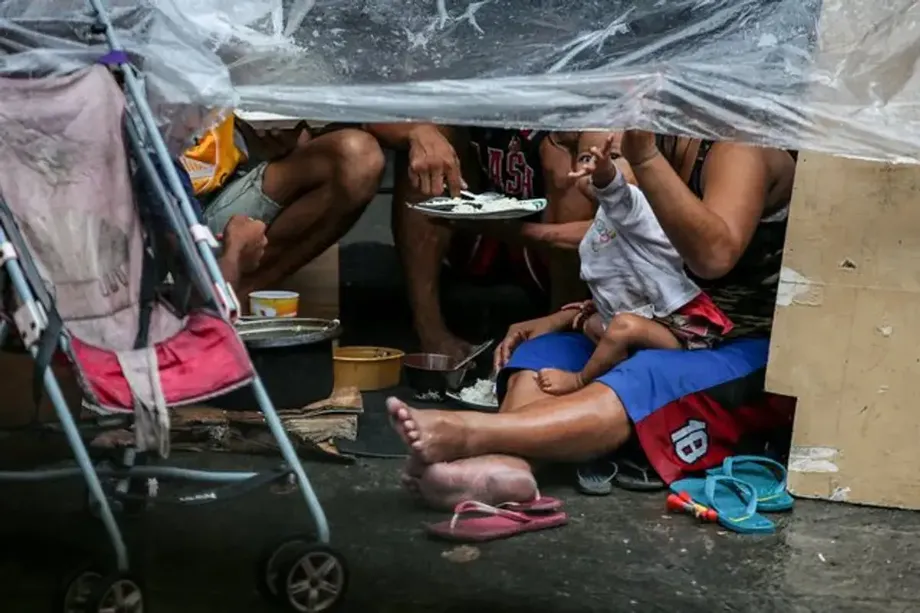
People leaving prison in the Philippines may need identification, housing and employment at the same time. A record can follow them into a job search, employers may hesitate to hire them, and family relationships may be distant. Many leave custody with limited savings and few people who can provide job references.
Long periods in prison can make the adjustment harder. Home life may look different from what a person remembers. Old acquaintances can draw someone toward the habits that led to imprisonment. Finding a place in a changed community requires both practical help and steady support.
PJPS has long worked with people in and around the national penitentiary in Muntinlupa. People still in custody are called Persons Deprived of Liberty (PDLs). After release, the foundation uses Persons Restored to Liberty, a phrase that places hope and responsibility at the center of the return to community life.
Ex-Preso connects a real job with that support. Participants practice budgeting, resolving disagreements and basic entrepreneurship, meaning the skills needed to start and run a business. An apron, a name tag and a regular shift give them a visible role while they work through the less visible challenges of returning home.
Balaya provides time to prepare for freedom
Participants begin at Balaya, the PJPS formation house. Its name blends the Filipino words for house and freedom. The residency lasts around three months and includes prayer, work routines, peer support and practical life skills.
Balaya gives newly released people time to adjust before taking on the full demands of life outside. Morning routines and evening reflections create a steady rhythm. Work and shared responsibilities help residents practice the order and consistency they will need in employment and at home.
PJPS screens candidates for readiness to live in a community setting. Staff look for openness to learning and willingness to stay with the formation process. The program asks residents to participate in both practical training and the personal work that comes with rebuilding a life.
Counseling and accompaniment, or sustained personal support, help participants address guilt, anxiety and fears of rejection. Spiritual guidance is part of that process. Many PRLs say being treated as trusted workers, even at a small coffee cart, helps them feel human again.
The formation house and the cart serve connected purposes. Balaya provides space for healing and preparation, while Ex-Preso offers a place to apply new routines with customers, colleagues and paying clients.
What the baristas learn behind the counter
Barista training begins with the details that make a dependable cup of coffee. Participants learn grinding, tamping, calibration, milk steaming and machine upkeep. Tamping means pressing ground coffee into the holder before brewing. Calibration involves adjusting the equipment and preparation so the coffee comes out consistently.
Trainees also learn to measure yields and dial in espresso, adjusting the process to produce the intended amount and quality of coffee. Someone unfamiliar with a point of sale device learns to take orders on a tablet. Equipment training includes maintaining the cart and dealing with common machine problems.
Customer service receives as much attention as coffee technique. Participants practice greeting customers, taking payments and remaining calm when orders arrive quickly. Those skills help turn a busy period into a manageable set of tasks.
Trust and accountability are part of the work. The team tracks inventory and costs, sets goals for the day and records sales. Keeping an accurate record of what comes in and what is spent helps the enterprise operate and gives trainees experience they can carry into another job or a business of their own.
PJPS aims to prepare independent workers and future partners in ownership rather than keep participants as employees for life. Small achievements, such as handling a tablet confidently or solving an equipment problem, build the competence needed for that next step.
Bookings take the team into public life
Ex-Preso began serving in a parish compound and at school events. The team later prepared coffee for public gatherings and large institutional functions, including an appearance at the Supreme Court. Those bookings brought participants into settings where they could be recognized for their work.
A barista who once avoided eye contact could begin speaking proudly about flavor notes and brew ratios. Flavor notes describe the tastes a person notices in coffee; a brew ratio describes the amount of coffee used in relation to the drink produced. Learning to discuss those details gave workers another way to engage with customers.
At temporary stalls, customers often came for coffee and stayed to talk. Some asked about volunteering or sponsoring a booking. Others offered small tips and words of thanks. Such encounters helped reinforce the message that past mistakes do not erase a person's worth.
Revenue supports the project. Clients can book the cart for events, while donations help pay for training, transport and equipment upkeep. Proceeds go back into the residency program and provide allowances or stipends for workers.
More events give Ex-Preso more opportunities to train and support participants. Maintaining bookings also matters for the daily operation: the cart needs supplies, working equipment and people ready to serve. Customer loyalty and reliable service therefore support both the business and its purpose.
Mark and Armel find different routes forward
Mark left prison after more than six years with little confidence and few skills. He doubted he could manage a cart or deal with customers. Within weeks at Ex-Preso, he learned to pull consistent espresso shots, operate equipment safely and repair minor problems with the machine.
Mark also learned to drive. Paid, honest work gave him income and a sense of pride, but a moment at home mattered most: his mother told him she was proud of him. The cart's small routines, from wiping counters to greeting regular customers, helped him feel seen again.
Armel spent 21 years behind bars. During his imprisonment, he earned a commerce degree with an entrepreneurship major and volunteered as a teacher. His education gave him knowledge to bring into work, but freedom still felt overwhelming.
Armel said he had prayed for release and should also have prayed to be ready. Ex-Preso offered structure in which to heal, serve and establish routines before fully returning to family life. He now prepares a signature drink called the C ARMEL Macchiato.
Armel's goals are modest and specific: a small home, steady support for his child and an opportunity to mentor others who need a first step. His experience and Mark's show different starting points, one with education gained in prison and another with little confidence in his abilities, brought into the same practical setting.
Ryan Jay Gorospe describes being seen again
Ryan Jay Gorospe, an Ex-Preso barista and PRL, described how the cart changed the way people close to him responded to his life. Speaking in Filipino during a recent interview, he explained that work made the changes visible. His words were translated into English:
People who once ignored me started to come back. When Ex-Preso arrived, they saw the change happening in our lives. We still have worth. We still have a mission. We want to prove what more we can do now and in the days ahead.
Family members visit the cart to taste a latte. Former neighbors stop to express happiness at seeing someone working honestly and smiling behind the counter. These gestures give participants opportunities to reconnect through something happening in the present.
A second shift, a new booking or the arrival of another trainee at Balaya can add to that sense of progress. Serving customers requires patience and accountability, making each shift a chance to practice the habits participants are trying to sustain.
Education connects the cart to future ownership
Ex-Preso builds on education that some participants received while still in prison. PDLs can enroll in extension courses, including entrepreneurship programs offered by partner schools, and some complete degrees during their sentences. Armel's commerce qualification is one example of learning carried into life after release.
The cart gives business lessons a practical setting. Participants use costs, pricing and basic marketing in daily decisions. Tracking stock, recording sales and caring for equipment connect classroom ideas about running a business with the responsibilities of operating one.
PJPS wants baristas to progress from trainees to people who share ownership of carts. A share in ownership would give them a direct stake in bookings, maintenance and service. It would also recognize them as business partners with responsibility for decisions.
The goal takes time. Savings, regular bookings and loyal customers are needed, along with more trained baristas who can take over as early participants move into other work or ventures. No timetable for shared ownership was given.
Balaya continues to prepare new participants for that process. The longer aim is for experience at Ex-Preso to support independent work and small businesses that PRLs can operate in their own neighborhoods.
The wider PJPS effort to repair relationships
PJPS has maintained a presence in Muntinlupa for decades. Its ministry supports people in prison, their families and those returning to freedom. Ex-Preso belongs to that wider effort rather than standing alone as a coffee business.
The foundation describes an approach built around restorative justice. In this setting, that means seeking ways to repair relationships, restore dignity and strengthen communities while being honest about harms caused. Work, family support and personal guidance are connected parts of the effort.
PJPS programs include:
- Scholarships for children of people in prison, from grade school through college.
- Social and pastoral activities, including letter writing, counseling, meals and medical missions, with attention to elderly PDLs and those with little money.
- PRL Care, which welcomes newly released people and assists with documents, housing and readiness for employment.
- Advocacy and education on penal and judicial reform, including the limits of an approach focused only on punishment.
Ex-Preso contributes by funding formation, giving program alumni a role and creating opportunities for the public to take part in reintegration. Customers encounter that work through a service they can use, while participants gain a place to practice trust and responsibility.
Community support keeps the cart moving
Offices and schools can book Ex-Preso for events. Families can arrange smaller gatherings where the baristas set up and serve. Each booking helps sustain the work and supports the next group entering Balaya.
Individuals can sponsor training days or contribute to equipment maintenance. Volunteers can offer time and skills in bookkeeping, marketing or machine repair. Those forms of support help meet the practical demands of keeping a mobile coffee business running.
The foundation's public page provides information about its programs and ways to get involved. Details and booking inquiries are available through the PJPS foundation website.
As of November 7, 2025, Ex-Preso had grown from a donated cart into a project serving thousands of drinks while helping former inmates rebuild their working lives. Its next steps depend on continued training, dependable bookings and the gradual preparation of participants for greater independence.
What to Know
- Ex-Preso is a mobile coffee cart in Muntinlupa City staffed by Persons Restored to Liberty.
- PJPS runs the project, which had served more than 6,000 cups since launching in mid 2025.
- The enterprise began after a food cart was donated during a residency initially attended by eight men.
- Balaya provides around three months of formation, combining routines, practical skills, prayer and personal support.
- Baristas learn coffee preparation, customer service, payments, budgeting, sales records and equipment care.
- Bookings have taken the team to schools, parishes, community events and the Supreme Court.
- Revenue supports the residency and worker allowances, while donations help cover training, transport and maintenance.
- PJPS aims to prepare participants for independent work and shared ownership of carts.
- The foundation also supports prisoners and their families through scholarships, care programs and advocacy.
- Event bookings, donations and volunteer skills help sustain the project and prepare new trainees.