A mainland opening after a diplomatic signal
G Dragon's Ubermensch media art exhibition is scheduled to run from Nov. 15 to Dec. 7 at Hangzhou Center in China's Zhejiang Province, offering the Korean entertainment industry a closely watched opportunity to reconnect with mainland audiences. As of Nov. 5, the planned opening is drawing attention as a possible sign that China is relaxing the informal restrictions on Korean culture commonly called the hallyu ban.
Contents
- A mainland opening after a diplomatic signal
- How an unwritten restriction changed entertainment
- What visitors would see in Hangzhou
- From a delayed Shanghai launch to Hangzhou
- What the leaders said about cultural exchange
- Why an exhibition may come before a concert
- How a wider opening could reach music and screens
- Games, endorsements and the cost of returning
- The next tests are permits, platforms and dates
- Key Points
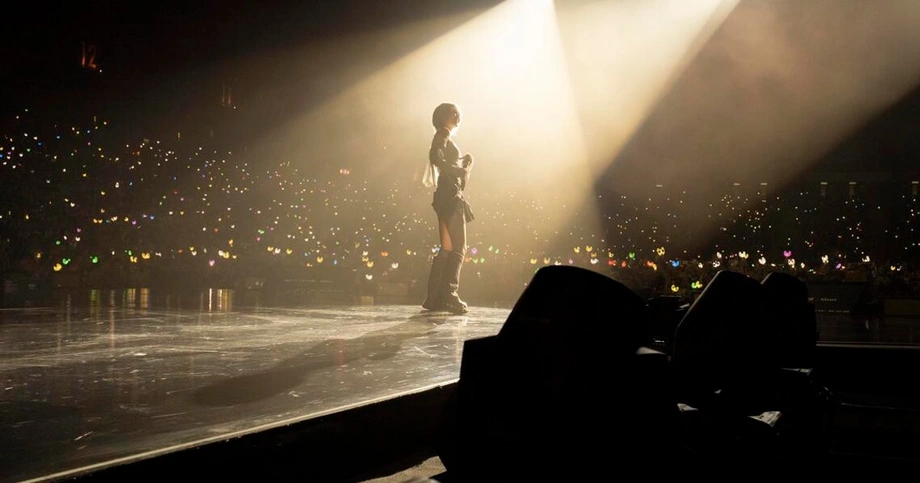
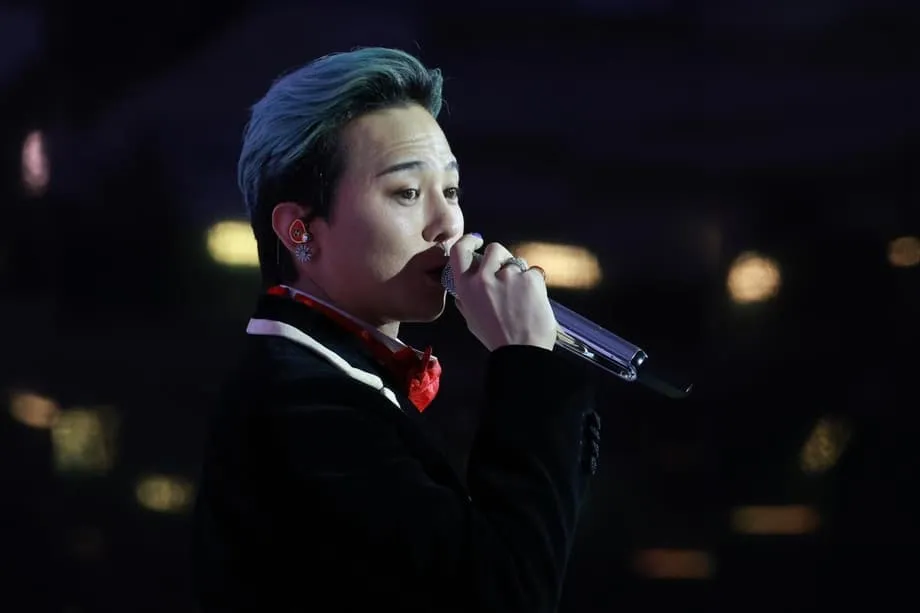
The dates follow the first Korea China summit under South Korean President Lee Jae Myung. They also come after an unusually visible moment of cultural diplomacy at the Asia Pacific Economic Cooperation summit dinner in Gyeongju on Oct. 31. Chinese President Xi Jinping watched G Dragon perform and was seen speaking with Lee during the program.
Ubermensch turns themes from G Dragon's third studio album into a multimedia exhibition using artificial intelligence and virtual reality. It premiered at The Hyundai Seoul in March before attracting strong audiences in Tokyo, Osaka, Taipei and Hong Kong. Hangzhou would give the project a mainland debut after an earlier plan to launch its global tour in Shanghai in May was delayed, reportedly over permits.
Culture industry observers see the Hangzhou announcement as one of the clearest signs in years of a possible opening. The exhibition team had been working on the project for months while waiting for a period when approval seemed more likely. Its timing has strengthened expectations that the diplomatic exchanges could help Korean cultural projects move forward.
No department in Beijing has announced a formal policy change or a notice lifting the restrictions. For businesses and fans, the immediate milestone is therefore concrete: whether the exhibition opens on schedule and completes its run without incident.
How an unwritten restriction changed entertainment
China's restrictions on Korean entertainment took shape after tensions rose in 2016 over South Korea's deployment of THAAD, a United States missile defense system. THAAD is designed to intercept incoming missiles. The diplomatic dispute surrounding its deployment spilled into cultural and commercial activity between the two countries.
The hallyu ban was never set out in a formal decree. Instead, it operated as a patchwork of limits that companies encountered through approvals and business decisions. Permission for Korean performers to appear in mainland China slowed or stopped, new Korean dramas were rarely cleared for broadcast, and rules affecting Korean games and variety content became tougher.
Chinese studios, promoters and platforms struggled to judge which projects could pass review. Some events moved forward through local approval, while others stalled late in preparation. Networks aligned with the state and large platforms generally acted cautiously. Promoters also faced the possibility that venue bookings, visas or censorship reviews could fall apart after substantial work had already been done.
Korean entertainment companies consequently saw a once vital market shrink from their formal business activity. Chinese fans continued following Korean stars online, but many turned to overseas streaming services or traveled abroad to attend performances. Enthusiasm survived even as official entertainment exchanges contracted.
Korean labels put more effort into Southeast Asia and the Americas, while Chinese platforms developed domestic idol formats. Global streaming services carried Korean series to audiences outside mainland China. Executives still regard China as a crucial market because of its scale, with even a limited opening potentially affecting touring, licensing and brand partnerships.
What visitors would see in Hangzhou
Ubermensch presents G Dragon's music and creative identity through sound, light, moving imagery and immersive installations. Rather than watching a conventional stage performance, visitors move through rooms that translate musical themes into a gallery experience.
Artificial intelligence helps create the show's visuals, while virtual reality contributes to its immersive format. Together, these tools allow the exhibition to reinterpret ideas from the artist's third solo album through digital scenes and installations. The project brings music, visual art and technology into the same visitor experience.
The Seoul premiere and subsequent stops in Tokyo, Osaka, Taipei and Hong Kong have given organizers a record of attracting audiences. Fan accounts describe a curated journey through imagery connected to G Dragon's creative persona, with a consistent connection between the music and the visual presentation.
Chinese fan communities have closely examined preview clips and posters. News of the Hangzhou dates spread quickly across social platforms, including Xiaohongshu, where fans shared updates and unofficial previews. Searches related to the exhibition have trended at times on lifestyle platforms.
Hangzhou offers modern venues suited to the exhibition's technical requirements and has hosted major cultural and sports events in recent years. Presenting the project as art and technology also gives it a different operating format from an arena concert, with fewer logistical and crowd management difficulties.
From a delayed Shanghai launch to Hangzhou
Shanghai was originally meant to be the first stop on Ubermensch's global tour, with an opening planned for May. Promotional materials had already been prepared when the launch was postponed, reportedly because the necessary permits were not in place.
Organizers then watched the diplomatic calendar. The recent Korea China summit included discussion of expanding cultural exchanges and contact between people in the two countries. The Hangzhou schedule followed that signal and G Dragon's prominent performance before both presidents at the APEC dinner.
The sequence explains why the exhibition carries attention beyond its artistic content. A project that had stalled earlier in the year is now scheduled to enter the mainland shortly after a public display of cultural engagement between Beijing and Seoul.
- 2016: Restrictions on Korean entertainment began taking shape after tensions over South Korea's deployment of THAAD.
- March 2025: Ubermensch premiered at The Hyundai Seoul.
- May 2025: A planned Shanghai launch for the global tour was delayed, reportedly over permits.
- Oct. 31, 2025: G Dragon performed at the APEC dinner in Gyeongju while Xi Jinping and Lee Jae Myung watched.
- Nov. 15 to Dec. 7, 2025: The exhibition is scheduled to run at Hangzhou Center in Zhejiang Province.
A successful Hangzhou run would give the industry a practical example of authorities approving a Korean cultural project. Exhibitions are seen as easier to supervise than arena concerts, making this format a possible starting point for broader activity.
What the leaders said about cultural exchange
South Korea's National Security Adviser Wi Sung lac said the two leaders addressed cultural ties during their summit. His account of their discussion supplied a diplomatic basis for the cautious optimism surrounding the exhibition.
The leaders discussed the importance of expanding exchanges and cooperation in culture.
Xi and Lee's conversation while watching G Dragon at the APEC dinner added a public image to that message. For companies whose projects depend on approval, such moments can affect expectations about whether applications will receive a more favorable reception.
Chinese business circles have been discussing the possibility of looser approvals for Korean performers. Large ticketing platforms also appear to be becoming more receptive to events involving both countries. These business signals matter because an unwritten restriction can change through individual decisions about permits, promotion and venue cooperation.
China's approval process combines cultural policy, commercial activity and regulation. Political timing therefore affects how companies assess a project's chances. A promoter needs permission to proceed, a platform needs confidence to advertise it, and a venue needs to be willing to host it.
For the Hangzhou exhibition, the next evidence will come from those practical decisions. Installation, ticket promotion and the opening itself will show how the diplomatic message translates into an event available to mainland audiences.
Why an exhibition may come before a concert
G Dragon's role as BigBang's leader and as a solo artist gives the project a strong connection to Chinese fans. His music and style helped shape a generation of listeners, while his work across fashion and visual art makes an exhibition a natural extension of his creative identity.
His Chinese fan base remained active online during the years of restricted access, supporting releases, posting edits and traveling to nearby markets for shows. A mainland exhibition offers those fans a way to engage with his work without taking an overseas trip.
Organizers can also manage an exhibition differently from a live concert. They can cap ticket sales, schedule admission times and offer a consistent visitor experience. There are fewer last minute changes involving performers or scripts, and the content can be prepared for review in advance.
Venue managers still need to coordinate entry, merchandise queues and security. A smooth operation would help build confidence among local authorities and could encourage further applications from galleries, museums and malls that combine shopping with other uses.
Korean companies may therefore view Ubermensch as a test of how to return to the market. An event with enough visitors to measure demand, but a manageable format, could help them assess both audience interest and the approval process before committing to larger projects.
How a wider opening could reach music and screens
Korean music companies will be watching whether exhibitions lead to permission for theater shows, fan meetings and concerts in small venues. These formats allow authorities to assess content and crowd management within a relatively controlled setting. Arena tours could follow in phases if smaller events proceed successfully.
Local partners would be central to that process because they understand venue permits and content guidelines. Korean labels would also need to weigh possible returns against the expense of adapting song selections, stage visuals and merchandise to Chinese requirements.
Stadium concerts present a larger task than a gallery exhibition. They involve bigger crowds and more approvals. Drama licensing and variety appearances bring another set of concerns because they reach mass audiences. Companies in both countries are preparing for several possible patterns of reopening, with contained events likely to come first.
Korean television dramas and variety shows were a major part of hallyu's reach in China before 2016. A selective return could begin with purchases by platforms concentrating on premium drama, followed by variety and reality programs that can be edited to meet local standards.
Productions made jointly by companies in both countries are another possibility, although they require detailed compliance planning and take time to develop. The return of even a handful of prominent Korean series to major Chinese platforms would give companies a concrete sign that licensing content is becoming commercially workable again.
Games, endorsements and the cost of returning
Korean game developers also have a direct interest in approval decisions. They received few mainland licenses during the years of tighter restrictions. Even a limited resumption would affect revenue forecasts because a license determines whether a game can enter the market.
Live commerce, in which products are sold through livestreams, and celebrity endorsements offer another possible route for renewed business. Korean stars have maintained strong appeal among Chinese consumers. Softer rules around livestream promotions and advertising campaigns could produce a quick increase in deals between the two countries.
Companies preparing to return still face substantial practical work. They need reliable local partners and plans for delays or changes. Contracts should allow for shifts in event dates or capacity, while creative teams may need alternative versions of songs and visuals for review.
Legal and compliance teams must handle licensing, taxes and employment matters for staff working in China. Those preparations can be expensive. Many businesses are therefore likely to begin with pilot projects that are large enough to test demand while remaining manageable.
An official from a Korean cultural organization in Beijing expressed optimism about gradual progress but stressed that the speed and form of an opening would matter.
China clearly recognizes the importance of cultural and human exchanges, so a gradual opening seems likely. But the pace and method are key.
Several executives similarly expect the first phase to favor smaller events or formats that authorities can readily supervise. Approvals can vary by city and venue, and cultural content still requires review. Larger projects are likely to take more time.
The next tests are permits, platforms and dates
Nov. 15 is the immediate date to watch. If Ubermensch completes installation, opens as scheduled and receives media coverage without restrictions, the industry will have a concrete example of a mainland Korean cultural event moving from announcement to operation.
Chinese ticketing and lifestyle platforms provide a second measure. Visible promotion would indicate that businesses are sufficiently confident to support the event publicly. Venue cooperation and orderly admissions would give organizers further evidence about how the project is being received.
New announcements during or immediately after the Hangzhou run would be another useful signal. Further mainland dates for Korean projects could show whether the opening is gaining momentum. Possible next steps include taking the exhibition back to Shanghai or arranging fan meetings and shows in theaters for other Korean artists.
Hangzhou's handling of crowds and content will also matter. A curated exhibition may be more straightforward than a concert, but merchandise lines, timed entry and security still require close coordination. Successful operations could encourage authorities to consider similar applications.
Relations between Beijing and Seoul will continue to shape the pace of activity. Stable ties could support looser approvals, while renewed tensions could slow progress even if individual events continue. For now, Ubermensch is both a cultural gesture and a scheduled test of how far the current opening can extend.
Key Points
- G Dragon's Ubermensch exhibition is scheduled for Nov. 15 to Dec. 7 at Hangzhou Center in Zhejiang Province.
- The project uses artificial intelligence, virtual reality and immersive installations to reinterpret themes from his third solo album.
- It premiered in Seoul in March and attracted audiences in Tokyo, Osaka, Taipei and Hong Kong.
- A planned Shanghai launch in May was delayed, reportedly because of permit problems.
- The Hangzhou dates follow the first Korea China summit under Lee Jae Myung and G Dragon's Oct. 31 APEC dinner performance before Lee and Xi Jinping.
- National Security Adviser Wi Sung lac said the leaders discussed expanding cultural exchanges and cooperation.
- China has announced no formal lifting of the informal restrictions that developed after the 2016 THAAD dispute.
- Exhibitions offer a format that is easier to supervise than large concerts, with scheduled entry and consistent content.
- Music events, television licensing, games, endorsements and livestream sales could benefit if approvals broaden.
- The opening, its operation through Dec. 7 and any further mainland announcements will be the next practical tests.