More buyers compete for Tokyo's existing apartments
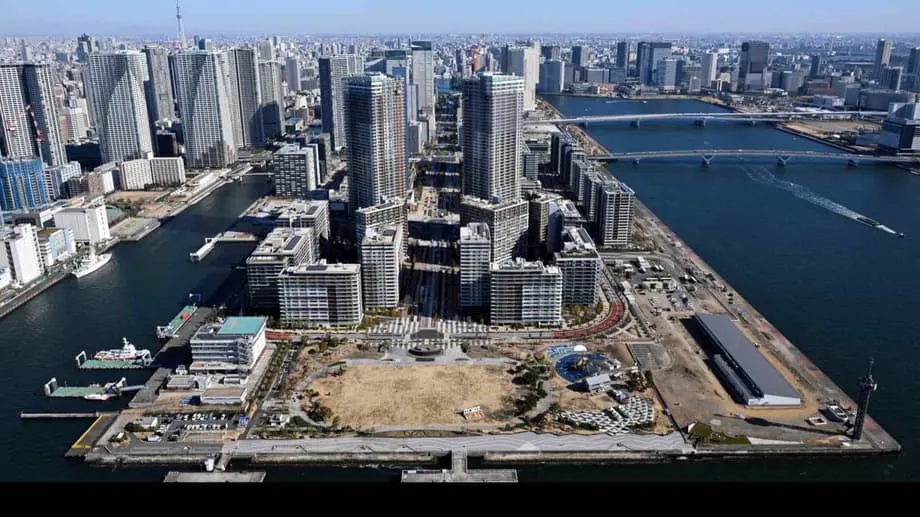
Greater Tokyo recorded 4,299 sales of existing condominiums in June 2025, up 31.9 percent from a year earlier, as the shrinking supply and high cost of new apartments pushed more buyers toward resale homes. The average sale price per square meter reached 833,400 yen, an increase of 6.9 percent and the 62nd consecutive month of annual price growth.
Contents
- More buyers compete for Tokyo's existing apartments
- Why fewer new homes are reaching the market
- A dip in new prices came with a different sales mix
- Resale prices have been rising for years
- Sales growth reaches beyond central Tokyo
- The price gap shapes family choices
- Earthquake standards and repairs affect the purchase
- Good management can make an older home more attractive
- Luxury purchases and overseas demand lift the upper end
- Mortgage competition supports buyers as rates rise
- Supply, wages and the yen will shape the remaining months
- Key Points
The figures from the Real Estate Information Network for East Japan (REINS) show the pressure spreading through the market. The average transaction value was about 52.09 million yen. Inventory available for sale fell 0.7 percent to 44,428 units, its 14th consecutive monthly decline, even though new listings increased slightly.
New construction has become especially expensive in Tokyo's 23 wards. The average price of a newly built condominium exceeded 100 million yen for a second year, reaching around 116.3 million yen during the 12 months through March 2025. In core districts, prices for new apartments were close to 1.7 million yen per square meter.
Families who once expected to buy new are increasingly searching for existing homes. Higher land and construction costs, fewer new projects, and demand from domestic and overseas buyers have narrowed their choices. That movement is adding competition to the resale market and lifting the prices at which purchases are completed.
Tokyo's housing squeeze also changes what buyers accept. June transactions involved apartments averaging about 62.5 square meters, slightly smaller than a year earlier, in buildings averaging roughly 27 years old. For households determined to remain near work, schools and transport, an older or smaller apartment has become a way to keep ownership within reach.
Why fewer new homes are reaching the market
New condominium launches across Greater Tokyo fell about 17 percent in 2024, reaching their lowest level since 1973. The limited supply continued into 2025. Developers released more units in some suburban locations, but buyers continued to take them up, providing little relief for the pressure in central districts.
Developers face a shortage of suitable land in neighborhoods with convenient transport, schools and services. In central wards, assembling enough land for a project can be complicated and take considerable time. Scarce sites in prime neighborhoods command high prices before construction begins.
Construction costs rose during and after the pandemic as materials, logistics and wages became more expensive. Labor shortages added to the pressure. When a development requires higher selling prices to cover its costs and make a return, those costs feed into the prices offered to buyers.
Luxury towers have also become a larger part of the development pipeline. Projects with concierge services, extensive amenities and branded residences target affluent Japanese and foreign purchasers. Their high specifications raise headline averages and leave fewer options for households seeking homes in the middle of the market.
A dip in new prices came with a different sales mix
The average price of a new apartment across the wider metropolitan area fell about 3.5 percent in 2024 to roughly 78 million yen. In central Tokyo, the average eased to about 112 million yen. Those calendar year figures cover a different period from the 116.3 million yen average for the 23 wards during the 12 months through March 2025.
The 2024 decline followed a surge of luxury launches in 2023. When fewer exceptionally expensive units make up the homes sold, the average can fall even while land, labor and materials remain costly. Analysts described the change as a pause within a longer upward trend, with limited supply and higher building costs still shaping prices.
Tetsuya Kaneko, head of research at Savills Japan, cautioned against treating the temporary decline as the market's peak:
We should not see the temporary decrease as a peak. The general upward trend is here to stay, especially considering the overall inflationary trend and labor shortage.
Buyers priced out of new developments have increasingly turned to renovated existing apartments. Modern interiors can provide much of the feel and function of a new home, particularly in buildings near stations and schools that meet modern earthquake standards.
Resale prices have been rising for years
Existing condominium prices were climbing well before the latest shortage of new homes. In 2022, the average sale price in the Tokyo metropolitan area reached about 42.76 million yen, more than 10 percent above the previous year. The average price per square meter was roughly 672,400 yen.
Over the decade covered by the earlier transaction data, prices per square meter increased by more than 70 percent. Low borrowing costs, a preference for city living and steady improvements in the quality of the housing stock supported that rise.
June 2025's average transaction price of 52.09 million yen was about 9.33 million yen above the 2022 average, a difference of approximately 22 percent. The price per square meter was about 24 percent higher than the 2022 figure. These comparisons show how much more buyers were paying as the market moved further toward resale homes.
The main dates and figures trace the change:
- 2022: Existing condominiums averaged 42.76 million yen per sale and 672,400 yen per square meter.
- 2023: A surge of luxury launches lifted new apartment averages.
- 2024: New condominium launches fell about 17 percent to the lowest level since 1973, while the metropolitan average price for new apartments eased about 3.5 percent.
- The 12 months through March 2025: New apartments in Tokyo's 23 wards averaged around 116.3 million yen.
- June 2025: Existing condominium sales reached 4,299, with prices per square meter rising for the 62nd consecutive month and inventory declining for the 14th month.
Sales growth reaches beyond central Tokyo
Greater Tokyo's resale market covers Tokyo, Kanagawa, Chiba and Saitama. June sales increased in all four, showing that the shift toward existing apartments extended beyond the capital's most expensive districts.
Tokyo accounted for 2,360 transactions, up 29.8 percent from a year earlier. Kanagawa recorded 1,003 deals, an increase of 40.5 percent. Saitama had 509 transactions, up 47.1 percent, while Chiba recorded 427, up 12.1 percent.
Saitama had the fastest growth, while Tokyo represented about 55 percent of the region's 4,299 transactions. Together, the figures show strong activity both in the capital and in neighboring prefectures that offer alternatives to its highest prices.
Inventory continued to fall despite the slight rise in new listings. Homes were being bought faster than owners were replenishing the supply available for purchase. Buyers seeking convenient, renovated apartments faced tighter choices, while some widened their search to longer commutes or accepted less space in a preferred neighborhood.
The price gap shapes family choices
A standard resale apartment measuring 70 square meters had an average asking price of around 69.8 million yen in metropolitan Tokyo in early 2025. New apartments across the 23 wards averaged roughly 116.3 million yen during the 12 months through March, illustrating the much higher spending required at the new construction end.
The resale figure describes an asking price for a standard size, while the new apartment figure is an average across units sold in a different geographic area. Buyers still face a substantial gap: analysis of transactions over the preceding decade found that existing apartments typically traded about 45 percent below new construction. Location and building quality change the size of that discount.
Many families want three bedrooms, at least 70 square meters, a safe neighborhood within commuting distance and a building that meets modern earthquake standards. In central wards, the cost of that combination has moved beyond what many households can finance.
Bunkyo, Setagaya and Minato illustrate the pressure. Even older apartments of that size have reached prices that stretch family budgets. Buyers then look toward outer wards or neighboring prefectures, or choose a smaller home in the same neighborhood.
Professional renovators have expanded the supply of apartments ready for occupation by buying, remodeling and reselling older units. For buyers who value a short commute, modern interiors and sound building management, those homes can offer an alternative to a larger apartment farther away.
Earthquake standards and repairs affect the purchase
Japan raised its seismic code in 1981, a change commonly called the new standard. Buildings completed from the early 1980s onward are more likely to meet that benchmark. Buyers also pay attention to the 2000 update to the Building Standards Act, which added stricter structural design rules.
Apartments meeting modern standards can attract higher prices. Buildings completed under the 1981 standard, especially those designed after the 2000 update, tend to sell for more per square meter when other features are comparable. Lenders also view these buildings more favorably, which can make financing easier and bring more potential buyers into the market.
Older buildings outside those standards can still find purchasers, particularly in excellent locations. Their prices reflect the additional risk and possible cost of upgrades. Buyers seeking renovated apartments therefore consider the building's structure alongside the appearance of its rooms.
Many condominiums built in the 1980s and 1990s have undergone major repairs and are managed by active owners associations. Age is one part of the decision, alongside how the building has been maintained and how future work will be paid for.
Good management can make an older home more attractive
Buyers often examine a condominium's reserve fund, repair history, elevator condition and planned maintenance. The reserve fund is money collected from owners to pay for shared building work. A healthy balance and a clear maintenance plan can support the value of individual apartments.
Buildings that have recently completed major repairs, such as facade work and waterproofing, can command a premium. Purchasers expect fewer special assessments in the near term. A special assessment is an extra payment owners may have to make when regular funds are insufficient for necessary work.
Renovated interiors and strong building management are becoming priorities for buyers willing to compromise on floor area. Closing data shows a gradual move toward slightly older and smaller apartments, especially near stations where residents can reduce commuting time.
Sellers of well located, renovated homes are testing higher asking prices. Apartments priced in line with recent comparable sales, presented with updated interiors and clear maintenance records, are attracting multiple offers.
Homes requiring substantial work or located far from stations are taking longer to sell. The difference between the most desirable apartments and less appealing properties has widened, even as the wider market records rising prices and sales.
Luxury purchases and overseas demand lift the upper end
A penthouse in a boutique development near Harajuku reportedly sold for more than 9.5 billion yen, setting a national record for price per tsubo. A tsubo is a Japanese unit of area equal to about 3.3 square meters.
Such purchases are rare, but they illustrate the sums wealthy buyers will pay for prime locations, privacy and amenities. They also show why the mix of apartments sold can move headline averages from one year to the next.
Foreign buyers have remained active in central districts, especially for expensive condominiums. The weak yen makes Japanese property cheaper for purchasers paying with dollars or other major currencies, strengthening their purchasing power relative to buyers earning yen.
Investors have also been attracted by low vacancy, rising rents in core wards and Tokyo's reputation as a safe property market. Overseas participation supports demand at the luxury end and confidence among developers planning new projects, while family buyers continue to face the everyday constraints of location, size and mortgage budgets.
Mortgage competition supports buyers as rates rise
The Bank of Japan has raised policy rates from near zero, but mortgage costs remain low by international standards. Popular fixed rate products such as Flat 35 have hovered near the middle of the 1 percent range in 2025.
Banks continue to compete aggressively for home loan customers. That competition has kept lending spreads tight, meaning the extra margin banks charge above their own funding costs remains limited. Relatively inexpensive mortgages have helped households stretch their budgets for resale apartments even as prices per square meter increase.
Mari Kumagai, head of Japan research at Cushman and Wakefield, said competition could soften the effect of a modest policy rate increase on borrowers:
An interest rate increase would be seen as negative, but its magnitude is offset by the competition among banks.
The Bank of Japan has also warned lenders to manage exposure to speculative property activity. In a recent publication, the central bank urged caution over certain types of real estate lending involving international investors:
Banks must be careful to manage risks associated with exposure to international investors buying property here.
Mainstream household lending has shown no indication of a credit squeeze. Policymakers are watching the property cycle and the risks that could arise if global funding costs increase or the yen moves sharply. Banks' handling of those risks matters alongside the mortgage terms available to ordinary purchasers.
Supply, wages and the yen will shape the remaining months
Most analysts expect Tokyo condominium prices to continue rising in 2025, although at a calmer pace than during the previous two years. Existing apartments are likely to remain in tight supply while new construction is limited and borrowing costs remain low.
A rise in new project launches would give buyers more choices, particularly if construction costs stabilize. The outlook gives no date for a substantial recovery in supply. Until more homes reach the market, households seeking ownership have limited alternatives to competing for resale apartments.
The yen will continue to influence overseas demand. A stronger currency could cool foreign participation, while further weakness could sustain purchasing in prime wards. Changes in financing conditions would also affect how much domestic and international buyers can spend.
Wages, bonuses and job security shape household budgets. Modest continued income growth could support the resale market, but families looking for larger apartments in central districts would still face an affordability squeeze.
As of October 24, 2025, the market's direction remained tied to persistent demand and limited alternatives in new construction. Buyers were adjusting their expectations on size, age and commuting distance, while sellers of desirable homes benefited from greater competition.
Key Points
- Greater Tokyo recorded 4,299 existing condominium sales in June 2025, up 31.9 percent from a year earlier.
- The average resale price per square meter rose 6.9 percent to 833,400 yen, marking 62 consecutive months of annual growth.
- Resale inventory fell 0.7 percent to 44,428 units, its 14th consecutive monthly decline, despite a slight rise in new listings.
- New condominium launches dropped about 17 percent in 2024 to the lowest level since 1973.
- New apartments in Tokyo's 23 wards averaged around 116.3 million yen during the 12 months through March 2025.
- Buyers are accepting older or smaller apartments and looking farther from central districts to keep purchases within their budgets.
- Building management, repair funds, renovations and earthquake standards affect the appeal and price of existing homes.
- Low mortgage costs and overseas demand support purchasing, while the Bank of Japan is monitoring property lending risks.
- Analysts expect further price increases in 2025, potentially at a slower pace, with new supply, financing, household incomes and the yen shaping demand.