Ore Stays Home, but Refinery Investment Lags
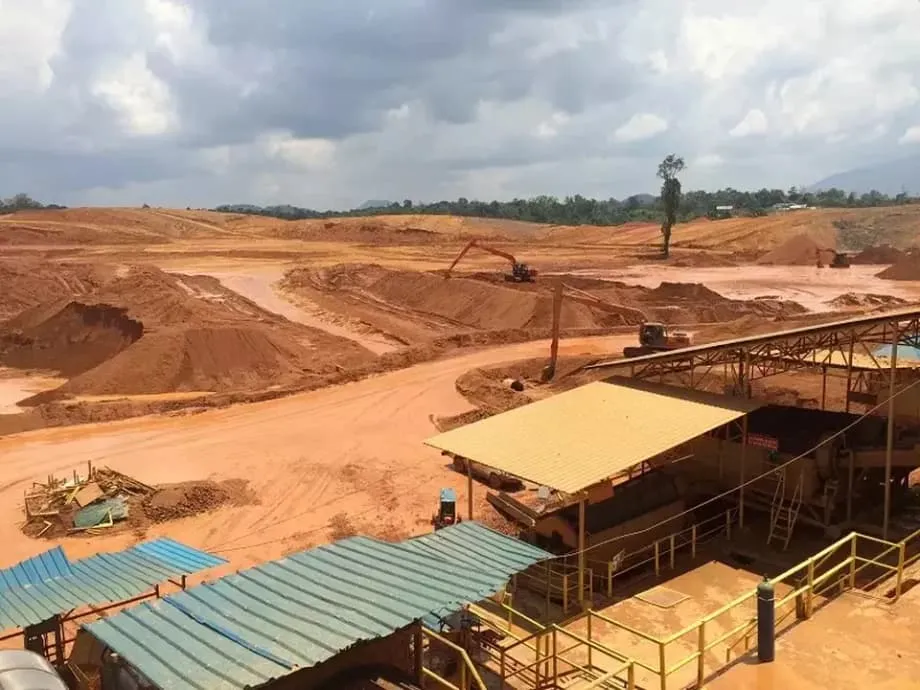
Indonesia's ban on bauxite exports has kept ore inside the country since June 2023, but financing delays and a dispute over domestic prices are slowing the industrial expansion it was meant to drive. Seven major alumina projects in Kalimantan remain delayed, while state owned miner PT Aneka Tambang, known as Antam, told lawmakers that buyers had stopped purchasing its washed bauxite under a government pricing formula introduced in 2025.
Contents
- Ore Stays Home, but Refinery Investment Lags
- How the Ban Developed
- Why the Capacity Figures Tell Different Parts of the Story
- Miners Face Fewer Buyers and Lower Prices
- A Benchmark Price Meets Buyer Resistance
- Why Planned Refineries Remain Unfinished
- Export Relief Is Discussed, but Domestic Processing Remains the Goal
- Indonesia's Choices Reach China and Global Alumina Markets
- Nickel Offers a Precedent, Not the Same Timetable
- What the 2025 to 2027 Plans Depend On
- Key Points
As of October 19, 2025, the government's goal remains to turn Indonesia from an exporter of raw minerals into a producer of alumina, aluminum and eventually finished goods. The immediate challenge is getting mines, refineries, lenders and power suppliers to move together. Miners need customers now, while processing plants require large investments and years of preparation.
Energy and Mineral Resources Minister Bahlil Lahadalia argues that domestic demand already provides a reason to build. Indonesia imports aluminum and other bauxite derivatives because its industrial capacity cannot meet local needs. Authorities have set investment targets of about $8 billion for downstream minerals and coal processing, with billions already committed in recent years. Downstream processing means turning a raw material into something more valuable before selling it.
The policy follows Indonesia's experience with nickel, where restrictions on raw ore exports helped attract processing investment and raise export values. Bauxite, however, is progressing on a different timetable. Existing alumina plants cannot absorb all the ore miners could produce, and lenders remain reluctant to finance the next wave of refineries.
For producing regions such as West Kalimantan, the outcome affects mine employment, local suppliers and the prospect of new industrial jobs. For manufacturers, it affects whether Indonesia can supply more of the aluminum used in transport, construction, electricity transmission, packaging and lightweight components for electric vehicles.
How the Ban Developed
Indonesia's bauxite restrictions are rooted in the 2009 Mining Law, which requires minerals to gain value through domestic processing before export. The government first imposed a broad prohibition on raw mineral exports in 2014, then relaxed it in 2017 to avoid choking off production while processing facilities were being built.
President Joko Widodo announced the renewed bauxite ban in late 2022. He accepted that lost export revenue would cause pain initially, arguing that the eventual gains from investment, employment and higher value production would outweigh those costs. The ban took effect in June 2023 and covers both unprocessed bauxite ore and washed bauxite.
- 2009: The Mining Law established the requirement for domestic value addition before mineral exports.
- 2014: Indonesia introduced a blanket prohibition on raw mineral exports.
- 2017: The government relaxed restrictions while new processing plants were being developed.
- Late 2022: Joko Widodo announced the renewed bauxite export ban.
- June 2023: The ban on unprocessed and washed bauxite exports took effect.
- 2025: A domestic benchmark pricing mechanism became another source of friction between miners and processors.
Bauxite passes through two main industrial stages before becoming aluminum. A refinery turns the ore into alumina, which is then smelted into aluminum metal. Each stage adds value, but also requires equipment, energy and financing. Building the entire chain at home would allow Indonesia to retain more income and supply more material to its manufacturers.
The government also wants a stronger position in global aluminum and electric vehicle supply chains. Developing processing near bauxite deposits could bring further investment to places such as West Kalimantan. The policy depends on private capital arriving quickly enough to replace the overseas buyers that miners lost when exports stopped.
Why the Capacity Figures Tell Different Parts of the Story
Officials have cited installed capacity to process about 17.5 million tons of bauxite ore annually. Four operating alumina facilities have also been reported with combined output capacity of about 4.3 million tons of alumina a year. These figures describe different stages: one measures the ore plants can take in, while the other measures the refined material they can produce.
The conversion depends on ore quality. Producing one ton of alumina often requires around three to four tons of bauxite. Comparing mine output directly with alumina output therefore misses how much raw material a refinery needs. Indonesia's existing processing base remains limited relative to its ore potential and demand for alumina and aluminum products.
Indonesia can mine well over 20 million tons of bauxite annually. Industry associations have put production potential at about 30 million tons in some years. Against that potential, the handful of operating refineries can absorb only a fraction of the ore, creating the surplus that analysts and lawmakers have warned about.
The 2025 planning figures describe a tighter balance. Approved mine plans point to production of 12 million to 15 million tons, while operational alumina capacity has also been put at about 5.3 million tons. At full operation, that capacity would require around 16.5 million tons of bauxite. Another estimate puts the ore needs of operating refineries at 16.5 million to 18.5 million tons.
Actual refinery activity matters as much as rated capacity. Many plants have operated below peak levels while increasing production. A plant that uses less ore than planned leaves miners with unsold stock, even when its maximum capacity suggests strong demand. Production planning must account for how much material refineries actually purchase.
The government has urged companies to finish eight additional alumina projects. Together, those projects could consume roughly 24.5 million tons of bauxite and produce about 8.5 million tons of alumina annually. Completing them would substantially increase domestic demand for ore and reduce the pressure created by the export ban.
Miners Face Fewer Buyers and Lower Prices
Mining companies say the gap between potential ore supply and refinery purchases has squeezed their finances. With exports closed and only a few domestic buyers, inventories have increased and local prices have fallen. Some companies have reduced production or paused operations to conserve cash and limit losses.
West Kalimantan and other producing regions face consequences beyond mine balance sheets. Mining supports workers, contractors and local suppliers. Business groups warn that prolonged shutdowns could lead to job losses and weaken regional economies. Miners also say production cuts put payrolls and community programs at risk.
Industry groups have proposed a floor for domestic bauxite prices. Under that approach, alumina plants would have to pay at least a set amount for ore. Supporters argue that a minimum price could help mines cover costs and prevent increasingly low bids from destabilizing producers while new refineries are built.
Officials acknowledge the supply imbalance and regard lower mine production as one way to manage it until processing capacity expands. For mining companies, however, restricting output means less income during an already difficult transition. A national industrial strategy that promises more value later creates immediate costs for businesses that previously depended on exports.
Domestic pricing has become especially sensitive because miners need enough revenue to remain open, while refineries need affordable feedstock to operate economically. The government's effort to set a benchmark price in 2025 has brought that tension into sharper focus.
A Benchmark Price Meets Buyer Resistance
The Energy and Mineral Resources Ministry introduced a domestic benchmark pricing mechanism known as HPM for minerals and coal in 2025. It requires sales at or above a government formula, with the aim of securing fair value for the state and encouraging investment.
Large miners say the formula is above what refineries are willing to pay. Antam told lawmakers that buyers were declining to purchase bauxite under HPM and warned that all its washed bauxite and ferronickel sales had halted at the start of April. The company said the interruption affected cash flow and state royalties, the payments mining generates for the government.
Antam President Director Nico Kanter described the disagreement during a parliamentary hearing, saying buyers would not accept the benchmark and that the rule restricted negotiations between businesses.
"Buyers and smelters are unwilling to pay the benchmark price, so sales are not economical. HPM is too high and it removes the flexibility of business to business pricing," Antam President Director Nico Kanter said during a parliamentary hearing.
Miners and refineries have urged the government to adjust HPM, allow wider discounts for supply contracts covering longer periods, or introduce the policy in stages that reflect market conditions. Lawmakers have asked ministries to review whether a formula intended to protect national interests is instead preventing transactions.
The earlier demand for a price floor and the later resistance to HPM reveal the same commercial problem from different directions. Producers want protection from prices too low to cover their costs. Processors need prices at which they are willing to buy. Keeping both operating requires a workable trading price as well as sufficient refinery capacity.
Why Planned Refineries Remain Unfinished
Financing is the main obstacle to closing the processing gap. Seven major alumina projects in Kalimantan are delayed, leaving substantial planned capacity unbuilt. Developers report difficulty obtaining loans from both Indonesian and foreign banks.
Ronald Sulistyanto, chairman of the Indonesian Bauxite and Iron Ore Entrepreneurs Association, has repeatedly warned that alumina projects are expensive and less attractive to lenders than nickel ventures that can repay investment sooner. He has called for policy support to unlock financing.
"Building a bauxite smelter unit requires a capital expenditure of US$1.2 billion," Ronald Sulistyanto said, adding that banks have been unwilling to provide the funds needed to move projects forward.
Refineries need more than processing equipment. Developers must arrange reliable electricity and heat, port access, caustic soda and other inputs. Generating power near mines or securing stable grid connections adds to the initial cost and can delay construction. Longer construction schedules also mean investors wait longer for income.
Regulatory uncertainty adds another difficulty. Developers say changes involving export permissions, licensing and pricing make banks cautious. Several projects remain idle sites while sponsors seek partners and arrange land, electricity and environmental clearances.
One Kalimantan project stalled after its mining license was revoked. For lenders assessing risks over 15 to 20 years, predictable permitting matters alongside the quality of the ore and the expected selling price of alumina. A project needs dependable access to raw materials and infrastructure throughout the period in which it repays its borrowing.
Export Relief Is Discussed, but Domestic Processing Remains the Goal
Discussion of easing the bauxite export ban has circulated since mid 2024. Market participants argue that allowing some shipments abroad would absorb surplus ore and restore income to producers while Indonesia builds more processing capacity.
Domestic refineries face a different concern. If overseas buyers return, Indonesian plants could have to compete for bauxite and pay more for their feedstock. Any controlled export window would therefore need volumes calibrated to preserve sufficient supplies for processors at home.
As of October 19, 2025, the ban remains in place, with policy attention focused on domestic prices and how much ore refineries can absorb. The timing of any relaxation, and the completion dates of delayed projects, remain unsettled.
Energy and Mineral Resources Minister Bahlil Lahadalia has maintained the government's commitment to processing at home. He has linked the policy to the gap between Indonesian demand for aluminum products and the capacity of local industry.
"Indonesia still imports many bauxite derivatives like aluminum because domestic demand is higher than industrial capacity, so investors need to build bauxite smelters in the country," Energy and Mineral Resources Minister Bahlil Lahadalia said.
The government's position leaves production planning as an immediate task. Regional authorities and the central government need to coordinate mine output with actual refinery demand, avoiding both shortages at plants and growing stockpiles at mines. Adjusting prices alone cannot create the additional processing capacity that the broader strategy requires.
Indonesia's Choices Reach China and Global Alumina Markets
China relied heavily on Indonesian bauxite before earlier restrictions, with Indonesia supplying the bulk of its imports in some years. Chinese buyers subsequently diversified toward Australia, Guinea, Malaysia and other suppliers. Guinea now dominates China's bauxite import mix.
A partial reopening by Indonesia would alter those trade flows again. Analysts estimate that 16 million tons of Indonesian bauxite entering the seaborne market could support production of 4 million to 5 million tons of alumina elsewhere. That volume could offset part of current global shortages.
Alumina markets have been volatile. Refinery disruptions and closures in Australia reduced supply, while Guinea experienced interruptions in 2024, including the suspension of exports by a major producer. Those shocks pushed alumina prices to their highest levels in several years and exposed the concentration of supply.
Indonesia faces competing incentives in that market. Strong overseas demand would likely provide buyers for surplus ore if exports were permitted. Higher alumina prices also strengthen the commercial case for refining that ore domestically and selling a more valuable product.
Aluminum demand connects the policy to electric vehicles and renewable energy. The metal combines strength with low weight and is used in cars, aircraft and power infrastructure. Indonesia could capture more of that business by aligning ore production, alumina refining and the power supply needed for aluminum smelting.
State owned aluminum producer Inalum has partnered with Emirates Global Aluminium to expand metal production, targeting capacity of up to 1 million tons in the coming years. Such partnerships can bring technology and capital, although expansion still depends on projects securing financing.
Nickel Offers a Precedent, Not the Same Timetable
Indonesia's nickel policy helped drive a sharp increase in export value, attracted foreign investment into smelters and related industries, and supported the growth of battery material supply chains. Policymakers want bauxite to follow a comparable progression from ore to alumina, aluminum metal and manufactured products.
Those later products include rolled and extruded aluminum. Rolling produces sheets and similar forms, while extrusion shapes metal by pushing it through an opening. Expanding into such manufacturing would carry Indonesia beyond selling refined material toward supplying components and products.
Nickel projects have generally secured financing faster. Processing through high pressure acid leach and rotary kiln electric furnace systems has often offered quicker repayment than alumina refineries. Bauxite processing requires large, sustained supplies of power and materials, making the comparison with nickel less straightforward.
Investors also remember the shift from the 2014 mineral export restrictions to their relaxation in 2017 and the subsequent tightening. Banks considering expensive plants must assess whether future rules will support the revenues on which repayment depends. Clear licensing, pricing and export policies can reduce uncertainty and borrowing costs.
Indonesia has faced international legal friction over its resource policies, including a World Trade Organization dispute concerning nickel restrictions. The government has defended its approach through arguments about economic sovereignty and keeping more value at home. For bauxite developers, a consistent and transparent regulatory timetable remains important to financing decisions.
What the 2025 to 2027 Plans Depend On
Indonesia could approach annual alumina capacity of 10 million to 12 million tons by 2027 if delayed projects obtain financing and proceed. Market estimates suggest the ore and processing balance could improve within 18 to 24 months if construction restarts without major delays. Both estimates depend on projects moving beyond plans into operation.
Possible support includes blended finance, which combines different funding sources, clearer tax and other fiscal incentives, and better plans for electricity supply. Practical changes to domestic pricing rules could also help mines and refineries resume transactions while preserving the government's objectives.
The immediate balance remains delicate. Approved bauxite production of 12 million to 15 million tons in 2025 sits below estimated refinery needs at full utilization, yet plants operating below capacity can leave ore unsold. Managing the transition requires attention to actual purchases, inventories and production rather than maximum capacity alone.
Indonesia's longer term objective is unchanged: move from exporting raw ore toward alumina, aluminum and finished aluminum products. The export ban creates pressure to invest, while financing, stable regulation and reliable infrastructure determine how quickly that investment becomes working capacity.
Key Points
- Indonesia has prohibited exports of unprocessed and washed bauxite since June 2023 to encourage domestic processing.
- Four operating alumina facilities have been reported with capacity of about 4.3 million tons annually; 2025 planning also cites operational capacity of about 5.3 million tons.
- Eight additional alumina projects could consume about 24.5 million tons of bauxite and produce roughly 8.5 million tons of alumina each year.
- Seven major projects in Kalimantan are delayed, with financing the main obstacle.
- Miners face unsold inventories, lower domestic prices and pressure on jobs and cash flow.
- Antam said washed bauxite and ferronickel sales halted at the start of April because buyers rejected the HPM benchmark price.
- The export ban remains in place as of October 19, 2025, despite discussion of limited relief.
- Inalum and Emirates Global Aluminium are targeting aluminum capacity of up to 1 million tons in the coming years.
- Alumina capacity could reach 10 million to 12 million tons by 2027 if delayed projects secure financing and construction proceeds.