Wednesday dinners bring new faces to quieter tables
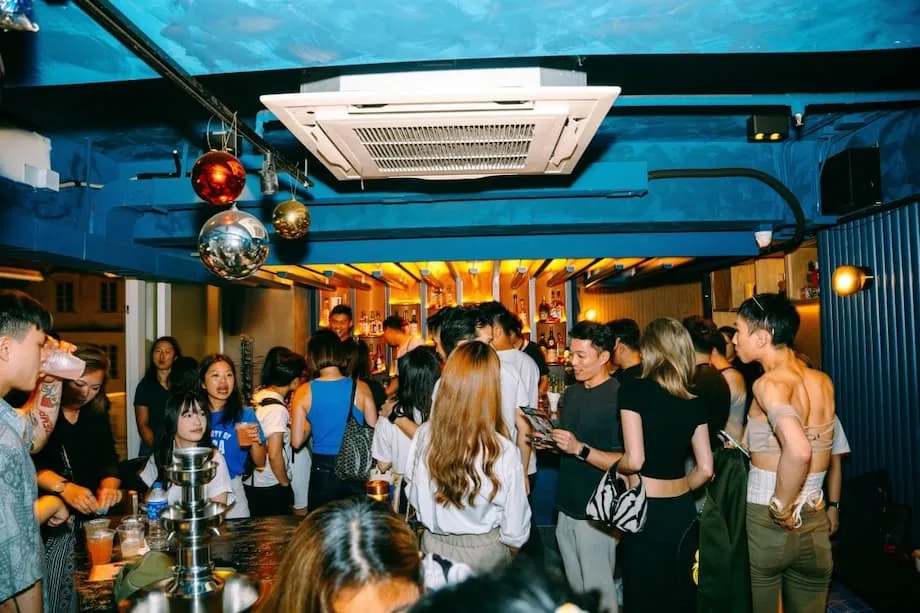
A Wednesday dinner with strangers can lead to a much larger gathering later in the evening. At Hong Kong bar Thirsty Shaker, owner Sandeep Hathiramani says social dining events bring 80 to 100 people through the door for drinks, giving a traditionally quieter night a welcome lift.
Contents
- Wednesday dinners bring new faces to quieter tables
- How a group dinner takes shape
- Different platforms offer different ways to meet
- Why a small table matters to a restaurant
- Bars gain a second wave of customers
- What diners want from the evening
- Trust starts with clear arrangements
- Restaurants adjust menus, seating and service
- Matching software still needs people at the table
- Hong Kong already knows how apps can move diners
- Food surplus adds another purpose to dining apps
- Key Points
Across the city, platforms such as Timeleft, Eatwith and Genie Friends are giving people a structured reason to meet over food. Small groups arrive at restaurants without knowing one another, sit down with some understandable nerves, and begin talking over shared plates. A meal can become the start of a friendship or a future project.
As of October 10, 2025, the appeal extends to both sides of the table. Diners get company and a chance to explore unfamiliar restaurants. Businesses get customers during periods when demand can be unpredictable, along with an introduction to people who might return with friends.
Timeleft says it operates in 60 countries and 300 cities, connecting 120,000 strangers through around 20,000 dinners each month. Those figures describe its international activity. Its regular Wednesday dinners fit a Hong Kong routine in which crowded schedules can make arranging an evening with friends surprisingly difficult.
Hong Kong offers a strong restaurant scene and a cosmopolitan population, while friendship circles can feel close one month and distant the next as work takes over. Social dining apps put a date, a venue and a group into the calendar. Participants still have to make conversation, but they do not have to organise the gathering themselves.
The attraction is a combination of connection and discovery: meeting people without the pressure of a formal networking event, while eating somewhere they might otherwise never have booked.
How a group dinner takes shape
Timeleft begins with a short personality quiz. Diners choose a preferred area or budget, then wait to be assigned to a table of five people. The platform matches participants using personality information and basic demographics, and arranges the meal at a vetted restaurant.
Age, language and dietary needs are among the considerations intended to make the experience inclusive. The company reports high group compatibility. Small groups, often five to six people across these dining formats, give each participant space to speak without requiring them to address a room full of strangers.
Icebreaker games help start conversations when introductions feel awkward. These are simple prompts or activities that give people something to discuss before they know much about one another. They also provide support when a table's personalities do not immediately click.
Diners pay their food bill directly to the venue. The platform fee typically covers matching, the restaurant booking and games used at the table. Keeping those payments separate gives the restaurant its usual role in serving the meal and settling the bill.
Timeleft often reveals an optional location for drinks only after the dinner has finished. The meal remains the first focus, and anyone who wants to continue talking can move on afterward. Revealing the drinks venue later also reduces unplanned arrivals and keeps arrangements straightforward for restaurants and bars.
Different platforms offer different ways to meet
Eatwith centres its experience on a host, who creates a menu and a gathering that guests book by the seat. Meals can take place in private homes or restaurants, with regional cuisines and special themes providing a shared interest before conversation begins.
Genie Friends grew from a community of people interested in meeting others. Its activities extend beyond dining, giving users a wider choice of settings for making connections. Food is one route into that community rather than its only activity.
Timeleft builds its format around a recurring weekly dinner. Eatwith gives the host and menu a larger role, while Genie Friends offers broader activities. All three provide an organised setting in which people can meet without first having an established group of friends to invite.
Why a small table matters to a restaurant
Restaurants can face uncertain demand on Wednesdays and Thursdays. A booked group on one of those evenings brings business into a period that might otherwise be quiet. For an intimate venue, filling even a handful of seats can change both the atmosphere and the night's takings.
Tabià co owner Roberto Trento adopted the format when the restaurant opened. He saw it as a way to introduce the venue to diners willing to try somewhere new, without a large marketing bill or dependence on paid promotions.
When I opened Tabià, I decided to host a table with Timeleft, as I thought it was an interesting concept. It is a brilliant way to bring people out on days that are a bit quieter and explore restaurants around the city.
Operators describe benefits that continue after the first meal. Guests who enjoy a restaurant may return with friends, talk about it within their own networks or post about their evening. The venue becomes part of a shared memory, giving people a personal reason to recommend it.
For smaller businesses with thin margins, those recommendations can be valuable. A margin is the money left from sales after costs are paid. Rent, wages and supplies keep putting pressure on that amount, so additional customers on a slow evening can make a practical difference.
The arrangement also changes how a restaurant reaches new diners. Instead of asking people to choose the venue first and then find companions, the app brings together a group and gives it a restaurant to discover.
Bars gain a second wave of customers
Thirsty Shaker experiences the next stage of the evening when dinner groups gather for drinks. Owner Sandeep Hathiramani describes the effect on Wednesday trade.
Every time there is a dinner, you get 80 to 100 people at the bar on a Wednesday night, that is always good for business.
Timeleft has experimented with drinks after dinner as an organised extension of the meal. It has also tried a weekly format that replaces dinner with a social hour at a partner bar. Timeleft Thursdays takes that idea further with an evening focused on drinks.
Operators who accommodate these gatherings without high minimum spending requirements or rigid rules can attract customers they might otherwise miss. A recurring crowd also gives bars more clarity when planning staff after 9 pm.
The restaurant and bar serve different parts of the same outing. The small dinner table gives strangers time to get comfortable, while the later gathering offers a way to continue the evening. The format can change while keeping its central purpose: giving people a reason to meet.
What diners want from the evening
Participants tend to come for two reasons: connection and discovery. Long working hours, lengthy commutes and social media taking the place of time together can leave people feeling out of practice at meeting face to face, even in a crowded city.
A shared meal supplies a familiar setting and an activity that everyone can join. The conversation can remain open rather than following a formal agenda. Diners also get a group with which to explore a new venue, and dishes served family style allow several people to taste a wider selection of food.
Regular attendee Grace Yen says people are the main attraction, while a good meal adds to the pleasure of the gathering.
It is the mix that makes it worthwhile, good conversation paired with good dishes feels especially rewarding.
Many dinners are bilingual, reflecting Hong Kong's population. Age and preferences help shape the groups, while apps and hosts encourage participants to keep contact details private unless they both want to stay in touch. These arrangements help newcomers feel comfortable without requiring everyone to become friends.
The gatherings can also bring together people whose routines rarely overlap: new arrivals, students, residents who have lived in Hong Kong for years, and professionals who want new friendships after moving away from dating apps.
Hong Kong's fast service and busy lives can leave little room for lingering conversation. A weekly dinner gives that conversation a recurring place in the calendar. Its social value comes from making time together a routine, rather than leaving it to an occasional opening in everyone's schedule.
Trust starts with clear arrangements
Social dining apps commonly build their arrangements around public restaurants, balanced groups and payments made directly to the venue. A staffed business gives participants a defined place to meet, while communication within the app helps keep booking information consistent.
Optional drinks locations may remain undisclosed until the meal ends, reducing the chance of gatecrashers. Platforms that handle communication internally also limit opportunities for someone to misrepresent event details or pressure another participant to meet outside the gathering.
Hong Kong authorities have warned residents to be alert to scams linked to social invitations. Open invitations on general social platforms can involve people who fail to attend or deliberately mislead guests. App managed dinners in staffed venues reduce that risk through more structured arrangements.
Participants still need straightforward ground rules. Arriving on time, following the booking details and agreeing how to settle the bill before ordering help the table avoid uncomfortable surprises. Someone who prefers not to exchange contact information should be able to make that choice without pressure.
Diners who feel unwell or cannot attend should cancel early through the app, giving the platform and restaurant a chance to respond before seats are left empty. Checking event details, keeping meal payments at the venue and contacting platform support when something feels wrong are also part of a sensible approach.
Restaurants adjust menus, seating and service
Venues working with social dining apps often prepare a short menu or establish a price range before the group arrives. Some create sets at a fixed price that suit a table sharing several dishes. Those arrangements make ordering easier for people who have only just met.
Staff can be briefed to coordinate shared plates, encourage easy conversation and handle payment smoothly. A table that spends less time sorting out practical details has more time to get to know one another.
Seating matters as well. A round table, or a long table without tight corners, makes it easier for five people to hear each other. Poorly arranged seating can leave someone struggling to join the conversation during an already awkward first hour.
More venues are becoming comfortable dedicating a table to a changing group of guests on a weeknight. The shift gives an ordinary part of the dining room a recurring purpose, without requiring the restaurant to change its entire service.
Hong Kong has long valued the table for two. Social dining adds another option: a longer conversation among people who were strangers an hour earlier. Restaurants can accommodate both, provided the organised group fits the venue's space, menu and pace.
Matching software still needs people at the table
Timeleft and similar services combine data with practical design. A short personality test can help avoid placing five quiet people together or grouping five people who all tend to dominate a conversation. Age ranges and interests provide further ways to arrange a table.
Services also seek variety across professions and backgrounds so that conversation does not settle on a single subject. The matching system is an algorithm, a set of rules used to organise information and make choices. It helps assemble a group, while games and guidance help the people within it interact.
Apps operating across many cities vet restaurants through local teams and participant feedback. The restaurant selects or approves its menu and manages the food bill in the normal way. Timeleft points to high diner ratings, its attention to language and dietary needs, and a Google Play award in 2024 as signals of trust for new users.
Good chemistry is never guaranteed. Some participants drift away after the first hour, and others fail to turn up. Platforms try to keep the arrangements manageable for restaurants while maintaining a welcoming atmosphere for people attending for the first time.
The aim is to make social dining a useful addition to a normal night out. A group still needs room to enjoy its food and conversation without the evening becoming a hurried networking session.
Hong Kong already knows how apps can move diners
Food delivery had already made apps central to Hong Kong's eating habits before organised social tables gained momentum. A fierce delivery battle saw a platform backed from mainland China surge after a global rival withdrew, while the remaining competitor fought to protect its share.
Deep discounts, strategies for rider pay and pressure over exclusive arrangements changed the delivery market in a short period. Restaurants learned that digital intermediaries, the services standing between businesses and customers, could quickly direct demand and alter the economics of selling a meal.
Tourism adds another influence. A large share of Hong Kong's visitors come from mainland China, and many use Xiaohongshu to find cafes and restaurants. Popular dishes and venues on the app can draw queues. Operators who remain authentic rather than chasing every online trend often see better results over time, especially when the online presentation matches the experience at the table.
During the pandemic, restaurants rapidly adopted digital tools and unfamiliar ways of serving customers. Some built their own delivery services; others created meals to enjoy at home with guidance from chefs. Restaurant groups assembled meal plans, curated playlists and even supplied tableware.
Those experiments made the industry more comfortable with technology, logistics and new sources of revenue. Diners also became accustomed to coordinating a restaurant experience through a screen. Social dining arrives after that change in habits, using an app to arrange an encounter that happens in person.
- During the pandemic, Hong Kong restaurants expanded digital ordering and created dining experiences for customers at home.
- In 2024, Timeleft received a Google Play award.
- By October 10, 2025, social dining formats in Hong Kong included Wednesday dinners, drinks afterward and Timeleft Thursdays.
Food surplus adds another purpose to dining apps
Chomp, a local platform, connects customers with food that would otherwise remain unsold near closing time. Bakeries and cafes can package that surplus into surprise boxes, giving food another chance to be eaten rather than discarded.
The platform has also worked with chefs, students and community partners to share ways of using scraps. A recent cookbook project promoted recipes using cucumber peels, leek tops and overripe tomatoes, showing how ingredients commonly thrown away can still have a place in a meal.
Hong Kong sends thousands of tonnes of waste to landfill each day, and food makes up a large share. As discarded food breaks down, it produces methane, a gas that traps more heat than carbon dioxide. Throwing away a kilogram of beef also wastes the enormous volume of water used to produce it.
Chomp's focus on surplus food and education about portions addresses those costs. Its purpose differs from matching strangers for dinner, but both uses of technology encourage people to think more consciously about what they eat and why they gather.
Social dining's contribution to Hong Kong is more immediate: additional customers at quieter times, new routes into restaurants and bars, and a regular opportunity to meet people. Its continued appeal depends on the balance between dependable arrangements and an evening that feels comfortable rather than forced.
Key Points
- Social dining apps organise small groups of strangers for meals, bringing customers to Hong Kong restaurants on quieter evenings.
- Timeleft says it operates in 60 countries and 300 cities, connecting 120,000 strangers through around 20,000 dinners each month.
- Timeleft uses a personality quiz and preferences to arrange groups, with diners paying restaurants directly for their meals.
- Eatwith offers meals organised by hosts in homes or restaurants, while Genie Friends includes dining among a broader range of activities.
- Tabià co owner Roberto Trento sees the format as a way to introduce his restaurant without heavy marketing spending.
- Thirsty Shaker owner Sandeep Hathiramani says dinner events bring 80 to 100 people to his bar on Wednesdays.
- Diners seek both new connections and restaurant discovery, with public venues, clear billing and respect for personal boundaries supporting comfortable gatherings.
- Restaurants are adapting menus, seating and staffing, while drinks events extend the format beyond dinner.
- Delivery competition, tourism apps and pandemic experimentation helped make digital coordination familiar to Hong Kong diners and restaurants.
- Chomp connects customers with surplus food and promotes practical ways to reduce food waste.