Two major celebrations lose their venues
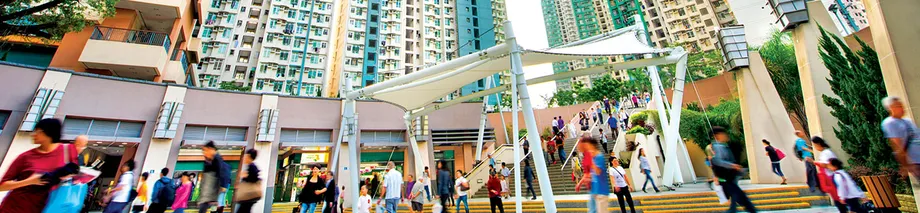
Hong Kong's largest LGBTQ carnival, Pink Dot, has been cancelled for a second consecutive year, extending a retreat from public celebrations that drew more than 13,000 visitors to its last edition in September 2024. The carnival planned for June 14, 2026, at Stanley Plaza and Murray House fell through after licensing uncertainty and the venue operator's decision not to rent out the space.
Contents
- Two major celebrations lose their venues
- What happened to Pink Dot's June carnival?
- What Hong Kong loses when the carnival disappears
- Rainbow Market loses a confirmed booking
- Earlier venue explanations also drew scrutiny
- How Pride moved from streets to smaller spaces
- Political pressure and commercial caution
- Public acceptance and legal recognition move apart
- Celebrations continue in other forms
- Key Points
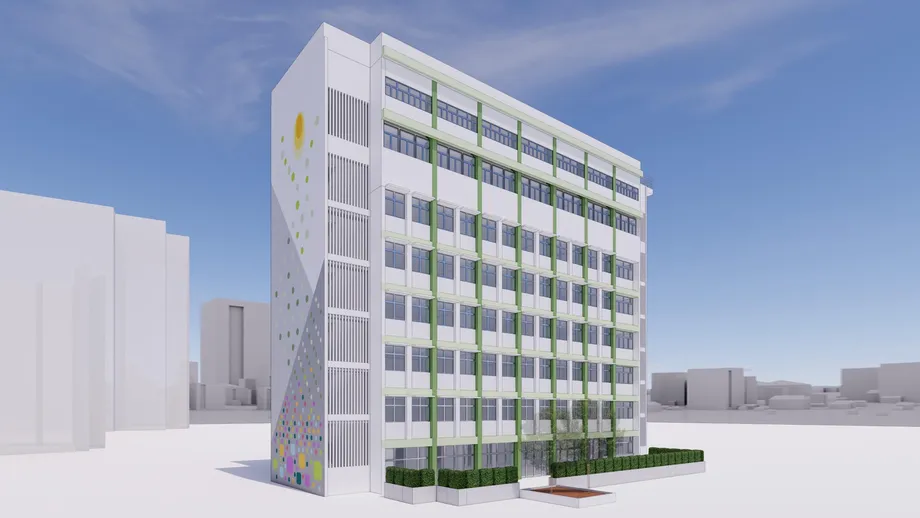
A second setback followed for the city's Pride organisers. Their Rainbow Market, scheduled for November 14, 2026, at Central Market, was cancelled after operator Chinachem Group said an administrative error had resulted in a double booking. The organisers announced that cancellation on October 15, after confirming availability in June and paying a deposit in July.
The two events belong to different organising groups, but their difficulties tell a connected story: finding a venue has become a recurring obstacle to bringing Hong Kong's LGBTQ community together. Across 2025 and 2026, at least four planned community events have been cancelled following problems with venue access, including two editions of Pink Dot and two Pride festivals or markets.
The consequences reach beyond a missing concert or market day. Pink Dot brought together families, performers, charities and people seeking a place to celebrate openly. Indoor markets offered another gathering point after the city's last full Pride street parade in 2018. Now, even some of those alternatives have lost their spaces.
What happened to Pink Dot's June carnival?
Pink Dot announced its 2026 carnival in mid-April, with Stanley Plaza and Murray House chosen for a June 14 celebration during Pride Month. On May 18, roughly five weeks after announcing the event, organisers said it would not go ahead.
The organisers said they had followed procedures to apply for the necessary licences but had not received approval from the relevant authorities. Link REIT, which operates the planned venue, then told them it could not rent out the space because of licensing issues.
A public event of this kind requires a Temporary Places of Public Entertainment Licence from the Food and Environmental Hygiene Department (FEHD). The licence is the official permission needed to use a location for public entertainment. Venue access and licensing were closely connected: Link REIT said use of the space depended on the organiser obtaining all licences required by law.
Brian Leung, Pink Dot Hong Kong's co-director, said Link REIT had told organisers it had heard of problems with the application. Leung said he had not been aware of any problem and did not know how the operator had obtained that information.
Leung described the lack of an explanation:
So far, I have received no official explanation.
The FEHD said on May 21 that it had received the application in late April. According to the department, organisers notified it on May 18 that the event had been cancelled and said they would formally withdraw the application later. The department said it therefore had no further follow-up. No specific defect in the application was publicly identified.
What Hong Kong loses when the carnival disappears
Pink Dot's September 2024 edition at Art Park marked its tenth anniversary in Hong Kong. More than 13,000 visitors attended an event combining performances, workshops and community activities.
A gay choir performed onstage, a drag queen led a storytelling session for children, and organisations operated dozens of tents promoting services and running games. Families with young children were among the crowd. Those activities made LGBTQ people visible through ordinary experiences: listening to music, meeting friends and spending a day out together.
Leung brought Pink Dot to Hong Kong in 2014, five years after it began in Singapore. The first two Hong Kong editions took place at Tamar Park in Admiralty. Later celebrations moved to Art Park, with interruptions during the 2019 protests and pandemic restrictions between 2020 and 2022.
Leung said he intended Pink Dot to offer something different from marches organised around demands for legal equality. Explaining his approach, he said:
The Pride marches had clear political aims, while Pink Dot is softer, with no political aims.
Singapore's event has continued annually, with its eighteenth edition scheduled for June 27, 2026. Hong Kong's repeated cancellations have left organisers searching for another way to sustain the public celebration they established in 2014.
Rainbow Market loses a confirmed booking
The Hong Kong Pride Parade Organising Committee encountered a different problem at Central Market. It contacted the venue in June 2026, received confirmation that November 14 was available, and paid a deposit in July. On August 31, it announced the market's date and location.
The committee subsequently received notice that the space could no longer be rented for the event. According to the organisers, venue staff had mistakenly booked two events for the same day.
Chinachem confirmed a booking overlap, said it had arranged a full refund and apologised. The company also said it had reviewed its booking and management procedures and introduced changes intended to prevent a repeat. It had no alternative venue available within its portfolio during November.
Central Market's public event calendar showed no event listed for November 14 when checked on the evening the cancellation was announced. Chinachem did not explain why the other booking had been retained.
The organising committee consists of Les Corner Empowerment Association, Rainbow of Hong Kong, the Association for Transgender Rights, and Made in Gender. It said it would keep trying to organise the market and announce updated arrangements through its social media accounts.
A separate event for members, a gender inclusive fitness performance competition scheduled for November 7, was unaffected and was due to proceed. The market cancellation nevertheless disrupted plans for participants who had already reserved time off to attend.
Earlier venue explanations also drew scrutiny
Pink Dot's 2025 carnival was cancelled after organisers failed to secure Art Park, its established venue. They said the West Kowloon Cultural District Authority withdrew from rental negotiations without giving an explanation. The cancellation was announced in July, about three months before the planned event.
The Hong Kong Pride Committee then cancelled an outdoor festival planned for Kwun Tong Promenade in November 2025. Venue operator Aquabeat said government construction work made the location unavailable. The Buildings Department later said no such work was scheduled for that date.
Theatre audiences also lost an LGBTQ production. In October 2025, the West Kowloon Cultural District Authority cancelled We Are Gay, a play by Candace Chong, nearly six weeks before its planned opening at the Xiqu Centre. The cancellation came hours before ticket sales were due to begin, following pressure and complaints from establishment aligned media and sectors.
The explanations have varied: licensing issues for Pink Dot in 2026, an unexplained withdrawal from venue talks in 2025, construction cited at Kwun Tong, and a double booking at Central Market. For organisers, each has produced the same practical task of trying to rebuild an announced event with little time and no confirmed space.
How Pride moved from streets to smaller spaces
Hong Kong's Pride organisers held the city's first parade in 2008. The last full street parade took place in November 2018. A proposed march in 2019 was denied approval over safety concerns during the protests against an extradition bill, and organisers held a static rally instead.
The changes continued through the pandemic and the years that followed:
- 2020: Pride activities moved online during COVID-19 restrictions.
- 2021 onward: Pride organisers shifted to indoor Rainbow Market events, citing changes in Hong Kong's social environment.
- September 2024: Pink Dot held its tenth anniversary celebration at Art Park, attracting more than 13,000 visitors.
- 2025: Pink Dot lost its planned Art Park event, and the Pride Committee cancelled its November festival at Kwun Tong Promenade.
- May 18, 2026: Pink Dot announced the cancellation of its June 14 carnival at Stanley Plaza and Murray House.
- October 15, 2026: Pride organisers announced that the November 14 Rainbow Market at Central Market had lost its venue.
The move indoors was meant to preserve opportunities to gather after street marches became difficult. Central Market's cancellation shows that indoor events also depend on securing and retaining venue agreements, even after a deposit has been paid.
Political pressure and commercial caution
Hong Kong's public gatherings have become much rarer since Beijing imposed the national security law in 2020, following the mass protests of 2019. Marches addressing labour issues and women's rights have also largely disappeared from the streets.
The law criminalises secession, subversion, terrorism and collusion with foreign forces, with penalties that can reach life imprisonment. In 2022, the United Nations Human Rights Committee said its vague provisions had led to a "curtailment of a wide range of rights and freedoms", including expression and assembly.
Regina Ip, who convenes the government's advisory Executive Council, said police tend to regard outdoor events as carrying a "greater risk of disorder". She pointed to the 2023 Gay Games opening ceremony, which took place indoors at Queen Elizabeth Stadium.
John Burns, an honorary professor in the University of Hong Kong's Department of Politics and Public Administration, said he knew of no government effort to ban LGBTQ gatherings or central government directive to do so. He argued that officials should explain any national security concerns about outdoor events.
Other community figures offered different readings of venue operators' decisions. Activist Jerome Yau said he saw no evidence that Link REIT had been pressured. Nick Lee suggested the operator might have withdrawn out of caution. Their assessments show the uncertainty organisers face when the reasons behind a venue decision remain unclear.
Jamie Zhao, an assistant professor at City University of Hong Kong who studies queer media, connected public LGBTQ visibility with political vulnerability. Zhao said mainland authorities were less tolerant of activities involving public disruption or demands for rights, while commercially useful queer culture could still find space. That leaves community gatherings dependent on decisions made by both public bodies and commercial operators.
Public acceptance and legal recognition move apart
A Chinese University of Hong Kong survey published in 2023 found that 60% of respondents supported allowing same-sex couples to marry, while 17% opposed it. Support had risen from 38% in 2013, an increase of 22 percentage points over a decade.
Hong Kong's courts have expanded some rights for same-sex couples in areas including visas, housing and inheritance. In 2023, the Court of Final Appeal ordered the government to create a framework recognising same-sex partnerships. The ruling required an alternative form of legal recognition rather than recognition of same-sex marriage.
The government proposed a partnership registration framework in 2025 in response to the ruling, which arose from a case brought by activist Jimmy Sham. Lawmakers rejected the bill in September, with many invoking traditional Chinese family values.
Sham initially wondered whether Pink Dot's cancellation in July 2025 was connected to sensitivity surrounding the government's proposal, published four weeks earlier. After the carnival was cancelled again in 2026, he said people still did not understand why.
For LGBTQ residents, public acceptance, legal rights and the ability to gather now move on separate tracks. Survey support has grown, courts have required greater recognition, and organisers have continued to encounter difficulty securing places where the community can meet openly.
Celebrations continue in other forms
Pink Dot replaced its cancelled 2025 carnival with a livestreamed concert, talks by activists and a fashion show. Performers included Cantopop singers Marf Yau Yin-tung of Collar and On Chan.
After the 2026 cancellation, Leung said organisers were considering another private indoor event that could be streamed to the public. No confirmed date or venue for that alternative was announced in the cancellation accounts.
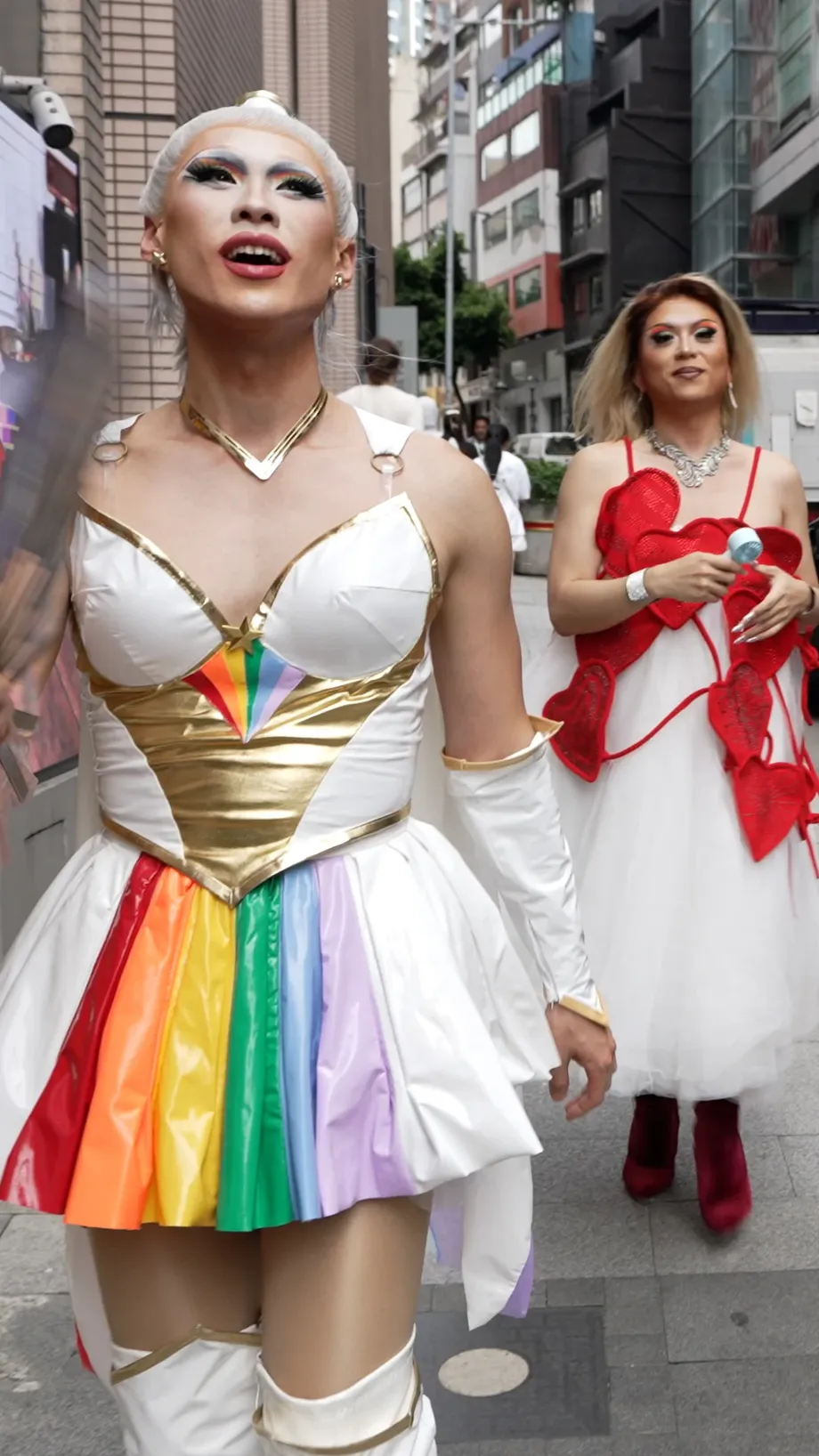
Other public activities have continued. LGBTQ groups ran street booths in Causeway Bay around the International Day Against Homophobia, Biphobia and Transphobia in May 2026, with activities and talks by activists. Drag performers and community members have also continued finding ways to celebrate despite the loss of major events.
Livestreams can bring performances to people at home, while smaller gatherings preserve personal connections. A large carnival provides something different: a shared public space where families, charities, artists and strangers can meet in one place. Restoring that opportunity now depends on organisers obtaining both the necessary permissions and a venue that remains available through opening day.
Key Points
- Pink Dot cancelled its June 14, 2026, carnival after licensing uncertainty and the loss of its Stanley venue.
- The carnival was also cancelled in 2025. Its last edition, in September 2024, attracted more than 13,000 visitors.
- Rainbow Market lost its November 14, 2026, booking at Central Market after Chinachem cited an administrative error and overlapping bookings.
- Earlier cancellations affected the Pride festival at Kwun Tong Promenade and the play We Are Gay.
- Pride organisers are seeking new arrangements, while the separate November 7 event for members was scheduled to proceed.
- Hong Kong's last full Pride street parade took place in 2018; celebrations have increasingly shifted indoors or online.