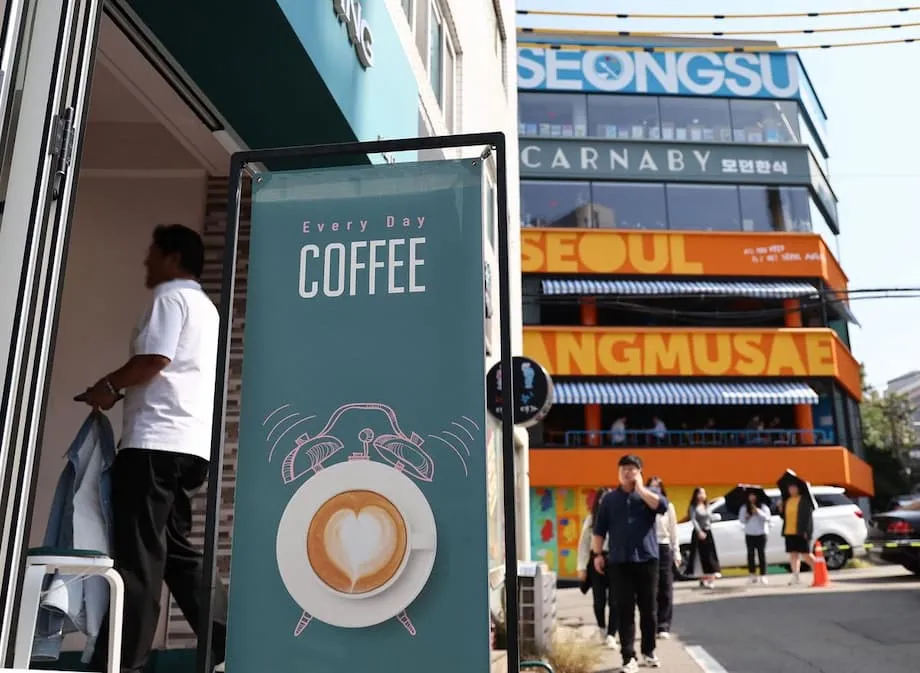
About 18 businesses can get help changing their shopfronts
Suwon, the Gyeonggi Province city just south of Seoul, is offering small businesses up to 2 million won each, about 1,450 dollars, to replace or update storefront signs written entirely in a foreign language. The first round is expected to support about 18 shops, with applications open until October 10.
Contents
- About 18 businesses can get help changing their shopfronts
- Who qualifies and what the money covers
- Why a readable shop name matters
- Hangul Day and Suwon's local identity
- What a new sign can offer a small retailer
- Business choice remains part of the debate
- How the approach compares with Quebec and France
- The deadline and the steps that follow
- How the city could assess the first round
- Key Points
The municipal subsidy gives owners two choices: change their sign fully into Korean or keep the existing foreign wording and add Hangul, the Korean alphabet. The money can cover design services, sign production and installation, reducing the cost of a change that a small retailer might otherwise postpone.
City officials present the initiative as a way to make commercial streets easier to read while celebrating the local language. Smaller stores run by families will receive priority during selection. Participation is voluntary, and businesses can continue using English or another language alongside Korean.
An unnamed Suwon city official described the program's practical and cultural aims and explained why the city wants to encourage changes to shopfront advertising:
We want to promote proper advertising practices while also sharing the beauty of Hangul.
The offer comes as English branding has become common across many retail districts in South Korea. Some residents welcome the international feel of those streets. Others find signs written only in a foreign language difficult to understand, particularly seniors and people who prefer Korean in daily life.
Suwon's proposal puts a limited grant behind a visible change: a Korean name on a storefront where there currently is none. For owners, it offers help with redesign costs. For residents, the intended benefit is a shop name they can read, say and remember more easily.
Who qualifies and what the money covers
Businesses whose exterior signboards are written entirely in English or another foreign language are eligible to apply. A qualifying redesign can remove the foreign text and use Korean alone, or create a bilingual sign by placing Korean lettering alongside the existing wording.
The subsidy is capped at 2 million won per business. It can contribute to the work involved in updating a main signboard, including hiring a designer, producing the replacement sign and installing it. City hall expects strong interest and plans to review applications before choosing about 18 recipients for this first stage.
Small stores owned locally, especially those run by families, are at the front of the priority list. The aim is to help businesses for which the expense of a new sign could be difficult to absorb. An owner can keep a familiar foreign brand name while adding a Korean version that local customers can identify.
- Maximum support: 2 million won per shop, about 1,450 dollars.
- Eligible signs: exterior signboards written entirely in a foreign language.
- Qualifying changes: a sign in Korean alone or a bilingual sign that adds Korean lettering.
- First round: about 18 businesses.
- Application deadline: October 10.
- Priority: smaller stores owned locally, including businesses run by families.
Owners interested in applying can consult the latest Suwon City notice and prepare basic information about their current sign and proposed redesign. Once selected, a shop hires a sign maker and completes the work under the city's rules on sign size and safety. It then submits proof that the work is finished so the city can verify completion and provide reimbursement within the subsidy cap.
Why a readable shop name matters
A storefront sign is often the first point of contact between a business and someone walking along the street. If that person cannot read the name, finding a shop or remembering it for another visit becomes harder. A sign written only in a foreign language can create that difficulty for older residents and people less comfortable with English.
Hangul gives the largest share of local customers a familiar way to identify a business. A bilingual sign can do that while retaining the foreign wording that appeals to tourists or younger shoppers. The change allows the same shopfront to address both audiences.
Urban planners use the word legibility to describe how easily people can understand and navigate a place. On a shopping street, that includes whether people can read the names above doors and connect those names with the businesses they are looking for. Korean lettering offers a name that residents can pronounce, remember and search for on a map.
Delivery riders, drivers and first responders also need to identify storefronts and addresses quickly. A readable Korean line can reduce confusion when someone has only a few seconds to scan a narrow street. For retailers, clear naming can help customers find them through delivery apps and navigation services, which often list businesses under their Korean names.
The program therefore connects a cultural goal with an everyday task. Putting Hangul on a sign gives the local language a stronger presence, while helping people locate the correct entrance, describe a destination or return to a shop they have visited before.
Hangul Day and Suwon's local identity
Hangul Day falls on October 9, one day before the application deadline. Public campaigns around that date often highlight the Korean alphabet and encourage residents to use it with care. Suwon's subsidy fits that wider celebration by encouraging Hangul to appear on storefronts where it is currently absent.
King Sejong and his scholars created Hangul in the fifteenth century so that ordinary people could read and write without first mastering classical Chinese. The script is celebrated in Korea for its scientific design and accessibility. Those qualities help explain why a campaign about shop signs also carries a cultural message.
National law encourages Korean in public institutions, while cities regularly operate signboard improvement programs. Such projects commonly seek to simplify building facades, reduce visual clutter and improve safety, readability and appearance. Suwon's initiative adds a language focus to that work by encouraging Korean text alongside foreign brand names that are already part of everyday commerce.
Suwon is known for heritage sites including Hwaseong Fortress. Its markets, cafe streets and other neighborhoods also contribute to the city's identity through their buildings and signs. Adding Hangul can help residents feel that those commercial streets remain rooted in the place where they live, while bilingual wording continues to welcome international visitors who expect some English.
What a new sign can offer a small retailer
A small retailer may put off replacing a sign because more immediate expenses take priority. The grant reduces that financial burden and allows an owner to refresh the shopfront without drawing as heavily on the money needed to keep the business running.
A new sign can also make an established store more noticeable. People who regularly pass the same facade may have stopped paying attention to it. A refreshed shopfront signals that the business is active and investing in its neighborhood, potentially bringing it back into view for familiar passersby.
Elderly residents, parents with young children and people with visual impairments often report difficulty deciphering smaller Latin letters from a distance. Large Korean lettering with strong contrast against its background can make a shop easier to spot. The practical difference may be whether a person notices the entrance or walks past it.
Bilingual design gives owners room to preserve the style of an existing brand. Some shops place an English wordmark above the entrance and put the Korean name nearby. Others give Korean equal space or reverse the order. The right arrangement depends on the building facade, the width of the street and how the sign looks after dark.
Clear typefaces, enough contrast and balanced placement matter more than ornate decoration. A sign has to work from the position of a person approaching the shop, not just look attractive in a design drawing. Owners can use the redesign to consider both the name they want to display and how easily customers can read it.
Business choice remains part of the debate
Some owners prefer to present a business name only in English or another foreign language because that wording forms part of their brand identity. Critics of language promotion programs worry that even a voluntary offer can feel like pressure to change a business's public appearance.
Suwon leaves the decision with the shop. The city is offering financial support and encouragement, with no penalties under this program for declining to take part. Owners who accept the grant can retain foreign words as long as they also add Korean lettering.
Businesses that depend on visitors from abroad may want a foreign language name to remain the main feature of their sign. A bilingual layout allows them to keep that approach while giving local customers a visible Korean name. The city's goal is to address readability concerns without requiring every shop to abandon its existing identity.
Signage in South Korea already operates within rules intended to protect safety and limit visual clutter. Cities regulate matters such as size, placement and illumination. Adding Korean beside a foreign name fits into that broader practice of guiding how signs appear on commercial streets, while leaving room for owners to choose their wording and design.
The balance is practical: the city wants residents to be able to read more shop names, and businesses want to remain recognizable to their customers. The option of using both languages is central to how the subsidy tries to meet those needs.
How the approach compares with Quebec and France
Quebec, Canada, uses requirements to protect French in commercial signs and advertising. French must be included and usually needs to have greater presence than other languages. Businesses can use English or other wording, but French must remain clearly visible and is often dominant in size or placement.
France's Toubon Law requires French in many official communications, advertisements and some public signs. Foreign brand names and trademarks can remain, while explanatory wording and consumer information must include French. Enforcement varies by context, but the purpose is to keep French present in daily public life.
Suwon's program uses a different tool: an incentive. Instead of requiring a language change across businesses, the city is offering limited funding to encourage owners of signs with no Korean text to add it. The first round covers about 18 shops, and owners decide whether to apply.
The approach reflects a common practice in Korea in which local governments try pilot projects and voluntary standards before considering broader rules. Here, the immediate proposal is a modest grant for a specific shopfront change, with bilingual signs remaining an accepted result.
The deadline and the steps that follow
October 10 is the application deadline. City staff will screen submissions and select about 18 businesses, giving priority to smaller stores owned locally. Selected owners then arrange the design and installation work, after which the city checks completion and issues reimbursement within the 2 million won limit.
The main dates and stages are:
- September 23, 2025: the program is open to applications, with the first round expected to support about 18 businesses.
- October 9: Hangul Day, when public campaigns celebrate the Korean alphabet.
- October 10: applications close.
- After selection: shops complete the redesign, submit proof of completion and receive reimbursement following city verification.
No date was given for announcing selected businesses or finishing the installations. Owners can expect publicity when the first group of storefronts replaces foreign wording with Korean or adds a prominent Korean line.
The sequence matters for businesses planning their spending. The support is described as reimbursement after completed work has been checked, so selection, installation and payment are separate stages. Owners preparing an application need information about both the existing sign and the change they intend to make.
How the city could assess the first round
Suwon can assess the project through straightforward checks. Inspectors could visit busy commercial streets and count how many signs have gained readable Korean text. Residents could be asked whether the updated signs make shops easier to find, and owners could describe changes in foot traffic or customer inquiries after installation.
Those measures would address the program's two main aims: putting more Hangul into the streetscape and making businesses easier for residents to identify. Counting completed signs would show what the grant paid for. Asking residents and shop owners about their experience could help the city judge whether the changes were useful.
A further round could be considered if the results are positive and funding remains. Other cities may watch the experiment because many already run programs to improve sign safety and make streets look tidier. Adding a language criterion would extend that existing work.
If a small grant produces quick changes with little controversy, other localities may consider similar incentives around Hangul Day or near the end of the year, when many shops plan upgrades. For now, Suwon's first step is limited and concrete: help about 18 businesses give Korean a place on signs that currently use only a foreign language.
Key Points
- Suwon is offering up to 2 million won per shop, about 1,450 dollars, for sign design, production and installation.
- About 18 businesses will be selected in the first round, with applications open until October 10.
- Eligible shops have signs written entirely in a foreign language and can switch to Korean or add Korean alongside existing text.
- Smaller stores owned locally, including businesses run by families, receive priority.
- The program is voluntary, allows foreign wording to remain and uses reimbursement after completed work is verified.
- The initiative links clearer signs for residents with the celebration of Hangul, whose annual holiday falls on October 9.
- Quebec and France use language requirements in public signage and advertising, while Suwon is offering an incentive.
- The city could consider further support if the first round produces positive results and funding remains.