Headphones required, calls moved out of seating areas
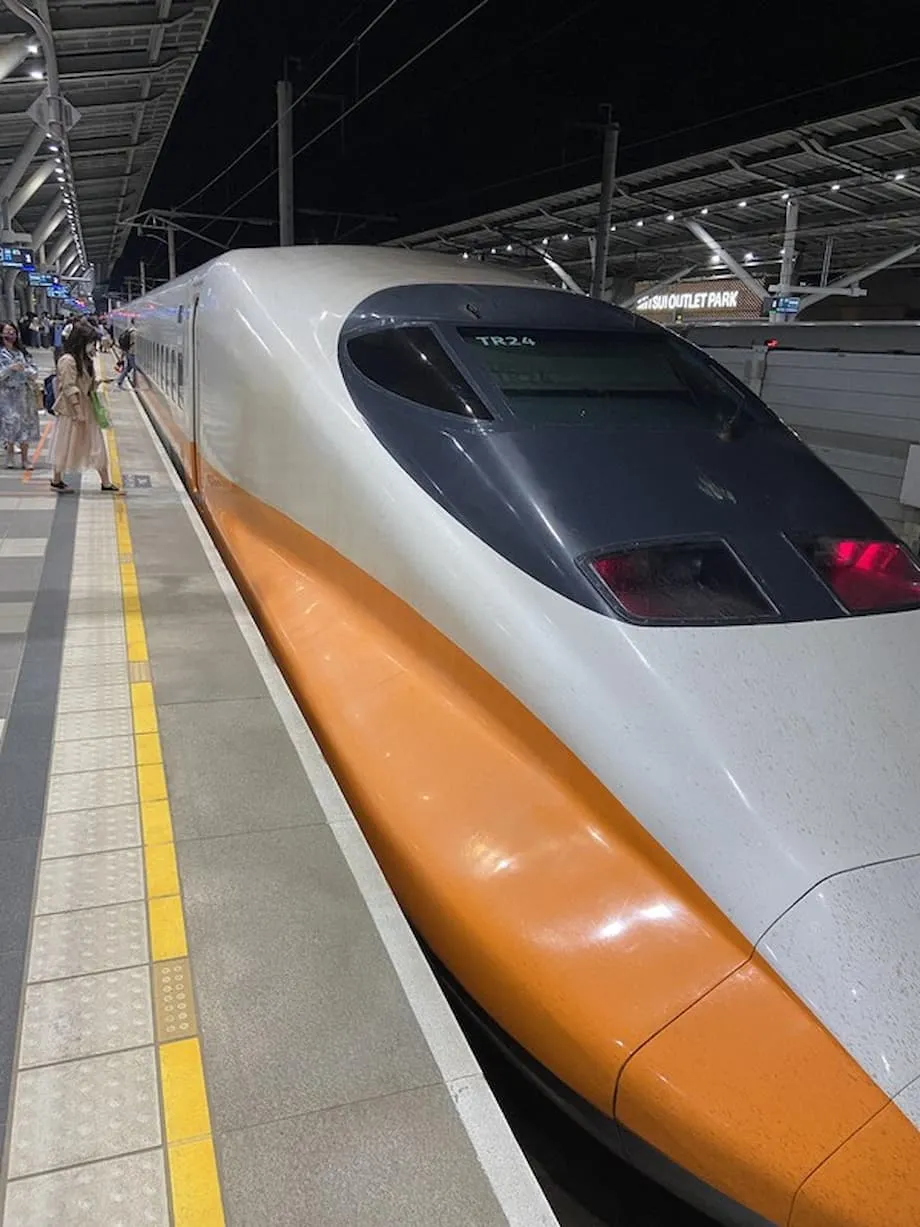
Taiwan High Speed Rail will introduce stricter quiet travel rules on September 22, requiring passengers to use headphones for audio and move to vestibules or gangways for voice calls. Passengers who repeatedly ignore crew instructions could be denied boarding or asked to leave the train.
Contents
- Headphones required, calls moved out of seating areas
- What passengers must do from September 22
- Reminders come before removal
- Three months to establish the new routine
- Why the operator is tightening the rules now
- Families and passengers who need assistance
- Aisles, doorways and assigned seats are also covered
- How Taiwan's approach compares with other railways
- Preparing for a quieter journey
- More controls are planned for crowded services
- Key Points
The policy makes quiet travel an enforceable part of the passenger transport contract, the agreement governing a journey between the operator and the passenger. Taiwan High Speed Rail Corp. says the aim is to let people rest, read or work without unwanted noise from someone else's device or conversation.
Mobile phones must be on silent or vibrate inside carriages. Anyone watching videos, listening to music or playing games on a phone, tablet or laptop must use headphones or mute the sound. Passengers talking in seating areas should speak softly.
The change will be accompanied by three months of promotion, including personal reminders, information cards, LED messages and guidance on station television screens. The operator also plans to reduce routine announcements on trains, cutting some of the noise produced by the service itself.
Company leaders have presented the policy as a matter of service quality. A Taiwan High Speed Rail executive described the expectation for passengers using personal electronics:
There is no reason to use electronic devices without earphones.
Early reaction on Taiwan social media has leaned positive, with riders welcoming quieter carriages and stronger action when reminders are ignored. The approach resembles how airlines handle disruptive behavior: expectations become rules that crews can enforce for the comfort and safety of everyone aboard.
What passengers must do from September 22
The rules cover both the sound coming from a device and the way its owner uses it. Headphones allow someone to watch or listen without sharing the audio with the carriage. A voice call must take place outside the seating area, even when the caller is using headphones.
- Keep phones on silent or vibrate in carriages.
- Use headphones or earphones for audio from phones, tablets and laptops. Without headphones, mute the device.
- Make and receive voice calls only in vestibules or gangways between cars.
- Speak softly when talking in the carriage.
- Follow crew instructions to lower the volume, stop audible playback or move a call to a vestibule.
A vestibule is the small connecting space between passenger cars, around the doors linking the carriages. Many bullet train systems direct callers there so that people can make urgent calls while reducing disturbance to those sitting nearby.
The policy applies across the train, rather than only in a designated quiet carriage. Passengers will therefore encounter the same basic expectations throughout the seating areas: private audio, quiet conversation and calls taken between cars.
Reminders come before removal
Crews will begin by asking a passenger to change the behavior causing the disturbance. That could mean putting on headphones, lowering their voice, stopping audio playback or moving to a vestibule. If the passenger complies, the matter ends there.
Continued refusal can bring a stronger response. The operator says staff may terminate the transport contract, meaning the passenger's right to continue the journey is ended. A passenger could then be asked to leave at the next stop. Boarding may also be refused when someone is already breaking the rules and will not cooperate before departure.
The enforcement process begins with a reminder and a request to comply. If the disturbance continues, staff can issue another reminder, potentially accompanied by an information card and a direct instruction. Termination of travel is the final step when the passenger continues to refuse.
Shi Zhe, chairman of Taiwan High Speed Rail, said passengers should be able to rest or read during a journey and crews need clear authority when requests are ignored. He described the strongest response:
If passengers repeatedly ignore reminders, the most serious penalty will be termination of the transport contract.
For passengers, the practical consequence is straightforward: responding to a crew member's request allows the journey to continue without further action. For staff, the contract provides authority beyond making another announcement or trying to settle a dispute between riders.
Three months to establish the new routine
Taiwan High Speed Rail will use several forms of communication during the three month promotion period. Staff will offer friendly reminders and distribute small information cards, while cards at seats, LED displays in carriages and stations, and station television screens will explain the expectations.
Tourists and occasional passengers can look for quiet travel cards in seat pockets and LED prompts in English and Chinese. Staff are trained to explain the requirements and help passengers locate a vestibule when they are unsure where to take a call.
The operator's plan also includes fewer routine announcements inside trains. Alongside asking passengers to reduce noise, the company intends to make the service itself less intrusive, leaving more uninterrupted time for reading, work and rest.
The main dates and stages are:
- September 18, 2025: The forthcoming changes are being explained ahead of their introduction.
- September 22, 2025: The stricter quiet travel rules begin.
- Three month promotion period: Staff reminders, cards, LED messages and station television guidance will help passengers adjust.
- Next year: Separate restrictions are planned for passengers using nonreserved tickets during peak hours.
Why the operator is tightening the rules now
Passenger feedback has driven the change. Crews say many riders already follow quiet travel guidance, but repeated announcements still fail to reach a minority who play videos aloud or speak loudly on phones.
Busy trains make that problem harder to manage. A small number of noisy passengers can disturb many people around them, prompting complaints to crews. Without a clear power to act, staff can find themselves repeating the same request while the disturbance continues.
September and October include extended holidays in Taiwan, when services run at full load for days at a time. The promotion period covers this busy stretch, giving the operator frequent opportunities to explain the rules to families, students and tourists.
Taiwan High Speed Rail has also upgraded its ticketing system to handle surges in bookings. The combination of heavy demand and a wider mix of passengers makes the holiday period a practical opportunity to establish expectations through repeated, visible reminders.
Families and passengers who need assistance
Staff will continue helping families with infants and toddlers, as well as passengers with medical or neurological conditions that affect their ability to regulate behavior. The company has asked fellow travelers to show patience when a situation involves a young child or someone with special needs.
Crews can assist with seating, suggest a break in a vestibule when a child needs to move around, and offer parents ways to make the journey calmer. Staff have mentioned stickers or cookies as examples of small distractions that may help settle a youngster.
The starting point is assistance. The rules focus on persistent noisy behavior by people who are able to comply but continue to refuse after reminders. Support for families and travelers with particular needs remains part of the service.
Hearing aids are unaffected by the changes. Passengers who rely on assistive devices should be able to continue using them, while those who need to make support calls can move to a vestibule.
Space between carriages may become busy on crowded services. Crews may then ask callers to send a text message until room becomes available, allowing communication to continue while keeping the seating areas quiet.
Aisles, doorways and assigned seats are also covered
The revised passenger transport contract addresses other conduct that can obstruct movement or cause conflict. Passengers who block aisles, sit or lie in gangways, or refuse to move to their assigned seats after being asked may be denied service.
The wider conduct changes also cover sitting on station floors. Refusal to follow warnings about disruptive behavior can lead to cancellation of the transport contract, giving staff a framework for keeping passenger routes clear during busy periods.
The update follows incidents on crowded services, including a clash last year between a passenger sitting on the floor near a door and another traveler trying to board. The operator says customer feedback has called for tighter management of both noise and order.
Noise and blocked passageways affect a journey in different ways, but both can leave nearby passengers dependent on staff intervention. The revised contract gives crews a stated basis for instructions about where people sit, where they stand and how they use shared spaces.
How Taiwan's approach compares with other railways
Japanese bullet train operators have long encouraged passengers to use headphones and step into vestibules for calls. Those practices rely largely on etiquette, signs and expectations shared among passengers. Removing someone for noise alone is uncommon.
Taiwan High Speed Rail is adopting the same basic expectations while making enforcement explicit in its passenger contract. Crews will have a clear contractual route to act when a passenger repeatedly refuses to cooperate.
European railways also use quiet travel policies. Deutsche Bahn, Eurostar and other operators designate quiet zones where calls are not allowed and headphones are expected. Amtrak popularized a quiet car on the United States East Coast, banning calls and audible audio.
Taiwan's policy follows a similar principle but extends it across the train instead of restricting it to a dedicated quiet carriage. Passengers do not need to choose a particular car to receive the basic protection against loud device audio and calls in seating areas.
Clear expectations can also make disputes easier to manage. A crew member can point to a rule instead of negotiating between two passengers with different ideas about acceptable noise. Most people already use headphones; the policy establishes a baseline for those who do not.
Preparing for a quieter journey
Passengers can avoid most problems by checking their devices before boarding. Headphones, a silent phone and a willingness to move for calls cover the central requirements. Riders who forget headphones can mute their devices and use captions until they can buy a pair at a station shop.
The operator's guidance translates into several practical habits:
- Pack wired or wireless headphones and check that they work before boarding.
- Set the phone to silent before taking a seat, using vibration for alerts if needed.
- Download videos or playlists and keep headphone volume low enough that only the listener can hear it.
- Wait until reaching a vestibule before making a call, close the connecting door behind you and keep the conversation short.
- Send a text instead of calling when seating areas or vestibules are crowded.
- Consider headphones that reduce surrounding noise if ambient sound is troublesome, and choose a seat away from doors where possible.
- Respond promptly to crew instructions about noise or movement.
Passengers unfamiliar with the train layout can ask staff where to go. Moving a call to the correct space and keeping the connecting door closed helps separate the conversation from people reading, working or resting in their seats.
More controls are planned for crowded services
Starting next year, passengers with nonreserved tickets will be limited to certain trains during peak hours. Taiwan High Speed Rail says the change is intended to improve crowd control and safety when platforms and carriages are full. No exact implementation date was given.
The planned restrictions are intended to spread demand more evenly across the timetable and reduce conflict in aisles and doorways. They sit alongside the updated conduct rules, which give crews authority to address obstructions and refusal to follow seating instructions.
Taiwan's high speed line runs about 350 kilometers from Taipei in the north to Kaohsiung in the south. It opened in 2007 using technology from Japan and other partners and has become a backbone for long distance travel on the island.
On that busy route, the operator is seeking a calmer experience through three connected changes: less passenger noise, fewer routine announcements and firmer action when repeated requests are ignored. The quiet travel policy begins on September 22, with reminders and assistance remaining the first response.
Key Points
- Taiwan High Speed Rail's stricter quiet travel rules begin on September 22, 2025.
- Passengers must use headphones for device audio or mute it, and keep phones on silent or vibrate.
- Voice calls belong in vestibules or gangways, while conversations in seating areas should remain quiet.
- Repeated refusal to follow crew instructions can lead to denied boarding or termination of the journey.
- A three month promotion period will use reminders, seat cards, LED messages and station television guidance.
- Families with young children and passengers with conditions affecting their behavior will receive assistance.
- The updated contract also addresses blocked aisles, sitting or lying in gangways, sitting on station floors and refusal to use assigned seats.
- The operator plans fewer routine announcements and restrictions next year on which peak services passengers with nonreserved tickets can use.