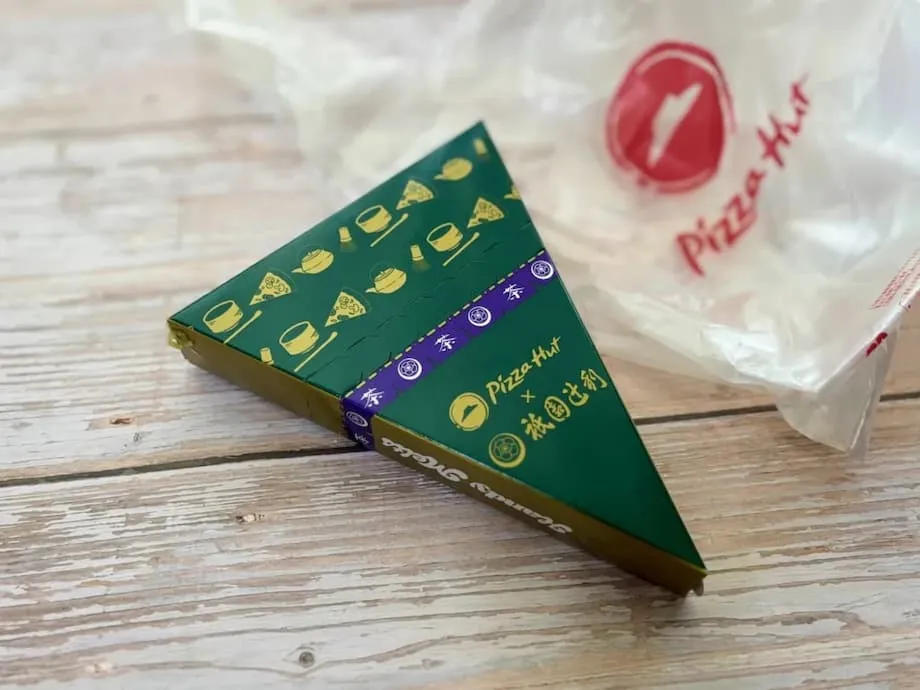
Kyoto tea meets a folded pizza for moon viewing
Pizza Hut Japan is bringing Uji matcha, chewy rice dumplings and melted cheese together in a seasonal dessert that costs 550 yen for takeout or 790 yen for delivery. Made in collaboration with Kyoto tea house Gion Tsujiri, the Handy Melts Matcha Shiratama Kuromitsu is available at participating Japanese locations through October 26, 2025, or while supplies last.
Contents
- Kyoto tea meets a folded pizza for moon viewing
- What goes inside a Handy Melt?
- How the flavors and textures work together
- Why Gion Tsujiri and Uji matcha matter
- The Japanese sweets behind the filling
- Prices, availability and the autumn pizza set
- A tea giveaway accompanies the collaboration
- How this fits Japan's experimental pizza menus
- Who is likely to enjoy it?
- Practical tips before the first bite
- What to Know
The compact dessert pizza arrives for tsukimi, Japan's autumn moon viewing period. Its white shiratama dumplings resemble small full moons, while a green crust and matcha sweet bean paste supply the tea flavor. Mozzarella and cream cheese add richness and a little saltiness. A separate packet of kuromitsu, a dark brown sugar syrup, lets customers finish the dessert themselves.
Gion Tsujiri, founded in 1860, brings a connection to Kyoto tea culture and the prized matcha associated with nearby Uji. Pizza Hut puts those ingredients into its Handy Melts format, a triangular folded piece of pizza dough intended to be eaten with one hand.
The result combines familiar Japanese dessert ingredients with a convenient fast food shape. Its appeal lies in the movement between bitter tea, sweet syrup, salty cheese and several contrasting textures. Its practical weakness is just as straightforward: pouring syrup over a portable snack can quickly leave sticky fingers.
Taste reactions described in the launch coverage were enthusiastic despite that mess, with many tasters saying they would happily eat it again. For customers deciding whether to try it, the central choice is whether a warm combination of tea, mochi and cheese sounds appealing enough to warrant keeping a napkin close by.
What goes inside a Handy Melt?
Handy Melts are triangular folded slices made from Pizza Hut dough, with crisp edges and fillings enclosed inside. The usual versions contain savory ingredients such as cheese and meat, making them a snack suited to eating on the go.
The matcha version keeps that folded shape but replaces the usual sauce and toppings with ingredients drawn from Japanese sweets. Uji matcha is kneaded into the dough itself. Inside are matcha sweet bean paste, chewy shiratama mochi and a blend of mozzarella and cream cheese.
The crust gives the dessert its deep green appearance and a light tea fragrance that carries through beneath the syrup. Matcha therefore appears in both the outer dough and the filling, giving the tea a role throughout the snack rather than leaving it as a finishing decoration.
Kuromitsu comes in a packet on the side, ready to pour over the top just before eating. That separate finishing step gives customers some control over the sweetness. A light drizzle leaves more room for the matcha's bitter notes; using the entire packet suits someone who prefers a sweeter dessert.
How the flavors and textures work together
Matcha sweet bean paste supplies a smooth filling with gentle, earthy bitterness. The shiratama dumplings add the soft, springy chew associated with wagashi, or traditional Japanese sweets. Their resistance gives each bite a different texture from the paste around them.
Mozzarella contributes stretch and light saltiness, while cream cheese brings tang and body. Together, the cheeses round off the sweetness and make room for the matcha aroma. The dessert moves between bitter, sweet and salty flavors rather than relying on sugar alone.
The crisp crust, stretchy cheese, smooth paste and bouncy mochi create much of the interest. People familiar with matcha parfaits or anmitsu, a Japanese dessert commonly served with syrup, will recognize the combination of tea, sweetness and chewy ingredients, even though the pizza dough changes how it is served.
Kuromitsu adds a glossy finish and a sweetness reminiscent of molasses and caramel. A modest amount brings the ingredients together without overwhelming the tea. Compared with maple syrup, its flavor is described as mellower in this combination, allowing the dairy and matcha to remain noticeable.
Why Gion Tsujiri and Uji matcha matter
Gion Tsujiri is a Kyoto tea house founded in 1860 and closely associated with Uji matcha. Its carefully milled powders are used in sweets and drinks, making the collaboration a meeting between an established tea tradition and a familiar pizza chain.
Uji, just south of Kyoto, has produced prized tea for centuries. The area is associated with premium leaves and careful grinding, and remains a benchmark for matcha quality. For this dessert, that connection gives customers a recognizable tea name alongside an unusual way to eat it.
Matcha is powdered green tea made by grinding leaves grown under shade on stones. Shade growing increases amino acids that contribute umami, a deep, savory sweetness. High quality matcha is vibrant green and aromatic, with a slight bitterness that helps clear the palate between rich bites.
Those qualities explain why tea works with dairy and sugar here. The cheese supplies richness, the syrup supplies sweetness, and the matcha contributes aroma and a cleaner finish. Customers who want that tea character to stand out can begin with less syrup.
The collaboration also fits the global popularity of matcha drinks and desserts, which has encouraged fast food brands to experiment. Japanese chains are combining recognizable local ingredients with novel formats. Gion Tsujiri's association with high grade Uji matcha gives this product a quality signal while the takeout price keeps it accessible.
The Japanese sweets behind the filling
Kuromitsu means black honey, although the syrup contains no honey. It is made by dissolving unrefined brown sugar in water and reducing the mixture until it becomes a pourable syrup. Its flavor brings notes of toffee and molasses.
Japanese desserts such as warabi mochi and anmitsu commonly use kuromitsu as a topping. With dairy, it plays a role similar to caramel. In the Handy Melt, the syrup adds sweetness after baking and lets the customer decide how much of that final layer to use.
Shiratama dango are small dumplings made from glutinous rice flour. They are boiled until they rise, then chilled to produce a chewy, springy bite. Inside the dessert pizza, that chew contrasts with the melted cheese and smooth bean paste.
The pale, round dumplings also serve the seasonal theme. Arranged in desserts, they can resemble the full moon, making them a natural fit for tsukimi menus. Here, a familiar ingredient supplies both a texture and a visual connection to moon viewing.
Prices, availability and the autumn pizza set
Pizza Hut Japan lists the Handy Melts Matcha Shiratama Kuromitsu at 550 yen for takeout and 790 yen for delivery. The delivery price is 240 yen higher than the takeout price. The item is intended as a single serving, suitable for a snack or for sharing as dessert after a savory pizza.
Customers ordering the Autumn Tsukimi Pizza Set can add the matcha Handy Melt for 395 yen. That is 155 yen less than the standalone takeout price, although the lower price is tied to buying the set.
The seasonal set features a pizza divided between Pork Tsukimi and Mayo Chicken Tsukimi. Pairing it with the matcha dessert gives customers a savory meal and a sweet finish built around the same autumn theme.
Availability varies by store because quantities are limited. The advertised end date is October 26, 2025, but supplies may run out earlier. Checking a participating branch early in the day or calling before making a trip can help customers avoid arriving after stock has gone.
The promotion's timing, as of September 15, 2025, includes these key points:
- Early September: a social media giveaway offered chances to win Gion Tsujiri tea bag assortments.
- September 15, 2025: the seasonal matcha Handy Melt is offered at participating Pizza Hut Japan locations, subject to stock.
- October 26, 2025: the advertised final day of the dessert promotion, unless supplies run out sooner.
A tea giveaway accompanies the collaboration
Pizza Hut Japan also connected the launch to a short social media campaign on X and Instagram during an early September window. Participants could follow its official accounts and like or repost the campaign message for a chance to receive a Gion Tsujiri tea bag assortment.
The giveaway offered 30 assortments in total, with 15 winners selected on each platform. The small campaign extended the collaboration beyond the dessert by giving winners a chance to try tea from the Kyoto partner.
For Pizza Hut, the prize kept attention on the tea itself as well as the novelty of a green dessert pizza. The collaboration uses Gion Tsujiri's name in the food, while the giveaway brings its tea directly into the promotion.
How this fits Japan's experimental pizza menus
Pizza Hut Japan has used the Handy Melts format for dessert before. Earlier in 2025, it introduced a Kit Kat version focused on chocolate, wrapping wafers and cheese in warm dough. The matcha product continues that approach with ingredients associated with Japanese sweets.
A few seasons earlier, the chain paired maple syrup and vanilla ice cream with a hot cheese base. Customers added the toppings at the table so the ice cream would not melt during transit. Like the separate kuromitsu packet, that arrangement made the final assembly part of eating the dessert.
Pizza Hut has also sold a coffee and sausage pizza finished with whipped cream. That combination gained unexpected fans and had its sales run extended, illustrating the appetite for unusual sweet and savory pairings.
Other businesses have explored similar ideas. Aoki's Pizza, a regional chain in Nagoya, served an ice cream fondue pizza with a raised center holding a scoop for dipping. Kyoto's Itohkyuemon introduced a matcha Margherita using a mascarpone matcha sauce, taking green tea into a savory pizza format.
The Gion Tsujiri Handy Melt belongs to that wider pattern of combining local flavors with an international food format. Dessert pizzas often appear for a short period around a theme, and the limited autumn window gives this version a specific occasion.
Tsukimi regularly inspires seasonal burgers, sweets and pizzas. Egg yolks, round dumplings and glossy syrups can evoke the full moon, while brands choose ingredients that suggest harvest time. Matcha is not seasonal in the same way as chestnut or sweet potato, but it signals craftsmanship and pairs with richer toppings as the weather cools.
Who is likely to enjoy it?
Fans of traditional Japanese sweets who also enjoy a savory note are the most natural audience for this dessert. The mochi provides a lingering chew, while the cheese softens the sweetness and helps the matcha aroma come through.
Customers accustomed to very sweet desserts can use the full syrup packet. Those who prefer a stronger tea finish can drizzle lightly and let the bitterness stand alongside the dairy. Starting with a small amount makes it easier to adjust the sweetness after the first bite.
The main inconvenience is the syrup. The fold is designed for portability, but a generous pour can undermine the idea of eating neatly with one hand. A plate, a napkin and a slow pour make the snack easier to manage.
Eating it while the crust is still crisp and the cheese is warm gives the clearest contrast between the textures. As it cools, the difference between the crisp outside and melted filling fades. The flavor combination may appeal, but customers who dislike sticky fingers will benefit from treating it as a dessert to sit down with.
Practical tips before the first bite
A little preparation can make the syrup and warm filling easier to handle. The dessert is sized for one snack, although sharing it is an option for people who want only a few bites after a savory pizza.
- Open the kuromitsu packet over a plate to catch spills.
- Add a light first drizzle, taste, then decide whether to use more.
- Eat it fresh while the crust is crisp and the cheese is warm.
- Pair it with hot tea or black coffee, whose bitterness balances the syrup and cheese.
- Keep a napkin nearby, especially when using the full syrup packet.
Customers with food sensitivities should note that the dessert contains wheat and dairy. The shiratama dumplings are made from glutinous rice flour. These ingredients are part of the product's contrasting textures, but they also matter when deciding whether it suits someone's diet.
For visitors unfamiliar with Japanese sweets, the Handy Melt offers several recognizable elements in one serving: aromatic powdered tea, chewy rice dumplings, sweet bean paste and brown sugar syrup. Pizza dough and melted cheese place those flavors in a different setting without removing their individual roles.
What to Know
- Pizza Hut Japan's Handy Melts Matcha Shiratama Kuromitsu is a folded dessert pizza made in collaboration with Gion Tsujiri.
- Gion Tsujiri was founded in Kyoto in 1860 and is associated with premium Uji matcha.
- The dessert contains matcha dough, matcha sweet bean paste, shiratama mochi, mozzarella and cream cheese, with kuromitsu syrup supplied separately.
- It costs 550 yen for takeout, 790 yen for delivery, or 395 yen as an extra with the Autumn Tsukimi Pizza Set.
- Participating stores offer it through October 26, 2025, or while supplies last.
- The white dumplings echo the full moon for Japan's autumn tsukimi season.
- An early September giveaway offered 30 Gion Tsujiri tea bag assortments, split equally between X and Instagram.
- A light drizzle and eating while warm help preserve the balance of bitter tea, sweetness, saltiness and contrasting textures.