A New Business Built on 15 Years of Relationships
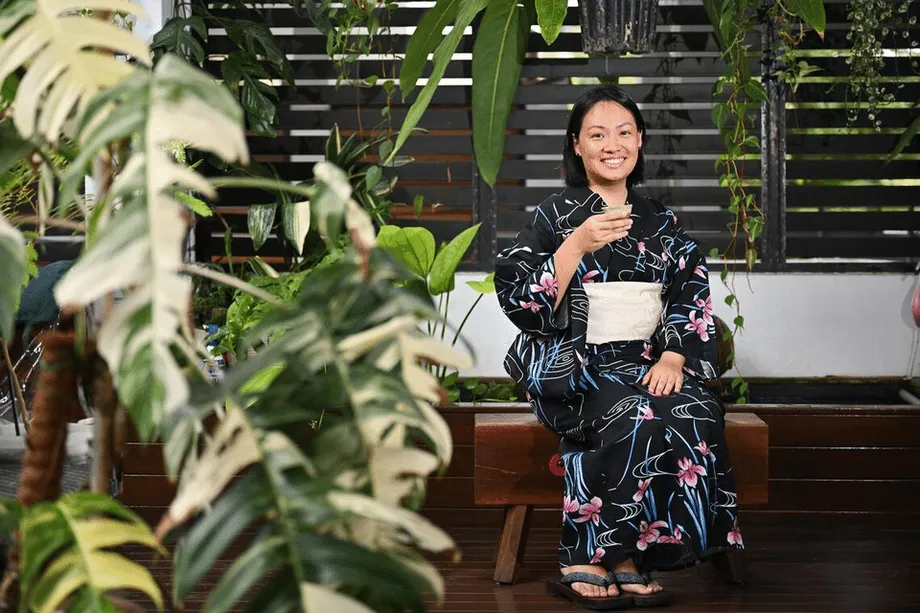
Heidi Tan spent 15 years building Flor Patisserie around Japanese inspired French cakes. After the bakery closed in July 2025, following a proposed increase in the monthly rent at its last shop from $5,400 to $8,500, she turned a growing sideline into her main occupation: leading small groups through Japan's regional food and craft traditions.
Contents
- A New Business Built on 15 Years of Relationships
- How a Young Baker Built Flor
- Why the Last Shop Closed
- From Cake Customers to Travelling Companions
- What a Pastry Background Brings to a Tour
- Autumn Mushrooms and Tamba Beef
- Inside Workshops and Small Production Spaces
- How Five Days Might Unfold
- A Different Balance of Costs and Risks
- Why This Kind of Travel Appeals
- Flor's Closure in Singapore's Dining Scene
- What Travellers Should Check Before Booking
- At a Glance
Tan launched Kitabi Travel in August 2025, two years after she began guiding trips. As of September 13, her next tour, a journey lasting five days in October, is already fully booked. Former pastry customers were among the first people to join her travels, curious about the Japanese chefs, ingredients and relationships behind Flor's cakes.
Her new work takes visitors to farms, markets, kilns and dining rooms. A route might connect the spring water used to brew a spirit with the producer who makes it, or the clay in a tea bowl with the potter who shapes it. Seasonal food provides another thread, from autumn matsutake mushrooms to Tamba beef.
Tan has exchanged daily baking schedules and shop shifts for planning routes and hosting travellers. The standards she brings to the work remain familiar: close attention to ingredients, respect for skilled makers and a welcome that feels personal.
The change also reshapes her business expenses. Flor needed premises, equipment, utilities and a regular payroll. Travel allows more spending to be tied to individual departures, although deposits, currency movements, insurance and the demands of guiding bring their own risks. Her move carries relationships and customer trust into a different business, while leaving behind the daily demands of a pastry shop.
How a Young Baker Built Flor
Tan's interest in pastry began in her teenage years, and she baked while still at school. After her A levels, she studied at Le Cordon Bleu in Sydney before apprenticing under a Japanese pastry chef in Singapore.
Production kitchen work taught her to work quickly, stay organised and keep standards steady through tiring days. She has often expressed the view that everyone should try a service job at least once, because it can teach resilience and humility.
At 21, Tan opened Flor with $250,000 in seed investment from her mother, a businesswoman who supported her decision to pursue pastry. The patisserie began on Duxton Hill in 2010 and broke even within a year.
Flor developed a loyal following for Japanese style French pastries. Its signature cakes included a light strawberry shortcake and a citrus tart made with orange, grapefruit and pomelo. Those cakes became part of customers' celebrations over the next 15 years.
The business expanded to five outlets at its peak, with monthly revenue of $180,000. Growth brought a larger operation to manage, while rising costs and a legal dispute with a business partner later contributed to consolidation.
Why the Last Shop Closed
The pandemic squeezed Flor's sales and manpower. Tan closed some outlets with higher rents during that period and concentrated operations at the remaining Siglap shop.
By 2025, that shop faced a proposed rent increase of $3,100 a month, from $5,400 to $8,500. The increase was nearly 57 percent. Recruiting and retaining bakers and service staff also remained difficult, adding to the pressure of keeping the business running.
Tan decided to close in July. The decision was painful after years of building the brand, but she felt fortunate to leave without loans. Rather than continue carrying the shop's costs, she chose to take its standards and relationships into another kind of work.
Her transition unfolded over several years:
- 2010: Flor Patisserie opened on Duxton Hill.
- 2023: Tan began guiding small groups on culinary and cultural trips to Japan.
- July 2025: Flor closed after the proposed rent increase at its final Siglap shop.
- August 2025: Tan launched Kitabi Travel.
- October 2025: Her next tour, lasting five days, is fully booked.
From Cake Customers to Travelling Companions
Flor's customers provided an early audience for Tan's tours. Some wanted to understand more about the Japanese roots of the recipes they enjoyed and the pastry chefs who had worked with her.
Six years of exchanges with pastry makers in Japan had introduced Tan to regional producers, suppliers and restaurateurs. Those contacts gave her places and people around which to build itineraries. After two years of guiding alongside her pastry business, she formalised the venture as Kitabi Travel.
The first official departures are compact trips lasting five days and concentrating on a single region. Tan tries to connect each route through its seasonal ingredients and craft traditions, instead of filling the schedule with famous sights.
Small groups are central to the format. Visitors can gather around a chef's counter, enter a family farm without overwhelming it or step into a pottery workshop while the kiln is still warm. They have time to speak with makers and understand how a product made by hand differs from something produced as a standard commodity.
The fully booked October departure shows demand for Tan's approach among her customers. Her aim is to make guests feel welcome as regular visitors, with access shaped by relationships built over years.
What a Pastry Background Brings to a Tour
Tan's training in French pastry and her work with Japanese mentors give her a practical way to talk about craft. Producing a cheesecake with a precise crumb or a carefully made sablé, a crumbly biscuit, depends on ingredients, technique and attention to small details.
She carries that way of looking into visits with a washi papermaker, a Tamba potter or a beef producer. Rather than treating the finished object or dish as the whole experience, she draws attention to how it was made and explains the techniques in plain language.
Supplier selection is another skill carried over from running a kitchen. Tan is accustomed to judging quality, remembering who delivers on promises and planning around seasonal availability. A route, like a menu, can connect one experience to the next with a purpose.
For guests, that connection can make a field, a workshop and a meal feel like parts of the same story. A visit to a producer gives context to what later appears on the table, while time with a craftsperson explains the work behind an everyday object.
Autumn Mushrooms and Tamba Beef
Matsutake mushrooms are one seasonal focus of the autumn trips. Prized for their aroma and harvested in limited quantities, they offer a short window for tasting them where they grow.
During peak weeks, guests might encounter matsutake in a simple suimono broth, grilled with a squeeze of sudachi citrus or cooked into rice. Those preparations put the mushroom's flavour at the centre of the dish.
Tamba beef is another feature. The regional wagyu brand is linked to Tajima lineage cattle raised in the Tamba Sasayama area of Hyogo Prefecture. It is known for balanced marbling, the fat distributed through the meat, and a clean finish.
Meals pairing the beef with local vegetables and rice show how ingredients from the same area fit together. The focus is on regional cooking as a whole, rather than a series of expensive ingredients tasted in isolation.
Tan also arranges meetings with producers and cooks who rarely appear on standard routes. They may include a family running a wagyu farm focused on cattle lineage or a kaiseki chef who buys directly from mountain foragers. Kaiseki meals present a sequence of dishes built around the season.
Inside Workshops and Small Production Spaces
Tamba's craft traditions provide another part of the itinerary. Tamba Tachikui ware is counted among Japan's Six Ancient Kilns, and its functional, earthy pottery is closely tied to local clay and traditions of firing with wood.
A workshop visit can show visitors how clay is wedged, thrown and trimmed before firing. The process creates the finished surface and a vessel that holds heat well. For someone accustomed to choosing tableware from a shop shelf, watching a cup take shape makes the labour visible.
Washi paper making and miso blending can bring guests into other forms of skilled production. Visits to small breweries or distilleries explain fermentation and ageing. A shochu maker, for example, may use cool underground rooms to control the temperature as the spirit ages.
Access depends on keeping visits manageable for the hosts. A small papermaking studio cannot take busloads of visitors, and a farmer has limited time for people who arrive without an appointment. Groups prepared to listen and respect those limits can spend more useful time with the people doing the work.
Tan's aim is to explain why a dish tastes as it does or why a craft object takes a particular form. The pace leaves room for conversation rather than turning each encounter into a stop to complete.
How Five Days Might Unfold
Tan adjusts itineraries to seasons, harvests, weather and the availability of artisans. No two trips are identical. A typical outline balances meals, learning and exploration, with time to absorb visits rather than move constantly between them.
- Day 1: Arrive in the region, share a welcome dinner based on local produce and receive an introduction to the area's history and geography.
- Day 2: Walk through a morning market with tastings, visit a pottery workshop to watch throwing and trimming, eat lunch at a family restaurant, take an afternoon break and finish with seasonal kaiseki.
- Day 3: Visit a farm to learn about wagyu rearing or walk through tea fields to observe harvesting and processing, join a tasting led by the producer and have a casual dinner featuring regional specialities.
- Day 4: Try a practical craft activity, such as washi paper making or miso blending, visit a small brewery or distillery to learn about fermentation and ageing, and have a dinner featuring matsutake during the autumn season.
- Day 5: Make a final tasting stop, leave time for local shopping and depart.
Transfers are arranged in advance, restaurants receive information about dietary needs and guests get practical notes on customs and basic phrases. Those preparations leave more of the day for visits and conversations.
The outline illustrates the balance Tan seeks rather than a fixed promise that every departure will contain the same stops. Harvest conditions and the working schedules of small producers help determine what happens on each trip.
A Different Balance of Costs and Risks
A patisserie must pay rent even when sales are slow. Payroll continues, ovens use electricity and premium dairy, fruit and imported chocolate can become more expensive when currencies move or freight is disrupted.
When rent rises by about half, an independent shop faces difficult choices: raise prices, reduce portions, cut staff or leave. Each can be painful for a business whose reputation depends on quality and a familiar customer experience.
Small group travel has more expenses linked to individual departures, including accommodation and transport. A filled tour can leave a margin after suppliers are paid. When demand weakens, an operator can postpone dates, giving more room to adjust scheduling and cash flow.
Travel still requires financial care. Currency exposure can change supplier costs, deposits commit money before a journey begins and liability insurance is another expense. Clear booking terms and careful scheduling form part of managing those commitments.
Keeping groups small also limits the revenue available from each departure. Operators need a steady flow of interested travellers, repeat guests and reliable hosts. Guiding requires stamina because hosting, logistics and solving problems can stretch across several long days in a row.
Weather can affect harvests and transport. Festivals and local holidays can change opening hours, while rules on farm access and alcohol tastings differ between prefectures. Currency movements can also affect what travellers can afford.
Refund and postponement policies, communication and planning for safety help manage those risks. Regular visits to partners, clear feedback and backup options matter for quality too. A change in one supplier's standards can affect the guest's experience of the whole trip.
Tan's approach rests on treating that network as a community rather than simply a list of vendors. For someone who enjoys planning and relationships, the business offers more control over workload, alongside responsibilities very different from those of a kitchen.
Why This Kind of Travel Appeals
Travellers seeking more substance after years of restricted movement may find food a direct route into local culture. A mushroom, a cup of tea or a piece of pottery can connect a visitor with a place's history, geography and daily life.
Japan suits that approach because seasonality and tradition are deeply rooted in its food and crafts. Small groups allow time for conversations with people whose work visitors admire, while moving beyond crowded, familiar attractions.
Practical barriers also shape the appeal. Rural train journeys, reservations at a tiny restaurant counter and detailed questions about ingredients can be difficult without language skills or local contacts. A knowledgeable guide can handle those arrangements while leaving room for the unexpected pleasures of travel.
The hosts benefit when guests arrive prepared and in suitable numbers. A farmer, potter or papermaker can share the work without being overwhelmed by a group too large for the space or the time available.
Tan has also gained room for her own curiosity. After years of the same daily kitchen routine, she describes this stage as a chance to learn again. Planning around other people's farms, workshops and dining rooms opens a different rhythm from running her own shop.
Flor's Closure in Singapore's Dining Scene
Flor's exit sits within a wider wave of closures among independent cafes, bars and restaurants in Singapore. Operators face a mix of rising rents, higher labour and ingredient costs, staffing shortages and more cautious consumers after the pandemic years.
Landlords seeking market rents add pressure, while owners also describe burnout and difficulty finding staff with the skills and commitment to stay. A devoted customer community does not always produce enough revenue to cover a shop's fixed expenses, especially when sales weaken.
Industry veterans worry that the loss of independent names could make the dining scene more uniform as chains occupy the spaces left behind. Homegrown businesses contribute character and provide places where young chefs and bartenders can train.
Entrepreneurs respond in different ways. Some invest further in their shops and pursue growth. Others turn to classes, consulting, products or experiences such as travel. Tan's change shows how quality standards, relationships and customer trust can continue in a business with a different cost structure.
For Flor's former customers, the connection has moved from the pastry counter to Japan. The cakes are no longer part of a daily shop operation, but the interest in ingredients and the people behind them remains central to Tan's work.
What Travellers Should Check Before Booking
A culinary tour depends on the fit between its guests, its seasonal focus and the places it visits. Travellers considering this format can ask practical questions before committing.
- Check group size. Smaller groups can mean more access and time with hosts.
- Read the seasonal focus. Autumn and spring routes differ, so ask which ingredients will be in season during the travel dates.
- Ask about relationships with hosts. Partnerships built over time can support access and consistency.
- Confirm what the price includes, especially meals, transport, tastings and practical activities.
- Share dietary needs early. Small restaurants may be able to make changes with notice but have less flexibility at the last minute.
- Set aside money and luggage space for crafts and pantry items that may be difficult to find at home.
- Prepare for walking, including steps and uneven ground on rural visits and market days.
- Learn basic greetings, arrive on time and follow instructions, particularly in working production spaces.
Those checks help travellers choose a trip that matches their interests and needs. They also give small hosts the notice and preparation needed to welcome a group without disrupting their work.
At a Glance
- Flor Patisserie closed in July 2025 after the proposed monthly rent at its final Siglap shop rose from $5,400 to $8,500, nearly 57 percent.
- Heidi Tan opened Flor in 2010 and grew it to five outlets at its peak, with monthly revenue of $180,000.
- Tan began guiding Japan trips in 2023 and launched Kitabi Travel in August 2025.
- As of September 13, 2025, her next tour, lasting five days in October, is fully booked.
- Trips connect regional food and craft through experiences involving matsutake, Tamba beef, pottery, washi paper making and small producers.
- The new business carries Flor's quality standards and relationships into travel, with more costs tied to individual departures and new risks to manage.