Two islands beyond the busy cities
Mount Rishiri rises 1,721 meters above the Sea of Japan, while nearby Rebun has more than 300 alpine plant species growing on hills where flowers usually associated with high mountains bloom close to sea level. Only about 10 kilometers separate these two islands in northern Hokkaido, yet they offer quite different journeys: a volcanic mountain and cycling routes on Rishiri, flower meadows and long coastal walks on Rebun.
Contents
- Two islands beyond the busy cities
- Getting to the islands takes planning
- Rebun's flowers grow close to the sea
- Rishiri offers a summit and quieter alternatives
- Choosing a walk or a cycling route
- Kelp connects the islands' seafood traditions
- What else is on the table?
- Match the season to the trip
- Summer festivals bring villages together
- Small practical choices matter
- Protect the trails and prepare for weather
- The Bottom Line
Hokkaido accounts for nearly a quarter of Japan's land but has less than five percent of its population. Its forests, farms and coastlines offer a spacious alternative to Tokyo and Kyoto, which attract many visitors making their first trip to Japan. At its northern end, Rishiri-Rebun-Sarobetsu National Park protects a landscape of dunes, wetlands and the two islands.
Wakkanai, Japan's northernmost city, is the main gateway. Its small scale contrasts with the bustle farther south. Nearby Cape Soya, the northernmost point on Japan's main islands, offers views toward Russia on clear days. The latitude is similar to Montreal, helping explain the cool summers and severe winters that shape travel here.
Rebun's rare flowers, Rishiri's mountain and the fishing villages along their shores reward visitors who allow time for slow days. Fewer people and fewer trains are part of the experience, along with starry nights, seabirds along walking routes and meals drawn from cold seas rich in nutrients. Distance brings quiet, but it also makes transport planning important.
Getting to the islands takes planning
Wakkanai Airport has direct flights from Tokyo and Sapporo, with seasonal schedules expanding in summer. Rail and bus journeys to Wakkanai are possible, although distances are long and services limited. Flying saves time for travelers whose main destination is the islands.
Heartland Ferry connects Wakkanai Port with both islands and operates the crossing between them. The journey to Rebun takes close to two hours, the trip to Rishiri a little less, and the crossing between the islands about 45 minutes. High season typically brings two to three ferries a day. Vehicles can travel aboard with reservations.
Winter winds and heavy seas can cancel sailings. A flexible itinerary is useful throughout a journey in this region, particularly when a ferry connection determines whether a traveler can reach the next hotel or return to the mainland.
Rishiri also has an airport. During summer, Hokkaido Air System operates flights to and from Sapporo, giving visitors another way to arrange a stay lasting several days or a loop through the islands. Rebun's northern airstrip has no scheduled flights.
Buses on both islands serve major sights, but departures may be separated by two to five hours. Rebun has a bus pass valid for one day. Taxis are available in small numbers, while rental cars have limited availability and cost more than on the mainland. Many visitors combine bicycles for gentle touring with buses or taxis to reach trailheads.
Rebun's flowers grow close to the sea
Rebun is known as the floating island of flowers. Its more than 300 alpine species include rare lady's slipper orchids and a local leontopodium. These plants are usually associated with high altitudes, but Rebun's climate allows many to bloom near sea level.
Summer highs often remain below 20 degrees Celsius, and sea breezes keep the air cool and clear. Flower season extends from late spring through summer. June and July usually provide the biggest display, with blooms tapering into August.
The Momoiwa Observation Course in southern Rebun is a favorite for casual walkers. A gentle climb leads to an overlook with views across the strait toward Mount Rishiri. In the north, Cape Sukoton marks the end of the road and the starting point for the Cape Tour route, which connects Sukoton with Cape Gorota and Gorota Beach.
Rebun's walks range from short strolls to routes taking four or eight hours. Longer courses follow clifftops and meadows before dropping toward beaches where waves strike the shore. On the western side, Cape Kanedano offers a chance to watch seals resting on rocks when the sea is calm.
Kafuka, in southern Rebun, is the main town and ferry port. Buses link it with Sukoton, Shiretoko and Motochi, although long gaps between departures require attention. A sightseeing bus visits highlights in two to four hours, making it useful for a short stay or an introduction on the first day.
Guesthouses and small inns cluster around Kafuka and in villages near trailheads. Summer demand is strong. Booking early gives travelers a better chance of securing particular dates or a preferred inn.
Rishiri offers a summit and quieter alternatives
Mount Rishiri is a dormant volcano with the outline of a classic cone. Often called Rishiri Fuji, its elegant profile has made it one of Hokkaido's most photographed mountains. From the shore, the dark peak can appear to float above the sea.
Two main ascent routes begin at Oshidomari and Kutsugata. Reaching the summit takes a substantial day of walking and suits fit hikers. The usual climbing window runs from late June to early October. Steep trails, rapidly changing weather and fierce winds call for proper equipment and a check of conditions before setting out.
Himenuma offers a much gentler outing. This marshy pond lies in virgin forest and has a flat boardwalk loop of about 800 meters. On still days, the water reflects the mountain symmetrically. Otatomari Pond is another easy stop, with broad summit views and reeds moving in the wind.
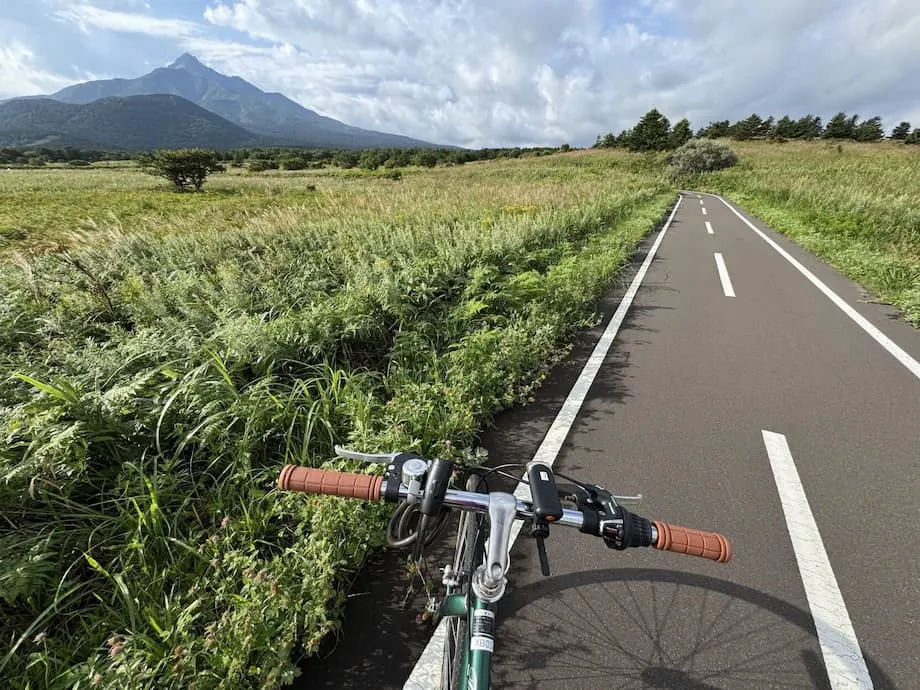
Guided sea kayak trips operate from July to September on clear days. They explore a coast where kelp forests move beneath the water and seabirds fly overhead. Camping areas, a ring road of about 60 kilometers and a dedicated cycling path of roughly 25 kilometers give visitors several ways to explore without attempting the summit.
Winter brings deep snow and severe winds, with ferries sometimes suspended. Experienced skiers visit for backcountry outings when conditions allow, with the mountain rising above a winter ocean. Such trips call for a certified guide, avalanche safety equipment and extra days in case weather interrupts transport.
Choosing a walk or a cycling route
Rebun's trail network extends from one end of the island to the other. The classic Eight Hour Course runs from Cape Sukoton in the north to Shiretoko in the south, linking meadows, forests, capes and coves. It covers about 35 kilometers, with repeated small climbs and descents, and is suited to hikers seeking a full day of demanding walking.
The Cape Tour Course offers expansive sea views without that marathon distance. Momoiwa is a practical choice when time is short or weather changeable. In northern Rebun, the Lake Kushu Course follows a gentle loop around a small lake and wetland, with grasses moving in the breeze and birds feeding in shallow water.
On Rishiri, the short hike to Pon-yama provides views across the island in a compact outing. Cyclists can make a full circuit of the ring road in a pleasant day when winds are light. The dedicated cycling road along the north provides a stretch without cars, passing meadows and old fishing sheds.
Bicycle rentals are common at hotels and shops, and electric bikes are becoming more available. Strong winds can turn an easy ride into hard work, so a bicycle with gears or an electric bike is useful. For winds blowing from the south and west, the recommended direction around the island is counterclockwise.
Ferry terminals and visitor centers have maps showing trailheads and cycling routes. Services along routes are sparse, so walkers and riders should carry water and snacks rather than depend on finding somewhere to stop.
Kelp connects the islands' seafood traditions
Cold currents and a rocky seabed support rich waters around Rishiri and Rebun. Rishiri kelp is valued across Japan for making dashi, the clear broth used in miso soup and many other dishes. The kelp grows in thick strands, and its depth of flavor reflects the minerals and currents along this coast.
Local cooks use kelp in soups, simmered dishes and ramen. A few traditional workshops also teach basic kelp crafts and cooking, offering another way to encounter an ingredient central to the islands' food.
Sea urchins feed on the same kelp. Fishers harvest two main types of uni from early summer into September, under strict limits that keep fishing trips short and quotas tight. Uni, the edible lobes inside the sea urchin, is served as sashimi, over rice or grilled. Its creamy, sweet and briny flavor draws visitors who arrange their travel around peak season.
Kamui Seaside Park, on Rishiri's west coast, offers a sea urchin experience during warmer months. Visitors pay a small fee to scoop an urchin from kelp using a long net, open it at a work table and eat it immediately.
Many local residents worry about the future of sea urchin stocks. Catch windows and strict rules help manage harvests, while pressure on stocks and changing weather patterns remain concerns. Visitors taking part in a picking activity should follow staff instructions, collect only the permitted amount and leave the shoreline clean. Choosing restaurants that respect the seasons and serve measured portions supports sustainable harvesting.
What else is on the table?
Rishiri's kelp broth ramen, served with seafood toppings, is an island classic. Atka mackerel is in season from July to September and appears grilled or cooked with miso and spring onions. Tachikama, a local fish cake, is served in stews or grilled with soy.
Small dessert shops offer puddings flavored with maple, sesame or local herbs. Rebun's food choices include uni bowls, soup curry made with kelp broth and an Atka mackerel burger.
Cafes and small izakaya line the harbor towns, with menus closely tied to seafood from nearby waters. Meals are part of the reason to stay overnight rather than treat the islands solely as places to walk. Inns that include dinner and breakfast can also be practical where restaurants close early.
Match the season to the trip
May through October is the most comfortable period for travel. Rebun's flowers begin appearing in late spring, peak in June and July, and soften into August. Rishiri's climbing season usually stretches from late June into early October, with long daylight in midsummer and crisp air in September.
Cycling and short hikes are pleasant on many calm days during these months. Seas tend to be kinder for kayak outings from July to September. The seasonal calendar helps visitors match the trip to the activity they most want to do:
- Late spring: Rebun's alpine flower season begins.
- June and July: Rebun usually has its strongest flower display, while Rishiri's climbing season begins in late June.
- Early summer through September: Fishers harvest the islands' two main types of uni.
- July through September: Guided kayaking operates on suitable days, and Atka mackerel is in season.
- September and early October: Rishiri offers crisp autumn air, with the usual climbing window continuing into early October.
- Winter: Snow, strong winds and rough seas can interrupt ferries and restrict movement.
April, May, late September and October require layers and rain gear. Even summer brings fog and sudden showers from the sea. A warm jacket, waterproof shell, hat and gloves are useful, along with spare time for ferries delayed by weather. Clear days can be striking, but conditions change quickly.
Winter is beautiful and demanding, with falling temperatures, snow and wind limiting movement on both islands. These conditions also help explain why this northern corner stays uncrowded. Visitors choosing winter activities need to plan around the weather rather than assume transport will run as scheduled.
Summer festivals bring villages together
Rishiri's Hokkaido Island Festival is a summer highlight, with fireworks over Oshidomari Port, grilled seafood and stalls selling local specialties. Smaller celebrations include the Rishiri Floating Island Festival, hosted by different districts.
A popular cycling event takes participants around the island at an easy pace alongside local residents. These occasions give visitors a chance to see community life beyond the walking routes, ponds and viewpoints.
Rebun's Umebeya Festival celebrates the fishing season and sometimes includes free sea urchin peeling activities for children. The Rebun Hometown Festival brings food stalls and another fireworks display when schedules and weather permit.
Festival dates can change, and no specific dates are given here. Tourism desks in Wakkanai and at ferry terminals can provide schedules when visitors arrive.
Small practical choices matter
Accommodation ranges from simple minshuku guesthouses to small hotels. Many offer dinner and breakfast, useful when nearby restaurants close early. June through August is the period to book ahead, particularly for travelers with fixed dates.
Cash is worth carrying. ATMs exist but are sparse, and some guesthouses accept cash only. English is spoken in a few places; a translation app can help with menus and bus timetables. A printed or saved map is useful, as is noting the last bus back to town from a trailhead.
Bicycle rentals are common around ferry ports and at hotels, with roadside stops providing snacks and viewpoints. Anyone planning to rent a car should reserve well ahead and bring an international driving permit. Drivers should watch for deer at dawn and dusk.
Ferries accept luggage of normal size, and coin lockers are available near the piers. These facilities can make it easier to explore between transport connections without carrying everything.
Traditional onsen bathing follows a few straightforward customs. Wash and rinse thoroughly before entering the hot pool, keep towels out of the water and use a quiet voice. Swimsuits are not worn in traditional baths. Some facilities have tattoo rules, so check before visiting.
Protect the trails and prepare for weather
Fog can make trails confusing, and mobile phone coverage is patchy in some places. Water, snacks, a headlamp and a layer that blocks wind belong in a walking kit, even for a short hike. Summer calls for sun protection and insect repellent; spring and autumn require extra warmth.
Campers should respect any posted bear warnings, store food securely and keep camps clean. Guided activities also require attention to local advice about tides, wind and safety, especially when weather changes during an outing.
Rare plants and sensitive coastlines need careful treatment. Stay on marked paths and leave flowers growing, even where they appear plentiful. Give seals and seabirds space, and keep behind ropes and fences rather than crossing them for photographs.
All rubbish should be carried out, including tissues and food scraps. Following instructions during guided activities and keeping shorelines clean are practical ways to protect the places visitors have traveled so far to enjoy.
Place names and many traditions reflect Ainu heritage. Learning a little of that history, seeking local artisans and supporting small businesses connects a visit with the communities that keep village life active throughout the year. Rishiri and Rebun offer quiet travel, but their appeal rests on living villages as well as mountain views and coastal scenery.
The Bottom Line
- Wakkanai is the main gateway, with direct flights from Tokyo and Sapporo and ferries to both islands.
- High season typically has two to three ferries daily; the crossing between Rishiri and Rebun takes about 45 minutes.
- Rebun has more than 300 alpine plant species, with flower displays usually strongest in June and July.
- Mount Rishiri rises 1,721 meters, with the usual climbing season running from late June to early October.
- Rishiri offers a ring road of about 60 kilometers and a dedicated cycling path of roughly 25 kilometers.
- Uni is harvested from early summer into September, and Kamui Seaside Park offers a seasonal tasting activity.
- Infrequent buses, limited rental vehicles and changeable weather make advance planning useful.
- Summer festivals feature seafood, community celebrations and fireworks, with dates subject to change.
- Book accommodation early for June through August, carry cash and allow time for transport delays.
- Stay on trails, leave flowers untouched, give wildlife space and carry out all rubbish.