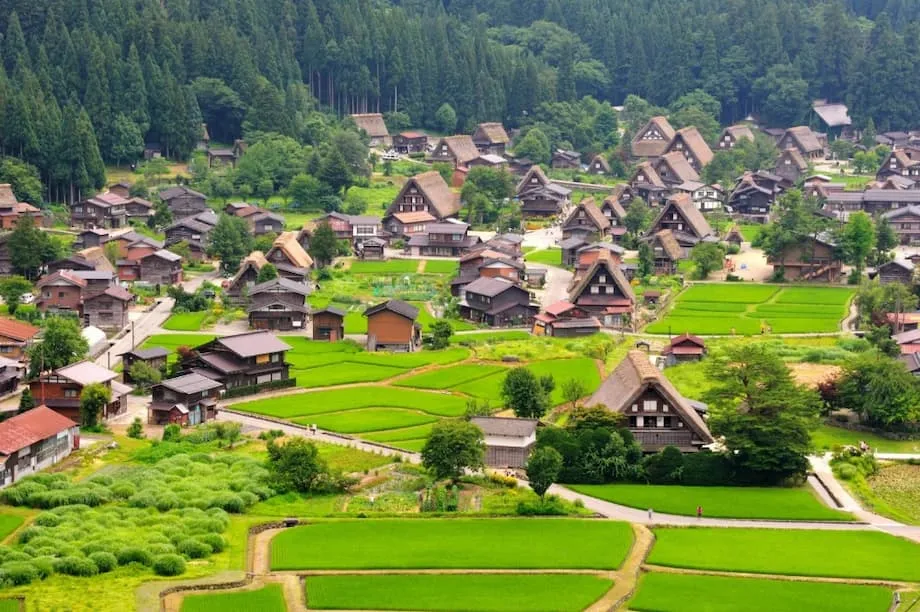
Japan's mountain village takes ninth place worldwide
Shirakawago in Japan's Gifu Prefecture has been named the most beautiful village in Asia and ninth worldwide in a new list of 50 villages curated with input from travel experts. Eight European destinations occupy the places above it, while Batad in the Philippines completes the top 10.
Contents
- Japan's mountain village takes ninth place worldwide
- Why the houses look like hands joined in prayer
- Three settlements share a protected landscape
- How Asia appears in the global ranking
- What changes with the seasons
- Fire protection and the pressures of popularity
- How to visit without disrupting village life
- Tourism income also supports preservation skills
- Getting there and choosing what to see
- Key Points
The recognition draws attention to a mountain community known for steep thatched roofs, forested slopes and a rural landscape that remains part of everyday life. Shirakawago's houses are maintained by a small community, with working fields, shrines and schools helping keep the settlement lived in.
Snow gives the village its most familiar appearance. Roofs shaped like joined hands rise above the lanes, their steep angles helping shed the heavy winter accumulation. At dusk, light from wooden houses and smoke rising into the cold air create a quieter scene. On selected winter evenings, illumination events light the roofs and surrounding snow.
Green rice fields, clear streams and woods give the village a different character during the warmer months. Across the seasons, the attraction rests on the connection between the buildings and their surroundings: homes designed for a difficult climate still stand within the landscape that shaped them.
Shirakawago is recognized by UNESCO as part of the Historic Villages of Shirakawa go and Gokayama. That designation recognizes traditional architecture and a landscape formed through centuries of adaptation to harsh conditions. Residents work with local and national authorities to preserve both the buildings and the community around them.
The ranking brings fresh attention to this balance. Visitors come for the scenery, while the people who live there must maintain roofs, protect homes from fire and keep ordinary village life moving through busy travel periods.
Why the houses look like hands joined in prayer
Shirakawago's signature architectural style is known as gassho zukuri. Its steep thatched roofs and large timber frames developed in response to heavy snow and strong winds in one of Japan's snowiest regions. The dramatic triangular shape gives the houses their familiar outline while serving a practical purpose.
The roofs also create large attic spaces. These were once used to raise silkworms, an important household industry when mountains and snow made the region difficult to reach. Space beneath the thatch therefore supported livelihoods as well as shelter.
Many houses use wooden joinery with little visible metal. Inside, smoked beams, earthen floors and flexible living spaces reflect rural life over centuries. The buildings preserve evidence of how families worked and organized their homes, as well as how they coped with the weather.
Thatch requires repeated care. Residents and craftspeople periodically replace it using traditional techniques, a process involving substantial manual work that keeps the houses protected from the weather. Working together on roofs also strengthens community ties.
The wider landscape completes the architectural setting. Terraced paddies, shrines and waterways sit alongside homes, storehouses and paths. Their arrangement reflects the needs of a settlement where farming, household industry and daily movement developed within a remote mountain valley.
Three settlements share a protected landscape
Ogimachi in Shirakawago and Ainokura and Suganuma in nearby Gokayama share the same architectural tradition. Long periods of isolation caused by mountains and snow helped preserve their original layouts, including the relationships between houses, fields, paths and water.
Today, protection as Important Preservation Districts limits alterations that could weaken that character. Japanese law also places strict controls on alterations to and demolition of protected buildings. Those rules help keep the historic scenery intact while allowing people to continue living there.
The UNESCO World Heritage Centre explains the importance of the settlements in its description of the World Heritage listing. It describes how the villages preserve the relationship between their environment, community needs and history:
The historic villages are exceptional examples of traditional human settlements perfectly adapted to their environment and social needs, preserving both spiritual and material evidence of their history.
Careful maintenance is central to that protection. Local associations, residents, prefectural offices and national agencies share responsibilities for repairs, thatching and firefighting. Preservation depends on practical work as well as legal recognition.
Ogimachi has the largest cluster of houses and more visitor services. Ainokura and Suganuma offer quieter settings, particularly early and late in the day, with houses, paddies and lanes lined with stone. Travelers often combine all three settlements to see different expressions of the same building tradition.
How Asia appears in the global ranking
The new list places European villages in all eight positions above Shirakawago. Japan's entry breaks that run at ninth, followed by the rice terraces of Batad in the Philippines at tenth. Batad's terraces form an amphitheater across the hillsides, giving the top 10 a second Asian landscape shaped by human work.
The first 10 places are:
- 1. Bibury, England
- 2. Hallstatt, Austria
- 3. Reine, Norway
- 4. Giethoorn, Netherlands
- 5. Gasadalur, Faroe Islands
- 6. Oia, Greece
- 7. Bourtange, Netherlands
- 8. Kotor, Montenegro
- 9. Shirakawa go, Japan
- 10. Batad, Philippines
Asia's entries across the full list of 50 extend well beyond those two villages. They include Hahoe Folk Village in South Korea, Ubud in Indonesia, Ghandruk in Nepal, Zhouzhuang in China, Ban Rak Thai in Thailand, Cam Thanh in Vietnam, Arang Kel in Pakistan and Mrauk U in Myanmar.
Those destinations span very different settings, from terraced hillsides and canal towns with stone bridges to lakeside villages. Shirakawago's snow and thatch represent one kind of scenery within that wider range. The ranking was curated with input from travel experts; no publication date or detailed selection method was given.
What changes with the seasons
Winter brings Shirakawago's most recognizable views. Deep snow gathers around houses whose steep roofs were designed to cope with the load. Selected weekends feature illumination nights, when warm lighting changes the appearance of the village after dark.
Access and parking are controlled during those events to protect safety and the scenery. Severe weather also makes preparation essential. Warm layers and suitable footwear matter when lanes are wet or icy, and visitors need to check official information about road conditions, parking and event arrangements before traveling.
Spring brings new growth in the paddies and blossoms along the lanes. Summer fills the surrounding forest with green, while streams run full. Autumn changes the hills to copper tones, and the low light of late afternoon catches the thatch. Visits outside the busiest winter events offer another view of the same houses and fields.
The old castle observation point above Ogimachi provides the familiar panorama. Visitors can reach it by path or shuttle, with the view showing how the houses, fields and river bends fit together. At busy times, access may be timed or restricted to prevent congestion.
Seasonal changes also affect the pace of a visit. The quieter periods allow more time to look at the settlement as a working landscape, while the winter illuminations bring a concentrated demand for access to a small place. Both experiences depend on arrangements that protect residents and keep people moving safely.
Fire protection and the pressures of popularity
Thatched buildings are vulnerable to sparks and embers, making fire one of the village's most serious risks. Sprinklers, hydrants and water resources form part of an extensive prevention system. Smoking restrictions and designated smoking areas help reduce the danger.
Roof maintenance supports that wider protection effort. Coordinated work by residents and craftspeople keeps buildings in good condition, while local and national management provides the legal and practical support needed to preserve them. Fire prevention, repairs and visitor management are connected parts of caring for the settlement.
Heavy traffic from day trips creates another pressure. Shirakawago receives visitors from Takayama, Kanazawa and Toyama, and parking and walking routes can become crowded at peak times. Facilities remain modest by design, litter bins are limited, and entry to the historic area is not gated.
Local managers have occasionally closed or adjusted access to popular viewpoints to keep conditions safe and orderly. Such decisions affect what visitors can reach on a particular day, but they also help a small community manage the number of people using its lanes and public spaces.
Many buildings remain private homes. Working fields, shrines and schools continue to serve residents alongside the museums, shops and guesthouses used by travelers. Respect for that daily life is part of protecting the village's character.
How to visit without disrupting village life
Some families open historic houses as museums, while others operate simple guesthouses known as minshuku. Accommodation capacity is limited by design. Quiet after dusk matters because sound carries through the valley and residents value calm evenings.
Visitors can reduce pressure through straightforward choices about transport, timing and behavior. Staying overnight can spread spending within the village and ease the concentration of activity around day trips. Traveling in different seasons also reduces the demand placed on a few crowded winter weekends.
- Use public transport where possible. Buses from Takayama, Kanazawa and Toyama reduce vehicle traffic in the village.
- Consider an overnight stay in a farmhouse to support local businesses and spend time beyond the busiest daytime period.
- Carry rubbish until a suitable bin is available. Never leave it in toilets, ditches or snowbanks.
- Stay on marked paths and lanes. Respect private homes and working fields.
- Ask before taking close photographs of people.
- Keep noise low after dusk.
- Do not fly drones without permission. Safety and privacy rules are enforced.
- Support local culture through house museums and purchases of crafts, silk items and regional snacks.
- Check official updates on winter illuminations, road conditions and parking before setting out.
These choices have practical effects in a settlement with limited space and services. Keeping paths clear, protecting privacy and taking rubbish away allow visitors to enjoy the village while residents continue their daily routines.
Tourism income also supports preservation skills
Recognition can bring income to rural areas facing aging populations and shrinking households. In Shirakawago, tourism revenue supports roof maintenance, cultural activities and the small businesses that help keep the village active.
Preservation leaders across Japan's protected districts stress that popularity must be managed without sacrificing the character that attracts visitors. Controls on building changes, signs and traffic are part of that effort. In Shirakawago, welcoming more travelers also means keeping enough space and quiet for the people who live there.
Training the next generation of thatchers and carpenters matters alongside income from house museums. Traditional roofs require people who know how to repair and replace them, and maintaining those skills is part of keeping the village intact for future generations.
The new ranking is likely to increase interest. Local decision making, cooperation between residents and authorities, and the continued supply of skilled craftspeople will all shape how the community handles that attention. Visitors who stay longer or travel outside peak periods can help distribute spending and reduce concentrated pressure.
Getting there and choosing what to see
Most visitors reach Shirakawago by bus. Direct services connect it with Takayama in Gifu, Kanazawa in Ishikawa and Toyama on the Sea of Japan coast. The village sits between those transport hubs, making it accessible from several directions.
Driving is possible when roads are clear, but winter weather and limited parking make public transport a practical choice. Sturdy shoes are useful in every season because lanes can be wet or icy. Walking routes include viewpoints and the suspension bridge across the river, which provides the classic approach to Ogimachi.
Overnight stays in traditional houses can book up months ahead. Some minshuku have limited booking options in English, so flexibility helps. Travelers unable to find a room in the village can stay in Takayama, Kanazawa or Toyama and visit early in the morning or later in the afternoon, when crowds may be smaller and the light warmer.
Winter illumination dates are fixed and access is controlled for safety. Plans should be checked well before travel.
Wada, Kanda and Nagase are among the historic homes that open parts of their interiors as small museums. Family artifacts and displays explain how the architecture works, connecting the houses' appearance with the activities once carried out inside them.
Myozen ji Temple, the village shrine and the narrow main street, with its shops and snack stalls, provide other stops around the settlement. Regional food includes Hida beef, gohei mochi rice cakes brushed with sweet miso, and mountain vegetable plates.
A visit can also extend to Suganuma and Ainokura in Gokayama. Their quieter surroundings complement Ogimachi's larger concentration of houses and services, while keeping the focus on the same tradition of homes adapted to mountain life.
Key Points
- Shirakawago in Gifu Prefecture ranks first in Asia and ninth worldwide in a new list of 50 villages curated with input from travel experts.
- European destinations occupy the first eight places. Batad in the Philippines ranks tenth.
- The UNESCO designation covers the Historic Villages of Shirakawa go and Gokayama, including Ogimachi, Ainokura and Suganuma.
- Gassho zukuri houses use steep thatched roofs to cope with heavy snow, with large attics once used for raising silkworms.
- Legal protections, fire prevention systems, communal maintenance and traditional craft skills support preservation.
- Winter illumination events have controlled access and parking. Visitors should check arrangements before traveling.
- Buses, overnight stays and visits outside peak periods can reduce pressure while supporting local businesses.
- Private homes, fields and quiet evenings remain part of everyday life and require respect from visitors.