A richer matcha recipe for a 20th anniversary
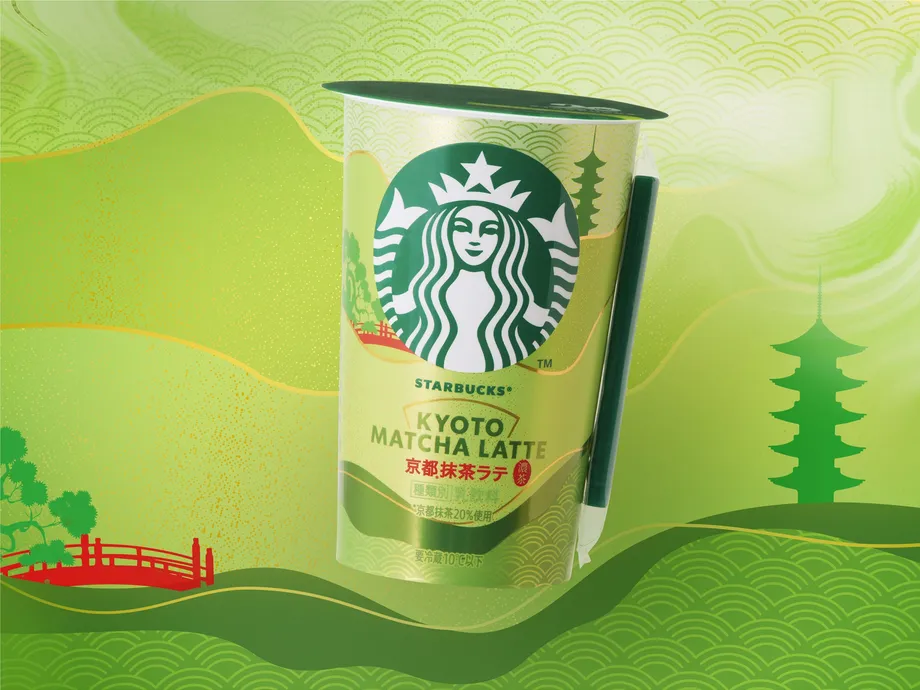
Starbucks Japan will bring back its Kyoto Matcha Latte on September 2, priced at 219 yen, approximately US$1.49, to mark the 20th anniversary of its chilled cup series. The limited edition drink will reach supermarkets and convenience stores across Japan with more matcha in its recipe and packaging inspired by Kyoto's traditional architecture and gardens.
Contents
- A richer matcha recipe for a 20th anniversary
- Kyoto's landmarks appear on the cup
- How the chilled cup series reached this milestone
- Global popularity puts pressure on Japanese supply
- Why matcha takes time to make
- Tea practitioners seek room for ceremony and modern tastes
- Starbucks expands its Japanese matcha range
- An anniversary campaign offers a Seattle trip
- Matcha's reach stretches from mochi to ice pops
- Growers face heat, labor shortages and rising demand
- Key Points
The return connects two parts of Japan's tea market: affordable drinks that people can pick up during an ordinary shopping trip, and a centuries-old tradition now attracting intense interest around the world. Matcha is appearing in lattes, desserts and other products as Japanese growers and retailers face rising demand, shortages and higher prices.
The Kyoto Matcha Latte first appeared in 2008 as the chilled cup series' first dessert drink without coffee. For its anniversary return, Starbucks has increased the amount of matcha to create a deeper, richer flavor while keeping the mellow, creamy character of carefully selected milk.
The recipe aims for balanced sweetness that lets the high quality matcha stand out. Its umami flavor, the savory quality that gives food and drink a sense of depth, sits alongside the milk's creaminess. The result is intended to be both creamy and refreshing.
For longtime customers, the release brings back a familiar product. For people discovering matcha through its recent popularity, it offers an accessible way to try a drink associated with Kyoto's tea heritage. Its nationwide retail distribution also puts it within reach of customers who are shopping for groceries or stopping at a convenience store, rather than visiting a Starbucks cafe.
Kyoto's landmarks appear on the cup
The packaging features illustrations of a pagoda with five stories and traditional Kyoto gardens, presented in a contemporary style. Bright and dark green colors reflect matcha's vivid appearance, while metallic gold accents give the cup a premium look.
Starbucks uses those visual references to connect the revived drink with its Kyoto origins and Japanese aesthetics. The design combines familiar cultural imagery with the format of a modern packaged beverage.
Starbucks recommends two food pairings: a tuna mayonnaise rice ball and a steamed cheesecake. The seaweed and tuna in the rice ball are said to bring out the latte's umami, while the cheesecake's creamy richness complements its smooth milk flavor.
The suggestions approach the same drink from two directions, one savory and one sweet. They reflect the attention to flavor harmony described in Japanese food and drink pairings, with the accompanying food chosen to bring particular qualities of the tea and milk forward.
How the chilled cup series reached this milestone
Starbucks launched its chilled cup series in September 2005 in partnership with beverage company Suntory. The series brought prepared Starbucks coffee and tea drinks to supermarkets and convenience stores, making the brand's flavors available beyond its cafe network.
The Kyoto Matcha Latte's arrival in 2008 expanded that lineup with its first dessert drink without coffee. Its distinctive taste and connection to Japanese tea culture helped it become a customer favorite.
Over the years, the chilled cup series became a familiar part of Japan's retail beverage market. New flavors and limited editions regularly attracted attention, giving shoppers reasons to return to the range.
The main dates behind the anniversary release are:
- September 2005: Starbucks and Suntory launched the chilled cup series.
- 2008: The Kyoto Matcha Latte debuted as the series' first dessert drink without coffee.
- August 30, 2025: The anniversary revival was approaching its announced retail launch.
- September 2, 2025: The returning Kyoto Matcha Latte is scheduled to go on sale in supermarkets and convenience stores across Japan.
The anniversary therefore celebrates 20 years of the wider chilled cup series. The matcha drink joined that series three years after its launch and now returns with a revised recipe.
Global popularity puts pressure on Japanese supply
Matcha's popularity now extends far beyond traditional Japanese tea ceremonies. The powdered tea appears in lattes, ice cream, pastries and beauty products, reaching consumers through both its flavor and its distinctive green appearance.
TikTok and Instagram have helped spread that interest. Influencers share recipes, reviews and images of matcha creations, bringing the ingredient to audiences who may first encounter it in a sweetened drink or dessert.
The growth in global matcha demand has been accompanied by shortages and rising prices. In Japan, particularly in the Kyoto region that is home to famed Uji matcha, eager tourists and local shoppers often empty store shelves.
Japan's Ministry of Agriculture reports that matcha production nearly tripled between 2010 and 2023. Green tea exports rose by 25% last year alone. Those figures describe related parts of the tea market: the first measures matcha production, while the second covers green tea exports more broadly.
Nearly tripling production means that Japan was making close to three times as much matcha in 2023 as in 2010. Even with that expansion, the pressure visible in shops shows how strongly demand has grown.
The Kyoto Matcha Latte returns within that changing market. A drink introduced in 2008 is reaching shelves again at a time when Japanese powdered tea has become a familiar ingredient to consumers around the world.
Why matcha takes time to make
Matcha begins with tencha, a type of green tea leaf grown in shade for several weeks before harvest. Shading increases the leaves' chlorophyll content, helping produce the bright green color associated with matcha, and contributes to its rich umami flavor.
After harvest, the leaves are steamed, dried and ground into a fine powder. Traditional stone mills can produce just 40 grams of matcha in an hour, making this a process that requires considerable time and labor.
The powder format helps explain matcha's broad appeal. Unlike tea leaves that are steeped and removed, powdered tea can be mixed into drinks and foods. That makes it useful in products ranging from a milk latte to a cookie.
High grade matcha is valued for its delicate, complex flavor and is traditionally prepared with water in Japanese tea ceremonies. Matcha used in lattes and cooking is often of a lower grade because milk and sweeteners can mask the finer qualities of premium tea.
The production process and those differences in grade help explain why growing interest in matcha creates pressure across several uses. Tea for a carefully prepared bowl and tea mixed into a sweet dessert both begin with an agricultural product that takes time to grow and process.
Tea practitioners seek room for ceremony and modern tastes
Japan's tea experts have greeted matcha's international popularity with both excitement and concern. Traditionalists worry that attention to matcha as a fashionable ingredient is overshadowing the ritual of preparing it and the quiet concentration involved in drinking it.
Keiko Kaneko, a tea ceremony instructor, describes the traditional practice as a "Zenlike transient moment." She contrasts the atmosphere inside a tea house with the pace of the matcha craze outside it.
"The purity and stillness of the ceremony are a world apart from the hectic and mundane, and from the craze for matcha that's brewing outside the tea house," Kaneko explains.
Anna Poian, co-director of the Global Japanese Tea Association, suggests using lower grade matcha for lattes and desserts while reserving the finest matcha for ceremonial use. Her recommendation accommodates contemporary tastes while keeping premium tea available for preparations that allow its subtle flavor to be appreciated.
The Global Japanese Tea Association also encourages mindful consumption. Its advice links the cultural discussion to the practical demands on supply: different uses can draw on different grades of tea, with the highest quality kept for traditional ceremonies.
Starbucks expands its Japanese matcha range
Starbucks has helped popularize matcha in Japan and abroad through drinks adapted to local preferences. The Kyoto Matcha Latte is part of a wider pattern of regional, seasonal and limited edition releases.
The company's 47 JIMOTO Frappuccino campaign celebrated Starbucks Japan's 25th anniversary with beverages inspired by each of Japan's 47 prefectures. Many featured regional ingredients, including Uji matcha, bringing local food identities into the company's drink menu.
Starbucks recently opened its 2,000th Japanese store, Starbucks Ginza House, in Tokyo's upscale Ginza district. The flagship includes a Teavana store focused on premium tea experiences.
Exclusive drinks there include the Ginza Stone Ground Matcha Tea Latte and the most expensive matcha Frappuccino in Japan. Those products put matcha into a different setting from the 219 yen chilled cup: a specialty store experience built around tea.
This summer, Starbucks also introduced Matcha Green Tea Sparkling and Matcha Pistachio Mousse Tea Latte at selected specialty stores. The releases extend matcha into sparkling and mousse topped drinks, alongside more familiar combinations with milk.
Japan's competitive beverage market gives these seasonal products a ready audience. Customers anticipate new releases, and limited availability can help turn a drink into a subject of social media attention.
An anniversary campaign offers a Seattle trip
Starbucks Japan is accompanying the Kyoto Matcha Latte's return with a promotional campaign. One winner will receive a trip for two to Seattle, the birthplace of Starbucks, lasting five days and including three nights.
Another 100 winners will receive a limited edition charm set commemorating the chilled cup series' 20th anniversary. The prizes connect the Japanese retail product with both the company's origins and the milestone being celebrated.
Customers can enter through Twitter or Instagram by following the Starbucks Consumer Packaged Goods account and sharing favorite chilled cup moments or photographs with the campaign hashtag. The campaign invites customers to contribute memories and images associated with the series.
The drink's announced launch date is September 2, with distribution through supermarkets and convenience stores nationwide. An end date for the limited edition sale and a campaign entry deadline were not given.
At 219 yen, approximately US$1.49, the product is positioned as an accessible purchase for returning fans and people trying it for the first time. Its retail format places the anniversary celebration in everyday shopping locations across Japan.
Matcha's reach stretches from mochi to ice pops
Japan's matcha market extends well beyond Starbucks. Traditional sweets such as daifuku mochi and warabi mochi sit alongside matcha chocolates, cookies and ice pops, while specialty stores sell a broad range of products for both tea purists and adventurous eaters.
Minoru Handa, the third generation chief of Tokyo Handa-en tea store, connects that versatility with growing interest in health and Japanese culture. He explains why the powder is so easy to use across different products.
Unlike tea leaves, the powder can be easily mixed into just about anything. The health boom and the interest in Japanese culture have added to the momentum.
The ingredient's flexibility allows it to travel between traditional confectionery and modern snacks without requiring the same preparation in each setting. A customer can encounter matcha in a rice cake, a frozen treat or a packaged latte.
Starbucks' revived drink belongs to that broader market. Its combination of tea, milk, sweetness and Kyoto imagery brings several of matcha's attractions together in a single retail product.
Growers face heat, labor shortages and rising demand
Japan's matcha industry faces climate change, labor shortages and rising global demand at the same time. These pressures have contributed to supply constraints and higher prices.
In Kyoto's Uji region, known for some of Japan's finest matcha, heatwaves have reduced harvests. Aging farmers are also leaving the industry faster than new farmers can replace them, putting pressure on the people available to grow and harvest tea.
The Japanese government is supporting tea growers through new technology, financial aid and incentives to switch from regular green tea to matcha production. Those measures address both the demands of cultivation and the shift in what buyers want.
Retailers are responding at the shop level as well. The influx of tourists and the worldwide matcha craze have led some sellers to limit purchases, seeking to prevent hoarding and distribute supplies more fairly.
For consumers, those pressures can mean limits on how much tea they can buy and higher prices. For growers, the boom brings demand while increasing the challenge of producing enough tea under difficult weather and labor conditions.
The Kyoto Matcha Latte's return captures both sides of this moment: a familiar Japanese drink gaining renewed attention, and an ingredient whose success is testing the capacity of the farms and mills behind it.
Key Points
- Starbucks Japan's Kyoto Matcha Latte returns on September 2 at 219 yen, approximately US$1.49, in supermarkets and convenience stores nationwide.
- The revised recipe contains more matcha, while the packaging features Kyoto gardens, a pagoda with five stories, green colors and gold accents.
- The release marks 20 years of the chilled cup series, launched with Suntory in September 2005. The latte first appeared in 2008.
- The anniversary campaign offers one trip for two to Seattle and limited edition charm sets for 100 winners.
- Japan's Ministry of Agriculture says matcha production nearly tripled from 2010 to 2023, while green tea exports rose 25% last year.
- Tea practitioners recommend lower grade matcha for lattes and desserts and the finest grades for traditional ceremonies.
- Heatwaves, an aging farming workforce and growing demand are straining supply, prompting government support and purchase limits at some retailers.