Bangkok prepares for a major cinema comeback
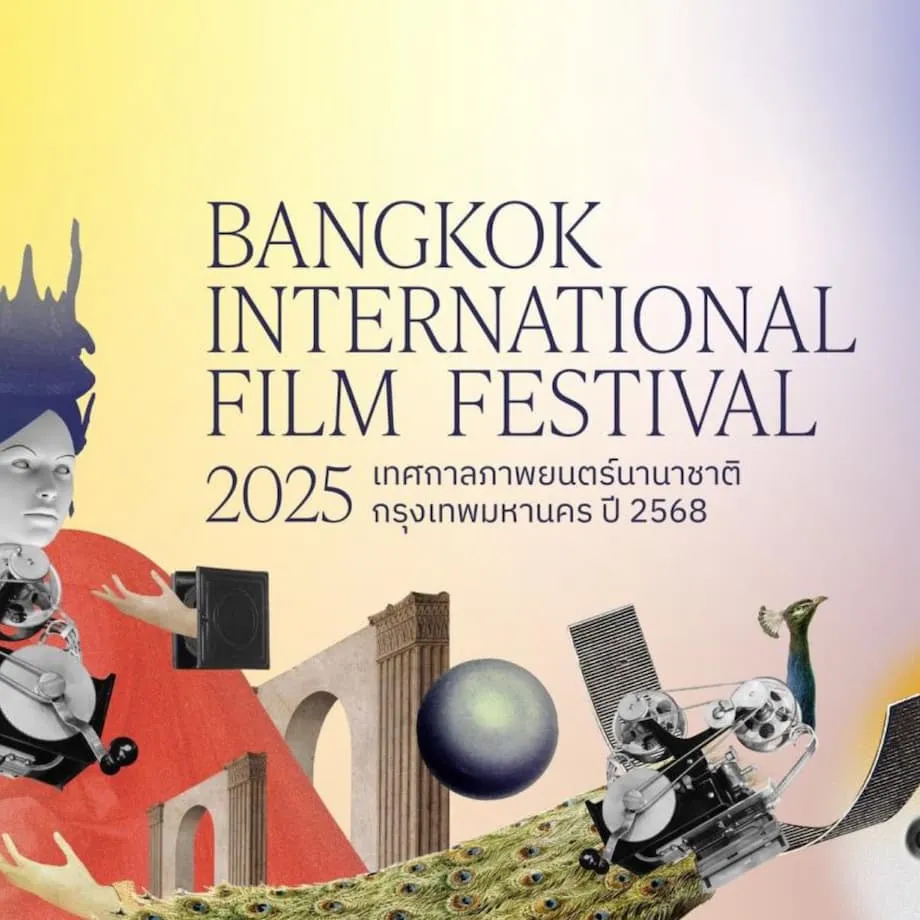
The Bangkok International Film Festival (BKKIFF) is scheduled to return from September 27 to October 15, 2025, ending a 17-year absence with a programme of more than 200 films from over 40 countries. Its opening ceremony will take place on September 29 at Pinnacle Hall, ICONSIAM, while cinemas across the Thai capital will host screenings.
Contents
- Bangkok prepares for a major cinema comeback
- How the festival reached its 17-year pause
- A new team and a different operating model
- What Power in Collaboration means for the festival
- More than 200 films across Bangkok
- Competitions give new work a public platform
- A film market connects ideas with investment
- A Useful Ghost shows the momentum behind Thai cinema
- Government support reaches beyond the screenings
- What the revival could change for Thailand and the region
- Key Points
The festival will open with the world premiere of Tee Yod 3 (Death Whisperer 3), the latest film in a popular Thai horror series. Alongside screenings, the organisers plan competitions, a film market, masterclasses and opportunities for filmmakers to present projects to potential investors. Asian and Thai project pitching sessions will offer a total prize pool of $25,000.
The return brings together two ambitions: giving audiences access to recent films from around the world and helping Thai filmmakers find the money, partners and international exposure needed to develop their work. Organisers aim to make the event the largest film festival in Southeast Asia and restore Bangkok's position as a meeting place for regional and global cinema.
The Department of Cultural Promotion, under the Ministry of Culture, and the Thailand Creative Culture Agency (THACCA) are backing the revival. A new organising team is leading it under the theme Power in Collaboration, with cooperation between government, businesses, artists, creators and the public at the centre of its plans.
Organisers and industry participants describe the comeback as one of the most significant cultural events in recent Thai history. For audiences, its immediate promise is a broad selection of films. For the industry, it offers a place where creative work can meet people able to finance, produce and distribute it.
How the festival reached its 17-year pause
The Bangkok International Film Festival began in 2003 and quickly became a major annual event. Hollywood celebrities, acclaimed directors and industry professionals attended, helping connect Thai cinema with the wider film world.
Its earlier editions combined screenings with red carpet ceremonies, gala dinners and appearances by international stars. The Golden Kinnaree Awards were coveted honours, and the festival gave local filmmakers a platform to present their work to international visitors.
The event's last edition took place in 2008. Political upheaval, budget constraints, management changes and a major bribery scandal involving its management company based in the United States and the Tourism Authority of Thailand (TAT) contributed to its suspension.
The fallout damaged the festival's reputation and left Thailand without a major international film event for nearly two decades. During its absence, cities including Busan, Hong Kong and Singapore gained prominence in the wider festival circuit. The 2025 return is intended to recover the Bangkok event's role while giving a new generation of Thai filmmakers opportunities to enter that network.
The key dates show how long the revival has been in the making:
- 2003: The Bangkok International Film Festival launches.
- 2008: The festival holds its last edition before the suspension.
- September 27, 2025: The returning festival is scheduled to begin.
- September 29, 2025: The opening ceremony is scheduled at Pinnacle Hall, ICONSIAM.
- October 15, 2025: The festival is scheduled to end.
A new team and a different operating model
The 2025 organising team is operating as a nonprofit, with transparent governance and support from both the public and private sectors. Its stated approach centres on collaboration, inclusion and industry development, with the aim of building a festival that can continue over time.
Dr. Surapong Suebwonglee chairs both the National Soft Power Development Committee and the BKKIFF Organising Committee. He regards film as a central part of Thailand's soft power, able to communicate the country's culture, creativity and values to audiences abroad.
Executive director Pimpaka Towira sees the revival as arriving during a renaissance in Thai filmmaking. Festival director Donsaron Kovitvanitcha, who also leads the World Film Festival of Bangkok, brings experience in programming and international cinema to the event. He says the selection criteria are intended to produce a daring mix of global perspectives while giving distinctive Thai voices a prominent place.
What Power in Collaboration means for the festival
The festival's theme links its cultural programme to its business activities. Government agencies and private companies provide support, filmmakers bring their work and ideas, and audiences give those films a public life beyond industry meetings.
Organisers see cinema as more than entertainment. Films can start conversations, shape perceptions and bring Thailand's culture to people who may never have visited the country. The festival's programming and industry initiatives are designed around that understanding.
Soft power means influencing others through cultural appeal rather than economic or military strength. In Thailand's case, cinema can introduce viewers to the country's ways of life, traditions and artistic innovation. Cultural diplomacy uses those connections to build relationships across national borders.
The relaunch therefore has a purpose beyond restoring a familiar event. Thailand wants it to strengthen the country's standing as a creative centre in Asia, while giving filmmakers practical opportunities to exchange knowledge, build professional contacts and seek investment.
More than 200 films across Bangkok
BKKIFF plans to show features, short films, documentaries and animation from more than 40 countries. Its focus will be on films that have premiered within the previous year, bringing recent work from the international festival circuit to Bangkok audiences.
The programme will include competitive and noncompetitive selections, tributes, retrospectives and special presentations. Retrospectives revisit earlier work, while the broader selection is intended to make room for different forms of filmmaking, established directors and emerging talent.
Screenings will take place at Major Cineplex, SF Cinema, House Samyan and Lido Connect. Siam Square will serve as the main festival hub, providing a central meeting point for film enthusiasts, industry professionals and the public.
Siam Square's youthful atmosphere and creative activity are part of its appeal as a gathering place. Organisers expect the central location to draw local audiences and international visitors, connecting the cinema programme with opportunities to meet filmmakers and other participants.
The choice of Tee Yod 3 for the opening world premiere puts a popular domestic production at the front of an international event. The previous films in the franchise have been box office successes, with Death Whisperer 2 becoming the highest grossing Thai film of all time. The opening selection signals that Thai commercial cinema will have a place alongside films arriving from international festivals.
Competitions give new work a public platform
The festival's competitions will recognise achievement in both feature films and shorts. Winners will receive the Phra Surasawadee awards, which replace the Golden Kinnaree Awards associated with the earlier festival.
The awards are intended to recognise artistic achievement and give filmmakers international visibility. For emerging directors, placing a short film in a festival programme offers an opportunity to bring their work before audiences and industry professionals attending the same event.
Interest was evident soon after the festival opened its call for submissions. More than 100 short films were submitted within days of the announcement, reflecting enthusiasm among filmmakers for the event's return.
The competitions will sit within a wider programme rather than define the entire festival. Tributes, retrospectives, special presentations and selections outside the competitions will allow audiences to encounter films with different histories, styles and purposes.
A film market connects ideas with investment
BKKIFF's industry programme will include a film market, masterclasses, workshops, panel discussions, networking events and business forums. More than 70 film teams are expected to take part, alongside more than 50 market stands from Thai producers.
A film market is a place for professional meetings about films and projects. Producers can seek financing or partners, while distributors look for work they can bring to audiences. BKKIFF wants those meetings to create new routes for Thai and other Asian productions.
Independent filmmakers will be able to present ideas through Asian and Thai project pitching sessions. A pitch explains a proposed film to people who might help make it, including investors, producers and distributors. The sessions have a combined prize pool of $25,000.
Masterclasses and discussions will offer opportunities to learn from leading filmmakers and industry participants. The programme's business forums and networking events are also intended to encourage collaboration and agreements between people who may otherwise have few chances to meet.
Pimpaka Towira identifies funding and international exposure as continuing challenges, even as Thai films win recognition abroad. The festival is designed to address both through a combination of screenings, professional exchange and investment opportunities. Its special programmes will also spotlight Thai cinema and emerging talent.
A Useful Ghost shows the momentum behind Thai cinema
The festival's return comes as Thai filmmaking attracts renewed international attention. A Useful Ghost was selected for Critics' Week at the Cannes Film Festival, becoming the first Thai film in a decade to receive that recognition in the category.
Directed by Ratchapoom Boonbunchachoke and produced by 185 Films, the film is a joint production involving Thailand, Singapore, France and Germany. It received support from the Ministry of Culture's Department of Cultural Promotion and other international partners.
A joint production brings participants from more than one country into the making of a film. A Useful Ghost illustrates the kind of international cooperation that BKKIFF's organisers want to encourage through meetings, project presentations and exchanges between filmmakers.
Towira points to the film's Cannes selection as evidence of the creativity and potential within Thailand's industry. The festival aims to give more filmmakers opportunities to reach international audiences while retaining the individual voices that make their work distinctive.
Government support reaches beyond the screenings
Thai officials took part in senior meetings and pitching events at the 2025 Cannes Film Festival to promote the country's creative industries and attract international investment. Those activities form part of the wider effort supporting the Bangkok festival's revival.
Thailand has also introduced incentives including a production rebate of 30% to attract foreign filmmakers and joint productions. A rebate returns part of production spending, reducing the cost of making a film. The country's experienced crews and active postproduction sector are other parts of its appeal.
Postproduction is the work that follows filming, preparing the material for release. The combination of financial incentives, production skills and services after filming gives Thailand several ways to participate in projects involving international partners.
THACCA, described as Thailand's new film agency, has already provided substantial funding to local projects and is negotiating agreements for joint productions with other countries. These efforts sit within a broader strategy to establish Thailand as a global centre for creative content and innovation.
Surapong sees film as an economic engine that can support other industries, including food, Muay Thai, gems and jewellery, fashion and handicrafts. The festival's organisers want the international appeal of Thai cinema to create opportunities for cooperation across those sectors and contribute to economic growth.
What the revival could change for Thailand and the region
For Thai filmmakers, BKKIFF's return creates a venue where showing a finished film and developing a future project can happen within the same event. Competitions and public screenings offer exposure, while the market and pitching sessions provide access to people involved in financing and distribution.
For Bangkok audiences, the programme promises recent international films alongside local releases, documentaries, animation and shorts. Its use of several cinemas and a central hub at Siam Square is intended to make the festival a shared cultural event for residents and visitors.
Thailand's wider ambition is to diversify its economy, attract international talent and strengthen its reputation as a centre for innovation. Investment in creative industries and cultural exchange is part of that effort, with the festival serving as a visible gathering point.
For Southeast Asia, the revival adds a major event to the regional circuit. Bangkok's programme will operate within a wider Asian film network that includes established festivals in Busan, Hong Kong and Singapore. Its focus on recent work, professional meetings and cultural diplomacy is intended to serve both established filmmakers and new voices.
The organisers' plans bring commercial successes such as Death Whisperer 3 into the same festival framework as internationally recognised work such as A Useful Ghost. That combination reflects the revival's central ambition: to celebrate Thai cinema's audience appeal while creating more opportunities for its filmmakers to work across borders.
Key Points
- BKKIFF is scheduled for September 27 to October 15, 2025, returning after a 17-year absence.
- The opening ceremony will take place on September 29 at Pinnacle Hall, ICONSIAM.
- The programme plans more than 200 films from over 40 countries, with Siam Square as its main hub.
- Tee Yod 3 (Death Whisperer 3) will have its world premiere as the opening film.
- Feature and short film competitions will award the Phra Surasawadee honours.
- The industry programme includes more than 70 film teams, over 50 Thai producer stands and pitching prizes totalling $25,000.
- The Department of Cultural Promotion and THACCA are backing the revival under the theme Power in Collaboration.
- The festival aims to connect audiences, filmmakers, investors and distributors while strengthening Thailand's international cultural presence.