A Five-Year Festival Deal Raises Thailand's Ambitions
Tomorrowland is set to make its first full-scale Asian debut at Wisdom Valley in Thailand's Chonburi province in 2026, anchoring a five-year agreement that is expected to attract up to a million visitors by 2030. The arrival of the electronic dance music festival is the biggest signal yet of Thailand's push to turn concerts and festivals into engines of tourism and economic growth.
Contents
- A Five-Year Festival Deal Raises Thailand's Ambitions
- Why International Promoters Are Looking to Thailand
- What Tomorrowland Plans to Bring to Chonburi
- How Festival Spending Reaches the Wider Economy
- International Names Fill a Broader Concert Calendar
- Thai Festivals Bring Their Own Identity
- Government Turns Culture Into a Tourism Strategy
- Travelers Increasingly Build Trips Around Music
- Growth Brings Pressure on Smaller Events and Local Resources
- Key Points
As of August 29, 2025, the plan includes more than 2 billion baht, about $62 million, in support, with most funding expected to come from private investors through a partnership between government and business. Tourism and Sports Minister Sorawong Thienthong expects the festival to generate more than 12 billion baht in economic activity over five years. The government also projects 21 billion baht in returns, although the basis for the two different estimates has not been explained.
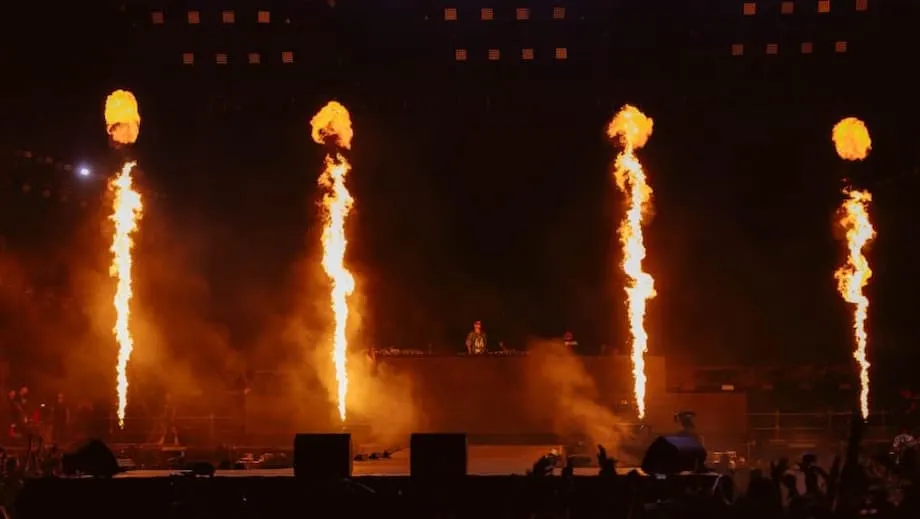
Tomorrowland, described as the world's largest electronic dance music festival, will join an expanding calendar of international festivals, concerts by global stars and established Thai events. Together, they are changing the country's tourism pitch, adding live performances to the beaches, temples and food that have long attracted visitors.
Thailand's ambition reaches beyond filling festival grounds. A visitor who travels for a concert may also pay for accommodation, meals, transport and shopping. The government wants those trips to bring more spending, longer stays and wider recognition for Thai culture.
The opportunity comes with practical concerns. Smaller promoters face competition from international brands, large gatherings create waste and pressure on local resources, and a growing number of events must compete for audiences. Thailand's festival strategy will be judged by the benefits it delivers to local businesses and communities, as well as the crowds it attracts.
Why International Promoters Are Looking to Thailand
Thailand is attracting festival brands as established markets in Europe and North America face rising costs, regulatory difficulties and market fatigue. For promoters seeking new audiences, the kingdom combines access to major Asian cities with international airports, tourism services and an enthusiastic domestic music audience.
Government backing adds to that appeal. Thailand's soft power strategy uses culture and entertainment to build interest in the country and encourage travel. In practical terms, a festival can introduce visitors to Thai food, music and hospitality while giving them a specific reason to book a trip.
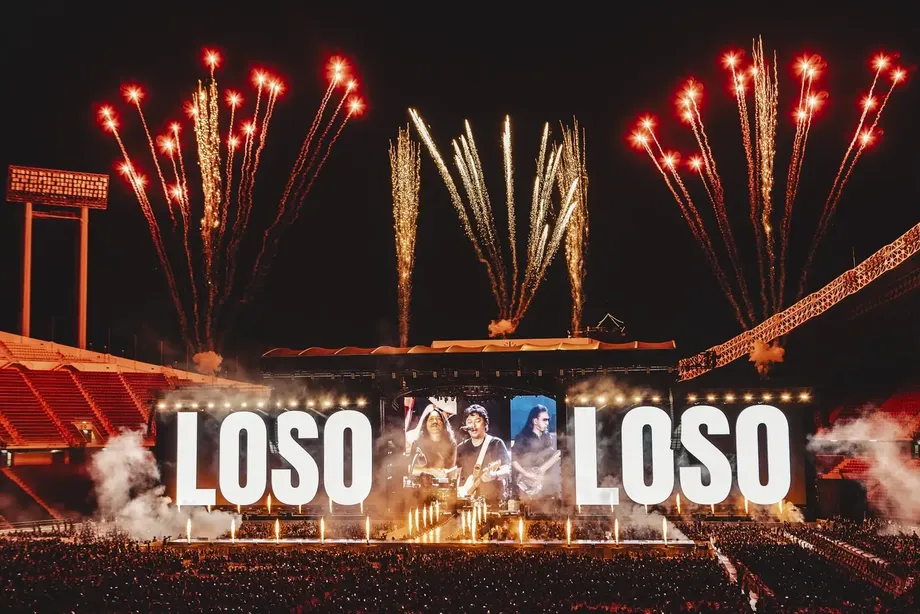
British DJ Fred Again's recent Bangkok performance illustrated the audience available for international acts. The show drew thousands, including travelers who cross Asia to attend concerts. Often called gig trippers, these visitors choose a destination because a performer or festival they want to see is appearing there.
Thailand's youthful population and strong interest in music also give promoters a local audience alongside international visitors. That combination matters because a festival needs people willing to buy tickets, while the tourism strategy depends on some of those people traveling, staying and spending beyond the venue.
Singapore and Vietnam are also investing in live events and cultural tourism. Thailand is seeking an advantage through its existing infrastructure, policy support and mix of local culture and international entertainment. Maintaining that position will require events that audiences continue to value as the regional calendar grows.
What Tomorrowland Plans to Bring to Chonburi
Tomorrowland's Thai edition will be managed by VR One World (Thailand), a joint venture with Belgium-based Tomorrowland International. Wisdom Valley in Chonburi will host an event built around the festival's elaborate stage designs, international artists and immersive setting.
The planned format includes multiple stages, themed villages and VIP packages. Thai cultural elements, local music and regional touches are intended to sit alongside the international festival brand, giving visitors a connection to the host country as well as a concert experience.
Thapanee Kiatphaibool, governor of the Tourism Authority of Thailand, described how the event is intended to serve the country's wider tourism goals:
This is not just about music. Tomorrowland will blend Thai culture, local music, and regional flair, showcasing our country to the world and acting as a catalyst for tourism.
The timetable places the launch within a longer effort to establish Thailand as a destination for major live events:
- August 29, 2025: Thailand's festival expansion includes preparations for Tomorrowland alongside a growing calendar of international and domestic events.
- 2026: Tomorrowland is scheduled to debut at Wisdom Valley in Chonburi under a five-year deal.
- By 2030: The festival is expected to have attracted up to a million visitors.
The five-year arrangement gives the project a horizon beyond its opening edition. Its tourism value will depend on whether visitors return, explore other places and spend with businesses outside the festival itself.
How Festival Spending Reaches the Wider Economy
Thailand's tourism sector has yet to recover fully from the pandemic. The government is therefore seeking visitors who spend more and stay longer, rather than focusing only on the number of arrivals. Music tourism fits that approach because a ticket can become the starting point for a larger holiday.
A festival's economic activity includes more than ticket revenue. Hotels can receive bookings, restaurants can serve additional customers, transport operators can carry audiences and shops can benefit from visitors spending time nearby. The public and private partnership behind Tomorrowland is intended to connect the event with that wider flow of money.
International examples help explain the scale of Thailand's ambitions. Live music events contributed more than $8 billion to the UK economy in 2022 and created thousands of jobs. In South Korea, BTS concerts accounted for 0.3% of the country's gross domestic product, the measure of economic production.
Thailand hopes to secure similar benefits across hospitality, transport, retail and related services. The broader aim is to turn a temporary concentration of visitors into income for businesses and employment for residents.
Those gains depend on how festivals fit into the rest of the tourism economy. An event can lose its novelty, draw spending away from other activities or leave businesses with little extra demand once it ends. The lasting value lies in connecting festival visits with longer stays, other destinations and local services.
The spending strategy also explains the importance of local participation. When Thai performers, food businesses and creative workers are part of a festival, the event gives visitors more ways to encounter and spend on the country's culture.
International Names Fill a Broader Concert Calendar
Tomorrowland is the most prominent new arrival, but Thailand's festival expansion extends across several genres and brands. The calendar includes Super Sonic Bangkok, Rolling Loud, 808 Festival, Creamfields and Electric Daisy Carnival.
Rolling Loud, described as the world's largest hip-hop festival, adds a different audience to a lineup with a strong electronic music presence. Concerts by Mariah Carey, BLACKPINK and Guns N' Roses also draw fans from across Asia and beyond, widening the range of performers capable of motivating a trip.
For travelers, that variety creates several reasons to visit at different times. For promoters, it means competing in a market where audiences have more choices. A successful festival must offer a performance, atmosphere or experience that people consider worth the cost of attending.
Thailand's expanding calendar also brings international visitors into contact with a domestic music scene that was developing long before these latest arrivals. Imported festival brands and homegrown events serve different audiences, but both contribute to the country's growing reputation for live entertainment.
The balance between them matters for the shape of the industry. International names can attract attention abroad, while Thai festivals provide stages for local artists and experiences rooted in local musical tastes.
Thai Festivals Bring Their Own Identity
Big Mountain Music Festival in Khao Yai is a central example of Thailand's homegrown festival strength. Now in its 15th year, it features more than 100 acts across 14 stages, with music ranging from pop and folk to country and Morlam, a traditional Thai music style.
The festival has built a loyal audience through an inclusive atmosphere, creative stages and experiences such as drone shows and themed camping zones. Its role extends to nurturing Thai talent, giving local performers access to large audiences and helping build a lasting domestic festival culture.
Wonderfruit offers another approach, combining music, art and sustainability. Its attention to environmental practices also speaks to a practical concern facing the wider sector: how to bring large crowds together while reducing waste and pressure on the places hosting them.
Thailand Winter Festivals connects music with food, sport and cultural showcases through a government supported series celebrating the "7 Wonders of Thailand." The initiative aims to encourage longer visits, increase spending and spread income to local communities.
These events give Thailand more than a collection of international franchises. Big Mountain's Thai music lineup, Wonderfruit's blend of art and environmental priorities, and the Winter Festivals' cultural program offer different reasons to attend. They also give the country's festival strategy a local identity that visitors cannot get simply by seeing the same international artist elsewhere.
Government Turns Culture Into a Tourism Strategy
The Ministry of Tourism and Sports, the Tourism Authority of Thailand and private partners are working together to promote major events for domestic and international travelers. Festivals have become a central part of a policy that connects tourism spending with cultural visibility.
Prime Minister Paetongtarn Shinawatra set out the government's economic aim:
We are committed to making tourism a key driver of the national economy, fostering employment, and expanding Thai tourism into the global market.
The IGNITE's THAILAND TOURISM policy identifies music, sport and cultural events as tools for sustainable economic growth and national branding. Thailand Winter Festivals forms part of that broader effort to encourage travel and bring income to communities.
Government support also seeks to bring traditional Thai festivals to international standards while preserving the cultural attractions that make them distinctive. The task is to connect larger audiences and better tourism services with events that still reflect the places and people hosting them.
Thailand is promoting its culture abroad as well. Thai Fest by the Beach in Santa Monica, California, presents Thai traditions, food and arts to international audiences. Such events are intended to build goodwill and encourage people who encounter Thai culture overseas to visit the country itself.
Travelers Increasingly Build Trips Around Music
The global music tourism market is projected to reach $267.8 billion by 2030, growing at nearly 19% a year. Festivals and concerts are the main drivers, with millennials and Generation Z travelers leading demand for trips organized around experiences.
Industry research puts the share of music tourists who travel abroad for events at 42%. It also finds that 84% use concerts as an opportunity to discover new cities or countries. For Thailand, the attraction is the combination: an audience arrives for music and then spends time exploring the destination.
Online travel agencies and direct booking platforms make it easier to arrange transport, accommodation and event visits. Social media helps performances reach people beyond the venue, spreading interest in both the festival and its location.
Travel providers can respond with packages built around an event, while hotels can partner with festivals to offer accommodation and additional benefits. Booking services can also offer related purchases, such as rooms or transport, alongside the main trip. These arrangements can make a festival journey easier to organize and create more business around each visit.
Thailand already has destinations with strong travel appeal. Agoda named Bangkok Asia's most visited city for 2025, while Phuket, Pattaya, Chiang Mai and Hat Yai ranked highly for repeat visits. The country's reputation for safety, service and distinctive attractions helps draw a broad range of travelers.
Music gives those visitors another reason to come, while food, local traditions and arts give them reasons to stay. The cultural exchange works in both directions: visitors experience Thailand beyond the stage, and Thai performers and creative businesses reach international audiences.
Growth Brings Pressure on Smaller Events and Local Resources
Local promoters face a difficult question as international festivals arrive: whether demand can grow fast enough to support a much larger calendar. Rising costs and competition from companies with greater financial resources can make smaller festivals harder to sustain.
A local festival founder warned about the risk of too many events chasing too few customers:
There's a risk of a bubble if the number of events outpaces actual demand. We need more support for grassroots festivals to ensure a healthy ecosystem.
For audiences, more choice can be welcome. For organizers, every additional event competes for attention and spending. Support for grassroots festivals matters because these events give local artists opportunities and help maintain variety alongside the largest commercial brands.
Environmental pressure is another concern. Large festivals can generate substantial waste and strain local resources. Wonderfruit's focus on environmentally responsible practices offers one response, but reducing the sector's impact requires wider adoption across events.
Event fatigue presents a further business risk. A famous festival's arrival can attract intense interest, yet the novelty may fade. Organizers and tourism authorities need visits to remain appealing after the first edition and to produce benefits that continue after the stages close.
Thailand's central challenge is to connect the scale of international events with the strengths of its domestic scene. Tomorrowland can bring global attention, while festivals such as Big Mountain and Wonderfruit offer local identity and different experiences. Lasting gains depend on keeping that range viable, managing costs and environmental pressures, and ensuring that surrounding communities share in visitor spending.
Key Points
- Tomorrowland is scheduled to debut at Wisdom Valley in Chonburi in 2026 under a five-year deal, with up to a million visitors expected by 2030.
- Support exceeds 2 billion baht, about $62 million, with most funding expected from private investors through a partnership with government.
- Tourism Minister Sorawong Thienthong projects more than 12 billion baht in economic activity over five years; the government also cites 21 billion baht in returns.
- International festivals and major concerts are expanding alongside Thai events including Big Mountain Music Festival, Wonderfruit and Thailand Winter Festivals.
- Thailand wants music tourism to bring longer stays, greater spending, jobs and wider recognition for Thai culture.
- Competition, rising costs, waste, pressure on local resources and support for smaller festivals are central concerns as the calendar grows.