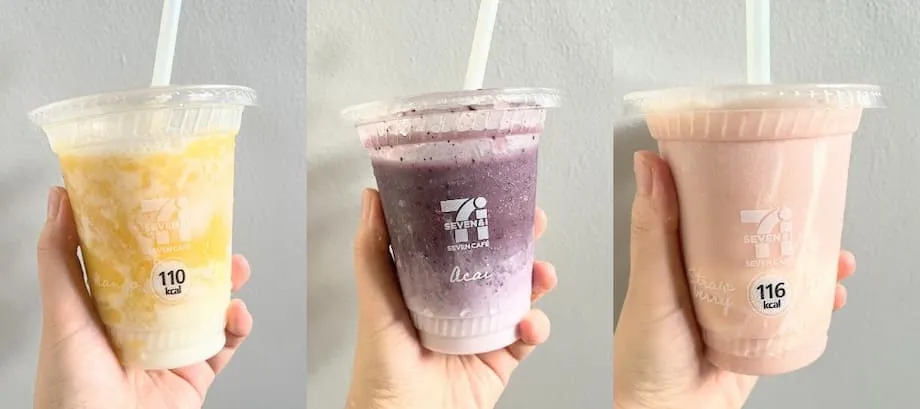
A 520 Yen Twist on the Convenience Store Smoothie
A 360 yen Mango smoothie and a 160 yen bottle of Meiji R-1 yogurt drink have become ingredients for one of Japan's most talked about convenience store combinations. Customers blend the smoothie at 7-Eleven, pour in the yogurt drink and stir. The result is a creamy, tangy drink resembling a lassi, the South Asian beverage made with yogurt.
Contents
- A 520 Yen Twist on the Convenience Store Smoothie
- How the Frozen Cups Become Freshly Blended Drinks
- Why Yogurt Changes the Mango Smoothie
- Other Combinations Bring Different Results
- Acai, Sweet Potato and a Coffee Discovery
- How the Starbucks Comparison Works
- Social Media Makes Everyday Products Shareable
- Why Visitors Are Seeking Out the Smoothies
- Nutrition Is Part of the Appeal
- From a 2022 Launch to a Viral Combination
- Key Points
As of August 20, 2025, the combination sits within a wider wave of experimentation with 7-Eleven's frozen smoothie cups. Customers are mixing different fruit flavors with yogurt drinks, trying carbonated soda and seeking out limited editions that turn an everyday purchase into something worth sharing online.
The appeal begins with a product that already invites customers to take part. A clear cup holds frozen ingredients, and a dedicated machine blends them in the store. Adding another drink gives shoppers a further opportunity to change the flavor and texture without preparing anything from scratch.
The Mango and R-1 combination costs 520 yen at the prices described, making the extra yogurt a noticeable part of the purchase. Its attraction is a different drinking experience: the sweetness of fruit balanced by yogurt's tartness, with a thicker, creamier character associated with a lassi.
Japan's convenience stores, commonly called konbini, have built a reputation for accessibility, quality and frequent product changes. The smoothie trend brings those qualities together with the social appeal of finding a combination that other people can easily try. Availability still depends on the branch, so finding the right machine and flavor can be part of the experience.
How the Frozen Cups Become Freshly Blended Drinks
7-Eleven Japan introduced its make it yourself smoothies in 2022, adding another attraction alongside its Seven Café drinks, especially coffee. The smoothie cups are stocked in the freezer section, often near ice creams rather than beside ready to drink beverages. That placement can make them easy to miss.
Each clear cup contains frozen fruit, yogurt and other ingredients, depending on the variety. Customers can see the contents before buying, then take the cup to a dedicated blending machine near the register. The process produces a freshly blended drink in under two minutes.
- Buy a frozen smoothie cup and scan its barcode at the machine.
- Remove the lid and place the cup inside.
- Press the button and wait while the machine blends the ingredients.
- Attach a lid, take a straw and enjoy the drink.
The range includes Mango and Acai Banana, alongside limited editions such as Sweet Potato Milk and Cafe Latte. The combination of visible ingredients and blending at the point of purchase helps distinguish the smoothies from drinks sold ready to open.
Many urban branches, particularly in Tokyo and other major cities, carry the smoothies. Customers discussing their purchases on Reddit have nevertheless noted that some stores lack the blending machines or stock only part of the range. More stores have been adding machines and expanding their selections as interest grows.
Why Yogurt Changes the Mango Smoothie
Meiji's R-1, a probiotic yogurt drink, is the best known addition in the viral combination. Customers buy it separately and add it after the smoothie has been blended normally. The extra step changes both the balance of flavors and the consistency of the finished drink.
Mango supplies sweetness and fruit flavor, while the yogurt drink adds a gentle sourness and creaminess. The comparison with a lassi gives readers a useful way to picture the result: a fruit and yogurt drink that feels richer than the smoothie alone, while remaining refreshing.
Customers sharing the combination have also highlighted a practical detail: the bottle's contents fit comfortably into the smoothie cup. That makes the experiment feel unusually convenient, as though the two products were intended to go together.
A SoraNews24 reporter who tried the Mango smoothie with R-1 described the flavor this way:
It really did taste like a lassi. The subtle tartness was refreshing and clean on the palate, and the fruity brightness fit the flavor profile so well we almost wished we had a curry to pair with it.
The method remains simple: blend first, pour in the R-1 and stir well. The yogurt drink is a customer addition to a finished smoothie, allowing people to adjust an existing product with a second purchase from the same store.
Other Combinations Bring Different Results
Acai Banana is another smoothie customers have paired with R-1. The combination has been described as light, fruity and refreshing, although it needs extra stirring because the yogurt drink tends to settle at the bottom. Mixing thoroughly matters if the aim is a consistent flavor from the first sip to the last.
Another reviewer highlighted the Acai Banana smoothie's nutritional value and described the addition of yogurt as bringing it closer to a café drink. Its appeal combines convenience with a sense of getting something more elaborate from familiar store products.
Strawberry Banana Soy has also been combined with 7-Eleven's own yogurt drink. That pairing has been described as rich and creamy, with the yogurt bringing out the fruit and soy flavors. Its filling texture makes it an appealing breakfast option for customers who prefer a more substantial drink.
Mitsuya Cider offers a different direction. Customers have poured the Japanese lemon and lime soda over the frozen smoothie cups to make a fizzy treat resembling a dessert. Berry-Berry-Yogurt with Mitsuya Cider was described as tangy and refreshing, while Mango-Pineapple with the soda was less successful for some tastes.
The reactions show how much the choice of ingredients matters. Yogurt drinks add creaminess and tartness; soda introduces fizz. A combination that suits one fruit mixture may be less appealing with another, leaving plenty of room for personal preference.
Acai, Sweet Potato and a Coffee Discovery
7-Eleven's changing smoothie selection gives customers reasons to look beyond the Mango combination. Limited editions and products found only in selected stores encourage shoppers to compare discoveries and share where they found them.
The Acai Banana Smoothie began as a test product before becoming a nationwide hit. It provides half a day's recommended iron and a third of the daily fruit requirement, with fewer than 100 kilocalories per serving. Those figures have helped make nutrition part of its appeal alongside its flavor.
Baked Sweet Potato Milk Smoothie takes the range in a more dessertlike direction. Made with real sweet potato cubes, it has a creamy flavor and a filling texture. The drink went viral in the Kanto region and became a sought after example of the chain's more unusual smoothie varieties.
Cafe Latte Smoothie has attracted attention as a secret menu item available at selected stores. It is blended from cubes with a caramel color and produces a rich, aromatic coffee drink reminiscent of 7-Eleven's established coffee range.
Limited availability adds urgency to these discoveries. A customer may visit for a familiar fruit smoothie and find a seasonal variety, while someone following a social media post may seek out a particular branch. No dates are given for future releases or wider availability of the more restricted varieties.
How the Starbucks Comparison Works
Starbucks offers another option for customers interested in acai drinks: the Banana Mango & Acai My Fruits³ Frappuccino. Its listed price of 770 yen is more than twice the 380 yen price of 7-Eleven's Acai Banana Smoothie.
The difference is 390 yen, slightly more than the price of the 7-Eleven drink itself. For someone deciding between the two, that gap makes price an immediate consideration alongside texture, flavor and customization.
Taste comparisons have generally favored Starbucks for flavor and texture, praising its creamy consistency and options for customization. The 7-Eleven smoothie has drawn praise for value, nutrition and freshness, particularly from customers looking for something quick and affordable.
7-Eleven's preparation process is part of that appeal. Customers see the frozen ingredients and watch the cup become a blended drink. The yogurt variation adds another choice, although the 520 yen Mango and R-1 combination has a different price from the 380 yen Acai Banana smoothie used in the Starbucks comparison.
Social Media Makes Everyday Products Shareable
TikTok and Instagram have helped spread the smoothie combinations through videos and posts showing what to buy and how the finished drink looks. The ingredients are familiar, the preparation is short and the change in texture is easy to demonstrate.
The smoothie hack fits a wider interest in personalizing convenience store food. Posts about matcha lattes, ice cream and coffee combinations have encouraged customers to experiment with products that are already readily available. A successful pairing gives people something new to share without requiring a complicated recipe.
7-Eleven's reputation for practical food with unexpectedly sophisticated flavors helps explain the response. Customers can start with a standard product, add an inexpensive extra and turn it into something closer to a café treat. The satisfaction comes partly from discovering the pairing themselves or trying a suggestion seen online.
The broader konbini trend includes combining pancakes and fried chicken for a Japanese take on chicken and waffles, or mixing ice cream with coffee for a rich morning treat. These combinations turn routine purchases into small experiments and give customers a reason to exchange ideas.
Sharing results also creates a sense of community around ordinary food. People can recommend a favorite mixture, compare a limited edition or explain why one combination tasted better than another. The smoothie trend benefits from that same cycle of discovery, imitation and adjustment.
Why Visitors Are Seeking Out the Smoothies
Foreign tourists have joined the interest in 7-Eleven's smoothie range. Berries & Yogurt Smoothie has been especially popular among visitors from Taiwan, Singapore and Thailand, adding an international audience to a product rooted in Japan's convenience store culture.
For travelers, the attraction combines an unusual purchase with a quick preparation process. A frozen cup becomes a drink inside the store, and the visible ingredients make the transformation part of the experience. Different flavors give visitors something concrete to compare and share.
7-Eleven has also introduced American style orange chicken and pancakes, reflecting an interest in products that can appeal across different tastes. Together with the smoothie range, those items have contributed to its reputation as a destination for travelers interested in Japanese convenience stores.
The uneven distribution of machines and flavors still matters. A visitor who sees a particular drink online may find a different selection at the nearest branch. Tokyo and other major cities offer many opportunities to find the smoothies, but customers cannot assume that every store has the same equipment or stock.
Nutrition Is Part of the Appeal
Many of the smoothies are presented as relatively low in calories, rich in vitamins and able to supply a substantial portion of daily nutritional needs. Acai Banana provides the clearest figures in the range described: fewer than 100 kilocalories, half a day's recommended iron and a third of the daily fruit requirement per serving.
R-1 adds a probiotic yogurt drink to the mixture. Probiotics are associated with potential benefits for digestion and immune support, which helps explain why some customers see the combination as appealing for reasons beyond taste. The amounts of calories, sugar and nutrients in the completed smoothie and yogurt mixtures are not given.
Customers interested in nutrition still have different reasons for choosing among the drinks. Acai Banana attracts attention for its iron and fruit content, Strawberry Banana Soy with yogurt is described as filling, and sweet potato offers a creamy option closer to dessert.
Growing interest in nutritious, convenient choices gives 7-Eleven a reason to keep developing the range. Its changing flavors, store blending machines and responsiveness to customer tastes place it in a strong position within Japan's convenience drink market, with potential interest beyond Japan as well.
From a 2022 Launch to a Viral Combination
The smoothie story has developed through a product launch, experimentation and wider sharing. Only some stages have specific dates, but the sequence helps explain how a standard convenience store drink became a platform for customer creations.
- 2022: 7-Eleven Japan introduced its make it yourself smoothies.
- After initial testing: Acai Banana grew from a test product into a nationwide hit.
- By August 20, 2025: Mango with Meiji R-1, other yogurt combinations and soda experiments had become part of the wider smoothie trend shared online.
7-Eleven supplies the frozen ingredients and the machine; customers supply the final variation. That combination of a dependable base and a small personal adjustment is central to the trend's appeal. A drink can be quick enough for an ordinary shopping stop while still feeling like a new discovery.
Key Points
- A 360 yen Mango smoothie combined with a 160 yen Meiji R-1 yogurt drink costs 520 yen and produces a drink resembling a lassi.
- 7-Eleven Japan introduced its smoothies in 2022, with machines blending frozen ingredients in under two minutes.
- Customers have also tried Acai Banana with R-1, Strawberry Banana Soy with 7-Eleven yogurt drink, and frozen smoothie cups with Mitsuya Cider.
- Acai Banana costs 380 yen, compared with 770 yen for Starbucks' Banana Mango & Acai My Fruits³ Frappuccino.
- Sweet potato and Cafe Latte varieties add to the interest, while machine availability and flavor selections vary by store.
- TikTok, Instagram and interest from overseas visitors have helped spread the smoothie craze.