A Taste of Japan Beside Yurakucho Station
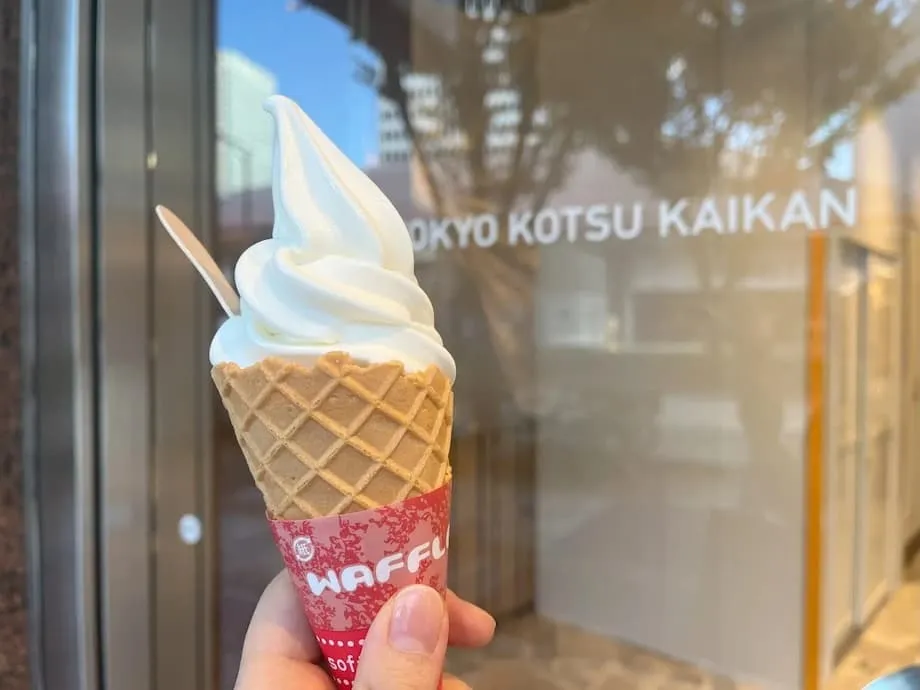
A Camembert cheese soft serve made with milk from Sado Island, an Okinawan swirl of mango and purple sweet potato, and Hokkaido's milk and melon flavors bring very different parts of Japan together at Tokyo Kotsu Kaikan. Just steps from JR Yurakucho Station, the shopping complex offers a way to sample regional specialties without making a journey across the country.
Contents
- A Taste of Japan Beside Yurakucho Station
- What Makes an Antenna Shop Different?
- Niigata's Camembert Soft Serve Draws Attention
- Okinawa Pairs Mango With Purple Sweet Potato
- Hokkaido's Dairy Specialties Fill Another Stop
- Nagasaki Sweets and Godiva Bread Broaden the Visit
- What Else Is on the Shelves?
- Why Regions Bring Their Products to Tokyo
- Planning a Visit Around Ginza and Yurakucho
- Key Points
As of August 19, 2025, its collection of antenna shops has become a draw for food lovers, travelers and social media users, with frozen treats attracting particular attention during the summer heat. The shops on the first floor and in the basement represent places stretching from Hokkaido in the north to Okinawa in the south.
Niigata's Camembert soft serve costs 400 yen for a full size cone or 300 yen for a mini, while Okinawa's Blue Seal mango and beni imo combination costs 440 yen. Hokkaido Dosanko Plaza adds familiar dairy flavors alongside cheese, yogurt, chocolate and baked goods. Together, the shops make a regional tasting trip possible within a single building.
Ice cream is only part of the attraction. Visitors can also find sweets from Nagasaki, sake from Joetsu-Myoko, Okinawan cookies and tarts, traditional crafts, and bread from Godiva's first bakery. The appeal lies in being able to move between these regional foods and compare them in one afternoon.
For people who grew up outside Tokyo, the shops can provide familiar tastes from home. For visitors discovering Japan, they offer an introduction to places and food traditions that might otherwise require a much longer itinerary.
What Makes an Antenna Shop Different?
Antenna shops are specialty stores established by local governments or regional cooperatives to promote products and culture from their home areas. Their purpose goes beyond selling individual foods: they introduce shoppers to a region through its ingredients, crafts and traditions.
Originally conceived as temporary events in department stores, antenna shops have developed into permanent stores. Their shelves can include rare sake, artisanal crafts, fresh produce and regional ice cream. Collectively, they give people a way to encounter the tastes and traditions of Japan's 47 prefectures without traveling long distances.
Tokyo's regional antenna shops are particularly concentrated around Ginza, Yurakucho and Shimbashi. That concentration makes it practical to visit several during a day of exploring the city. Tokyo Kotsu Kaikan brings a selection together under one roof near the station.
Local customers have long used these shops to find foods associated with their birthplace. Tourists are also drawn to the chance to explore regional differences in a single outing. A shop selling dairy products from Hokkaido and another selling sweets from Okinawa each presents a different part of the country's food culture.
Niigata's Camembert Soft Serve Draws Attention
Joetsu Myoko Yukiguni Shoten Niigata-shoku no Kura specializes in products from the snowy Joetsu-Myoko region, known for its food culture, sake and dairy products. Its Camembert cheese soft serve has become one of the building's most discussed frozen treats.
The soft serve uses fresh milk from cows on Sado Island and authentic Camembert cheese. Its appeal is the combination of a creamy texture, a gentle cheese flavor and a light finish. The shop reportedly sells more than 1,000 servings a month, and many visitors describe it as a treat worth seeking out.
The store manager at Yukiguni Shoten explained the ingredients and the response from customers:
Our Camembert soft serve is made using Sado Island's raw milk and authentic Camembert cheese. The result is a rich yet delicate flavor that surprises first-time customers and keeps them coming back.
A full size cone costs 400 yen, while the mini costs 300 yen. The smaller serving is 100 yen less, giving visitors a lower priced option when they plan to taste foods from several shops. The Camembert soft serve is exclusive to this Tokyo location.
Okinawa Pairs Mango With Purple Sweet Potato
Next door, Ginza Washita Shop Honten brings Okinawan ingredients into focus with Blue Seal Mango & Beni Imo soft serve. Blue Seal is a beloved Okinawan ice cream brand, and beni imo is purple sweet potato.
The combination has attracted attention on social media for its vivid colors and the way its two flavors work together. Mango provides a bright aroma and fruit flavor, while the purple sweet potato contributes gentle sweetness and a creamy texture. Despite the richness of the sweet potato, the finish is described as clean and refreshing.
Ordering involves a simple ticket system. Visitors choose a ticket for their desired flavor at the back of the shop, then exchange it at the counter for a freshly swirled cone. At 440 yen, the mango and beni imo combination offers a taste of Okinawa without a flight to the southern islands.
The shop also carries chinsukou cookies and beni imo tarts. Those products let visitors explore Okinawan sweets beyond the ice cream counter, including another use for the same purple sweet potato featured in the soft serve.
Hokkaido's Dairy Specialties Fill Another Stop
Hokkaido Dosanko Plaza draws on the northern region's reputation for dairy products. Its soft serve includes popular milk and melon flavors, praised for their creamy texture and natural sweetness.
The shop provides another point of comparison within the building: visitors can move from Niigata's cheese flavored soft serve or Okinawa's fruit and sweet potato combination to Hokkaido's milk and melon choices. Each stop puts a different regional ingredient or specialty at the center of the experience.
A recent visitor, whose name was not given, described the Hokkaido Dosanko Plaza soft serve in a customer comment:
The soft serve here is incredibly smooth and not too sweet—just the way I like it. It's a little taste of Hokkaido right in the middle of Tokyo.
Hokkaido Dosanko Plaza is open daily from 10:00 AM to 8:00 PM. Its shelves also carry cheese, yogurt, chocolates and baked goods, making it a stop for both immediate treats and products to take away. The shop is popular with local customers and tourists alike.
Nagasaki Sweets and Godiva Bread Broaden the Visit
Yurakucho Hirado Shokan, in the basement, specializes in Nagasaki's casdoce. The confection is made by soaking castella cake in egg and coating it with coarse sugar, producing a sweet that recalls French toast.
Casdoce is described as rich without being overly sweet. Its texture is closer to a thick omelet than a conventional cake, giving visitors a different experience from the soft serve counters upstairs. The preparation helps explain that contrast: the cake is transformed by the egg coating rather than simply served as a slice of sponge.
Godipan adds bread to the choices. The world's first bakery from Belgian chocolate company Godiva sits alongside the regional shops and serves more than 30 varieties of bread. Many include chocolate or local Japanese ingredients.
Alternating between freshly baked bread and ice cream has become a popular way to spend an afternoon at the complex. Visitors looking for more than a single dessert can combine the bakery with regional sweets and other foods, turning a quick stop near the station into a longer tasting visit.
What Else Is on the Shelves?
Niigata, Okinawa and Hokkaido each offer foods beyond their frozen treats. The selection includes savory seasonings, sweets and regional sake, allowing shoppers to take some of the experience home.
- Niigata's Kanazuri flavored snacks feature a traditional spicy seasoning made with chili peppers, yuzu and koji.
- Ginza Washita Shop carries Okinawan chinsukou cookies and beni imo tarts.
- Hokkaido Dosanko Plaza sells Royce Nama Chocolate and Rokkatei's Marusei butter biscuit sandwiches.
- Joetsu-Myoko's selection includes rare local sake that is often unavailable elsewhere in the Kanto region.
Each shop selects products to showcase its home region, with new goods and seasonal specialties appearing regularly. Crafts, ceramics and other traditional goods sit alongside food in many shops, giving visitors souvenir choices beyond something to eat or drink.
The range also explains why a visit can appeal to people with different interests. One person may come for a cone, another for sake, and another for a regional sweet or a piece of craftwork. The shops connect those purchases to particular places rather than presenting them as interchangeable souvenirs.
Why Regions Bring Their Products to Tokyo
Local governments and regional cooperatives use antenna shops to introduce their areas to the capital's large audience. For prefectures facing depopulation or economic challenges, the stores are a way to promote local products and encourage tourism.
The shops also respond to a desire to preserve regional identities in an increasingly urbanized society. Foods, crafts and traditions can remain visible to people living far from the places where they originated. For someone who has moved to Tokyo, a familiar regional product can offer a connection to home.
Tokyo's regional souvenir shops can also provide information about festivals, crafts and tourism. Some host tasting events, craft workshops and seasonal fairs, giving visitors ways to engage with a region beyond buying a packaged product.
A cultural analyst, whose name was not given, described the wider role of antenna shops:
Antenna shops are more than just stores—they are living museums of regional culture, offering a taste of home for those far from their birthplace and a window into Japan's rich diversity for everyone else.
At Tokyo Kotsu Kaikan, that role is visible in the range of goods gathered around the ice cream counters. A frozen dessert can be the reason for entering a shop, while sake, crafts or tourism information introduces more of the place it represents.
Planning a Visit Around Ginza and Yurakucho
Tokyo Kotsu Kaikan's central location near Ginza and direct access from Yurakucho Station make it a convenient starting point for exploring regional foods. Visitors can move between shops on the first floor and in the basement without making separate journeys across Tokyo.
The complex is open daily, and most shops operate from late morning to early evening. Hokkaido Dosanko Plaza's stated hours are 10:00 AM to 8:00 PM each day. Individual shops have their own schedules, so those hours should guide a visit to that store specifically.
Most antenna shops primarily serve Japanese customers, although English support is gradually improving, especially in larger stores and areas popular with tourists. Credit cards are widely accepted, and many shops provide takeout options.
The practical choices are straightforward: choose a mini or full size Camembert cone at the Niigata shop, collect a flavor ticket before approaching the Okinawan soft serve counter, or combine Hokkaido ice cream with packaged sweets to take away. Bread, casdoce, sake and crafts provide further reasons to explore beyond the most photographed cones.
Key Points
- Tokyo Kotsu Kaikan, beside JR Yurakucho Station, gathers regional antenna shops on its first floor and in its basement.
- Niigata's Camembert soft serve uses Sado Island milk, costs 400 yen for a full size cone or 300 yen for a mini, and reportedly sells more than 1,000 servings monthly.
- Ginza Washita Shop Honten serves Blue Seal mango and beni imo soft serve for 440 yen.
- Hokkaido Dosanko Plaza offers milk and melon soft serve and opens daily from 10:00 AM to 8:00 PM.
- Nagasaki casdoce, more than 30 varieties of bread at Godipan, regional sake and traditional crafts extend the choices beyond ice cream.
- Antenna shops promote regional products, culture and tourism while giving residents and visitors access to tastes from across Japan.