More Than 2,000 Restaurants Close in a Year
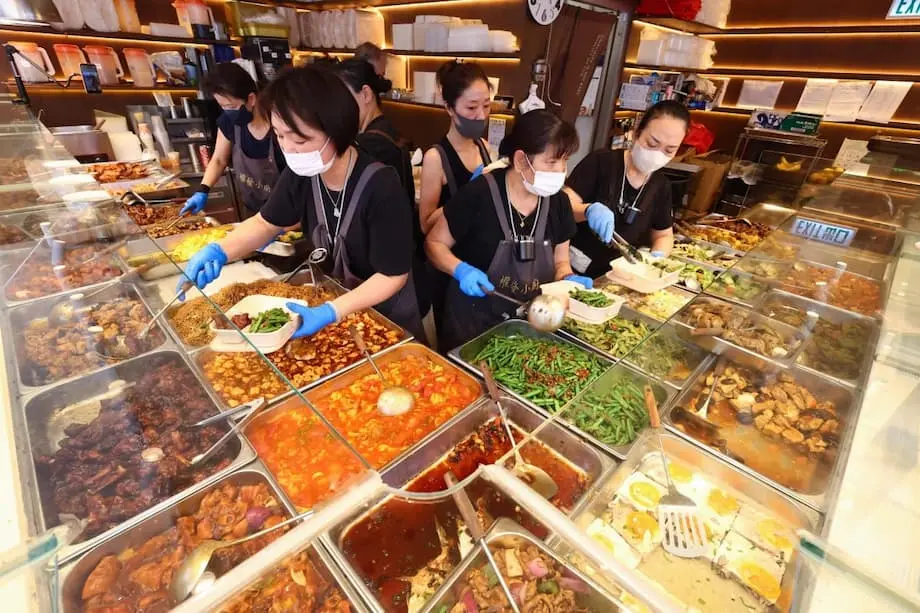
Hong Kong had 17,154 restaurant licences in April 2025, down by 255 from a year earlier, according to the Food and Environmental Hygiene Department. Behind that decline was a much larger turnover: 2,034 restaurants closed during the year, while 1,779 opened.
Contents
- More Than 2,000 Restaurants Close in a Year
- Why Falling Rents Have Not Ended the Pressure
- Established Chains and Their Staff Feel the Strain
- Shenzhen Draws Spending Across the Border
- Crossing the Border Is Also a Social Shift
- Customers Choose Cheaper Meals and Smaller Outlets
- Delivery Workers Adjust After Deliveroo's Exit
- Closures Leave Workers and Neighbourhoods With Losses
- Mainland Restaurants Face Their Own Difficulties
- A Retail Rebound Leaves Spending Below Earlier Levels
- How Restaurants Are Trying to Stay Open
- Key Points
The figures capture the pressure facing a city known for its busy restaurants and varied food culture. New businesses are still entering the market, but openings are falling short of closures. Established chains, neighbourhood favourites and prominent restaurants have all struggled with weaker spending, expensive premises and customers increasingly choosing to eat elsewhere.
By August 11, 2025, the strain extended beyond restaurant owners. Employees of businesses that shut suddenly were seeking unpaid wages and compensation, while communities were losing familiar places to gather. Ocean Empire Congee, a chain with 33 years of history, and King Parrot Group, which once operated more than 30 themed restaurants, were among the names caught in the downturn.
Hong Kong's wider economy offered little reassurance. Retail sales had fallen for 14 consecutive months before a modest rebound in mid-2025. The unemployment rate stood at 3.5%, its highest level in 30 months, weakening consumer confidence and willingness to spend.
Several pressures are meeting at once. Residents are travelling to Shenzhen for cheaper meals and shopping, households are choosing less expensive dining options, and restaurants must still pay rent and wages even when tables are empty. Habits formed during the COVID-19 pandemic, including eating at home, have also made the recovery more difficult.
Why Falling Rents Have Not Ended the Pressure
Hong Kong restaurants face a difficult calculation: customers want lower prices, but the cost of keeping a business open remains high. Rent and wages take up money before an owner can earn a profit from meals sold.
Street rents have fallen to levels last seen in 2003. Yet many landlords remain reluctant to reduce charges enough to make restaurant operations sustainable. Some property owners have also been slow to offer meaningful rent reductions or allow struggling tenants to defer payments, even as foot traffic and sales decline.
Restaurants with substantial fixed costs have little room to adjust. A quieter week reduces income, while the bill for the premises still arrives. Cutting menu prices may attract customers, but it also reduces the money left from each sale to cover those costs.
The pandemic added another lasting change. Even after restrictions eased, some residents continued eating at home or looking for new experiences elsewhere. Restaurants trying to rebuild their customer base have therefore faced both economic pressure and a shift in how people spend their leisure time.
Owners say the combination makes experimentation difficult. Offering cheaper meals or trying a different menu costs money, and businesses already struggling with rent may have little capacity to absorb a failed attempt.
Established Chains and Their Staff Feel the Strain
Ocean Empire Congee and King Parrot Group both cited financial pressures and changing consumer behaviour as reasons for their demise. Their closures showed how difficult conditions had become even for brands with long histories and loyal customers.
Staff from both groups sought assistance from labour authorities to recover unpaid wages and other entitlements. For employees, a restaurant's closure can mean losing both their next pay cheque and money already earned.
Aron Kwok Wai-keung, a lawmaker representing the labour sector, urged employers facing possible closure to prepare for their obligations to staff:
Business owners facing hardship should plan ahead if they are at risk of closure to ensure employees receive their wages.
The warning places workers' pay at the centre of decisions about shutting a business. Planning ahead matters because employees depend on wages for their daily expenses, while sudden closures can leave them having to pursue claims after their workplace has disappeared.
Shenzhen Draws Spending Across the Border
Hong Kong residents have increasingly travelled to Shenzhen and other mainland cities for meals, shopping and entertainment since borders reopened and COVID-19 restrictions were relaxed. Immigration figures showed more than 93 million trips in 2024, a 48% increase from the previous year.
Price is a major attraction. Shenzhen's cost of living is estimated to be about 50% lower than Hong Kong's, with everyday purchases, including coffee and restaurant meals, available more cheaply. For households watching their budgets, travelling north can offer a less expensive day out.
Mainland cities also attract customers with a wider range of products and dining choices, including more modern or innovative concepts. Improved transport links make day trips and weekend visits easier, reducing the effort needed to spend leisure time across the border.
Hong Kong restaurants have felt the loss of spending. Restaurant business has been reported to fall by 20% during holidays, alongside accounts of hundreds of eateries closing each month. Large chains and nightlife venues are among the businesses struggling to bring back customers who increasingly spend their money elsewhere.
The appeal of cheaper dining presents a difficult challenge for local operators. Hong Kong restaurants are competing for the same household budgets while carrying costs that can limit how far they can lower prices.
Crossing the Border Is Also a Social Shift
Travel to the mainland reflects more than a search for cheaper meals. It is part of closer connections between Hong Kong and neighbouring mainland cities within the Guangdong-Hong Kong-Macao Greater Bay Area.
Mainland entertainment trends and social media platforms are becoming more popular in Hong Kong. Surveys also show a growing emotional attachment to China among older residents, adding a social dimension to the increase in visits.
For many residents, going north offers an escape from daily pressures as well as relief from Hong Kong's rising costs and political tensions. Shopping, dining and entertainment become part of the same trip.
Local restaurants consequently face a change in where customers want to spend time, alongside a change in what they are willing to pay. A familiar restaurant is competing with a whole outing that combines food, shopping and other experiences.
Customers Choose Cheaper Meals and Smaller Outlets
Hong Kong diners are becoming more conscious of price as economic uncertainty persists. The trend described as "consumption downgrade" means choosing a less expensive purchase or meal instead of a more costly one.
Fast food chains, casual eateries and restaurants with lower prices are thriving, while establishments in the middle and upper price ranges face declining patronage. Customers are placing greater weight on value and necessity than on luxury or novelty.
Industry observers describe this as part of a broader move towards conscious consumption: people think more carefully about whether a purchase is worth the money. For restaurants, that changes the balance between attracting customers with an experience and persuading them that a meal is affordable.
Small outlets such as drink shops and bakeries have become more common. Their lower operating costs can make it easier to adjust to demand than a larger restaurant with more space and staff to pay for.
The shift gives some businesses opportunities even as others close. Hong Kong's 1,779 restaurant openings during the year to April 2025 show continuing activity, although that total remained below the 2,034 closures.
Delivery Workers Adjust After Deliveroo's Exit
Food delivery has faced its own upheaval. Deliveroo's closure of its Hong Kong operations illustrated the difficulties of competing in a market where businesses may retain only a small amount from each transaction after paying their costs.
Some riders and customers moved to Foodpanda or Meituan's Keeta. Competition between platforms remained intense, while workers could switch to another service to continue making deliveries.
Tam Yuen, a veteran food delivery rider, described the response among riders and his view of Deliveroo's pay:
Deliveroo's pay is not attractive at all. When it was announced they were leaving, most riders were unfazed and simply switched to other platforms.
Riders' ability to change platforms contrasts with the position of restaurant owners tied to premises, staff and other operating commitments. Many owners lack the resources or flexibility to change their business quickly when customers' habits move in a different direction.
Closures Leave Workers and Neighbourhoods With Losses
Hong Xing Chinese Restaurant's last branch in Mong Kok closed with about 20 employees owed wages, annual leave payments and notice pay. Those are different parts of an employee's entitlement: pay for work, money related to leave, and compensation connected to the notice required when employment ends.
Labour unions have helped affected workers file claims and seek payment through the government's wage protection fund. Sudden shutdowns can leave employees without warning or adequate compensation, creating immediate financial hardship while claims are pursued.
Neighbourhoods also lose places where families and friends meet. Longstanding restaurants are part of everyday community life, and their disappearance changes the character of the streets around them.
A Hong Kong resident writing on a popular forum expressed frustration about closures, affordability and landlords:
It's depressing to hear about all the places shutting down... I wonder why restaurants and bars aren't adapting faster to the changing crowds with more pocket-friendly prices. My guess is that it's primarily the landlords who keep jacking up rent and make it unaffordable to experiment.
Many owners share the feeling of being constrained by fixed costs and insufficient support from landlords and policymakers. The pressure to make meals cheaper can be especially difficult when the largest expenses cannot be reduced quickly.
Mainland Restaurants Face Their Own Difficulties
Mainland China has also experienced widespread restaurant closures. A record 3 million restaurants shut nationwide in 2024, while monthly closure rates in major cities, including Beijing and Shanghai, exceeded 10%.
In Beijing, the average lifespan of a restaurant fell to just one year. Fierce price competition and deflation, meaning falling prices, pushed operators to reduce costs and lower quality in an effort to stay open.
Academic research found that restaurants with strong brands, higher prices and prime locations were more resilient. Newer businesses, independent restaurants and outlets charging lower prices were especially vulnerable. Many businesses continued struggling after pandemic restrictions ended.
Hong Kong's growth in affordable dining therefore sits alongside a warning from the mainland: attracting customers with low prices can be difficult to sustain when competition keeps pushing prices down.
Mainland experience also points to possible adaptations, including digital commerce, selling through both physical and online channels, and technology that helps businesses manage operations. High rents, weak domestic demand and intense competition remain difficult problems even when businesses change how they work.
A Retail Rebound Leaves Spending Below Earlier Levels
Hong Kong authorities and industry groups have tried to encourage residents and visitors to spend locally. Night Vibes Hong Kong aims to revive nightlife, while shopping festivals, large events and promotional campaigns seek to increase foot traffic and consumer confidence.
Visitor numbers are approaching levels seen before the pandemic, but spending remains subdued. Retail sales rose by 2.4% from a year earlier in May 2025 to HK$31.3 billion, ending a period of sustained weakness with a modest improvement.
May's sales total was still only about 77% of the level recorded in May 2018. Put another way, retail spending was roughly 23% below that earlier benchmark. Retailers and restaurant operators say more people passing through an area have not necessarily brought higher sales.
The main dated developments show how a small recovery in spending has followed a prolonged period of pressure:
- May 2018: The earlier retail sales benchmark against which May 2025 spending amounted to about 77%.
- 2024: Cross border trips exceeded 93 million, up 48% from the previous year; mainland China recorded 3 million restaurant closures.
- April 2025: Hong Kong had 17,154 restaurant licences, 255 fewer than a year earlier, after 2,034 closures and 1,779 openings.
- May 2025: Retail sales rose 2.4% from a year earlier to HK$31.3 billion, following 14 consecutive months of declines before the rebound in mid-2025.
The effectiveness of the spending campaigns remains uncertain. Restaurants need customers who buy meals, rather than simply larger crowds in shopping and entertainment districts.
How Restaurants Are Trying to Stay Open
Industry advice centres on giving customers a reason to choose a local restaurant while controlling the cost of serving them. A distinctive menu and consistent quality can help a business compete with alternatives across the border.
Digital platforms and technology can help restaurants reach customers and manage operations. Partnerships with mainland businesses or suppliers may give operators access to wider markets and resources.
Owners also face pressure to respond to demand for affordable dining. That can mean changing the menu or the experience to suit customers who are spending more carefully, while ensuring that sales still cover rent, wages and other expenses.
Hong Kong's restaurant contraction brings those choices into focus. The city continues to attract new operators, but businesses are closing faster than replacements are opening. Workers need their wages protected when employers shut, and surviving restaurants need enough paying customers to make their operations viable.
Adaptation, new business approaches and policy support are central to the industry's effort to recover. High costs, weaker spending and the appeal of mainland trips continue to shape what restaurants can afford to do.
Key Points
- Hong Kong recorded 2,034 restaurant closures and 1,779 openings in the year to April 2025, leaving 17,154 licences, a net decline of 255.
- Ocean Empire Congee and King Parrot Group closed amid financial pressure and changing customer habits, with staff seeking unpaid wages and entitlements.
- More than 93 million cross border trips in 2024, up 48%, reflected growing demand for mainland shopping, dining and entertainment.
- High operating costs, habits formed during the pandemic and more careful household spending are squeezing local restaurants.
- Deliveroo's Hong Kong exit prompted some riders and customers to move to Foodpanda and Meituan's Keeta.
- May 2025 retail sales rose 2.4% to HK$31.3 billion, but remained at about 77% of May 2018 levels.
- Spending campaigns, affordable menus, digital services and business partnerships are among the responses to the downturn.