Familiar Flavors Beside Ikebukuro Station
At 1-1-4 Higashi-Ikebukuro in Tokyo's Toshima Ward, Takase Ikebukuro Honten continues a baking tradition that began in 1920. Just a minute's walk from the east exit of Ikebukuro Station, the shop sells around 70 varieties of bread alongside cakes and sweets, with familiar recipes at the center of its appeal.
Contents
- Familiar Flavors Beside Ikebukuro Station
- From a Baker's Shop to a Lasting Address
- A Shop Shaped by Postwar Recovery
- Why the Almond Tuiles Matter
- Anpan, Casino and the Promise of Consistency
- How Western Sweets Found a Japanese Audience
- Three Floors for Bread, Coffee and a Meal
- A Familiar Place Across Generations
- Key Points
Its anpan recipe has remained unchanged since the business began. Its almond tuiles have been a shop classic for more than 50 years. For customers who return seeking a flavor they remember, those products are part of what makes Takase a dependable stop in a city that has changed around it.
As of July 12, 2025, the business has grown to five locations in Ikebukuro, Itabashi and Sugamo. The main shop remains more than a place to buy bread: a cafe occupies the second floor, and a restaurant serving Western-style dishes sits on the third.
Takase's history includes wartime destruction, rebuilding and the rapid modernization of Tokyo. Its continued presence reflects both its ability to adapt and its commitment to keeping the tastes that regular customers expect. Visitors come from across Japan, while local customers have made the shop part of daily routines and special occasions.
The nostalgic signage, aroma of freshly baked sweets and familiar displays connect those different uses of the shop. Someone buying a favorite bun and someone sitting down for a meal enter the same business, whose relationship with Western-style food stretches back more than a century.
From a Baker's Shop to a Lasting Address
Takase's founder trained as a baker and opened the original shop in another part of Ikebukuro in 1920. Western-style sweets were still a novelty in Japan, making the business part of a developing appetite for foods adapted from European baking traditions.
In 1935, the shop moved to its present address at 1-1-4 Higashi-Ikebukuro. That relocation placed it at the site that would become central to its identity, close to the station and the movement of customers through the neighborhood.
World War II brought destruction to much of Tokyo. Takase's building was destroyed in air raids, and the business rebuilt soon after the war ended. The replacement building still stands, linking the present shop to the years of recovery.
The shop's name was also changed to Takase, honoring the founder's hometown in what is now Mitoyo, Kagawa Prefecture. The name carries that connection to the founder's origins alongside the business's long association with Ikebukuro.
- 1920: The founder, a trained baker, opened the original shop in Ikebukuro.
- 1935: The business moved to its current address in Higashi-Ikebukuro.
- World War II: Air raids destroyed the shop building.
- Soon after the war: Takase rebuilt in the building that remains in use.
- By July 12, 2025: The business had expanded to five locations in Ikebukuro, Itabashi and Sugamo.
A Shop Shaped by Postwar Recovery
Tokyo's postwar years brought scarcity and hardship, together with a determination to rebuild. Takase's reopening formed part of that recovery, restoring a small business and a familiar place for the surrounding community. The rebuilt shop became a symbol of hope and continuity.
Makoto Kojima, the current manager, describes an atmosphere that has stayed close to the shop's postwar character:
I don't think the feel of the shop has changed much from the time just after the war's end.
The interior's retro appearance and well-worn display boards help explain that observation. Longtime patrons encounter surroundings that feel familiar, while new visitors see a shop whose character has developed across decades.
Tokyo's modernization brought chain stores and international brands, and many traditional shops disappeared. Takase expanded while retaining its core identity. Its handmade sweets and older surroundings provide a contrast to the city's fast pace and high technology.
Why the Almond Tuiles Matter
Takase's glass showcases hold cakes and sweets, while its bread shelves offer around 70 varieties. Each item is made by hand, reflecting a commitment to traditional methods, quality ingredients and classic flavors.
The almond tuiles are among its most popular products. A tuile is a baked sweet associated with a delicate French wafer, but Takase's version is heartier. It combines a fragrant almond aroma and crisp texture with the rich sweetness of butter and fresh cream.
The sweet has remained a shop classic for more than 50 years. For customers who remember it from earlier visits, its value lies partly in finding the same taste again.
Kojima, explaining the almond tuiles' place in the shop and the loyalty they inspire, says:
Many older folks come here for just this taste. It's the shop's trademark.
The product brings Takase's approach into focus: a Western confection has taken on a particular form at the shop, and that form has become familiar enough for customers to seek it out over decades.
Anpan, Casino and the Promise of Consistency
Anpan offers another connection to Takase's earliest years. The round bun contains sweet red bean paste, and its recipe has remained unchanged since the shop's founding in 1920. Maintaining that recipe is part of the business's commitment to authenticity.
Casino, a black-and-white bread with a creamy filling, is another longtime bestseller. Like the anpan and almond tuiles, it has become a favorite across generations.
Kojima describes the responsibility that comes with selling foods people remember. Customers arrive expecting a particular taste, and the shop aims to keep providing it:
When customers come here, they're expecting that taste to be waiting here for them. We want to keep meeting their expectations,
Takase's philosophy places returning customers at the center of its decisions. Familiarity is part of the product: the bun or sweet matters because of how it tastes now and because it recalls earlier visits.
That expectation helps explain why preserving recipes has remained important as the business has grown. Five locations give the company a wider presence, while its established products keep a connection to the original shop's baking traditions.
How Western Sweets Found a Japanese Audience
Western-style sweets, known in Japan as yogashi, began arriving in the late 19th and early 20th centuries as the country opened to foreign influences during the Meiji era. Takase opened within the longer development of that changing food culture.
Bakeries such as Takase adapted European recipes to Japanese tastes, often using local ingredients and less sugar. Customers encountered foods with roots abroad in forms shaped for the people buying them in Japan.
Over the following decades, Western-style bakeries became fixtures in Japanese cities. Their ranges extended from pastries filled with cream to elaborately decorated cakes, making these foods a familiar part of urban life.
Takase maintained a balance between innovation and tradition, keeping its products familiar while ensuring they remained fresh. Its almond tuiles illustrate how a European sweet could develop a distinct identity within a Japanese bakery, while its anpan combines bread with sweet red bean paste.
Three Floors for Bread, Coffee and a Meal
The ground floor of Takase Ikebukuro Honten is devoted to the bakery, where displays of bread, cakes and sweets greet customers alongside the smell of fresh baking. Visitors can buy something to take away before continuing through the neighborhood.
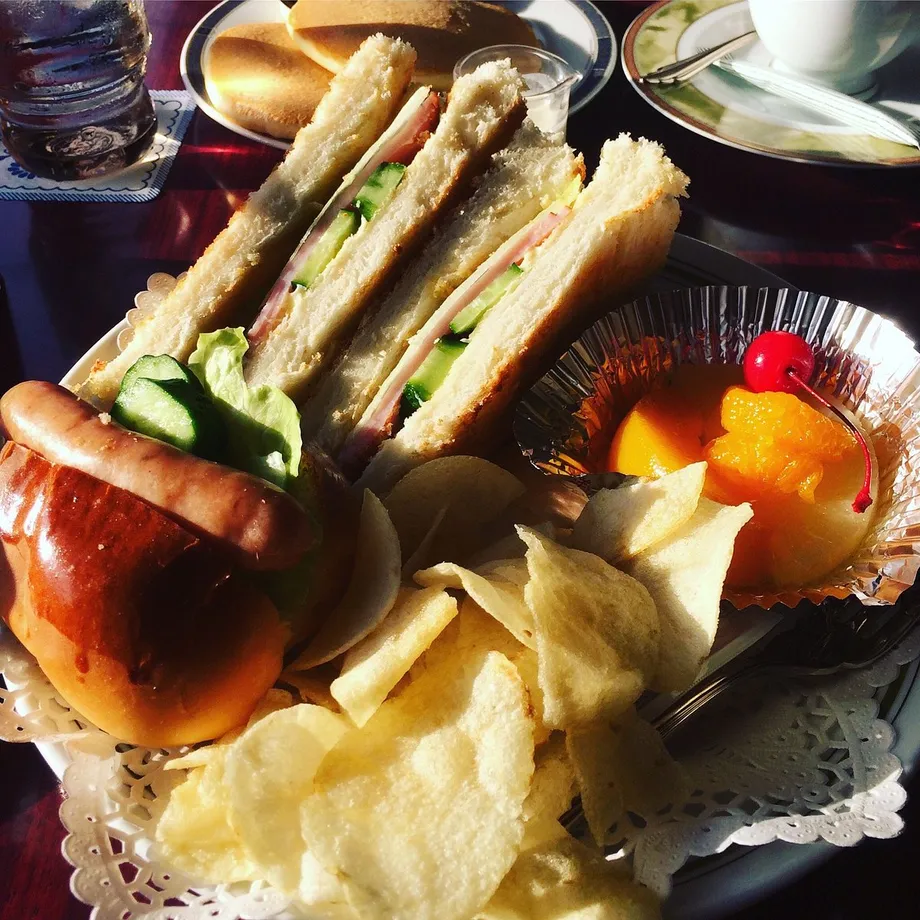
The second floor houses a cozy cafe where customers can sit with cake and coffee. The third floor restaurant serves hearty Western-style dishes, including the popular hamburger steak, continuing the shop's connection with Western cuisine beyond its baked goods.
The shop opens every day of the year, from 9 a.m. to 9 p.m. Its location a minute from Ikebukuro Station makes it accessible to local residents, commuters and tourists, bringing a steady flow of visitors.
Some customers stop in as part of their everyday routines; others come for a special occasion. The combination of bakery, cafe and restaurant allows the same address to serve those different purposes, from a quick purchase to a longer visit over food and coffee.
A Familiar Place Across Generations
Older patrons return for flavors associated with their youth. Younger visitors are drawn to the retro atmosphere and displays suited to sharing on Instagram. Those different attractions bring generations into the same shop.
Staff members often build lasting relationships with regular customers. Alongside the recipes and interiors, those personal connections contribute to a sense of community and continuity.
Takase also holds a place in Tokyo's culinary heritage, reflecting the spirit associated with the city's Shitamachi, or old downtown, neighborhoods. Its story brings together small business survival, adaptation and the role familiar food can play in a changing community.
The business's expansion shows that preserving an identity can accompany growth. Across its five locations, Takase has kept its focus on quality and customer loyalty, while the main shop retains the atmosphere that Kojima connects to the years just after the war.
For many visitors, a purchase at Takase is more than a way to satisfy a craving for something sweet. The familiar recipes, handmade food and enduring surroundings offer a connection to the past through the simple pleasure of eating something remembered.
Key Points
- Takase was founded in 1920 and moved to 1-1-4 Higashi-Ikebukuro in 1935.
- Air raids destroyed its building during World War II; the shop rebuilt soon after the war.
- Signature products include almond tuiles, anpan with an unchanged recipe and Casino bread.
- The main shop offers around 70 varieties of bread, a cafe and a restaurant.
- Takase has five locations in Ikebukuro, Itabashi and Sugamo.
- The main shop is a minute's walk from Ikebukuro Station and opens daily from 9 a.m. to 9 p.m.