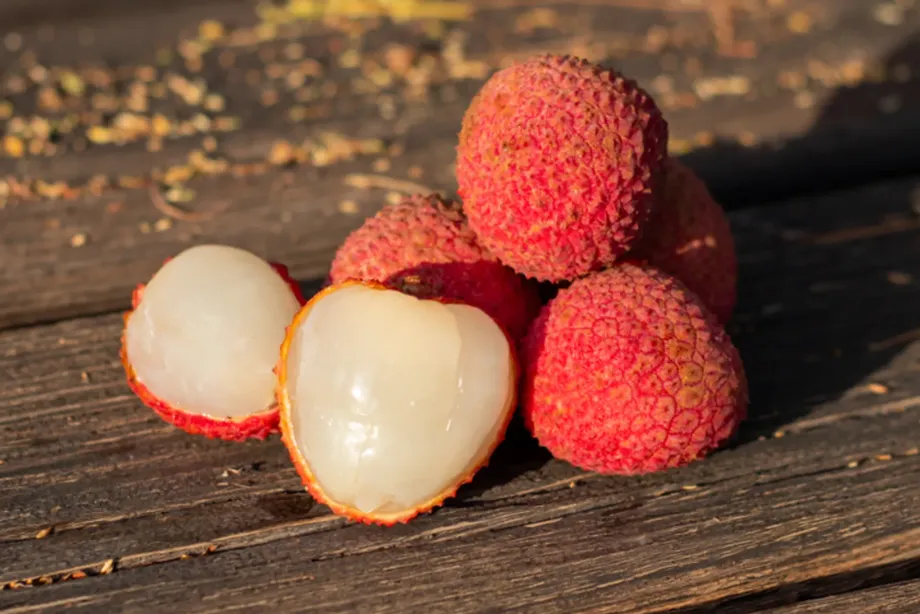
A Chinese Fruit Finds a Seasonal Home in Mexico
Mexico produced more than 26,000 metric tons of lychee in 2023, with cultivation spread across 13 states and most of the harvest destined for North America, particularly the United States. Behind those figures is a much older journey: a fruit brought from China that became a familiar seasonal pleasure for Mexican families.
Contents
- A Chinese Fruit Finds a Seasonal Home in Mexico
- From Migrants' Gardens to Commercial Orchards
- What Shapes Mexico's Harvest?
- Why the United States Matters to Growers
- Guangdong's Much Larger Lychee Industry
- How Refrigeration Extends a Short Season's Reach
- A Taste of Home Across Borders
- Packaging for Shoppers Who Have Never Tried Lychee
- Growth Depends on Orchards, Weather and Delivery
- Key Points
Every year, China's summer coincides with Mexico's rainiest season. Amid the showers, lychees appear on Mexican street corners and in busy markets. Their sweet flesh may surprise visitors who associate the fruit with southern China, but many local households have long welcomed their arrival.
Liliana, a 37-year-old engineer from Veracruz, described the place lychees have held in her family's life:
They've always been a special treat in our home every year since my childhood.
Her recollection captures how thoroughly a fruit associated with Chinese migration has become part of local seasonal routines. Its history connects private gardens in Mexico, commercial orchards, American grocery shelves and the large growing regions of Guangdong province.
Mexican growers now face a practical challenge alongside that cultural success. Demand is increasing, but the harvest lasts only a few weeks between May and July. Weather affects flowering, new orchards are expanding slowly, and fruit headed abroad must arrive before its freshness fades.
China remains the world's leading lychee producer, with the scale, varieties and transport systems to supply distant buyers. Mexico's position rests partly on its proximity to the United States. Both countries are trying to turn a brief harvest into a wider market for a delicate fruit.
From Migrants' Gardens to Commercial Orchards
Lychee's arrival in Mexico is generally traced to Chinese migration in the late 19th century. Hundreds of Chinese workers came to the country, and many settled in Sinaloa on the northwest coast. Local legend holds that migrants carried lychee seeds from their homeland and gave the first trees to Sinaloa's governor.
Some accounts place lychee trees in Mexico more than a millennium ago. The more widely accepted account connects the spread of cultivation to Chinese migration during the 1800s. The gift to the governor remains part of local tradition surrounding that history.
For decades, trees grew in private gardens and small orchards. They provided fruit while preserving a living connection with the places migrants had left behind. Commercial cultivation began to take off in the 1970s, bringing lychee into a broader agricultural and retail market.
The main stages of that journey stretch across more than a century:
- Late 19th century: Chinese migrants arrived in Mexico, with many settling in Sinaloa, where local tradition links them to the introduction of lychee seeds.
- 1970s: Commercial lychee farming began to expand after decades of cultivation in gardens and small orchards.
- 2020: Guangdong province produced approximately 1.3 million metric tons of lychees.
- 2023: Mexico produced more than 26,000 metric tons.
- 2025: Dianbai District in Maoming recorded more than 2,600 metric tons of lychee exported and processed.
What Shapes Mexico's Harvest?
Veracruz, Puebla, Oaxaca and Sinaloa are among the 13 Mexican states growing lychee. The fruit has become a valued seasonal delicacy, although the growing calendar gives producers only a narrow window to pick and sell it.
Lychee trees need a few days of low temperatures to encourage flowering. Flowers are the stage that comes before fruit, so weather that disrupts flowering can affect the size of the eventual harvest. Conditions before the picking season therefore matter as much as the weather when fruit reaches the market.
Many Mexican lychee trees are more than a century old and still produce well. New acreage, however, is expanding more slowly than industry leaders would like. Rising demand has not been matched by an equally rapid increase in production.
Mexican producers have adopted modern agricultural practices and food safety certifications to meet buyers' requirements. Those efforts sit alongside changes in packaging and retail presentation, all intended to deliver fruit in good condition and make it easier to sell beyond its traditional customer base.
Why the United States Matters to Growers
The United States is the main destination for Mexico's lychee exports. The fruit commands premium prices there, and grocery platforms often present it as a luxury purchase. A short season gives buyers little time to find and enjoy it.
An online grocery reviewer described both the appeal of the fruit and the variation shoppers can notice between harvests:
Not as sweet as last year's, but still the best I can find in the US market. The season is short, just a few weeks. It is worth savoring while it lasts.
American sales were initially concentrated in Asian communities, where lychee already had a strong cultural place. More recently, interest has spread to a broader audience looking for unfamiliar flavors and healthy snacks. Mexican growers have benefited from greater demand and higher prices.
China supplies lychees to the American West Coast during the same season, putting Mexican exporters in direct competition with fruit from its original home. Mexican suppliers work with selected farmers to maintain quality and use distinctive packaging and marketing to attract buyers.
Mexico's proximity to the United States is an advantage in serving that market. Growers still need to distinguish their fruit through quality and branding, particularly when shoppers can choose between competing imports during a brief selling season.
Guangdong's Much Larger Lychee Industry
Southern China, especially Guangdong province, remains central to global lychee production. Its extensive orchards and range of varieties give it a scale far beyond Mexico's industry.
Guangdong produced approximately 1.3 million metric tons in 2020, accounting for more than half of China's output and about one-third of world production. Mexico's harvest exceeded 26,000 metric tons in 2023. Although those figures describe different years, they show the very different sizes of the two producing regions.
Maoming, a city in Guangdong often called the world's lychee basket, has more than 24,000 hectares under cultivation and annual production exceeding 200,000 metric tons. Its fruit reaches buyers across Asia, North America, Europe and the Middle East.
Dianbai District, within Maoming, exported and processed more than 2,600 metric tons of lychee in 2025. Destinations included Japan, Australia, Canada and the United Kingdom, illustrating the reach of a trade that depends on moving fragile fruit quickly.
China's position comes from more than the quantity it grows. Export logistics, preservation methods and rapid transport help connect its orchards with customers thousands of kilometers away. Those systems are especially valuable for lychee because freshness can be lost quickly after harvest.
How Refrigeration Extends a Short Season's Reach
Lychee's short shelf life traditionally restricted how far it could travel. A fruit may leave an orchard in good condition yet lose quality before reaching a distant shop. Preserving it through each stage of the journey is therefore central to the export business.
A cold chain is a connected system that keeps produce at a consistently low temperature from harvest to the consumer. Precooling removes the heat fruit carries from the field. Specialized packaging and fast transport then help prevent spoilage during storage and delivery.
Chinese companies and universities have helped develop preservation and transport methods, including precooling and techniques designed to retain freshness. These advances allow lychees from Guangdong to reach the Middle East and Europe within three days while preserving their delicate flavor and texture.
Rapid refrigerated transport also allows Chinese lychees to reach North America and other distant destinations within a few days. Keeping the fruit cool throughout the journey makes it possible to serve customers who once would have been difficult to reach with fresh produce.
These developments have encouraged improvements in other producing countries, including Mexico. The ability to deliver fruit of good quality over longer distances has increased farmers' profits and encouraged investment. Refrigeration cannot lengthen the period when trees bear fruit, but it can widen the area in which that harvest is sold.
A Taste of Home Across Borders
Chinese immigrants and their descendants have another reason to seek out lychee: its connection with memory and home. A fruit found in a Mexican or American supermarket can recall the orchards, markets and family routines of southern China.
Zhang Tieliu, a member of the Chinese American Business Association, described the attachment he felt after moving abroad:
I was born and raised in Guangzhou, the capital of Guangdong province. I later moved across the ocean for work. The United States doesn't grow lychees, but for Chinese living in North America, that taste of home is something we truly miss.
Zhang's recollection centers on the longing for a familiar flavor far from Guangzhou. For migrants, finding lychee can bring a sense of recognition even when the fruit differs in size, sweetness or texture from the varieties they remember.
Mexican families such as Liliana's have developed their own attachment to the same fruit. What began as a connection to another country has also become a local tradition, with the annual harvest marking a welcome moment in the season.
Elsewhere in Latin America, lychee is considered a luxury fruit outside Mexico. In Panama, it is known as chirimoya china, a name that points to its Chinese origins and unfamiliar flavor. Brazil has also embraced cultivation, with thousands of hectares of orchards and further expansion under way.
Packaging for Shoppers Who Have Never Tried Lychee
Freshway Produce is among the companies changing how Mexican lychees are presented to buyers. Clamshell containers, the rigid packs that open on a hinge, carry QR codes and information about the fruit.
For shoppers unfamiliar with lychee, the information explains how to peel and eat it and describes its nutritional benefits. Packaging therefore serves two purposes: holding the fruit for sale and answering basic questions that might otherwise discourage a first purchase.
These efforts are helping lychee move beyond specialty Asian markets into broader retail channels in North America. Producers are selling to customers who may be curious about the flavor without having grown up eating it.
Marketing alone cannot expand the harvest. Demand is rising while production remains relatively stable, held back by the slow pace of planting and the age of existing orchards. Retail growth and agricultural growth are moving at different speeds.
Producers remain optimistic that consumer curiosity and interest in global flavors will support further sales. Their task is to maintain quality while making an unfamiliar fruit easy to recognize, buy and enjoy during its limited season.
Growth Depends on Orchards, Weather and Delivery
Mexican and Chinese growers face several shared pressures. Short seasons concentrate work into a narrow period, weather can cause yields to fluctuate, and pests and diseases threaten production. A larger potential market still depends on a successful harvest.
Export competition adds another layer. China leads in volume and variety but faces transport difficulties and trade barriers in some countries. Mexico benefits from being close to American buyers, while needing quality and branding that make its fruit stand out.
North America and Europe offer opportunities as more consumers discover lychee. Refrigeration, rapid shipping and improved retail packaging are making those markets easier to serve, while the slower expansion of orchards limits how quickly supply can respond.
For Mexican households, the result is still a familiar seasonal treat. For growers and exporters, it is a business shaped by a small window between picking and purchase. Lychee's journey from Chinese gardens to Mexican markets now depends on both the cultural attachment that sustains demand and the practical systems that keep the fruit fresh.
Key Points
- Lychee's spread in Mexico is generally linked to Chinese migration in the late 19th century; commercial cultivation expanded in the 1970s.
- Mexico grew more than 26,000 metric tons in 2023 across 13 states, with most production exported to North America, particularly the United States.
- The Mexican harvest lasts only a few weeks between May and July, and flowering depends on a period of low temperatures.
- Guangdong produced approximately 1.3 million metric tons in 2020, more than half of China's output and about one-third of global production.
- Maoming has more than 24,000 hectares of lychee cultivation and annual production exceeding 200,000 metric tons.
- Cold chains and rapid transport allow Guangdong lychees to reach the Middle East and Europe within three days.
- New packaging and consumer information are helping Mexican lychees reach more shoppers, while slow orchard expansion constrains supply.