57 Filipinos Are Diagnosed Every Day
At least 57 Filipinos are newly diagnosed with HIV each day, and nearly half are aged 15 to 24. The youngest reported case in 2025 was a child aged 12. As of July 6, 2025, the Philippines faces a growing health crisis that is falling heavily on young people.
Contents
- 57 Filipinos Are Diagnosed Every Day
- Why Young People Are Being Left Exposed
- Fear of Rejection Keeps People From Care
- Sex Education Remains an Unfinished Promise
- Legal Rights Do Not Always Become Accessible Services
- The Gaps Between Testing, Treatment and Control
- Funding Pressures Limit Prevention and Care
- Living With HIV Can Mean Hiding Treatment
- Community Groups Reach People Who Avoid Clinics
- A Call for Action Across Government and Society
- Key Points
New HIV infections have increased by more than 500% since 2010, giving the Philippines the fastest growing HIV epidemic in the Asia-Pacific, even as much of the region has recorded declines. Behind those figures are young people struggling to find accurate information, confidential testing and treatment without judgment.
In June 2025, the Department of Health formally recommended that President Ferdinand Marcos Jr. declare HIV a national public health emergency. Such a declaration would unlock emergency funds, streamline coordination and signal the seriousness of the crisis. The recommendation reflects concern that existing services and policies are failing to keep pace with infections.
The country has laws protecting people living with HIV, free services at government clinics and community organizations reaching people who might otherwise stay away from care. Yet stigma, uneven implementation and insufficient funding continue to limit those protections.
Advocates warn that the country risks losing an entire generation to a preventable disease unless it acts decisively. Their central argument is that young people need knowledge, protection and support, rather than blame for gaps left by adults and institutions.
Why Young People Are Being Left Exposed
Many Filipino schools lack comprehensive sexual health programs. Young people can consequently face decisions about sex and relationships without reliable information about HIV, prevention or where to seek help. Misinformation fills the space left by lessons that are absent, incomplete or avoided.
Cultural and religious taboos also make discussions about sex and HIV difficult, including within families. A young person who fears being judged at home may have few places to ask questions privately. The same fear can delay a visit to a clinic.
Unprotected sex, often among men who have sex with men, is identified as a significant driver of infections. Increased use of dating apps and access to pornography also feature among the concerns surrounding the surge, alongside the lack of dependable sexual health education.
Health policies provide another part of the explanation. Laws intended to protect and support people living with HIV are implemented inconsistently, while access to services varies between communities. Having a legal right to care means little to someone who cannot reach a clinic or expects humiliation when they arrive.
Roots of Health, a nonprofit based in Palawan, places responsibility on the adults and institutions charged with protecting young people. The organization rejects the idea that rising infections should be treated as a moral judgment on adolescents.
The rise in HIV cases is not a moral failing of our youth—it is a failure of the adults responsible for their protection.
Fear of Rejection Keeps People From Care
Stigma can follow a person from the decision to seek a test through diagnosis and treatment. Fear of rejection, isolation or blame discourages young people from finding out their status and seeking care. Those pressures are especially strong in rural areas and among people with limited education.
Jose Roel II Javarez, who was diagnosed at 22, described how fear extends beyond his own treatment to the way others might treat his family.
People will reject me if they know my status. One connotation is: 'He has a disease that can spread throughout us, so stay away from him.' I am afraid for my family being judged because of my situation.
A recent academic study found that young people living with HIV commonly experience internalized stigma and emotional distress. Internalized stigma means taking negative beliefs about HIV and turning them against oneself. Participants struggled with shame, self-blame and accepting their diagnosis, while fearing rejection from friends and relatives. Some experienced suicidal thoughts.
These pressures make confidentiality a practical part of access to care. A service may be free, yet still feel out of reach to someone who believes that using it could expose their status to a family member, neighbor or classmate.
Sex Education Remains an Unfinished Promise
A law passed in 2017 mandates sex education in public schools, but implementation remains inconsistent. Some institutions skip lessons or reduce their scope under pressure from conservative and religious groups. Comprehensive sex education continues to be controversial despite its role in preventing HIV and other sexually transmitted infections.
Comprehensive sex education covers consent, control over one's own body, healthy relationships and ways to prevent unplanned pregnancies and sexually transmitted infections. Advocates say its purpose is to help young people make informed decisions, rather than encourage sexual activity.
Ahtisa Manalo, Miss Universe Philippines 2025, has called for better access to sexual health education. She connected the increase in HIV cases to the information and support young people receive.
This dramatic increase reflects a lack of access to accurate, compassionate, and age-appropriate sexual health education. Proper education is not about encouraging recklessness—it's about equipping young people with the truth, the tools, and the confidence to make informed choices about their health and well-being.
Studies show that comprehensive sex education reduces HIV numbers and helps young people recognize grooming and abuse. Advocates want accurate lessons suited to students' ages to become a dependable part of schooling, rather than something that varies according to the institution they attend.
Public and private schools both feature in calls for reform. The aim is to ensure that young people receive factual information without stigma, including an understanding of consent and the ability to recognize when a relationship or situation puts them at risk.
Legal Rights Do Not Always Become Accessible Services
The HIV and AIDS Policy Act of 2018 lowered the age at which adolescents can consent to HIV testing from 18 to 15. Young people aged 15 and above can therefore seek a test without parental permission, an important protection for those unable to discuss sexual health safely at home.
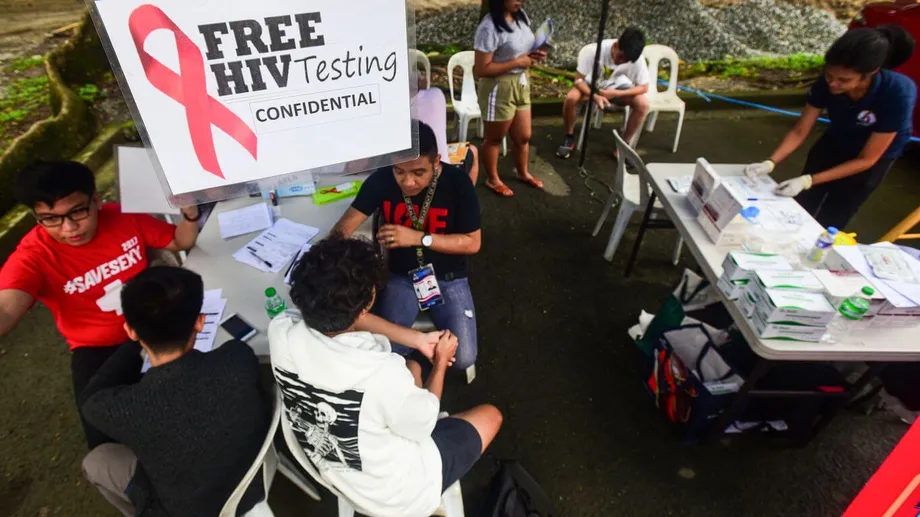
Dozens of government clinics offer free testing, antiretroviral therapy, counseling and education. Antiretroviral therapy, usually shortened to ART, is the treatment used in HIV care. Organizations including LoveYourself and Roots of Health also provide services, including self-test kits and clinics designed to welcome young people.
Rural communities face limited health services, while some young people encounter judgmental healthcare workers. Requirements to disclose their status to obtain treatment can also deter them from seeking help. Confidentiality matters particularly to patients who fear that disclosure could change their relationships at home or in their community.
National laws protect confidentiality and prohibit discrimination, but enforcement remains inconsistent. Many local ordinances are not aligned with national policy, creating a gap between the protections written into law and the experience of people trying to use services.
Advocates are calling for wider access to testing and treatment, especially outside urban centers. Their proposals include removing barriers involving parental consent and addressing stigma within healthcare settings, so that a young person's first encounter with a service leads to continued care.
The Gaps Between Testing, Treatment and Control
Only 59% of key populations are getting tested, while a figure of 44% is given for people who test positive receiving treatment. Many people are diagnosed late, after their immune systems are already compromised. Delayed diagnosis means the opportunity to begin care earlier has been missed.
Figures for March 2025 put ART coverage at 66% of diagnosed Filipinos and the share with their viral load under control at just 40%. Viral load refers to the amount of virus in the body. The 44% treatment figure and the March figure of 66% are both part of the account of gaps in care, although their different measurement bases are not specified.
The Philippines remains short of the UNAIDS 95-95-95 targets. Those targets call for 95% of people living with HIV to know their status, 95% of those diagnosed to receive treatment, and 95% of those receiving treatment to achieve viral suppression, meaning the virus is brought under control.
Each target covers a different step. Testing helps people learn their status; treatment follows diagnosis; controlling the virus requires successful ongoing care. Expanding testing alone leaves an unfinished task if people cannot then obtain and continue treatment.
Funding Pressures Limit Prevention and Care
Prevention accounted for only 6% of total HIV expenditure in 2023. The country also relies heavily on international aid, which has been disrupted by recent cuts in United States funding. Domestic investment in prevention and care remains insufficient.
Funding shortages affect a response that must cover several needs at once: education, testing, treatment, counseling and support. Advocates want increased government spending so that access to these services depends less heavily on international assistance.
The financial pressure sits alongside the implementation problems. More resources are needed, but young people must also be able to use the services those resources support without fear of discrimination or unwanted disclosure.
Calls for greater domestic funding therefore accompany demands for better enforcement of confidentiality protections, stronger prevention programs and support for community organizations. The proposed changes address both the availability of care and the reasons people hesitate to seek it.
Living With HIV Can Mean Hiding Treatment
Luke Galade, a freelance writer aged 26, described a diagnosis that brought acceptance, anger and concern about plans to work abroad. His account shows how HIV can affect ambitions beyond a person's immediate health needs.
I immediately accepted my fate. Over time, I felt anger towards my ex, but I didn't reach out. Then came regret, because I've always dreamed of working abroad. But there are countries that don't allow people like me, who live with HIV, to enter their territories.
Other young people take steps to conceal treatment from relatives. Some ask for their HIV medicine to be repackaged in vitamin bottles to avoid questions. Chris, a university student, finds support in online communities where people can share experiences anonymously.
Families can be a source of rejection or reassurance. Some young people describe being blamed or shunned by relatives, while others find acceptance that helps them cope with their diagnosis. Friends and community organizations also provide support when home does not feel safe.
One participant in a recent study described the relief of receiving reassurance rather than abandonment after testing positive.
I am thankful because even though I experienced this, I tested positive, and I was not abandoned. He told me not to think that he would find me repulsive, even though I was sick.
Community Groups Reach People Who Avoid Clinics
LoveYourself, The Red Whistle and Roots of Health provide free testing, counseling and treatment, often in settings intended to be welcoming to young people and free of stigma. Their work includes public awareness campaigns, condom distribution and access to PrEP, or pre-exposure prophylaxis, a medicine used to prevent HIV.
Roots of Health has installed more than 200 condom dispensers in Palawan. It also offers confidential HIV screenings without requiring young people to register their names and is launching a treatment hub specifically for youth with Department of Health accreditation.
Community services are particularly important for marginalized groups and people reluctant to use government facilities. Confidential screenings, self-test kits and welcoming clinics provide different ways to begin seeking help.
Dr. Ronivin Pagtakhan, founder of LoveYourself, called for prevention that addresses behavior, medical needs and the conditions that shape access to care.
Emphasizing combination prevention strategies that integrate behavioral, biomedical, and structural interventions will be key to curbing the rise in HIV cases.
In practical terms, the approaches described by these organizations bring information, prevention tools and healthcare together. Their role also explains why advocates want community initiatives supported as part of the national response, rather than left to fill gaps without adequate resources.
A Call for Action Across Government and Society
The United Nations, World Health Organization and UNAIDS have expressed support for the Philippine government's efforts and called for urgent action. The Department of Health's June recommendation for a national public health emergency placed the question of a stronger response before President Marcos.
Dr. Louie Ocampo, UNAIDS country director, said responsibility extends beyond clinics and hospitals.
We cannot afford to treat HIV as a health sector issue alone. It requires a whole-of-government, whole-of-society response.
The key dates show both policy progress and the continuing growth of the crisis:
- Since 2010, new HIV infections have increased by more than 500%.
- In 2017, a law mandated sex education in public schools.
- In 2018, the HIV and AIDS Policy Act lowered the age of consent for HIV testing from 18 to 15.
- In 2023, prevention received 6% of total HIV expenditure.
- As of March 2025, 66% of diagnosed Filipinos were on ART, and 40% had their viral load under control.
- In June 2025, the Department of Health recommended declaring a national public health emergency.
As of July 6, the emergency declaration remained a recommendation in this account, with no decision date given. Meanwhile, advocates are calling for dependable sex education, accessible testing and treatment, increased domestic funding, and campaigns that challenge myths and discrimination.
Policymakers, educators, healthcare providers, parents and community organizations each have a concrete role: fund services, provide accurate information, protect confidentiality and help young people stay in care. People living with HIV also need acceptance and support so that fear of exposure does not stand between them and treatment.
Key Points
- At least 57 Filipinos are newly diagnosed with HIV daily, with nearly half aged 15 to 24.
- New infections have risen by more than 500% since 2010; the youngest reported case in 2025 was aged 12.
- Stigma, incomplete sex education and uneven access to services discourage testing and treatment.
- The 2018 HIV law allows adolescents aged 15 and above to consent to testing without parental permission.
- Prevention received only 6% of HIV expenditure in 2023, while cuts in United States funding have disrupted international assistance.
- Community groups provide confidential testing, prevention tools, counseling and treatment.
- The Department of Health recommended a national public health emergency in June 2025.
- Advocates want stronger education, domestic funding, legal protections and support for young people living with HIV.