A Tokyo Success Rolls Into Northeast Taiwan
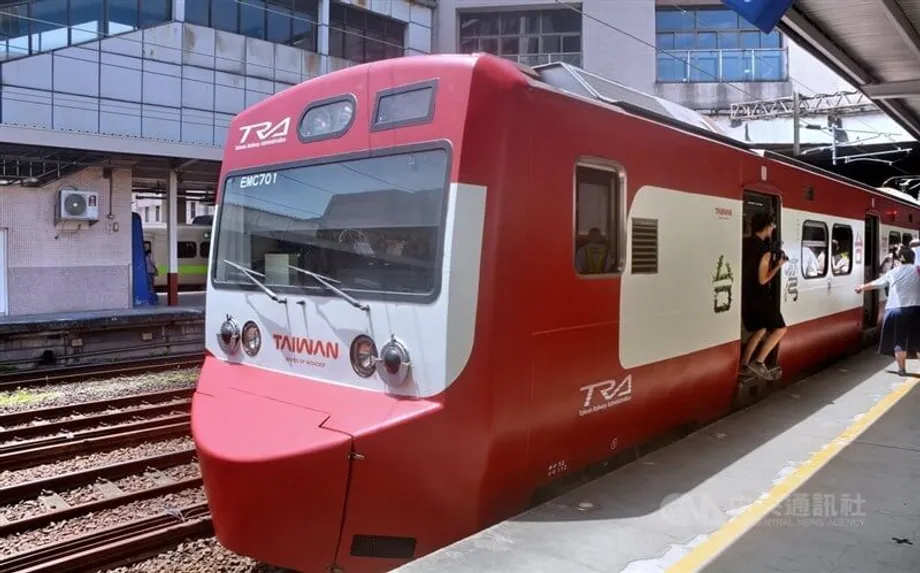
Taiwan has brought its award-winning Beep Beep Taiwan train design home for a six-month run, turning a Taiwan Railway Corporation EMU700 commuter train into a moving advertisement for the northeast coast. The campaign puts destinations including the Yilan Coast and Jiufen, the historic mining town, at the centre of an effort to attract domestic and international visitors.
Contents
- A Tokyo Success Rolls Into Northeast Taiwan
- How the Campaign Reached Japanese Commuters
- Why the Lettering Matters
- A Design Built Around Railway Rules
- A Railway Friendship Reaches Ten Years
- From Ruifang to the Yilan Coast
- Jiufen Pairs Mining History With Local Food
- Beach Art, Cycling and Souvenirs
- Turning a Colourful Train Into Local Visits
- Key Points
Launched at Shulin Station in New Taipei City, the train carries a design first used in Japan from June to September 2024. Its bright red exterior combines the familiar colour of Japan's Keikyu 1000 series with lettering that incorporates Taiwanese orchids, tea and pineapples.
At the launch ceremony, Taiwan Railway Corp. Chairman James Jeng announced that the train would operate for six months, twice the three months originally planned. He linked the longer run to the campaign's goal of supporting tourism businesses in New Taipei's Ruifang and Gongliao districts and in Yilan County.
The return also celebrates the 10th anniversary of the friendship between Taiwan Railway Corporation, known as TRA, and Japan's Keikyu Railway. Their cooperation has supported tourism and cultural exchange between Taiwan and Japan, giving the train a role beyond its colourful appearance.
For travellers, the campaign connects a familiar form of everyday transport with places to explore: old mining streets, beaches, coastal cycling routes, local food and festivals. Its practical aim is to turn attention to the train into visits to communities along the northeast railway corridor, where shops, guides and other tourism businesses stand to benefit.
How the Campaign Reached Japanese Commuters
The Beep Beep Taiwan design first appeared on the Keikyu Electric Railway in Greater Tokyo during a tourism promotion campaign from June to September 2024. The railway connects Haneda Airport with central Tokyo, placing Taiwan's tourism message on a route with a daily passenger volume of around 1.9 million.
That setting gave the campaign an audience of commuters as well as people travelling through the airport. Instead of waiting for potential visitors to seek out information about Taiwan, the design brought images associated with the island into their daily journeys.
The project subsequently won the President's Award from the Tokyo Outdoor Advertising Association and received recognition from the New York Type Directors Club. Those honours recognised a campaign that combined railway advertising with a distinctive treatment of written characters.
The sequence brings together the promotion in Japan and its return to Taiwan:
- June to September 2024: The original campaign ran on Japan's Keikyu Electric Railway in Greater Tokyo.
- After the campaign's success in Japan: Tourism Administration Director-General Chen Yu-hsiu proposed bringing the design to Taiwan.
- By July 4, 2025: The Taiwan campaign had launched at Shulin Station, with Jeng announcing a six-month run instead of the three months initially planned.
Why the Lettering Matters
The train's livery, meaning its exterior colours and graphics, uses the classic red of Keikyu's 1000 series as its base. Against that familiar Japanese railway colour, specially designed kanji for Taiwan bring the island's products into view. Kanji are Chinese characters used in Japanese writing.
Orchids, tea and pineapples are worked into the lettering, while floral motifs reshape the characters themselves. The result combines a readable place name with pictures associated with Taiwan's agriculture and culture.
Taiwanese and Japanese designers collaborated on the visual identity. Their approach brought Taiwanese natural imagery together with Japanese artistic sensibilities, creating a design intended to appeal to audiences in both places.
A Design Built Around Railway Rules
The design team faced strict Japanese advertising regulations that limited how much of the train's exterior could be covered. Doors and windows also had to remain unobstructed. Those requirements shaped where the graphics could go and how the message could be presented.
A train advertisement also has only a short time to catch a person's attention. The floral typography was designed to stand out during the brief moments when the train stopped at a platform, while fitting around the parts of the carriage that had to stay clear.
The combination of a strong red background, recognisable products and carefully arranged lettering helped the campaign communicate within those limits. Its recognition in Tokyo and New York reflects the attention it received as both outdoor advertising and a piece of typographic design, the art of arranging and shaping written characters.
A Railway Friendship Reaches Ten Years
The Taiwan launch marks a decade of friendship between TRA and Keikyu Railway. Bringing the Japanese campaign's appearance onto a Taiwanese commuter train gives that anniversary a visible presence on the railway itself.
Chen Yu-hsiu, who had recently taken office as Tourism Administration director-general, was a driving force behind the return. Following the campaign's success in Japan, she proposed using the award-winning design in Taiwan to encourage local tourism and attract more Japanese visitors.
Chen highlighted the importance of rail travel in Taiwan and the part creative tourism campaigns can play in drawing visitors. Jeng's decision to double the planned operating period gives the train a longer presence along the corridor and reflects interest in its potential to encourage regional travel.
The partnership also forms part of broader cultural and economic ties between Taiwan and Japan. A shared railway project gives both sides a practical way to promote travel, introduce destinations and build goodwill through an experience passengers can see during an ordinary journey.
From Ruifang to the Yilan Coast
The Beep Beep Taiwan train operates along the TRA Yilan Line, connecting travellers with destinations across the northeast. The EMU700 is the commuter train carrying the design; the Yilan Line is the railway route on which the campaign takes visitors towards the coast.
Ruifang serves as a gateway to Jiufen. Its mining history, mountain trails and old streets lined with traditional shops give visitors several reasons to stop before continuing towards other parts of the region.
Gongliao and Fulong bring the journey to the coast. Fulong Beach is known for its golden sands and the annual Fulong International Sand Sculpture Arts Festival. Cycling and water sports provide other ways to spend time in the area.
Waiao and Yilan offer coastal scenery, surfing spots and local delicacies. Suao adds a fishing port, cold springs and fresh seafood to the range of destinations promoted by the campaign.
Together, these stops give the railway promotion more than one kind of visitor experience. A trip can centre on mining heritage and traditional streets, beach activities, food or the coast's natural scenery, depending on where passengers choose to spend their time.
Jiufen Pairs Mining History With Local Food
Jiufen's activities draw directly on the town's gold mining past. Guided tours introduce that history, while gold panning gives visitors a chance to try an activity associated with it. Traditional miners' lunch boxes bring another part of the town's working past into the visit.
Taro ball making and tea tasting offer opportunities to take part in local culinary traditions. These experiences give visitors something to do alongside walking through the old streets and browsing their shops.
The Jiufen Red Lantern Festival adds lantern displays to those streets, creating an atmosphere reminiscent of classic Taiwanese cinema. Together with the tours and food activities, it forms part of the cultural programme being highlighted as the train returns.
Beach Art, Cycling and Souvenirs
The Fulong International Sand Sculpture Arts Festival runs until September 30. The annual event attracts artists and visitors from around the world, with detailed sculptures turning the beach into an open-air gallery.
The Northeast Corner Bicycle Tour offers another way to explore the region, taking cycling enthusiasts through coastal scenery and rural landscapes at their own pace. Alongside the beach and water sports, cycling broadens the activities available to people travelling through the northeast corridor.
The train campaign also encourages passengers to photograph their journeys and share their experiences on social media. Designated stations provide photo opportunities, with chances to win souvenirs produced in limited quantities.
A precise end date for the train's six-month run, along with operating schedules and the detailed conditions for the souvenir activities, was not given. The September 30 festival deadline is the specific event date available for travellers considering a visit to Fulong.
Turning a Colourful Train Into Local Visits
The campaign's central tourism goal is to bring more visitors to the northeast and support the businesses serving them. Its combination of rail travel, festivals, guided tours and activities involving food gives passengers reasons to spend time beyond the station.
A visitor heading to Jiufen might join a mining tour, try gold panning or take part in taro ball making. Someone travelling towards Fulong might visit the sand sculptures or cycle along the coast. Those choices connect the publicity surrounding the train with guides, shops, food businesses and attractions in the places being promoted.
The initiative also fits a wider interest in travel built around experiences and local culture. Rather than relying entirely on scenery, the programme brings together things visitors can see, taste and take part in. The themed train provides the common thread between them.
Organisers are presenting the activities as part of an effort to encourage sustainable tourism and appreciation of the region's natural and cultural heritage. The six-month run gives that effort more time than initially planned, while the railway friendship supplies a connection to Japanese visitors already familiar with Keikyu's trains.
Key Points
- The Beep Beep Taiwan design has returned on a TRA EMU700 commuter train operating along the Yilan Line for six months.
- The campaign first ran in Greater Tokyo from June to September 2024 and received advertising and design recognition in Tokyo and New York.
- The red livery incorporates Taiwanese orchids, tea and pineapples into specially designed characters for Taiwan.
- The launch celebrates the 10th anniversary of the friendship between TRA and Japan's Keikyu Railway.
- Promoted destinations include Ruifang, Jiufen, Gongliao, Fulong, Waiao, Yilan and Suao.
- Activities include mining tours, gold panning, food experiences, lantern displays, cycling and photo opportunities with souvenir prizes.
- The Fulong International Sand Sculpture Arts Festival runs until September 30.