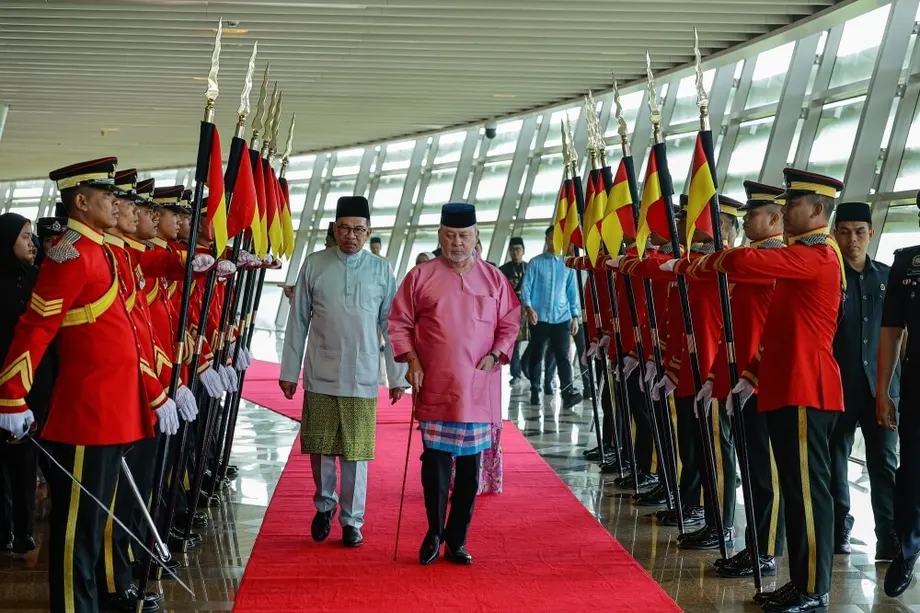
A Royal Warning at Malaysia's Maal Hijrah Celebration
Malaysia's King Sultan Ibrahim warned political leaders and community figures against using Islam for personal or political interests at the national Maal Hijrah celebration on June 27, 2025. Speaking at the Malaysia International Trade and Exhibition Centre (MITEC), he urged leaders to protect the sanctity of the religion and strengthen unity across the country's diverse population.
Contents
- A Royal Warning at Malaysia's Maal Hijrah Celebration
- What Leaders Were Told to Stop
- Islamic Values and the Meaning of Governance
- Why the Constitution Featured in the Address
- Leadership Beyond Buildings and Economic Success
- Race, Religion and Royalty in Public Disputes
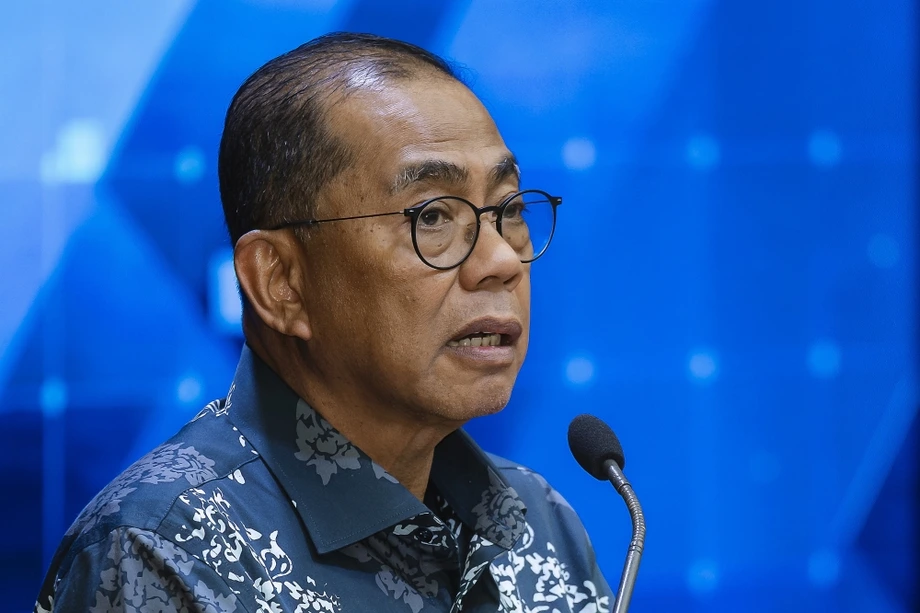
- The Religious Affairs Minister's Message
- What the Political Analysts Said
- What the Address Asks of Malaysia's Leaders
- Key Points
Prime Minister Datuk Seri Anwar Ibrahim, Deputy Prime Minister Datuk Seri Dr Ahmad Zahid Hamidi and other senior officials attended the event. The King's address connected religious responsibility with the practical duties of leadership: governing fairly, respecting the Federal Constitution and avoiding words or actions that turn communities against one another.
Sultan Ibrahim, King of Malaysia, set out his message to community leaders in direct terms:
I wish to remind community leaders not to politicise Islam for personal gain. Instead, let us practise politics rooted in Islamic values for the benefit of the nation.
Malaysia's mix of ethnic and religious communities gives that appeal particular weight. Political and religious tensions have continued to test social harmony, while controversies involving sensitive issues have brought public anger, boycott campaigns and threats of violence.
The King called for religious values to guide public service while warning against turning religion into a means of winning support. His address also asked Malaysians to act with maturity and learn from recent disputes, linking responsible leadership to the peace of the wider country.
What Leaders Were Told to Stop
Sultan Ibrahim warned that exploiting religion for political interests, spreading slander and encouraging hatred could divide society and threaten national peace. His appeal covered both the conduct of political figures and the way religious messages reach the public.
The King described the behaviour he wanted parties to avoid:
No party should exploit religion for political interests or spread slander and hatred that ultimately divides society.
Religious preaching, known as dakwah, and religious education were also part of his warning. He said these platforms should strengthen unity and cohesion among the ummah, or Muslim community, rather than carry partisan political agendas.
For a religious teacher or community leader, the responsibility described in the speech is concrete: use a position of trust to bring people together. For political leaders, it means pursuing public interests without encouraging hostility through religious claims or attacks on opponents.
The King's concern extended beyond an individual speech or campaign. When religious platforms become vehicles for party interests, arguments over political power can reach directly into community life. His call placed responsibility on those who shape both political debate and religious understanding.
Islamic Values and the Meaning of Governance
Sultan Ibrahim described Islam as a complete and perfect religion, sufficient for all aspects of life. He called for the country's administration to follow Islamic principles and Shariah, or Islamic law, rather than be swayed by secular or liberal ideologies.
Justice, compassion and integrity were central to the values he wanted reflected in government. Put simply, his message concerned how power is exercised: whether leaders act honestly, treat people fairly and protect those who are vulnerable.
The distinction between "Islamising politics" and "politicising Islam" ran through the address. In the first, political decisions and government conduct are guided by religious and ethical values. In the second, religion becomes an instrument for gaining power, influence or personal advantage.
The King called for politics to be "Islamised" rather than Islam being politicised. His appeal brought together a religious basis for governance and a warning against using religious identity to advance a party's interests.
For Malaysians, the practical standard he described was leadership that serves the country and its people. His remarks linked the quality of government with the behaviour of those entrusted to lead it, from their commitment to justice to their refusal to spread slander.
Why the Constitution Featured in the Address
Sultan Ibrahim drew on the Prophet Muhammad's migration, or Hijrah, from Mecca to Medina to explain the relationship between faith, leadership and an organised society. He connected that journey with the Constitution of Medina and its principles of justice, consensus and diversity.
The King explained the historical reference in his address:
The migration of Prophet Muhammad from Mecca to Madinah was a historic journey that laid the foundation for the Constitution of Madinah – a crucial document that established principles of justice, consensus, and diversity.
Malaysia's Federal Constitution, he said, also enshrines justice, balanced power, shared responsibility and the spirit of consensus. Consensus means seeking agreement, an idea that matters when people with different interests and beliefs share responsibility for a country.
By placing these principles together, Sultan Ibrahim linked religious values with constitutional responsibilities. His appeal asked leaders to respect the country's governing framework while bringing fairness and integrity to their decisions.
The King also reminded all parties to avoid stirring hostility in the name of race or religion. In a society made up of different ethnic and religious communities, that responsibility concerns daily relationships as well as national politics. Disputes that encourage one community to distrust another can put the country's peace at risk.
Leadership Beyond Buildings and Economic Success
Sultan Ibrahim called on Muslims and leaders to understand the responsibility of building a civilisation grounded in Islamic values. Development, he said, must include character, knowledge and humanity, alongside physical progress.
His message broadened the measure of national achievement. Buildings and other visible improvements form part of development, while the conduct of leaders and the treatment of people also determine the kind of society being built.
The King urged those in authority to follow the example of the Prophet Muhammad, whom he described as ruling with justice and never oppressing the weak. That example placed the welfare of vulnerable people within his appeal for responsible government.
Sultan Ibrahim expressed the national ambition behind his call:
Let us work hand in hand to build a nation that not only succeeds in the eyes of the world, but is also blessed and graced by God.
His vision joined public achievement with moral responsibility. Leaders were asked to consider both the country's standing and the values expressed through their decisions, while Muslims were urged to contribute knowledge, character and care for others to national life.
Race, Religion and Royalty in Public Disputes
Race, religion and royalty, commonly grouped together as the "3R" issues, form the wider setting for the King's warning. These sensitive subjects have long featured in political campaigns and in responses to incidents involving ethnic or religious feelings.
The controversy over socks bearing the word "Allah" showed how quickly a dispute could spread. The socks were found on sale at a convenience store chain, prompting outrage among sections of the Muslim community, calls for boycotts and police investigations.
The controversy also brought threats of violence and a failed petrol bomb attack. The government took action against those responsible and urged the public to remain calm and united.
Those events gave concrete urgency to the King's warning about slander, hatred and the political use of religion. A dispute involving a product had become a wider confrontation affecting public order and relations between communities.
The government's response included a renewed commitment to unity and action against people seeking to incite hatred or exploit sensitive issues. Public awareness campaigns, enforcement measures and cooperation between agencies formed part of the response to recent controversies.
Sultan Ibrahim's address reinforced the call for restraint. He urged Malaysians to learn from such incidents and respond with maturity, while asking leaders to avoid encouraging anger and division for political advantage.
The Religious Affairs Minister's Message
Religious Affairs Minister Datuk Dr Mohd Na'im Mokhtar echoed the King's appeal at the same Maal Hijrah event. He connected the celebration's theme, "Membangun Ummah Madani", or "Building a Civilised Ummah", with a public role for Muslims based on mercy, justice and progress.
Mohd Na'im explained what the theme asked of the Muslim community:
This theme calls on us to revive the role of the ummah as an agent of mercy, justice and progress.
The government's Al-Falah Transformation Plan 2023–2027 was cited as a strategic framework for sustainable Islamic governance in Malaysia. Knowledge, integrity and sincerity were among the core values guiding the plan.
The minister's remarks gave an administrative setting to the ethical duties raised by the King. Knowledge concerns the understanding needed to make decisions; integrity and sincerity concern the honesty and purpose brought to those decisions. Together, the stated values describe an approach to governing as well as a standard for personal conduct.
The two addresses shared a focus on how religious commitments are expressed through service to society. The King warned against exploiting faith for political interests, while the minister called on Muslims to contribute mercy, justice and progress to public life.
What the Political Analysts Said
Tunku Mohar Mokhtar, a political analyst at the International Islamic University of Malaysia, warned that the politicisation of religious issues can worsen racial prejudice and weaken social cohesion. His assessment connected the scale of the socks controversy with deeper tensions between communities.
Tunku Mohar described the prejudice he saw behind the dispute:
The fact that the issue has reached this magnitude suggests that racial prejudice is strong.
James Chin, a professor at the University of Tasmania, warned that religious hatred can become difficult to control once it is released into politics. He cited examples from other countries where such dynamics had led to violence and instability.
Their concerns help explain the stakes of the King's appeal. Political use of a religious dispute can extend its effects beyond the original incident, increasing suspicion between communities and making an angry public response harder to contain.
Experts in Malaysian politics and society generally welcomed the King's intervention as a necessary reminder of the dangers of exploiting religion. Public reaction was also largely positive, with many Malaysians supporting his call for unity and resistance to the political use of faith.
What the Address Asks of Malaysia's Leaders
Political leaders were urged to focus on policies and government decisions that benefit Malaysians regardless of religious or ethnic background. The King's call to keep religion free from partisan exploitation placed unity, justice and respect for the Constitution at the centre of responsible leadership.
The government reiterated its commitment to those principles, while enforcement agencies took steps to address incidents threatening harmony. Political observers also saw the King's message as consistent with the government's wider efforts to curb the misuse of sensitive issues and promote peaceful relations.
For community figures, the appeal involved protecting religious teaching from party agendas. For those in government, it involved acting with integrity and fairness. For the wider public, it meant responding to sensitive incidents without allowing anger to turn into hostility toward other communities.
The address set out expectations for conduct rather than a timetable for a new measure. No new implementation date was given. Its immediate force lay in a public demand that leaders take responsibility for how they use religion and how their words affect national peace.
The events and policy period referenced in the discussion can be placed in a short timeline:
- 2023–2027: The period covered by the government's Al-Falah Transformation Plan, cited as a framework for sustainable Islamic governance.
- Before the June 27 address: The controversy over socks bearing the word "Allah" prompted boycotts, police investigations, threats of violence and a failed petrol bomb attack.
- June 27, 2025: Sultan Ibrahim delivered his warning at the national Maal Hijrah celebration at MITEC, attended by Anwar Ibrahim, Ahmad Zahid Hamidi and other senior officials.
Key Points
- Sultan Ibrahim warned leaders against exploiting Islam for personal or political interests at the national Maal Hijrah celebration on June 27, 2025.
- He called for government guided by Islamic values and Shariah, alongside respect for Malaysia's Federal Constitution.
- The King urged religious preaching and education to strengthen Muslim unity rather than promote partisan agendas.
- His warning came against a background of disputes involving race, religion and royalty, including the socks controversy and a failed petrol bomb attack.
- Religious Affairs Minister Mohd Na'im Mokhtar connected the celebration's theme with mercy, justice and progress, citing the Al-Falah Transformation Plan 2023–2027.
- The address called for ethical leadership, protection of vulnerable people and policies serving Malaysians across religious and ethnic communities.