Fresh Exports and New Varieties Broaden Malaysia's Durian Trade
Malaysia is building a broader durian export business around fresh shipments to China, new premium varieties and research into more productive trees. Musang King remains its best known attraction, with individual fruits fetching up to RM350, about US$80–105, in China. Black Thorn, Red Prawn and Malaysian research hybrids are also becoming part of the country's international ambitions.
Contents
- Fresh Exports and New Varieties Broaden Malaysia's Durian Trade
- Why Musang King Still Sets the Benchmark
- Black Thorn, Red Prawn and Older Favourites
- MARDI's Hybrids Combine Taste With Farm Performance
- How Fresh Durians Reached China
- China Offers Scale and a Premium Market
- Freshness Depends on Speed and Certification
- Malaysia Seeks Buyers Beyond China
- More Land, More Fruit and Rural Income
- Durian Tourism Connects Fruit With Friendship
- Growth Brings Pressure on Farms and Supply
- Key Points
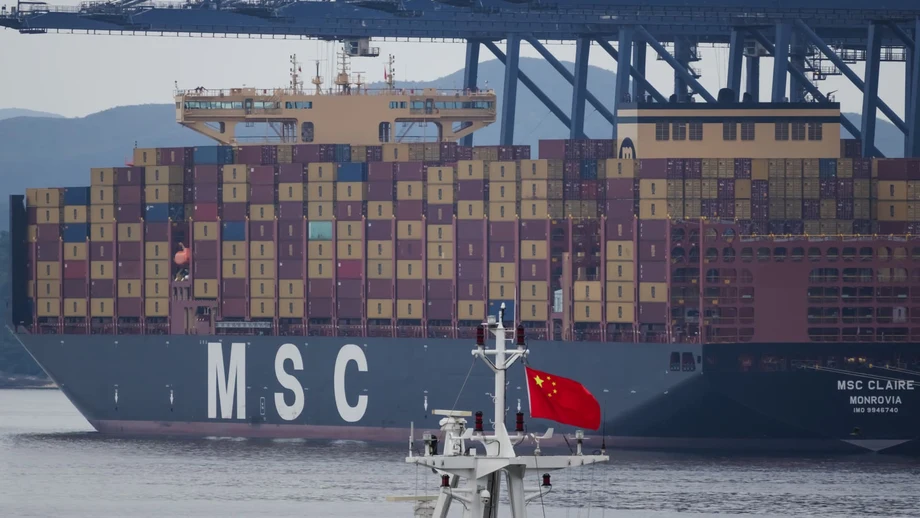
The opening of China's market to fresh Malaysian durians in 2024 gave growers another route to the world's largest durian importer. An inaugural shipment of 40 metric tonnes, distributed in three phases to cities including Shenzhen and Zhengzhou, marked a new stage in a trade previously limited to frozen durians and durian products.
Malaysia's Agriculture and Food Security Ministry has set a target of RM1.8 billion in fresh durian exports by 2030. Reaching that goal involves more than growing additional fruit. Exporters need certified farms, pest controls, reliable transport and packaging that protects a product with a short shelf life.
The expansion also reaches beyond exports. Durian supports thousands of smallholders, creates jobs in rural communities and draws visitors to orchards and urban stalls. Government agencies and businesses are investing in cultivation, research, branding and distribution as international demand, particularly from China, grows.
As of June 26, 2025, the industry's direction combines several efforts: protecting Musang King's premium reputation, introducing consumers to other varieties, developing new hybrids and seeking customers outside China. Each addresses a different part of the business, from what farmers plant to how quickly fruit reaches a buyer.
Why Musang King Still Sets the Benchmark
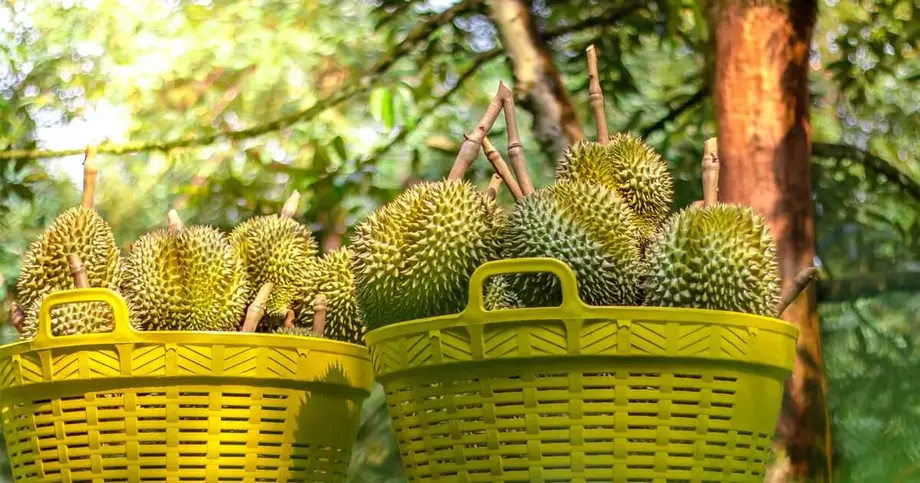
Musang King, also called Mao Shan Wang and registered as D197, has built its reputation on bright yellow flesh, a creamy texture, small seeds and a rich flavour that combines sweetness with bitterness. Those qualities have made it a favourite among durian enthusiasts and a luxury purchase in export markets.
In China, the price of up to RM350 per fruit places Musang King well above durians from Thailand or the Philippines. Its position rests on branding as well as taste. Malaysia protects Musang King as intellectual property, with its certification renewed for another decade.
Consistency matters to buyers paying those prices. Musang King's familiar flavour and texture have helped turn it into a symbol of Malaysian agriculture and an attraction for tourists and other fruit lovers. It remains the benchmark against which competing Malaysian varieties are often judged.
Malaysia is nevertheless promoting a wider selection as consumer tastes diversify. A customer who enjoys Musang King's bitterness may seek a different experience from someone who prefers a sweeter fruit. Selling several varieties gives growers and exporters more ways to serve those preferences.
Black Thorn, Red Prawn and Older Favourites
The Department of Agriculture and the Malaysian Agricultural Research and Development Institute (MARDI) are promoting lesser known durians alongside established favourites. Black Thorn, registered as D200, Red Prawn, registered as D175, and Hajah Hasmah are among the varieties gaining recognition for their flavours and textures.
Black Thorn offers a sweeter experience with a texture like custard, appealing to consumers who find Musang King's bitterness too intense. Red Prawn is valued for its reddish flesh, smooth texture and sweetness. D24, also known as Sultan, and Tekka offer more affordable options with classic durian characteristics.
MARDI described the changing preferences of consumers and the renewed appeal of established clones:
Consumers are becoming more adventurous. They are seeking out unique taste profiles. We are also seeing renewed interest in older, established clones such as D24 and Tekka, which are more affordable and offer classic durian characteristics.
The broader selection allows Malaysian sellers to compete across different tastes and budgets. Musang King can remain a premium flagship while other varieties attract adventurous buyers or people looking for a less expensive choice.
MARDI's Hybrids Combine Taste With Farm Performance
MARDI's breeding work adds another route to diversification. Its MDUR series consists of hybrid durian clones developed to combine desirable traits from existing varieties. Hybridisation means crossing parent varieties to produce fruit with a useful combination of their characteristics.
MDUR 88, registered as D190, is a cross between D10 and D24. Recently rebranded as MARDI Super 88, or MS88, it has golden yellow flesh and a slightly sticky, creamy texture. Its flavour has drawn favourable comparisons with Musang King.
Other members of the series include MDUR 78, registered as D188, and MDUR 79, registered as D189. These hybrids offer improved yields and greater resistance to problems including root borers and stem canker. For growers, the breeding programme addresses how much fruit trees produce and how well they withstand pests and disease, alongside the eating experience.
MARDI's continuing work includes a second hybridisation programme launched in the late 1980s. Several hybrids are in the final stages of assessment and are expected to be introduced under the 13th Malaysia Plan. Their development is part of an effort to keep the industry competitive and support its long term viability as climate conditions and market demands change.
How Fresh Durians Reached China
Malaysia's move into fresh durian exports followed years of negotiation and the signing in June 2024 of the Protocol on Phytosanitary Requirements for the Export of Fresh Durian from Malaysia to China. Phytosanitary requirements are plant health rules intended to prevent pests and diseases from travelling with agricultural goods.
The opening allowed fresh Musang King, Black Thorn, D24 and IOI durians to enter China, expanding a trade that had previously covered frozen durians and durian products. The first shipment totalled 40 metric tonnes and was distributed in three phases.
Deputy Agriculture and Food Security Minister Datuk Arthur Joseph Kurup linked the new business opportunities directly to the agreement:
The export of fresh durians to China became possible after the signing of the Protocol on Phytosanitary Requirements for the Export of Fresh Durian from Malaysia to China. This initiative has proven successful, as evidenced today by the new opportunities it creates for durian entrepreneurs and growers in Malaysia to export their fruits to China.
Government officials and industry representatives celebrated the shipment as a new chapter in agricultural trade between Malaysia and China. Meeting the requirements involved pest disinfestation methods, systems for tracing fruit through the supply chain and farm export certification schemes.
The main stages of the expansion show how research, production and market access developed over time:
- Late 1980s: MARDI launched its second durian hybridisation programme.
- 2019: Malaysia's durian cultivation area stood at 70,286 hectares.
- 2023: Malaysia exported 54,374 tonnes of durians worth RM1.51 billion.
- June 2024: The fresh durian protocol with China was signed, opening a new export channel.
- 2024: China imported approximately 1.56 million tonnes of durian, valued at nearly US$7 billion.
- 2030: Malaysia aims to reach RM1.8 billion in fresh durian exports.
China Offers Scale and a Premium Market
China accounts for about 95% of global durian exports and is the world's largest importer of the fruit. Its purchases of approximately 1.56 million tonnes in 2024, worth nearly US$7 billion, explain why access to its consumers matters so much to Malaysian growers.
Malaysia exported 54,374 tonnes of durians worth RM1.51 billion, or US$357 million, in 2023. China accounted for nearly half of that total. Export volumes are expected to rise as fresh shipments expand.
Musang King and Black Thorn are marketed in China as luxury products for consumers willing to pay more for quality and freshness. Malaysian fresh durians cost more than competing fruit from Thailand or the Philippines, making their distinctive flavours and Malaysia's reputation for quality central to their appeal.
Agriculture and Food Security Minister Datuk Seri Mohamad Sabu expressed confidence in the export target:
God willing, the ministry's target of exporting fresh durians at the value of RM1.8 billion by the year 2030 can be achieved.
Fresh Malaysian durians have also become a trending subject on Chinese social media. Livestreams showing the opening of the fruit attract millions of viewers, while durian candy, mooncakes and ice cream are gaining popularity. Demand therefore extends beyond whole fruit to products that use its flavour.
Top Fruits commercial director Yang Hon Shung described the opportunity using an earlier import figure:
Last year alone China imported 1.3 million tons of durian, with demand expected to grow annually by 5-6%.
The 2024 import total of approximately 1.56 million tonnes places China's market at a larger scale than the 1.3 million tonnes cited in Yang's statement.
Freshness Depends on Speed and Certification
Fresh durians have a short shelf life and are sensitive to handling and temperature. Most fresh exports travel by air so they can reach consumers in China within 24–36 hours of harvest. Packaging has been developed to keep the fruit fresh for up to three weeks, although speed remains critical.
Export permission also depends on compliance. Companies must meet Malaysia's Good Agricultural Practices requirements, known as MyGAP, and China's phytosanitary standards. These controls cover quality and the need to keep fruit free from pests and diseases.
Traceability systems allow fruit to be followed through the supply chain. Together with farm certification and pest treatment, they form part of the arrangements needed to supply China. The authorised Malaysian exporter list includes 33 companies with a combined annual production capacity exceeding 17,000 metric tonnes.
Top Fruits has invested heavily in organic farming and supply chain logistics. Hernan Corporation, another major exporter, plans to ship 30,000 tonnes to China over the next five years and is investing in new processing facilities to support demand.
These investments connect the orchard to the final customer. Growing premium fruit is one part of the task; maintaining its condition through packing, transport and delivery is another. For a product sold partly on freshness and texture, those stages are central to the customer experience.
Malaysia Seeks Buyers Beyond China
Malaysia is also targeting the United Kingdom, Canada, the United Arab Emirates, Australia and the Netherlands. These destinations form part of an effort to broaden the industry's international reach while China remains its primary export market.
The Federal Agricultural Marketing Authority (FAMA) is pursuing market access through trade fairs, partnerships with digital marketplaces and promotions in stores. These activities put Malaysian durians in front of potential buyers through several sales channels.
The government is strengthening national branding through the Malaysia's Best certification, which assures quality and safety for consumers at home and abroad. Alongside the promotion of individual varieties, that certification supports a wider Malaysian identity in international fruit markets.
More Land, More Fruit and Rural Income
Malaysia's durian cultivation area expanded from 70,286 hectares in 2019 to a projected 92,129 hectares in 2024. That is an increase of 21,843 hectares, or about 31%, showing the scale of the additional land being devoted to the crop.
Production has also grown, rising from 390,635 tonnes in 2020 to an estimated 568,852 tonnes. The difference is 178,217 tonnes, an increase of about 46%. The expansion supports export ambitions while adding to the fruit available for domestic consumption.
Musang King accounts for 36% of production, while kampung, or wild durians, account for 38%. D24 represents 11%, and Black Thorn just 1%. Despite Musang King's international prominence, kampung durians therefore account for a slightly larger share of production, by two percentage points.
Black Thorn's share is expected to grow as its popularity increases. Its current 1% share also shows how small its production base remains compared with Musang King and kampung durians.
The industry has become a star driver of economic growth, particularly in rural areas. It supports thousands of smallholders, provides jobs and brings in export revenue. Government and private investment in sustainable farming aims to maintain that role amid climate change and fluctuating costs.
Durian Tourism Connects Fruit With Friendship
Durian's value in Malaysia extends beyond agricultural sales. Sharing the fruit is a social ritual associated with festivals, family gatherings and visits to orchards. That cultural role also makes it a tourism attraction.
The SS2 district, described as Durian Street in the Kuala Lumpur area, has become a viral destination for Chinese tourists. Mutual visa free entry policies between China and Malaysia have helped draw attention to visits centred on tasting the fruit.
Ng Chin Long, deputy secretary-general of the Malaysia-China Friendship Association, described durian as a way to build personal connections:
If you meet a new Malaysian friend, talking about durian is the fastest way to bond. If they invite you to a durian orchard, you should definitely go—sharing durian in an orchard is the beginning of a deeper friendship.
Social media influencers and livestreamers help introduce Malaysian durians to wider audiences. Their content includes advice on choosing fruit, tasting different varieties and removing its strong odour. The same fruit promoted as a luxury import can also draw visitors to Malaysian stalls and orchards.
Growth Brings Pressure on Farms and Supply
Climate change, pests and diseases threaten durian yields. Farmers and exporters also face fluctuating costs, while demand for sustainable farming practices is becoming more urgent. Research into stronger varieties and investment in cultivation methods are part of the response.
Malaysia must balance export demand with domestic consumption and environmental concerns. More cultivated land and larger harvests create opportunities for growers, but the industry's long term viability also depends on how farms manage those pressures.
The government's approach combines research, marketing, quality controls and a broader range of varieties and destinations. Musang King remains central to the country's reputation, while Black Thorn, Red Prawn, established clones and MARDI hybrids give the industry more products to develop.
The next stated milestones include introducing assessed hybrids under the 13th Malaysia Plan, Hernan Corporation's planned shipments over five years and the RM1.8 billion fresh export target for 2030. Exact launch dates for the new hybrids have not been given.
Key Points
- Musang King remains Malaysia's premium flagship, reaching prices of up to RM350 per fruit in China.
- Black Thorn, Red Prawn, Hajah Hasmah, D24 and Tekka broaden the choice available to buyers.
- MARDI's hybrids combine fruit quality with improved yields and resistance to pests and disease.
- The June 2024 protocol opened China to fresh Malaysian durians, followed by an inaugural shipment of 40 metric tonnes.
- China imported approximately 1.56 million tonnes of durian worth nearly US$7 billion in 2024.
- Malaysia aims for RM1.8 billion in fresh durian exports by 2030 while seeking customers in other international markets.
- Transport, certification, sustainable farming and domestic supply remain central to managing expansion.