A 2 Trillion Yuan Festival With Less Fanfare
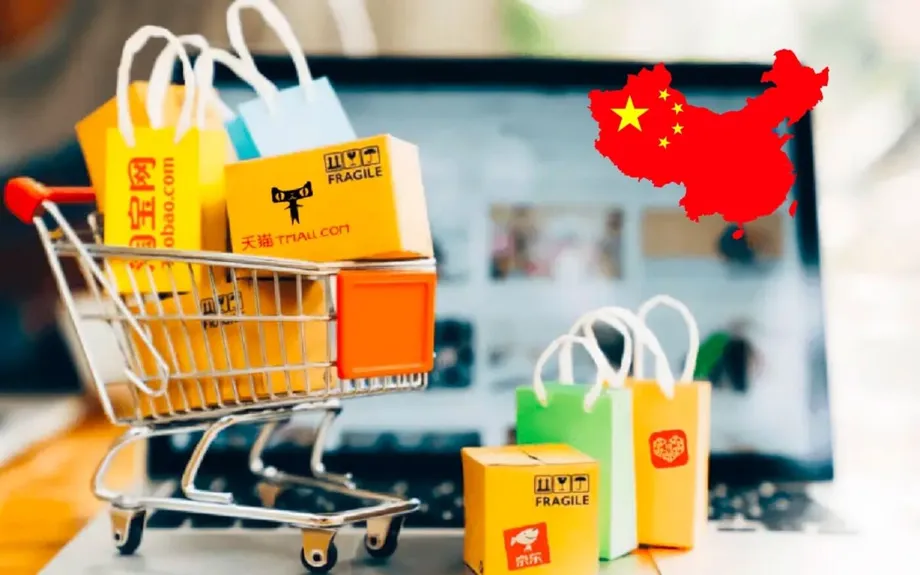
China's 618 shopping festival generated nearly 2 trillion yuan, about $278.66 billion, in online retail sales in 2024, according to Fudan University's Consumer Big Data Laboratory. Sales rose 9.8% from the previous year during a promotion that stretched across 39 days, the longest 618 festival yet. The numbers remained enormous. The sense of a national shopping carnival was harder to find.
Contents
- A 2 Trillion Yuan Festival With Less Fanfare
- How 618 and Double 11 Became Global Events
- Online Shopping Becomes an Ordinary Part of Life
- Livestreams Turn Entertainment Into Shopping
- Generation Z Looks for Suitability and Value
- Simple Discounts Replace the Shopping Puzzle
- Domestic Brands Gain Through Culture and Performance
- Smaller Cities and Rural Areas Offer Room for Growth
- The Pandemic Left Lasting Shopping Habits
- Luxury Buyers Turn Toward Understated Purchases and Experiences
- Festivals Remain, but the Basis of Competition Changes
- Key Points
For more than a decade, 618 and November's Double 11, also known as Singles' Day, brought midnight sales, celebrity appearances and anticipation of another sales record. Families gathered to fill online shopping carts, and platforms competed through concerts, livestreams and viral marketing campaigns. By June 26, 2025, the changing character of these events reflected a broader shift: buying online had become an everyday habit, while shoppers were becoming more selective about what deserved their money.
Many consumers were unaware of when the 2024 festival started or ended. A longer sales period could still produce substantial spending without concentrating attention on a single night. Simplified discounts, shopping through social media and regular access to deals were also changing the reasons people once waited for these dates.
China's quieter festivals sit alongside a large and varied consumer market. Younger shoppers are weighing suitability and price, domestic brands are gaining ground, and platforms are seeking customers in smaller cities and rural communities. Luxury buyers are also becoming more selective, with experiences competing against physical goods for household spending.
The central change is in how people buy. Online shopping is moving from an occasional event built around urgency toward a routine shaped by convenience, product information, cultural identity and value. The festivals remain major commercial benchmarks, even as the excitement surrounding them fades.
How 618 and Double 11 Became Global Events
JD.com launched a major promotion in 2008 to celebrate its 10th anniversary. In 2009, Taobao Mall, now Tmall, created Singles' Day on November 11 as a Chinese equivalent of Black Friday. Other platforms joined, turning company promotions into dates that shaped the wider retail calendar.
Over 17 years, the scale expanded dramatically. Double 11 sales on Tmall and Taobao rose from 936 million yuan in 2010 to 19.1 billion yuan in 2012, making it the world's largest shopping day. By 2024, sales during 618 were more than 200 times greater than those of the first Double 11.
International participation helped turn the festivals into global phenomena, attracting shoppers from more than 200 countries and regions. Their growth disrupted traditional retail and helped establish China as a global e-commerce powerhouse.
- 2008: JD.com launched a major promotion for its 10th anniversary.
- 2009: Taobao Mall introduced Singles' Day on November 11.
- 2010: Double 11 sales on Tmall and Taobao reached 936 million yuan.
- 2012: Those sales reached 19.1 billion yuan, making Double 11 the world's largest shopping day.
- Around 2019: Baidu Index data began showing declining public interest in the festivals, with Double 11 search volumes returning to 2013 levels.
- 2024: The 618 festival lasted 39 days and generated nearly 2 trillion yuan in online retail sales, up 9.8%.
Baidu Index measures search activity, providing a view of how much attention a subject attracts. Its figures show how the festivals lost some of their public pull even as their sales remained impressive. Shopping had spread across more dates and more digital settings.
Online Shopping Becomes an Ordinary Part of Life
China has nearly one billion online consumers and the world's highest e-commerce adoption rate. Digital payment services such as Alipay and WeChat Pay have made cashless transactions normal both on websites and in physical shops.
More than 85% of Chinese shoppers prefer omnichannel retail, according to shopping behavior data. Omnichannel means connecting different ways of shopping: someone might browse a product online, collect it at a store or arrange delivery rather than treating the website and shop as separate businesses.
For consumers, that makes convenience part of the purchase decision alongside price. A product can be discovered in one place and bought or collected in another. Retailers increasingly need those steps to work together.
China's digital maturity also changes the role of festivals. When browsing, paying and arranging delivery are available every day, a special sales date has less power to gather all shopping into one moment. The market still supports major promotions, but shoppers have many more opportunities to buy between them.
Livestreams Turn Entertainment Into Shopping
Taobao Live and Douyin, TikTok in China, helped make livestreaming a central part of online retail. Hosts demonstrate products on live video, answer questions as viewers watch and offer deals that can be purchased immediately. Kuaishou is another major platform connecting video audiences with shopping.
Livestreaming e-commerce generated nearly $682.5 billion in sales in 2023, accounting for almost a third of China's online shopping gross merchandise value, according to a live shopping analysis. Gross merchandise value, often shortened to GMV, is the total value of goods sold through a shopping channel. Platforms use it to describe the scale of trading.
Influencers and key opinion leaders, often called KOLs, can drive large sales within minutes. Their appeal combines product demonstrations, immediate answers and the familiarity viewers develop with a host. Fans who follow particular personalities add another social element to purchasing.
McKinsey puts live commerce conversion rates at close to 30%, up to 10 times those of conventional e-commerce. A conversion rate describes the share of viewers or visitors who become buyers. The comparison helps explain why retailers have invested in a format that keeps product information and purchasing close together.
Apparel, beauty products, food and electronics are among the most popular livestream categories. Generation Z and millennials dominate the audience, while middle aged and older consumers are increasingly taking part. On Douyin, Kuaishou and Taobao Live, viewers can move from a demonstration to a purchase with only a few clicks.
Livestreaming gives shopping some of the entertainment once concentrated in festival spectacles, but distributes it across daily viewing. It also creates room for impulse purchases even as many consumers become more careful about price and usefulness.
Generation Z Looks for Suitability and Value
China's Generation Z, defined here as people born between 1997 and 2012, is becoming an influential force in e-commerce. These consumers grew up with digital services, yet their comfort with technology comes with financial caution.
Nearly all use mobile devices for shopping, social media and everyday services. They research products through online stores, search engines and recommendations from peers, according to Generation Z research. Customer reviews and access to express shipping are also important parts of their decisions.
Young Chinese shoppers are cautious about credit and wary of buy now, pay later schemes, which allow a purchase to be paid for after the goods are received. They seek speed, convenience and information, while expecting brands to meet their particular needs.
Mi Gao, a 25-year-old graduate student from Zhuhai, described a purchase decision centered on personal suitability and the price available from different sellers.
What I care about most is whether something is suitable for me… The price advantage determines where I make my purchase.
Generation Z consumers embrace livestreaming and other new shopping formats while valuing authenticity. They are quick to switch brands when expectations are missed. Affordable, versatile goods often appeal more than luxury products bought for status.
Their behavior helps explain why a slogan such as "lowest price online" has lost some of its force. A low price matters, but shoppers increasingly weigh it against quality, practicality and whether the product fits their lives.
Simple Discounts Replace the Shopping Puzzle
China's early shopping festivals relied on hype, complicated discount arrangements and impulse buying. Consumers could spend hours calculating offers, sometimes adding goods they did not need to reach a spending threshold and unlock a discount.
Direct discounts on individual items make that process easier. Shoppers can judge the price of the thing they want without building a larger basket simply to qualify for a promotion. The emphasis is shifting from chasing sales volume through price wars toward the shopping experience.
Xiaohongshu, also known as Little Red Book, brings community discussion and commerce together. Users discover products through content and recommendations, then buy in a way that resembles browsing a physical market. This browse and buy approach gives discovery a larger role than the older focus on attracting traffic and cutting prices.
Consumers are also paying more attention to health, sustainability and responsible consumption. Deloitte figures cited in a consumer behavior overview show that 66% of Chinese consumers are willing to pay more for sustainable products. Nearly three quarters have adopted lifestyles aimed at reducing greenhouse gas emissions.
Those preferences broaden the meaning of value. For some buyers, a product's appeal includes its effect on the environment or its contribution to health, alongside its price and practical use.
Domestic Brands Gain Through Culture and Performance
Chinese brands have gained ground as consumers seek products connected to their own cultural values and identities. The guochao movement, literally "national tide," expresses an interest in Chinese goods that draw on local roots.
Baidu searches for Chinese brands have nearly doubled over the past decade. Surveys show that 85% of consumers would now choose a local brand over a foreign one in many categories, according to McKinsey's consumer trends analysis.
Domestic brands compete through value, design and performance as well as cultural appeal. They have become more competitive by combining attractive features with better prices. Local brands now dominate some sectors, including electronics and packaged foods.
Foreign brands face pressure to adapt their products and marketing to Chinese tastes. Consumers increasingly expect a brand to understand their preferences rather than rely on its international reputation. Personal identity and cultural relevance are becoming part of the purchase decision.
Smaller Cities and Rural Areas Offer Room for Growth
First and second tier cities, the categories commonly used to describe China's largest and more developed urban markets, are reaching saturation. E-commerce platforms are turning toward smaller cities and rural communities to find more customers.
These areas have large populations with growing purchasing power. Rural incomes have risen faster than urban incomes in recent years, and young consumers in rural areas are optimistic about their economic prospects. That confidence is feeding new patterns of consumption.
Pinduoduo has gained popularity through affordable essentials and group buying deals. Group buying brings customers together around an offer, making collective purchasing part of the appeal rather than relying only on an individual shopper's basket.
Brands are adapting to the needs and preferences of these markets. Expansion beyond the largest cities is changing competition and creating opportunities for Chinese and international businesses. For platforms, growth increasingly depends on reaching consumers whose budgets, priorities and shopping habits may differ from those of customers in major cities.
The Pandemic Left Lasting Shopping Habits
COVID-19 restrictions accelerated changes already underway in China's consumer market. Lockdowns and social distancing pushed more people to buy online, and the habit continued after restrictions eased.
More than half of Chinese consumers shop online more frequently than before the pandemic, according to UNCTAD's online shopping survey. The shift was expected to be permanent, giving retailers a reason to treat digital shopping as a lasting part of their business rather than a temporary response to restrictions.
McKinsey's analysis of point of sale data, the records created when purchases are completed, shows that offline shopping is recovering. Spending on discretionary goods and visits to physical shops remain below levels before the pandemic. Discretionary purchases are items people can choose to postpone rather than everyday necessities.
Consumers are making more considered purchases, with essentials, health and value receiving greater attention. Brand loyalty also declined during the pandemic, as shoppers became more willing to try unfamiliar products and stores, especially online.
Retailers responded by increasing digital activity, connecting online and physical shopping, and using data to tailor promotions and customer engagement. Social media, livestreaming and e-commerce have become closely linked, creating more opportunities for brand interaction and impulse purchases within the same market that is producing more cautious spending.
Luxury Buyers Turn Toward Understated Purchases and Experiences
China's luxury market is changing as younger buyers become more rational and selective. A market once driven by visible displays of wealth and status is seeing stronger interest in value and experiences.
The phenomenon described as "luxury shame," a reluctance to display wealth openly, has encouraged more understated purchases and spending centered on experiences, according to a luxury consumer analysis.
Luxury brands are responding with more accessible products, marketing adapted to local consumers and greater digital engagement. Slower Chinese demand is being felt internationally, with some boutiques selling luxury goods closing and foreign brands facing stronger competition from domestic businesses.
Jason Yu, managing director of Kantar Worldpanel, described consumers as increasingly selective and more interested in experiences than physical products.
They are just becoming more rational and selective with their purchases. People now want to invest and spend more on experiences rather than physical products ... so an experience-driven economy still does relatively better as compared with the physical product-driven economy.
For retailers, the competition for spending extends beyond another brand selling a similar item. An experience can take priority over another possession, making product usefulness and personal appeal more important to the buying decision.
Festivals Remain, but the Basis of Competition Changes
China's shopping festivals remain major sales events, but the market around them has matured. Digital payments, livestreams and connected retail services make shopping possible at any time and in many settings. Deals and product discovery are no longer concentrated around two dates.
Brands and retailers are moving from an emphasis on maximizing gross merchandise volume toward building lasting customer relationships. Value, personalization and cultural relevance matter alongside technology and the ability to respond quickly to changing preferences.
The quieter festival atmosphere reflects a more varied market: cautious young buyers, shoppers drawn to local brands, new customers in smaller cities and rural areas, and consumers directing more money toward experiences. The 2024 618 figures show that subdued attention can coexist with rising sales. The task for retailers is to serve those different priorities through useful products and a straightforward shopping experience.
Key Points
- The 2024 618 festival lasted 39 days and generated nearly 2 trillion yuan in online retail sales, up 9.8%.
- Baidu Index data shows festival search interest declining from around 2019, even as sales remained large.
- China has nearly one billion online consumers, and more than 85% of shoppers prefer connected online and physical retail.
- Livestreaming generated nearly $682.5 billion in sales in 2023, almost a third of online shopping gross merchandise value.
- Generation Z shoppers prioritize suitability, information, convenience and value while remaining cautious about credit.
- Domestic brands are gaining through cultural appeal, competitive prices, design and performance.
- Smaller cities and rural communities are becoming important areas for e-commerce growth.
- The pandemic strengthened online shopping habits, while luxury consumers became more selective and more interested in experiences.