A Photograph With Consequences Beyond the Table
A 16-year-old boy was referred to prosecutors after a photograph of an unwrapped condom in a plate return slot at a Kura Sushi restaurant in Tokyo spread online. The incident, which took place on the night of March 28, 2024, in Toshima Ward, forced the restaurant to close temporarily for disinfection and brought renewed attention to disruptive restaurant pranks known in Japan as "sushi terrorism."
Contents
- A Photograph With Consequences Beyond the Table
- What Happened Inside Kura Sushi?
- Why the Case Reached Prosecutors
- How Sushi Terrorism Became a National Concern
- The Cost of Losing Diners' Trust
- Anger Over the Prank and Demands for Accountability
- Social Media and the Search for a Reaction
- How Restaurants Are Changing Their Response
- Government Concern and the Wider Debate
- Key Points
The teenager was dining with friends when one of his companions placed the condom in the slot used to collect empty plates. The boy photographed it and uploaded the image to X, formerly Twitter. It attracted more than 10,000 views in less than 24 hours, and people online quickly identified the restaurant chain and location.
Kura Sushi received a flood of complaints and inquiries. Management filed a complaint with authorities, citing obstruction of business, while the restaurant faced extensive cleaning and the task of reassuring customers about hygiene and safety.
The episode brought together problems that Japanese restaurant operators had already encountered: customers interfering with shared equipment, images spreading rapidly through social media, and businesses having to respond long after the people involved had left their tables. For employees and management, the immediate consequences were interrupted service, cleaning work and questions from concerned diners.
The case also renewed public demands for stronger punishment and arguments about parental responsibility. At its centre was a familiar explanation from a young person seeking a reaction online: he wanted to post something funny and had not thought through the consequences.
What Happened Inside Kura Sushi?
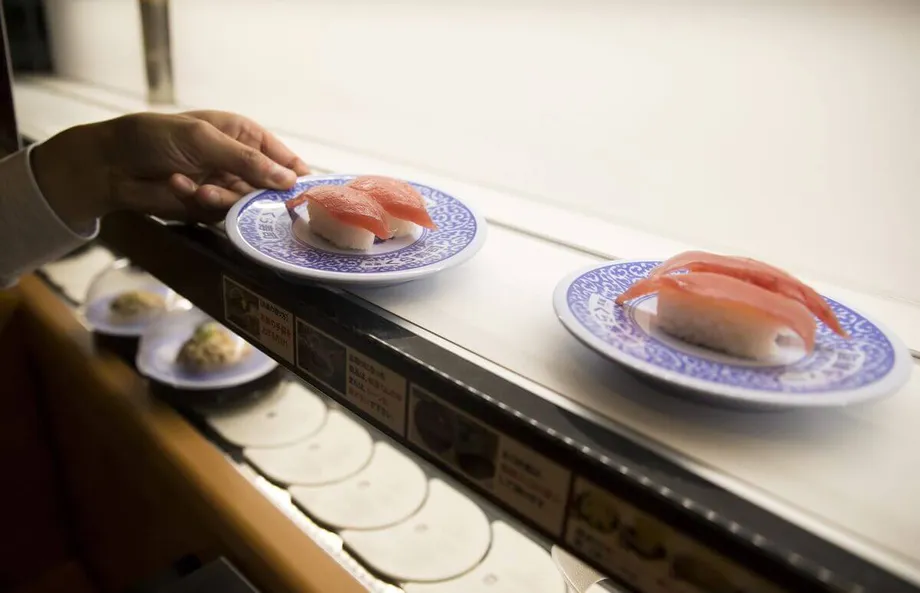
Kura Sushi, one of Japan's major conveyor belt sushi chains, uses an automated system that includes slots for returning empty plates. The condom was placed in one of those slots during the group's evening meal, bringing the prank directly into equipment used in the restaurant's daily operations.
Police identified the group through security camera footage. The boy, whose name was withheld because of his age, admitted his involvement during questioning.
The teenager told investigators that he had wanted a reaction from his friends:
I wanted to post something funny and see how my friends reacted. I did it without thinking about the consequences.
The photograph turned an incident at one table into a much wider business problem. Once viewers identified the location, Kura Sushi had to deal with customers who had seen the image and wanted answers about the restaurant's cleanliness.
The main events unfolded as follows:
- Early 2023: The term "sushi terrorism" emerged to describe a wave of unhygienic and disruptive acts filmed in restaurants and shared online.
- March 28, 2024: A companion of the 16-year-old placed an unwrapped condom in a plate return slot at a Kura Sushi branch in Tokyo's Toshima Ward. The boy photographed it and posted the image on X.
- Within less than 24 hours: The image received more than 10,000 views, and online users identified the chain and location.
- After the incident: The restaurant temporarily closed for disinfection, management filed a complaint, and police used security footage to identify the group before referring the teenager to prosecutors.
Why the Case Reached Prosecutors
The Tokyo Metropolitan Police Department referred the teenager to prosecutors over obstruction of business by fraudulent means, a serious offence under Japanese law. In plain terms, the business complaint concerned conduct that interfered with the restaurant's ability to operate.
Kura Sushi said the prank disrupted its operations and required extensive cleaning and work to restore customer confidence. The temporary closure meant the consequences extended beyond an offensive photograph: the restaurant had to stop serving customers while dealing with the incident.
No final court outcome or date for further proceedings was given. The legal development described was the referral to prosecutors, with the teenager facing the obstruction allegation.
Restaurant chains have increasingly pursued both criminal cases and civil claims in response to this kind of behaviour. Criminal proceedings concern responsibility for an alleged offence, while a civil lawsuit allows a business to seek money for damage it says it suffered.
Operators have adopted a policy of taking action against offenders to discourage further pranks and rebuild trust. Across the wider series of restaurant incidents, the legal consequences have included arrests, prosecutions and lawsuits seeking millions of yen in damages.
How Sushi Terrorism Became a National Concern
"Sushi terrorism," also called "kaiten sushi tero," became a widely used label in early 2023. It describes disruptive or unhygienic acts in restaurants, especially conveyor belt sushi establishments, that people film and circulate online in pursuit of attention.
The behaviour has included licking communal soy sauce bottles and utensils, tampering with food travelling on conveyor belts, and adding excessive wasabi to sushi intended for other customers. Many of those involved have been teenagers or young adults.
A widely discussed case at a Sushiro restaurant in Gifu Prefecture involved a customer licking a piece of sushi and a communal soy sauce bottle before putting them back for others to use. The video first appeared on Instagram and was viewed more than 40 million times on Twitter. It provoked national outrage and was followed by copycat incidents at other chains.
The conduct has extended beyond sushi restaurants to yakiniku restaurants, which serve grilled meat, convenience stores and other eateries. Examples have included someone using a toothpick and returning it to a communal holder, and someone climbing into a freezer containing ice cream.
The common problem is shared access. A bottle, utensil, food display or piece of restaurant equipment can be used by many customers. When a person interferes with it and publishes the act online, a business must address both the physical cleaning and the concern spreading among people who see the footage.
The Cost of Losing Diners' Trust
Japan's reputation for strict hygiene standards, social etiquette and consideration for group harmony helps explain the strength of the reaction. The incidents have challenged expectations about how people behave in shared dining spaces and threatened the reputation of an entire industry.
Conveyor belt sushi restaurants depend on customers trusting the cleanliness and safety of automated systems. Food moves through a shared space, and diners need confidence that other customers will leave it and the surrounding equipment alone. Several prominent pranks have been followed by sharp declines in business.
The wider effects described in the sushi terrorism overview include large numbers of customer complaints, expensive cleaning and changes to restaurant equipment. Shares in parent companies, including Food & Life Companies Co., Ltd., which owns Sushiro, have also fallen in response to negative publicity.
Restaurant operators face several kinds of pressure at once:
- Customer complaints and inquiries require staff time and a response from management.
- Cleaning can be costly and time consuming, with temporary closures interrupting service.
- Communal condiments and utensils may need to be removed or made less accessible.
- Legal proceedings can follow as businesses seek compensation and pursue criminal complaints.
- Negative publicity can affect customers' willingness to visit and investors' confidence in parent companies.
The Tokyo incident illustrates how these pressures connect. A photograph prompted viewers to identify a branch, identification brought complaints, and the restaurant then had to clean the premises and explain its response. The online audience became part of the practical work facing the business.
Anger Over the Prank and Demands for Accountability
Public comments about the condom prank expressed shock, anger and disappointment. Many questioned the judgement of the teenager and the influence of the friends around him.
One person commenting on the incident questioned why the group had found the behaviour amusing:
I'm shocked that he cannot tell right from wrong. The reason, I guess, is simple: the people around this boy are at the same level as him, so they do things like this and find it funny.
Other commenters supported the restaurant's decision to pursue charges, arguing that strict punishment was needed to discourage similar acts. Some called for the boy and his parents to be publicly named and blamed his upbringing.
One commenter placed responsibility on the teenager's parents:
It's the parents' fault. They should have taught their children the kind of problems they could get into if they did something like this.
Another person responding to the case expressed bewilderment at both the act and the decision to publish it:
I don't understand why people find something like this 'funny' and I don't understand why someone would bother uploading it to the internet. Do they not know that in the past, this sort of nuisance behaviour has become a serious problem? A little prank can ruin your life.
Those reactions show the competing demands placed on the response: punishment for disrupting a business, responsibility within families and friendship groups, and education about what can happen when an impulsive act becomes a permanent public record.
Social Media and the Search for a Reaction
The Tokyo teenager's explanation connected his actions to humour and approval from friends. The image was intended to produce a reaction, but its audience quickly grew beyond the people at the table.
Teenagers and young adults involved in similar incidents have sometimes been described in Japanese media as "Z combatants," a tongue in cheek reference to Generation Z and disruptive behaviour online. The label reflects the prominence of young people in the discussion around these videos.
Adolescence is a period when impulsive decisions and taking risks can be especially attractive, particularly in a group. Immediate reactions on X, Instagram and TikTok, together with the prospect of reaching a large audience, can draw attention away from consequences for other people.
The boy's admission that he acted without thinking fits the pattern described in earlier incidents. A person seeks a funny or shocking post, friends or followers respond, and the activity spreads into a much larger event involving businesses, employees and authorities.
For the restaurant, the audience's reaction meant complaints and a closure. For the teenager, it meant identification through security footage, police questioning and referral to prosecutors. The same photograph connected a moment of peer approval to consequences in the physical world.
How Restaurants Are Changing Their Response
Kura Sushi, Sushiro and Hama-sushi have announced plans to strengthen monitoring, cleaning and legal responses. Their measures address both opportunities for tampering and the need to show customers that concerns are being taken seriously.
The announced responses include:
- Installing more security cameras to monitor customer behaviour.
- Removing or limiting communal condiments and utensils.
- Strengthening cleaning procedures and publicising hygiene measures.
- Pursuing legal action against offenders, including civil lawsuits seeking damages.
Some chains have considered replacing physical conveyor belts with virtual systems or using individual serving arrangements to reduce opportunities for interference. Others have considered limiting the shared items that customers can reach.
Business leaders argue that these measures are needed to restore confidence and protect the reputation of Japanese dining. Cameras can help identify people after an incident, as happened in Tokyo, while changes to serving arrangements aim to reduce the chances of tampering in the first place.
Restaurants also have to make their cleaning response visible to customers. A branch may finish disinfecting its premises while people elsewhere are still discovering the original image. Public explanations about hygiene therefore form part of the work of bringing diners back.
Government Concern and the Wider Debate
The Japanese government has pledged to monitor the situation and support industry efforts to maintain food safety and public order. The Ministry of Agriculture, Forestry and Fisheries has recognised the effect on the wider food sector.
Agriculture Minister Tetsuro Nomura addressed the disruption facing food businesses:
It is very unfortunate that such an act took place, as it had a significant impact on food industry operators, and the Ministry of Agriculture, Forestry and Fisheries will pay special attention to the situation in the future.
The cases have also brought attention to how laws on obstruction of business and public nuisance apply to disruptive acts circulated through digital platforms. Companies' willingness to pursue criminal and civil action reflects concern about financial losses, customer trust and the ability of social media to interrupt ordinary business.
The discussion reaches beyond restaurant equipment and court proceedings. Calls for education at home and in schools focus on personal responsibility, behaviour online and understanding that a post can affect people who never agreed to take part.
The Tokyo case brings those concerns into concrete focus: a group of friends, a plate return slot, a photograph seen more than 10,000 times within a day, and a restaurant forced to suspend service. By June 26, 2025, the account of the incident centred on the police referral, the business disruption and the wider effort to prevent similar behaviour.
Key Points
- A 16-year-old photographed a condom placed by a companion in a plate return slot at a Kura Sushi restaurant in Tokyo's Toshima Ward on March 28, 2024.
- The image received more than 10,000 views in less than 24 hours, bringing complaints and inquiries to the chain.
- The restaurant closed temporarily for disinfection, and police referred the teenager to prosecutors over obstruction of business by fraudulent means.
- The incident followed other restaurant pranks involving food, communal bottles, utensils and shared equipment.
- Restaurant chains have responded with cameras, changes to shared items, cleaning measures and legal action.
- Public debate has focused on punishment, parental responsibility and the consequences of seeking attention online.