A Late Night Craving Meets a Different Shopping Rhythm
For Sawa, the Japanese YouTuber also known as Kawano Sawako, moving to France after marrying a Frenchman meant adjusting to life without one of Japan's most familiar comforts: the convenience store. During pregnancy, or when a craving arrived late at night, the difference became especially noticeable. In Japan, a nearby shop could supply a favorite food, a drink or an unexpected necessity. In France, closed doors often meant waiting.
Contents
- A Late Night Craving Meets a Different Shopping Rhythm
- What a Japanese Konbini Provides
- France Organizes Shopping Differently
- Why Pregnancy Made Sawa Miss Konbini
- A Tokyo Shop That Felt Unimaginable
- Small Acts of Service Leave an Impression
- Why France Has Few Stores Open Around the Clock
- French Mini-Markets Fill Part of the Gap
- The Foods French Visitors Remember
- Learning to Plan Without Losing the Nostalgia
- Key Points
Sawa, who discusses life abroad in interviews and on her YouTube channel, Sawa France, places convenience stores high among the things she misses about Japan. She has adapted to French life, yet still feels the absence of somewhere that can answer a small, immediate need with little planning.
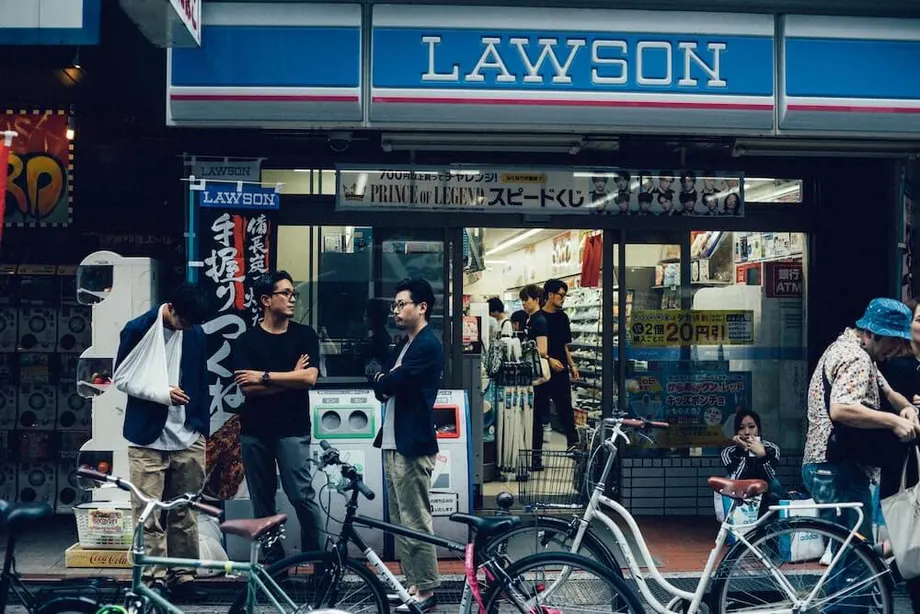
Japanese convenience stores, known as konbini, combine food shopping with services such as cash withdrawals, bill payments and package delivery. Many operate 24 hours a day, seven days a week. In urban areas, several may be within walking distance, making them an easy part of everyday routines.
France has neighborhood grocery shops, mini-markets and supermarkets, but the equivalent of a shop open around the clock with so many functions is rare. Shopping more often follows opening hours, market schedules and plans made before the cupboards run empty.
The contrast is felt in both directions. Japanese residents in France can miss the freedom to buy something whenever they need it. French visitors in Japan can be astonished by the food, services and attentive treatment available in a brightly lit store in the middle of the night. What looks like a difference between shops becomes a difference in how people arrange their day.
What a Japanese Konbini Provides
A Japanese convenience store is much more than a place to buy a drink or a packet of snacks. Its shelves bring together fresh food, household goods and everyday necessities, while its services can save customers several separate trips.
Onigiri, or rice balls, sit alongside bento boxes, which are packaged meals, as well as seasonal sweets and a wide selection of beverages. The variety and quality surprise many foreign visitors. Products are carefully selected, and the changing range gives returning customers something new to try.
ATMs allow customers to withdraw cash. Bill payment and package delivery services turn the same shop into a place to handle practical errands. A person who comes in for lunch may also complete a task that would otherwise require another stop.
Cleanliness, a sense of safety and polite staff contribute to the appeal. For tourists and foreign residents, the lasting impression often comes from the combination: a shop nearby, useful products inside and assistance available when needed.
France Organizes Shopping Differently
French daily shopping relies on supermarkets, open-air markets and small specialty shops, alongside neighborhood groceries known as épiceries and mini-markets. Most stores have more limited hours than Japanese konbini, often closing in the evening and on Sundays.
Those hours reflect cultural expectations around the balance between work and personal life, as well as religious observance. French labor rules restricting work late at night and on Sundays also make continuous operation difficult.
Grocery shopping is typically done once or twice a week, with fresh ingredients an important consideration. Planning purchases and buying enough for the week take a larger role than making repeated visits for individual items.
Quality, tradition and sustainability are valued in this shopping culture. For someone accustomed to Japan's convenience stores, the adjustment involves both where to buy things and when to think about buying them. A meal or household item that could be picked up spontaneously in Japan may need to go on a shopping list in France.
Why Pregnancy Made Sawa Miss Konbini
Sawa's experience gives the contrast a personal scale. Her memories of Japanese convenience stores are tied to moments when she wanted a particular food or drink immediately, especially during pregnancy.
In Japan, satisfying that craving could mean a short trip to a nearby konbini. The same store might also provide a quick meal or a household item that had been forgotten earlier in the day. That flexibility made an unexpected need relatively easy to manage.
France offered fewer such options. Shops closed earlier, and the selection available nearby was more limited. Sawa found herself wishing she could quickly pick up something familiar, only to remember that the option was unavailable.
Her reflections concern a practical part of settling abroad: habits formed around reliable access do not disappear as soon as someone moves. Even after adjusting to French life, the expectation that a shop should be available can return with a late night craving.
A Tokyo Shop That Felt Unimaginable
French visitors often encounter the same contrast from the other side. The number of Japanese convenience stores, the quality of their food and the breadth of their services can be surprising to people used to more restricted opening hours.
One French visitor, walking in Tokyo late at night, described the sight of a brightly lit, busy convenience store as "unimaginable" in France. Late night shopping options are scarce there, and concerns about safety can discourage people from going out.
In Tokyo, the visitor could buy a hot meal, withdraw money and purchase an umbrella in the middle of the night. Those three ordinary needs being met under one roof made a strong impression.
For visitors, the experience can feel almost surreal because it changes what they expect to be possible at that hour. Dinner, cash and protection from the rain need not become separate problems to solve the next morning.
Small Acts of Service Leave an Impression
Japanese convenience store service also attracts attention. Staff are known for politeness and care over details, including asking whether a newly purchased item will be used immediately.
An umbrella or a pair of gloves may prompt that question. Removing the packaging or offering a little extra assistance makes the purchase ready to use as the customer leaves.
Olivier, a French resident in Japan, described how a cashier's attention to an umbrella purchase surprised him:
I was surprised when the cashier asked if I wanted to use the umbrella right away and then removed the packaging for me. Such attention to detail is unheard of in France.
French retail generally places more weight on customers serving themselves, with less interaction at the checkout. The kind of assistance Olivier described is therefore memorable precisely because it extends beyond completing the payment.
For foreign customers, such encounters help explain why konbini are associated with Japanese hospitality as well as efficiency. The appeal lies in both the availability of an item and the care taken when handing it over.
Why France Has Few Stores Open Around the Clock
France's limited number of stores operating 24 hours reflects a combination of cultural, economic and regulatory factors. Labor laws restrict work during the night and on Sundays, making the Japanese model difficult to reproduce.
The value placed on time away from work also shapes expectations about opening hours. Concerns about safety in cities add another reason why retail activity late at night is less widespread.
Supermarkets, open-air markets and specialty shops meet much of the demand instead. Customers tend to plan ahead and buy larger quantities for the week, reducing their reliance on frequent trips for small purchases.
The difference reaches beyond the shop itself. Longer hours require people to work those hours, while shorter hours require customers to arrange purchases around them. Japan's emphasis on access and France's emphasis on a more deliberate shopping routine place that adjustment in different parts of daily life.
French Mini-Markets Fill Part of the Gap
France has seen a modest increase in mini-markets and stores offering greater convenience, especially in major cities such as Paris. Monop', Carrefour Express and Franprix provide extended hours and a selection of prepared foods that can be eaten immediately.
These chains make it easier to handle a quick shopping trip or find a meal without a full supermarket visit. Their hours, product variety and services still fall short of the Japanese konbini model, particularly when it comes to availability around the clock.
Traditional neighborhood grocery shops have long served customers needing an emergency purchase or something late at night. Some are referred to by the colloquial French expression "Arabes du coin," translated as "corner Arab shops."
Such shops are generally small, carry a limited selection and charge higher prices. They are not open around the clock. Their role helps explain how France meets some immediate shopping needs while retaining a retail pattern quite different from Japan's.
The Foods French Visitors Remember
French visitors frequently develop favorites among Japanese convenience store foods. Tuna and mayonnaise onigiri are especially popular, along with karaage, or fried chicken, and sweets and snacks that are uncommon in France.
Freshness, quality and unfamiliar Japanese flavors all contribute to the attraction. A quick purchase can become part of the travel experience rather than simply a way to get through a meal.
Marie, a French tourist, described her enthusiasm for the rice balls and snacks:
I loved the onigiri and the variety of snacks. In France, you can't find such fresh and tasty options at a convenience store, especially late at night.
Salads, fruit cups and vegetable sticks also impress some visitors looking for nutritious food that is ready to eat. Being able to find those options at any hour contrasts with the more limited selection in French convenience shops.
The range matters because customers do not all arrive with the same need. One person wants a hot snack, another wants fruit, and another needs a full meal. Japanese konbini bring those choices together in a setting designed for a quick stop.
Learning to Plan Without Losing the Nostalgia
Japanese residents in France gradually learn a different routine: planning meals, writing shopping lists and buying bread, produce and other staples at supermarkets or local markets. Shopping once or twice a week becomes a way to work around limited opening hours.
The change can still be frustrating. A forgotten item, a sudden craving or the need for a quick meal may arrive after the shops have closed. Some Japanese expatriates describe anxiety or inconvenience when they realize that an immediate solution is unavailable.
Over time, many adjust to the slower rhythm. Some come to appreciate the French focus on quality, tradition and sustainability, even while missing the spontaneity of shopping in Japan.
Visits home can bring that nostalgia back into focus. Many expatriates make a point of going to a konbini soon after returning to Japan, buying favorite foods and seeing how the selection has changed.
Japan's approach shows the practical benefits of accessibility, innovation and customer service. France's approach places greater weight on tradition, quality and a balanced lifestyle. Each provides something the other can learn from, and changing lifestyles may create room for retail models that combine elements of both.
Key Points
- Japanese konbini combine fresh food, household goods, ATMs, bill payments and package delivery, often with service 24 hours a day.
- Sawa, also known as Kawano Sawako, describes missing that immediate access after moving to France, especially during pregnancy and late at night.
- French shopping relies more on planned trips, supermarkets, markets and specialty shops, with restricted evening and Sunday hours.
- Labor rules, economic factors, safety concerns and expectations about time away from work help explain France's different retail pattern.
- Monop', Carrefour Express, Franprix and traditional neighborhood groceries meet some quick shopping needs without matching the full Japanese model.
- French visitors value konbini food, variety and attentive service, while Japanese residents in France learn to plan ahead and may come to appreciate the local shopping rhythm.