A generational divide over defense and daily life
Nearly half of Okinawans aged 18 to 34 supported strengthening Japan's Self-Defense Forces in a 2022 survey, revealing a sharp divide with older residents in a prefecture whose relationship with the military remains shaped by war, American occupation and the concentration of U.S. bases.
Contents
- A generational divide over defense and daily life
- The battle that shaped older generations
- How occupation became a lasting base presence
- What the surveys show
- For some young residents, bases are ordinary surroundings
- Why military employment attracts young Okinawans
- Regional security changes the debate
- Military service can divide and reconnect families
- Schools face a shrinking connection to survivors
- Acceptance grows while disputes continue
- Key Points
The survey, conducted by Meisei University Professor Hiroyuki Kumamoto and colleagues, found that 47% of respondents in that younger age group favored a stronger Self-Defense Forces, or SDF, while 21% opposed it. Among people aged 65 and older, 24% supported strengthening the SDF and 64% opposed it. Support among younger respondents was 23 percentage points higher than among the older group.
Okinawa, Japan's southernmost prefecture, has long been central to arguments over national security, the military presence and the legacy of World War II. Younger residents increasingly approach those arguments through employment, economic stability and concerns about security in East Asia. Older residents often bring memories of the Battle of Okinawa and the hardships that followed.
The change is unfolding alongside continuing protests, anger over crimes and accidents involving U.S. personnel, and efforts to preserve survivors' accounts. Acceptance, resignation and support for stronger defenses all appear in the changing attitudes. Some younger residents see military facilities as an ordinary part of their surroundings, while others see military service as a way to protect people and earn a stable living.
The central tension is concrete: Okinawa continues to carry a heavy share of the American military presence in Japan, even as generations within the prefecture increasingly differ over how to respond.
The battle that shaped older generations
The Battle of Okinawa in 1945 killed more than 200,000 people, including a large number of civilians. The destruction left lasting scars on survivors and their families. Stories of loss, hardship and the horrors of war became central to local opposition to military expansion, whether involving foreign forces or Japanese forces.
Tamaki Rieko, a survivor aged 91, lost her family during the battle. Her account recalls wandering the battlefield alone and living with the psychological effects afterward. Testimonies such as hers, shared at peace gatherings in local schools, give students a personal connection to suffering that otherwise might seem distant.
Survivors and their descendants have passed these experiences from one generation to the next. For many older Okinawans, opposition to the military grows from what happened to their families and communities, followed by the difficulties of the occupation and the continuing presence of bases.
Peace education has sought to keep those experiences alive so that the lessons of war are not forgotten. As survivors grow older and fewer remain able to speak directly to students, preserving that connection becomes more difficult.
How occupation became a lasting base presence
Okinawa remained under U.S. administration after Japan's defeat in World War II. The rest of Japan regained sovereignty in 1952, but Okinawa did not return to Japanese control until 1972, two decades later. During the occupation, the United States established numerous military bases, often through forced land seizures.
Even after the return to Japanese control, about 70% of all U.S. military facilities in Japan remained concentrated in Okinawa. The prefecture accounts for only about 1% of the country's land area and population. That concentration has sustained demands for reductions in the military presence or the removal of bases.
The main historical turning points explain why the issue reaches beyond current defense policy:
- 1945: The Battle of Okinawa killed more than 200,000 people, including many civilians.
- 1952: The rest of Japan regained sovereignty while Okinawa remained under U.S. administration.
- 1972: Okinawa returned to Japanese control, with a substantial U.S. military presence continuing afterward.
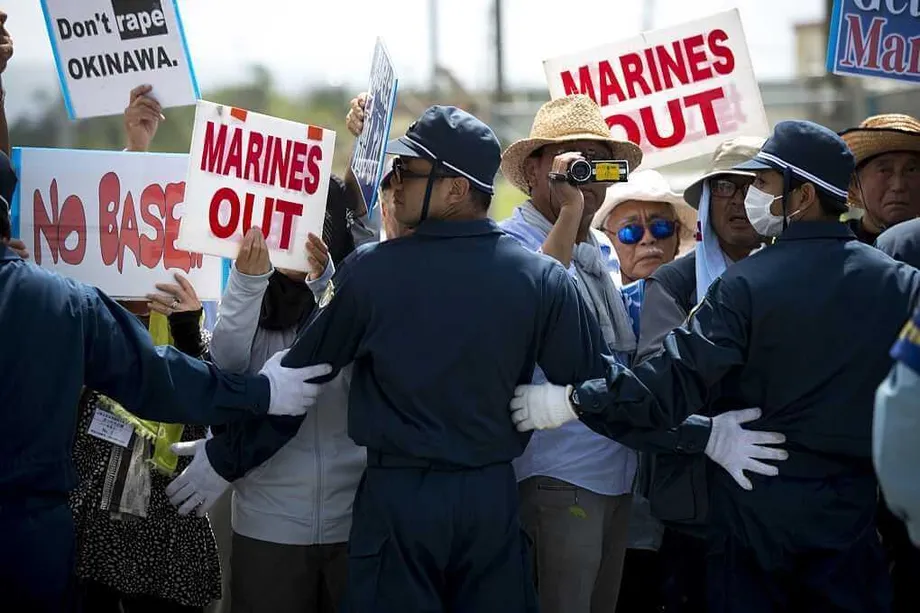
Crimes and accidents involving U.S. military personnel have repeatedly renewed tensions. Older residents who experienced the war and its aftermath have been especially vocal in protests and campaigns against the bases.
What the surveys show
Kumamoto and his colleagues found differences that extended beyond support for strengthening the SDF. Their 2022 survey showed that younger Okinawans were more accepting of the current military presence and more supportive of stronger Japanese forces and the U.S.-Japan security alliance.
Only 28% of younger respondents considered the concentration of U.S. bases in Okinawa "unfair," compared with 64% of older respondents. The gap was 36 percentage points. The same survey found that 55% of respondents under 34 considered movements protesting the bases "meaningless," reflecting a sense of resignation or acceptance.
The figures describe different parts of the debate. The SDF are Japan's own forces, while the U.S. bases are facilities used by American forces. The security alliance connects the two countries' defense relationship. Residents may therefore be considering national defense, the location of military facilities and the usefulness of protest when answering different survey questions.
A 2021 Ryukyu Shimpo poll also showed a difference in priorities. Older Okinawans were more likely to place the base issue first, while younger residents were more likely to identify economic concerns as their leading priority. Jobs and financial security compete with the military question for younger residents' attention.
For some young residents, bases are ordinary surroundings
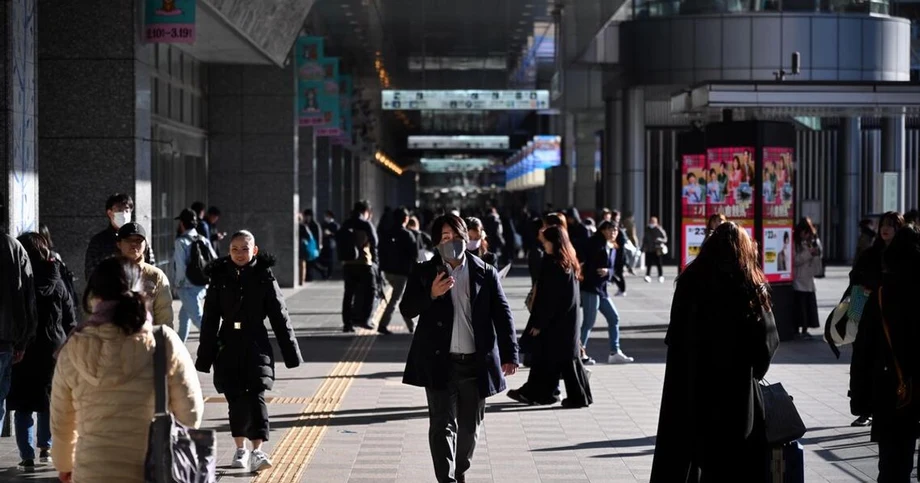
Many younger Okinawans have grown up with military facilities already present. Their daily experience differs from that of residents who remember the war, occupation or the seizure of land. A local official described how familiar the bases have become to the younger generation.
For the younger generation, bases are just part of the landscape. There's no sense of discomfort.
Kumamoto connects the generational gap partly to the fading of direct memories of war. As the population ages, fewer people have personal or family connections to the trauma of the Battle of Okinawa. Younger residents increasingly consider the issue in terms of employment, economic stability and national security.
The finding that 55% of younger respondents viewed protest movements as meaningless adds another dimension. Some residents appear to have adapted to a situation they regard as unlikely to change. Their acceptance can involve resignation about the continuing presence of bases, alongside practical decisions about work and daily life.
Okinawa's changing attitudes therefore involve several experiences at once: distance from wartime suffering, familiarity with military facilities, concern about regional tensions and a focus on making a living.
Why military employment attracts young Okinawans
Okinawa remains one of Japan's poorest prefectures, with lower average incomes and higher unemployment than the national average. For residents seeking reliable work, military employment can offer stability in a difficult local economy.
The bases provide jobs directly and support work in related industries. The expansion of SDF facilities in the region has also created employment opportunities, making service in Japan's forces a more attractive choice for some young people.
According to the Ministry of Defense, Okinawa's share of new SDF recruits nationwide had been rising and exceeded 2% in 2023, despite the prefecture's small share of Japan's population. The trend reflects both the attraction of military employment and the growing familiarity of the SDF within local society.
For a young resident weighing a career, the military can therefore represent a regular income and a role in public service. For an older relative whose understanding of armed forces comes from wartime suffering, the same choice can carry painful associations. Those different experiences help explain why a decision about work may become a difficult family discussion.
Regional security changes the debate
China's growing military power and tensions over Taiwan and the South China Sea have heightened concerns about Japan's defense. The Japanese government has responded by strengthening the SDF presence in the southwestern islands, including Okinawa, and deepening security cooperation with the United States.
Younger Okinawans have grown up hearing frequent discussion of regional security threats. Some see stronger Japanese forces and a continuing U.S. presence as necessary for peace and stability. Kumamoto, the Meisei University professor who led the 2022 survey, described how concern about China is shaping younger residents' views.
The perception of China's military expansion as a threat has become widespread, especially among the younger generation, who tend to accept the current concentration of bases in Okinawa. As generational change progresses, this tendency is likely to strengthen further.
The security argument gives the military presence a different meaning for residents focused on current regional tensions. Where older generations may begin with the suffering caused by war and occupation, younger residents may begin with concern about protecting their communities from a future conflict.
Both perspectives concern safety, but they lead people toward different judgments about the role that armed forces should play in Okinawa.
Military service can divide and reconnect families
Some young SDF members from Okinawa describe their service as a contribution to society and a way to build understanding between the military and local residents. Their motivations combine a sense of duty with the practical opportunities that military employment provides.
A young SDF officer from Okinawa described his reason for serving in terms of protecting the public.
I want to fulfill my duty to protect the lives and property of the people.
Another account from a young officer described initial opposition from his grandparents, who had survived the war. He eventually gained their support by sharing his experiences and explaining his motivations.
Such family conversations show how Okinawa's past and present meet in individual decisions. Relatives can retain painful memories of war while coming to understand why a younger family member chooses service. Young personnel, in turn, may have to explain their work to people whose experiences make military institutions deeply troubling.
Schools face a shrinking connection to survivors
Peace education remains part of school learning in Okinawa, but opportunities for detailed discussion and dialogue between generations have diminished. Some educators say that peace studies are not a formal subject, making it difficult to secure the time and resources needed for comprehensive programs.
Students consequently have fewer opportunities for direct exposure to survivors' experiences and perspectives. The loss is especially pressing as the number of surviving witnesses declines. A recorded historical account and a conversation with someone who lived through the battle offer different ways of encountering the past.
Students visiting Okinawa from elsewhere in Japan sometimes arrive better informed about the island's history because they have studied it before their school trips. That contrast points to a possible gap in local historical awareness, even where the physical presence of military facilities is familiar.
A peace educator warned about the consequences of growing up without a clear understanding of the issues.
If people grow up without a clear understanding of the issues, they may become adults who simply accept things as they are, without questioning or seeking change.
Peace activists and educators argue for continued dialogue between generations and thoughtful engagement with history. Their concern is that a lack of knowledge can lead to apathy, allowing injustice to continue without challenge.
Acceptance grows while disputes continue
Older Okinawans continue to campaign for fewer bases or their removal, pointing to the prefecture's disproportionate burden and the social problems associated with the military presence. Crimes and accidents involving U.S. personnel remain sources of anger.
Sexual violence and other crimes by U.S. servicemen have caused particular resentment, especially when residents believe authorities have concealed incidents or responded inadequately. Those grievances remain part of daily political life alongside the growing acceptance recorded among younger people.
Okinawa's changing opinions bring together several pressures: economic hardship, security concerns, familiarity with military facilities and the gradual loss of direct memories of war. Residents give those pressures different weight according to their experiences and priorities.
Survivors such as Tamaki continue to connect the present with the human cost of 1945. Younger residents face decisions about employment, public service and safety in today's East Asia. The debate increasingly turns on how those generations share their experiences while addressing the continuing burdens of the military presence.
Key Points
- A 2022 survey found that 47% of Okinawans aged 18 to 34 supported strengthening the SDF, compared with 24% of those aged 65 and older.
- Among younger respondents, 28% considered the concentration of U.S. bases unfair, compared with 64% of older respondents.
- About 70% of U.S. military facilities in Japan remained concentrated in Okinawa after its return to Japanese control, despite the prefecture accounting for about 1% of national land area and population.
- Economic concerns, military employment and tensions in East Asia help explain changing attitudes. Okinawa supplied more than 2% of new SDF recruits nationwide in 2023.
- Protests and anger over crimes and accidents continue, while educators work to preserve memories of the Battle of Okinawa, which killed more than 200,000 people.