A RM100 Food Basket Shows the Pressure on Families
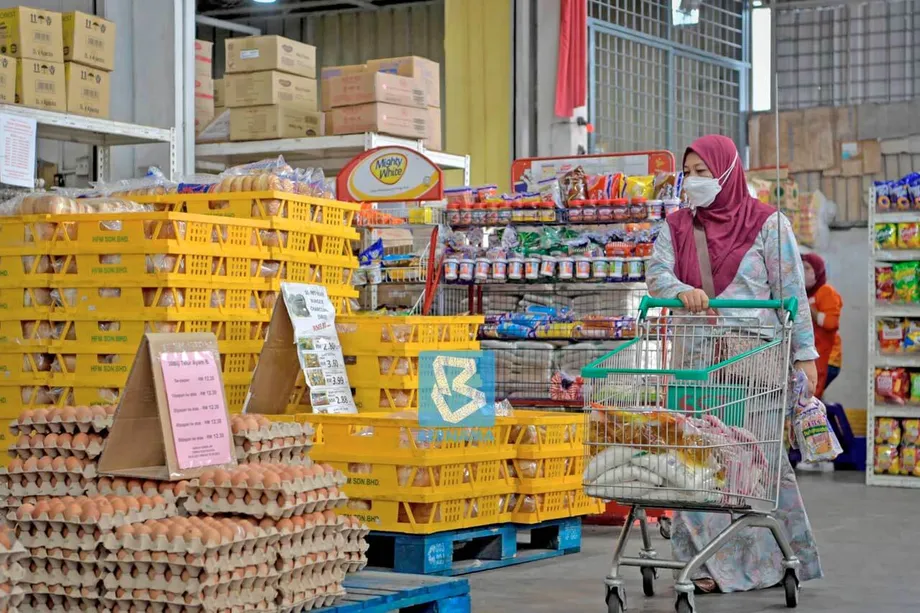
A basket of food that cost RM30.90 in Malaysia in 1980 required RM100 in 2024, according to figures attributed to the Department of Statistics Malaysia (DOSM). For families buying the same amount of food, that means finding more than three times as much money. The comparison describes an erosion of purchasing power of nearly 70% over the past five decades.
Contents
- A RM100 Food Basket Shows the Pressure on Families
- Who Has the Least Room to Absorb Higher Prices?
- Imported Food Brings Global Shocks Into Local Shops
- Floods, Droughts and Unequal Costs Across Malaysia
- Why More Meals Are Bought Away From Home
- Children Face Hunger and Unhealthy Weight Together
- Wages and Subsidies Leave Gaps in Family Budgets
- Food Security Means Affordable Nutrition
- Key Points
By June 17, 2025, the pressures described by those figures reached beyond grocery bills. Lower and middle income households faced decisions about which foods to buy, which other expenses to reduce and whether they could afford enough nutritious meals for their children.
DOSM figures put growth in the Consumer Price Index (CPI) for food and beverages at 3.2% between 2010 and 2024. The CPI tracks changes in the prices of a basket of goods and services. Malaysia's official inflation rate may appear moderate compared with some regional neighbours, yet even gradual increases can be difficult for families whose earnings leave little money after essential bills.
Food inflation also accumulates. When prices rise more slowly, a household can still face a higher bill than it did several years earlier. Affordability depends on both the price at the checkout and the income available to pay it.
The figures describe several stages of the pressure:
- 1980 to 2024: The food basket comparison rose from RM30.90 to RM100.
- 2010 to 2024: The reported CPI growth figure for food and beverages was 3.2%.
- 2022: Average monthly household spending on food and beverages reached RM841.
- 2023: Nearly half of families in low income urban communities reported increasing their consumption of instant noodles, compared with 40% during the pandemic.
Together, these measures connect a long rise in prices with more recent changes in spending and eating. The greatest strain falls on households with the smallest financial cushion.
Who Has the Least Room to Absorb Higher Prices?
Households in the bottom 40% of the income distribution, known as B40, were defined in the figures cited as earning below RM5,250 a month. According to DOSM's Food Security report, they allocated more than 71% of their expenditure to daily necessities, with food the largest component.
Middle income households, the M40 group, allocated 67% of spending to necessities, while the top 20%, or T20, allocated 64%. The seven percentage point gap between the B40 and T20 shares shows how much more tightly essentials constrain the budgets of poorer households.
Malaysian households spent an average of RM841 a month on food and beverages in 2022, equivalent to 16.3% of total expenditure and described as the largest spending category. Families facing higher food bills cut back on clothing, entertainment and travel to protect spending on meals.
Dr. Oh Ei Sun, Senior Fellow at the Singapore Institute of International Affairs, described how food costs interact with household earnings:
Food expenses alone can constitute up to 20% of household income, rendering price increases in this sector especially burdensome. Inflation in Malaysia tends to be gradual but persistent, often outpacing wage growth and leading to affordability challenges for many households.
Lower income families have fewer expenses they can comfortably remove. Some reduce meal frequency, replace nutritious foods with cheaper alternatives or skip meals altogether. A price increase that another household absorbs by postponing a trip can therefore change what a poorer family eats each day.
Middle income households face their own squeeze. Their earnings can place them outside some assistance programmes while still leaving them struggling to meet rising costs, especially where housing, transport and food compete for the same monthly income.
Imported Food Brings Global Shocks Into Local Shops
Malaysia is a net food importer, meaning it buys more food from abroad than it sells overseas. That dependence exposes households to changes in international prices and to disruptions far from Malaysian farms and markets.
The conflict between Ukraine and Russia has disrupted supplies from two major exporters of grains and fertilisers. Those disruptions have pushed up the costs of staples such as rice and wheat, as well as chicken feed. More expensive feed can raise the cost of producing food before it reaches a shop or restaurant.
A weaker ringgit adds another layer of pressure. Imported food becomes more expensive in Malaysian currency, placing additional costs on businesses that buy abroad and on the households purchasing their products.
Dr. Ahmed Razman Abdul Latiff, an economic analyst at Putra Business School, explained the combination of international and domestic pressures:
External factors like climate change have disrupted agricultural yields, leading to increased food prices, while geopolitical tensions have contributed to supply chain disruptions, further elevating costs. At home, a weaker ringgit has made imports more expensive, affecting the prices of essential goods and services.
Families experience these forces through the prices of ordinary meals. A rise in grain, fertiliser or feed costs can work its way through production and distribution, making several foods more expensive at the same time.
Floods, Droughts and Unequal Costs Across Malaysia
Malaysia's agriculture and agro-food sectors suffered losses of nearly RM112 million from monsoon weather in December 2022 alone. Severe flooding, droughts and unpredictable weather damage crops and reduce the amount of food farmers can harvest.
Rising sea levels also threaten paddy fields in key rice producing states. Temperature changes are projected to reduce rice yields by up to 33% by 2030. A yield is the amount harvested from a given area, so a decline means less rice from the land being cultivated.
Farm losses and lower harvests put pressure on local supplies alongside the costs of imports. Households can therefore face rising prices whether their food is grown domestically or purchased from overseas.
Kuala Lumpur, Johor Bahru and Penang face higher food prices than rural areas. City dwellers also spend a larger share of their income on food, adding to the demands on budgets already stretched by urban living costs.
Urban families that cannot supplement meals with homegrown produce must purchase everything they eat. For them, there is little protection from changes in market prices. Every replacement meal or cheaper ingredient must still fit within the money available.
Why More Meals Are Bought Away From Home
Research by the Khazanah Research Institute describes a shift from meals cooked at home towards eating at restaurants, cafés and street stalls. Convenience matters, particularly for people managing long working hours and the demands of urban life.
Food bought away from home has been increasing in price faster than food prepared at home. Eating out is also more expensive and often less nutritious, placing households under pressure from both the cost of a meal and its nutritional quality.
Low income families can find the expense difficult to sustain, yet time constraints leave some with little choice. Preparing food at home requires time as well as ingredients. For a household with long working days, the cheapest shopping basket may not translate easily into meals that can be prepared every day.
Frequent consumption of restaurant or street food is associated with higher calorie intake and poorer diet quality. Alongside this shift, rising prices lead some households to replace fresh produce, dairy products and foods rich in protein with instant noodles, fried foods and sugary drinks.
These substitutions help explain the nutrition transition described in low income communities. Families obtain inexpensive calories while losing some of the variety and nutrients needed for a balanced diet. The consequences are especially concerning for children in low cost housing areas.
Children Face Hunger and Unhealthy Weight Together
Studies by Universiti Malaya's Social Wellbeing Research Centre and UNICEF have documented a worrying rise in both undernutrition and obesity among Malaysian children. In low income urban communities, nearly half of families reported increasing their consumption of instant noodles in 2023, up from 40% during the pandemic.
The nutrition figures cited alongside those findings show 15% of children under five as underweight, 22% as stunted, and 23% as overweight or obese. Stunting means a child is too short for their age and reflects problems with growth and nutrition.
Undernutrition and obesity can exist within the same community because enough calories and enough nutrients are different needs. Cheap foods high in fat, sugar and salt may supply energy while providing too little of the nutrients required for healthy growth.
This coexistence is known as the double burden of malnutrition. Families trying to stretch a food budget can face both inadequate nutrition and unhealthy weight, with longer term risks including diabetes, heart disease and hypertension, or high blood pressure.
A UNICEF study found that 52% of children in low income households in Kuala Lumpur ate fewer than three meals a day, a sharp increase from levels before the pandemic. For those families, the problem extends from the quality of meals to whether enough meals can be provided at all.
Dr. Amjad Rabi, co-author of a study on food affordability, illustrated the gap between wages and the cost of a basic food:
While a minimum-wage worker in the Netherlands needs only four minutes of labour to buy one litre of milk, a Malaysian worker must work for 58 minutes to afford the same amount. This affordability gap forces many households to substitute unhealthy, calorie-dense alternatives such as instant noodles and fried foods, which are cheaper but nutritionally inadequate.
The comparison puts affordability in terms of working time. Milk requires 54 more minutes of labour in the Malaysian example, showing why the relationship between pay and prices matters as much as the price itself.
Wages and Subsidies Leave Gaps in Family Budgets
Household income has struggled to keep pace with food costs. The wage comparison cited places Malaysia's minimum wage at RM1,500 a month, below the RM2,600 living wage benchmark proposed by Bank Negara in 2018. A living wage is intended to reflect the income needed to meet living costs.
Slow wage growth and limited bargaining power leave many workers unable to secure pay increases that match their expenses. Even modest food price rises can then have a large effect on B40 and M40 household budgets.
Government subsidies and price controls on items including rice, cooking oil and electricity provide relief. Their reach is limited by broader problems in earnings, production costs and public finances.
Malaysia spent RM77.7 billion on subsidies in 2022, about 27% of federal government revenue. Fiscal pressure has prompted a shift towards more targeted assistance, including cash handouts for vulnerable groups, although many families in need still receive inadequate support.
Samuel Tan, chief executive officer of Olive Tree Property Consultants, described why some households above the B40 threshold also struggle:
Lower-income households, particularly those in the B40 income group, are the hardest hit. This group benefits from various government subsidies and assistance programmes. However, the M40 group, which earns between RM5,250 and RM11,819 per month, faces a particular challenge, as they receive fewer subsidies and their income often falls short of meeting rising costs. Greater support for this segment is needed.
Targeting assistance means directing support towards selected groups rather than subsidising everyone equally. For families, the practical issue is whether eligibility and payment levels match the costs they face. Subsidies help in the short term, while their cost to the government limits their use as a lasting answer on their own.
Food Security Means Affordable Nutrition
Malaysia's food security challenge extends beyond producing enough rice or other staples domestically. It also concerns whether people can obtain affordable, nutritious food wherever they live and whatever their income.
The government has taken steps to diversify food sources, invest in sustainable agriculture and strengthen supply chain infrastructure. Those efforts address where food comes from and how it reaches consumers. Broader economic reforms are also needed to address the gap between household resources and food costs.
Dr. Nazrul Hazizi Noordin of IIUM called for stronger domestic agriculture as part of that response:
Malaysia needs a sustainable approach to food security, focusing on strengthening the agricultural sector. Without comprehensive reforms, middle- and lower-income households will continue to bear the brunt of the economic strain.
The policy recommendations described cover both the ability to buy food and the ability to produce it:
- Raise the minimum wage and link it to inflation so earnings keep pace with rising costs.
- Expand social assistance and improve its delivery, including school feeding programmes and universal childcare allowances.
- Invest in agriculture that can withstand changing weather, including resistant crop varieties and efficient water management.
- Promote financial literacy and education to help households manage money and make healthier food choices.
- Encourage local food production to reduce dependence on imports and cushion international price shocks.
International organisations including the Asian Development Bank have found government aid to be the most effective strategy for reducing food insecurity among vulnerable groups. As Malaysia's population ages and becomes more urban, support must also reach retirees, people with disabilities and residents of cities with high living costs.
Families need relief at the point where food prices meet their budgets. Stronger agriculture addresses supply, while better wages and effective assistance address purchasing power. Both are part of making nutritious meals affordable.
Key Points
- A food basket costing RM30.90 in 1980 required RM100 in 2024, according to figures attributed to DOSM.
- B40 households devoted more than 71% of expenditure to necessities, compared with 67% for M40 and 64% for T20 households.
- Import dependence, a weaker ringgit, conflict and weather damage have added to food costs.
- Families are changing meals and ingredients, with children facing both undernutrition and unhealthy weight.
- Malaysia spent RM77.7 billion on subsidies in 2022, about 27% of federal revenue, while gaps in assistance persisted.
- Proposed responses combine higher wages, better social assistance, stronger local production and farming adapted to changing weather.