A Woman Emerging From a Sewer Brought Hidden Lives Into View
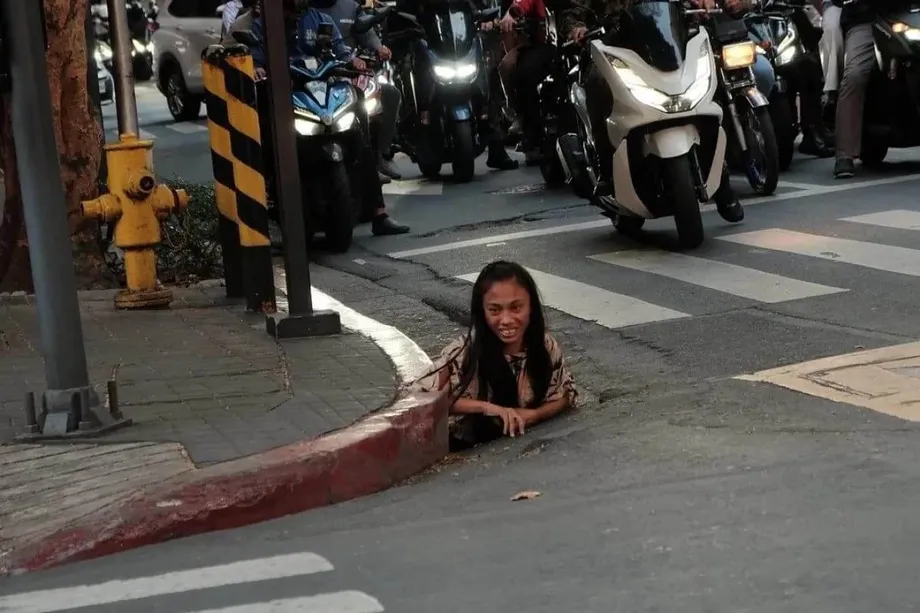
In late May 2024, hobbyist photographer William Roberts photographed a woman crawling out of a sewer in Makati City's financial district. The woman, later called "Rose" by local media, became the face of a housing crisis that extended far beyond the opening in the pavement.
Contents
- A Woman Emerging From a Sewer Brought Hidden Lives Into View
- How the Photograph Spread
- What Life Beneath Makati Looks Like
- What the Cash Assistance Could Cover
- Why the Public Reaction Mattered
- What the Homelessness Estimate Includes
- Why Housing Programs Can Miss Street Dwellers
- Building Homes and Reaching the People Who Need Them
- Safety Measures and Lasting Support
- Key Points
Rose belonged to a small community estimated at around 15 people living in a drainage network near a creek by the Makati Medical Center. The area had acquired the ironic nickname "Makati Botanical Garden." Men including Jerwin and Rommel had lived in these conditions for years, pushed there by job losses, eviction or the cost of even basic accommodation.
The Department of Social Welfare and Development (DSWD) subsequently located Rose and gave her 80,000 Philippine pesos, about US$1,435. It also designated her an "honorary social worker" to help reach other people living on the streets. The intervention brought immediate assistance to one person, while drawing attention to barriers that keep others without a secure home.
A 2023 study by the Joly Homes Foundation and Association Soeur Emmanuelle Philippines, Inc. estimated that approximately 4.5 million people in the Philippines were homeless or living in informal housing, with two thirds in Metro Manila. Its broad count included people on the streets as well as residents of slums, shantytowns and makeshift communities.
Rose's photograph connected those large numbers to a visible person. The response ranged from sympathy to ridicule, while housing advocates questioned whether a cash payment could provide a lasting route out of homelessness in one of the country's most expensive urban settings.
How the Photograph Spread
Roberts was documenting Makati as part of his daily routine when he saw Rose emerge from the canal. He continued photographing her as she crawled out, then watched her run past him moments later.
The images first appeared on Reddit and quickly spread across social media, attracting thousands of comments and views. Some people suggested the scene was a publicity stunt. Others turned it into jokes and memes, including suggestions that entering a sewer could be a shortcut to receiving government assistance.
The attention brought the label "mole people" into wider discussion. The expression is a colloquial name, not an official designation, for people who shelter in drainage tunnels, culverts and underpasses. In Metro Manila, these hidden spaces have become places of refuge for some of the most marginalized urban residents.
The key dates and developments place the photograph within a wider housing problem:
- 2023: The Joly Homes Foundation and Association Soeur Emmanuelle Philippines, Inc. study estimated approximately 4.5 million homeless or informally housed people nationwide.
- Late May 2024: Roberts photographed Rose emerging from a Makati sewer, and the images spread online.
- After the photograph circulated: The DSWD located Rose, provided 80,000 pesos and asked her to help reach other street dwellers.
- 2028: President Ferdinand Marcos' housing plan set a target of six million homes by this year.
What Life Beneath Makati Looks Like
The community near the Makati Medical Center occupied drainage infrastructure in a district associated with finance and modern development. Residents had found space beneath the city because accommodation above ground was beyond their reach or had been lost.
Drainage tunnels are polluted, unsanitary and dangerous. During the rainy season, floodwater can make them uninhabitable. Yet people sheltering there also face danger outside, including exposure to the weather, violence and repeated harassment on the streets.
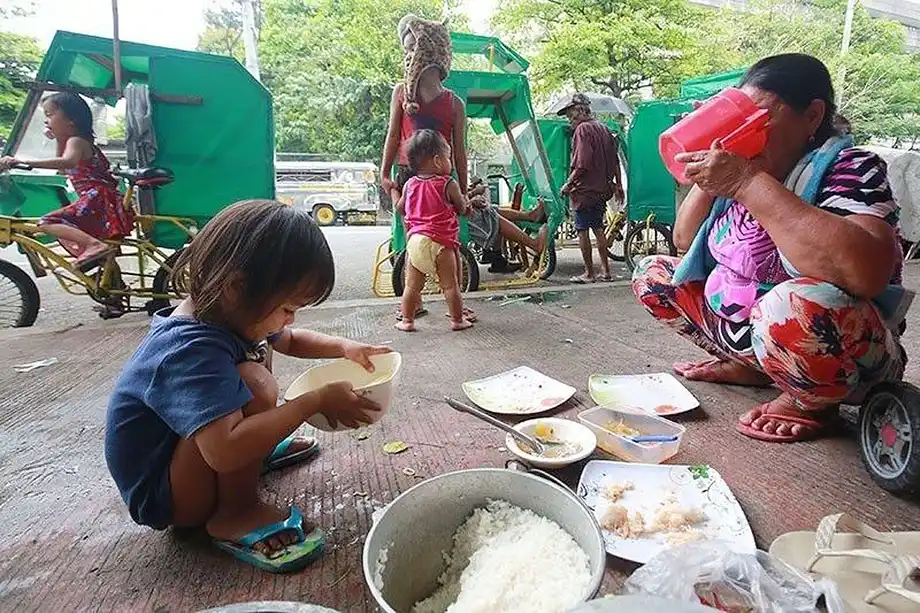
Residents gathered discarded materials to make shelters, shared food when possible and took occasional jobs. These included cleaning the creek and helping local vendors. Such work connected their daily survival to the upkeep and activity of the surrounding city.
An unnamed observer described the pressures behind the community's living conditions:
Their existence isn't determined through choice, but necessity, a brutal response to the massive problems of poverty and the lack of housing options in the Philippines.
Roberts continued investigating after taking the photographs. He found that authorities responsible for maintaining city infrastructure were largely unaware of the extent or layout of the underground networks. Limited knowledge and oversight had allowed hidden communities to persist, while leaving residents exposed to sudden enforcement or displacement.
What the Cash Assistance Could Cover
The DSWD's payment to Rose became one of the most publicized parts of the response. Critics described the assistance as a "band-aid solution," arguing that an individual payment left the causes of homelessness unresolved.
Arvin Dimalanta, an adviser for the Philippine Resource Centre for Inclusive Development, pointed to the costs of obtaining a home in Metro Manila. Landlords typically require two months' advance deposit, while a household also needs money for moving and other expenses. Against those costs, he considered the payment modest and potentially sufficient for only a short period.
The practical challenge is maintaining accommodation after paying to enter it. A household needs enough regular income to meet later rent payments as well as food and other necessities. Rose's assistance therefore brought the discussion back to the availability of affordable homes and access to housing programs.
The role given to Rose also linked her to outreach among people whose lives were otherwise difficult for authorities to see. Her designation as an honorary social worker reflected an effort to reach other street dwellers through someone familiar with their circumstances.
Why the Public Reaction Mattered
Gino Antonio Trinidad, a doctoral researcher on urban poor settlements, linked the story's rapid spread to the novelty of Rose's circumstances and the government's response. He criticized reactions that treated assistance to a poor person primarily as an unfair benefit.
Trinidad argued that these attitudes overlooked the contributions marginalized residents make to maintaining urban spaces described as "world-class." The work of cleaning waterways or helping vendors places some of the people dismissed online within the everyday functioning of the city.
Sympathy and derision existed side by side. Some viewers recognized hardship in the photographs; others responded with cynicism. The jokes about entering a sewer to obtain aid turned a dangerous living situation into a claim about who deserved public support.
The contrast was especially sharp in Makati's financial district. People living below its streets were close to places associated with economic success, yet lacked access to secure shelter. Their visibility disrupted the image of prosperity projected by the surrounding area.
What the Homelessness Estimate Includes
The 2023 estimate of approximately 4.5 million people covered a wider group than those sleeping outdoors. It included millions living in informal settlements, such as slums, shantytowns and communities assembled from scavenged materials. That breadth matters when explaining the scale of the housing crisis.
Two thirds of 4.5 million amounts to about three million people in Metro Manila, leaving roughly 1.5 million elsewhere in the country. Those figures describe the distribution within the study's broad estimate of homelessness and informal housing.
Rapid urbanization and migration from rural areas have increased demand for city accommodation. Thousands of Filipinos move each day to cities including Manila, Cebu and Davao in search of employment, education and better opportunities. Affordable housing supply has struggled to keep pace.
Many households with low incomes spend more than 30% of their earnings on rent when they can find accommodation. For a family with limited money, that leaves less for food, transport, education and healthcare. People unable to afford even the cheapest available spaces may end up in informal settlements or on the streets.
The country also lacks a consistent definition of homelessness. Neither the Urban Development and Housing Act of 1992 nor the Department of Human Settlements and Urban Development Act explicitly defines it. People moving between temporary places, or living in hidden locations such as drainage tunnels, can consequently be missed by official statistics and government programs.
Why Housing Programs Can Miss Street Dwellers
Socialized housing is intended to make homes affordable for underprivileged people. Qualification requirements, however, can exclude those with the least secure accommodation. Applicants typically need to be "structure owners" in informal settlements, leaving street dwellers and renters without a building or structure of their own outside eligibility.
Dimalanta described how that requirement affects people who rent space or have no fixed shelter:
Street dwellers and people who rent spaces in informal settlements are among those unaccounted for and ineligible for social housing, as they do not own buildings or structures. Invisible [sila] sa gaze ng authorities.
His final phrase describes people as invisible to authorities. A person can urgently need a home yet remain outside a program whose entry requirements are tied to owning an existing structure.
The consequences extend beyond accommodation. People overlooked by housing systems can also struggle to obtain healthcare, education and legal protection. A lack of recognition in one service can leave the same household poorly connected to several others.
For residents of tunnels or people renting makeshift spaces, expanding the number of homes alone leaves a further task: making sure they can qualify for support. Dimalanta identified both affordable, accessible housing and the exclusion of street dwellers from existing programs as central problems.
Building Homes and Reaching the People Who Need Them
President Marcos' plan to build six million housing units by 2028 set an ambitious construction target. More than one million units were reportedly built in the first year. The program sits alongside continuing concerns about whether housing reaches those in greatest need.
Many units remain empty in rural areas, while demand in cities continues to exceed supply. The location of a home matters to a household seeking work, schooling and services in an urban area. Available units in one place and unmet need in another can exist at the same time.
For the Makati drainage community, the housing question therefore involves more than a national construction total. Price, location and eligibility all affect whether a person can move from an unsafe shelter into accommodation they can retain.
The 2028 target provides a deadline for the national building ambition. A lasting housing outcome for Rose and the other drainage residents was not specified. Their experience directs attention to the gap between immediate assistance, access to a housing program and the ability to remain housed.
Safety Measures and Lasting Support
Police and local authorities increased patrols after the incident and, in some cases, blocked access to drainage systems. These measures addressed immediate safety concerns around dangerous infrastructure, while creating the risk of further displacement for people sheltering inside.
Residents losing access to a tunnel still need somewhere to sleep. Without an alternative, they may move into other insecure places, becoming harder to locate and assist. The problem shifts location while the need for shelter continues.
Advocates called for rehabilitation and support in place of punitive responses. Their proposals included a standard definition of homelessness, better data collection and wider eligibility for housing and other services. Temporary shelters, job placement programs and community initiatives have shown promise in some areas, but require sustained investment and political commitment.
These measures address different parts of the same difficulty. Temporary shelter provides an immediate place to stay; employment support can help a household meet regular expenses; accessible housing programs can offer a route into more stable accommodation.
An unnamed advocate who had interacted with residents including Jerwin, Bibi and Romel described the importance of recognizing individuals behind the figures:
People like Jerwin, Bibi, Romel, the other people that I've interacted with, and even people like us… it often feels like we're reduced to just numbers. What's missing, and what I feel like could change or should change [things], is genuine empathy.
Rose's photograph made a hidden community visible. The practical challenge it exposed was how to turn that attention into access to shelter, services and homes for people whose living arrangements often leave them outside existing support.
Key Points
- William Roberts' photographs of Rose emerging from a Makati sewer in late May 2024 brought attention to people living in drainage infrastructure.
- Around 15 people were estimated to live near a creek by the Makati Medical Center, including residents displaced by job loss, eviction or unaffordable housing.
- The DSWD gave Rose 80,000 pesos, about US$1,435, and designated her an honorary social worker to help reach other street dwellers.
- A 2023 study estimated approximately 4.5 million homeless or informally housed people nationwide, with two thirds in Metro Manila.
- Requirements tied to owning a structure can exclude street dwellers and renters from socialized housing.
- The government's six million home target for 2028 sits alongside gaps in affordability, location and access to support.
- Advocates called for better data, wider housing eligibility, temporary shelter, employment support and greater empathy.