Vietnam and China Follow Guyana in Global Food Study
Vietnam can meet its domestic dietary needs through its own production in six of seven essential food groups, placing it alongside China and behind only Guyana in a study of 186 countries and territories published in Nature Food. Guyana, a South American country of around 800,000 people, was the only country able to meet the benchmark in all seven groups.
Contents
- Vietnam and China Follow Guyana in Global Food Study
- How the Researchers Measured Food Needs
- Rice, Produce and Aquaculture Support Vietnam's Position
- Exports and Domestic Supply Play Different Roles
- Why Most Countries Fall Short of Full Coverage
- Import Dependence Leaves Some Places More Exposed
- Regional Cooperation Has Limits
- Trade and Climate Adaptation Remain Part of the Answer
- Projections to 2032 Point to Room for Improvement
- Key Points
Researchers from the University of Göttingen in Germany and the University of Edinburgh in Scotland examined how much food countries produce compared with the quantities needed for a balanced diet. Their central question was straightforward: if international food trade suddenly stopped, which countries could feed their populations with food produced at home?
Vietnam's position reflects an agricultural sector that produces rice, fruit, vegetables, fish, meat and starchy crops while also supplying international markets. Its capacity to serve domestic consumers and export food gives it an important place in discussions about protecting food supplies during trade disruptions, climate shocks and geopolitical tensions.
The global picture was much less comfortable. Of the 186 countries and territories assessed, 154 were self-sufficient in only two to five food groups. Afghanistan, the United Arab Emirates, Iraq, Macau (China), Qatar and Yemen could not meet domestic demand through their own production in any of the seven categories.
The findings on Vietnam place the country among a small group with a broad domestic food supply. Its strength lies in producing many different kinds of food, alongside the large harvests associated with its role as a rice exporter.
How the Researchers Measured Food Needs
The study used data from the United Nations Food and Agriculture Organization, known as the FAO, and compared domestic production with the nutritional requirements of the World Wildlife Fund's Livewell diet. The dietary benchmark covered seven essential food groups: cereals, vegetables, fruit, starchy staples, dairy products, meat and fish.
Self-sufficiency means producing enough of a particular food group within a country's borders to meet the needs of its population. A country can produce more rice than it needs while producing too little fruit or dairy. Looking at each group separately helps explain whether domestic agriculture can support a varied diet.
The researchers therefore examined more than the total amount of food harvested. They assessed whether production matched the different types of food needed for balanced eating. Under this approach, a large surplus in one category sits alongside any shortages in others.
Vietnam and China met the threshold in six categories. Guyana met it in seven. That comparison puts Vietnam close to complete coverage under the study's dietary benchmark, while leaving one food group below the required level.
Rice, Produce and Aquaculture Support Vietnam's Position
Vietnam's agricultural strength comes from several parts of its food system. Rice is central: the country is one of the world's leading rice producers and exporters, with the Mekong and Red River deltas serving as major growing areas.
Fruit and vegetables add variety to that production. Vietnam's tropical climate supports crops including dragon fruit, lychee and mango, alongside vegetables grown for domestic consumption and export. Those harvests help supply food groups that a diet based mainly on cereals would leave short.
Fishery products provide another major source of food. Vietnam is a global leader in aquaculture, the farming of aquatic animals, particularly pangasius and shrimp. Livestock farming and crops such as cassava and sweet potatoes further broaden its domestic supply.
Together, these activities give Vietnam production across several dietary categories. Rice supplies a major cereal crop, cassava and sweet potatoes contribute starchy staples, and livestock and fisheries provide animal foods. This diversity is a central reason for the country's strong performance.
Exports and Domestic Supply Play Different Roles
Vietnam's farms and fisheries serve households at home while supplying overseas buyers. The assessment of Vietnam's resilience describes this combination of export capacity and diverse domestic production as a strength when international food trade comes under pressure.
Vietnam's government has long made food security a priority through investment in agricultural research, infrastructure and rural development. Farmers have adopted techniques to raise yields and diversify crops, while policies encourage export growth alongside the protection of domestic supplies.
Food security concerns whether people can obtain the food they need. In Vietnam's case, a broad production base provides a domestic source of many foods, while its export role connects that production to international demand. Maintaining both functions requires attention to food available at home as well as sales abroad.
The country's approach has helped it during periods of global uncertainty. Continued support for productive and diverse agriculture is also relevant to its ability to handle future disruptions to food imports and exports.
Why Most Countries Fall Short of Full Coverage
Guyana's complete coverage across the seven food groups was linked to its favourable climate, fertile soils and balanced agricultural system, which supports farming throughout the year. Its population of around 800,000 also provides context for the scale of domestic demand.
China and Vietnam, despite their agricultural strength, each fell short in one category. Dairy is often a difficult category for countries facing climatic or structural constraints. The account of the findings does not identify which category was below the threshold for Vietnam or China.
Dairy shortages are a wider challenge, particularly in sub-Saharan Africa and Oceania. Fish and seafood present another gap: only about one in four countries were self-sufficient in fish, and most could not produce even half the quantity they needed.
Vegetables and plant proteins also exposed weaknesses. Fewer than half of countries produced enough legumes, nuts, seeds or vegetables to meet domestic demand. Plant proteins include foods such as beans and other legumes, which help provide protein within a varied diet.
Import Dependence Leaves Some Places More Exposed
Afghanistan, the United Arab Emirates, Iraq, Macau (China), Qatar and Yemen were among the places unable to meet domestic needs in any of the seven categories. More than 50% of their food supplies depended on imports, leaving them exposed when deliveries are interrupted or trade is restricted.
Dr. Jonas Stehl, the study's lead author and a researcher at the University of Göttingen, described the risk created by limited domestic production and a narrow choice of suppliers:
Low self-sufficiency and overdependence on a few countries for imports threaten their capability to respond to global shocks, particularly for small states.
A country that buys much of its food from only a few suppliers has fewer alternatives when one of those suppliers faces a crisis. Small states can be particularly exposed because their own agricultural capacity may cover only a limited share of what people need.
The COVID-19 pandemic and the war in Ukraine exposed weaknesses in long food supply chains and the risks of relying heavily on international trade. Those disruptions give practical context to the study's question about what countries could produce for themselves if overseas supplies became unavailable.
The explanation of import dependence also identifies a practical reason for buying food abroad: some countries lack the natural resources to grow certain crops, and imports can cost less than domestic production. The trade-off is greater exposure when global supplies are disrupted.
Regional Cooperation Has Limits
Europe and South America generally performed better on food self-sufficiency than other regions, especially in meat and dairy. Even there, production often fell short in plant proteins and vegetables, showing how strength in animal foods can coexist with gaps elsewhere in the diet.
Small island states and Gulf countries were among the least self-sufficient. Some could not meet domestic demand in any food group and depended heavily on imported supplies. Their position contrasts with the broad production bases of Vietnam, China and Guyana.
Economic unions also faced shortages. The Gulf Cooperation Council was among the groupings that struggled with self-sufficiency, often reaching the threshold in only one or two food groups. Combining countries within a trading bloc can bring supplies together, while shared gaps still require food from elsewhere.
These regional findings point to a need for cooperation alongside policies suited to local conditions. Countries differ in the foods they can produce, so a regional arrangement must account for both the strengths and the shortages of its members.
Trade and Climate Adaptation Remain Part of the Answer
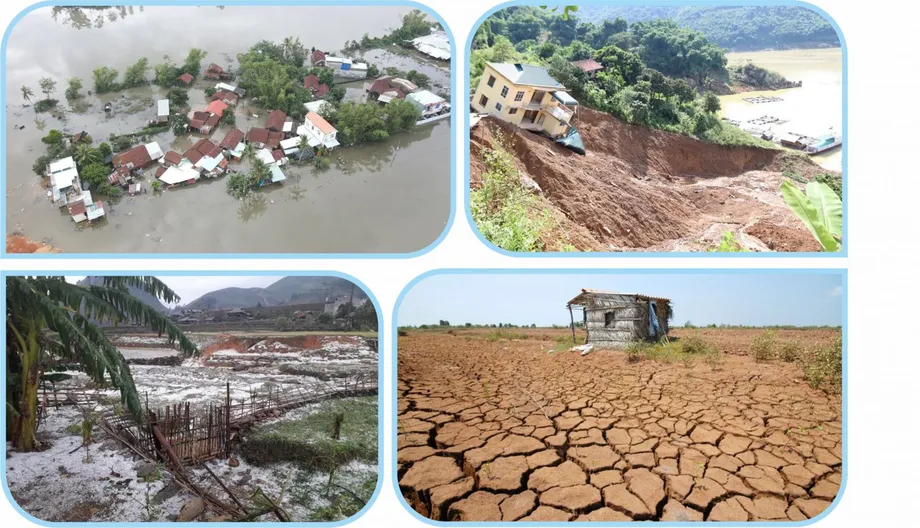
The study's findings support several practical responses: spreading food purchases across more trading partners, investing in domestic production where it falls short, adapting farming to climate pressures and maintaining international cooperation.
Trade diversification means avoiding excessive dependence on one supplier or a small group of countries. Investment in local agriculture can increase production in food groups where domestic demand is not being met. Climate adaptation includes crops and farming practices suited to changing conditions.
Alexander Vonderschmidt, a study co-author and PhD researcher at the University of Edinburgh, described why trade and agricultural innovation remain necessary:
Climate shocks are reshaping the agriculture sector and will continue to intensify. Open trade and innovation are essential to secure healthy, low-carbon diets.
Low-carbon diets are diets associated with lower greenhouse gas emissions. Vonderschmidt's statement connects the need to keep food available with the need to limit the environmental pressures associated with producing it.
For countries with limited agricultural potential, international food trade remains essential to providing healthy and sustainable diets. Domestic production, a wider choice of trading partners and cooperation can work together to reduce exposure to disruptions.
Projections to 2032 Point to Room for Improvement
The researchers cautioned that current production volumes do not necessarily reflect everything a country could produce. Policy incentives, economic changes and technological innovation could help countries raise self-sufficiency beyond the levels measured in the study.
Projections to 2032 suggest that most countries can make gains, particularly in foods from animals and in plant staples. Progress is expected to vary by region and food group, reflecting the different starting points and agricultural conditions countries face.
For Vietnam, continued investment in sustainable agriculture, climate adaptation and rural development will be crucial to maintaining its broad food production base. Its strong position rests on several agricultural activities working together, from rice cultivation and horticulture to livestock and aquaculture.
Vietnam's experience offers other countries a concrete example of how diverse domestic production can support food security while sustaining an export sector. The broader study also shows why international cooperation remains necessary: countries have different strengths, many have substantial shortages, and climate and trade shocks can affect domestic and imported supplies alike.
Key Points
- Vietnam and China could meet domestic dietary needs in six of seven food groups in a study covering 186 countries and territories.
- Guyana, with around 800,000 people, was the only country self-sufficient in all seven categories.
- The researchers used FAO production data and the World Wildlife Fund's Livewell diet as their benchmark.
- A total of 154 countries and territories were self-sufficient in only two to five food groups.
- Vietnam's rice, fruit, vegetables, fisheries, livestock and starchy crops support both domestic supply and exports.
- Afghanistan, the United Arab Emirates, Iraq, Macau (China), Qatar and Yemen fell below the threshold in every category.
- More diverse trading relationships, investment in agriculture and climate adaptation can help protect food supplies.
- Projections to 2032 suggest that most countries can improve, with progress varying by region and food group.